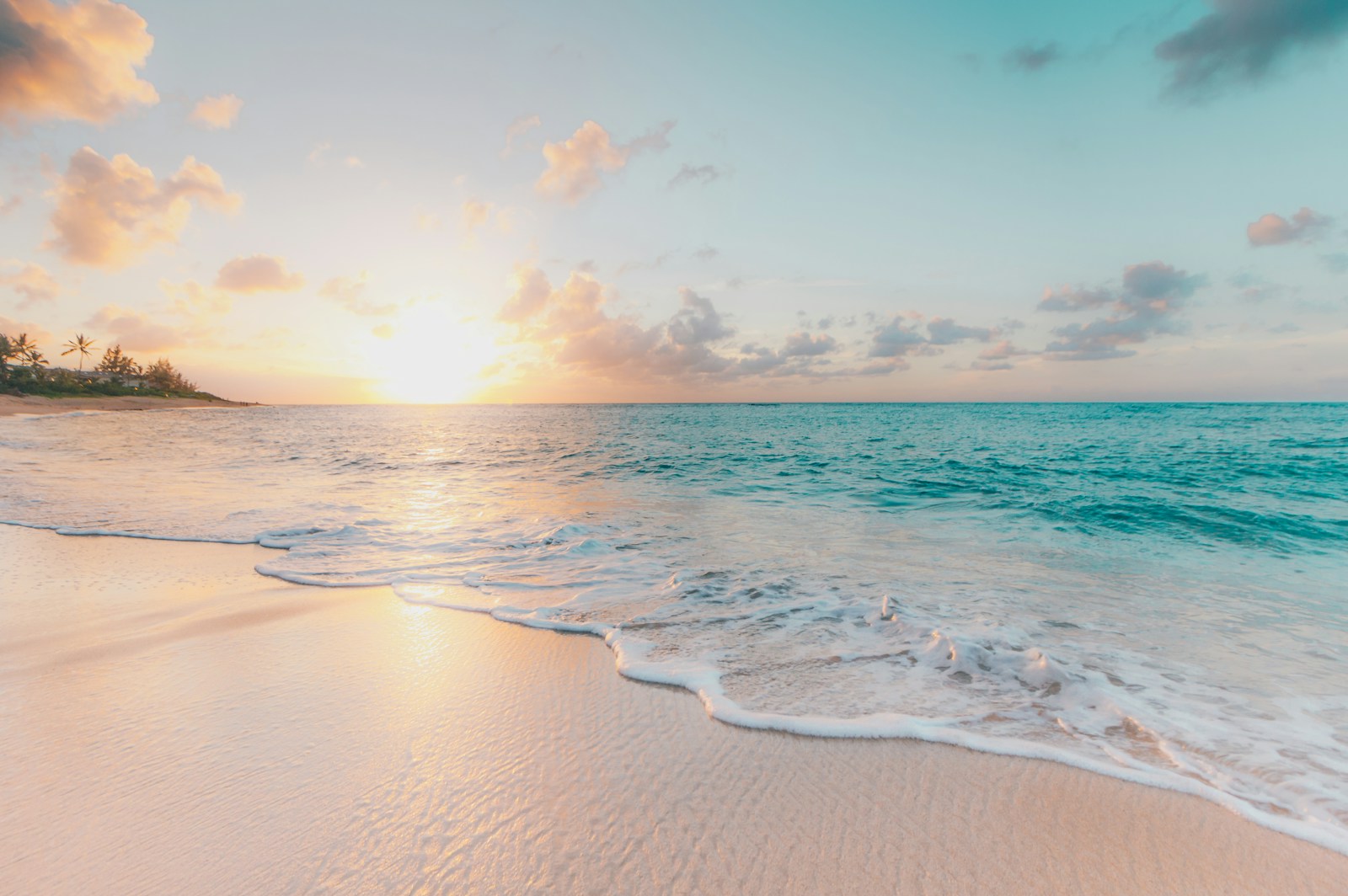
Along Madagascar's eastern coast, where the warm waters of the Indian Ocean lap against a shoreline fringed with coconut palms and litchi orchards, Toamasina — known in French as Tamatave — is the island nation's primary commercial port and second-largest city. This cosmopolitan coastal settlement of roughly 300,000 people serves as the gateway to some of Madagascar's most extraordinary rainforest reserves and offers its own distinctive blend of Malagasy, French, Chinese, and Indian Ocean cultures.
Toamasina's wide, tree-lined boulevards and colonial-era architecture reflect its development as a major trading port during the French colonial period, though the city's roots reach much deeper into Malagasy history. The waterfront Boulevard Ratsimilaho, named for a local king, provides a pleasant promenade past colonial buildings in various states of elegant decay. The city's cultural diversity is most vividly experienced at the Bazar Be — the grand market — where vendors of Chinese, Indian, Malagasy, and Creole heritage sell everything from vanilla pods and cloves to zebu leather and raffia baskets in a sensory environment of almost overwhelming intensity.
The primary draw for visitors, however, lies in the rainforests accessible from Toamasina. The Andasibe-Mantadia National Park, approximately three hours' drive inland, protects some of the last remaining lowland rainforest on the eastern seaboard and is home to the indri — Madagascar's largest living lemur, whose haunting, whale-like calls carry through the forest canopy for over two kilometers. The park harbors eleven species of lemur in total, along with chameleons, geckos, and an extraordinary diversity of orchids and ferns. Closer to the city, the Palmarium Reserve on the shores of the Pangalanes Canal offers more accessible lemur encounters in a beautiful lakeside setting.
The Pangalanes Canal, a series of natural and artificial waterways running parallel to the coast for over 600 kilometers, provides one of Madagascar's most atmospheric travel experiences. Boat trips along the canal pass through a landscape of palm-lined shores, fishing villages, and dense tropical vegetation, offering glimpses of a way of life that has changed little over centuries. The canal was originally developed during the colonial era to provide a sheltered inland waterway for cargo transport, and some commercial traffic still uses the route.
Cruise ships dock at Toamasina's modern commercial port, with the city center accessible by taxi or organized shuttle. Excursions to Andasibe require a full day and early departure, but the lemur encounters make the journey more than worthwhile. The eastern coast receives rain throughout the year, though the driest months from September through November offer the most comfortable conditions. The cyclone season from January through March should be avoided. Madagascar's extraordinary biodiversity — eighty percent of its species are found nowhere else on Earth — makes any visit a privilege, and Toamasina provides the most practical access to the eastern rainforests where much of this unique natural heritage is concentrated.

