On the northern coast of Borneo, where the Kemena River meets the South China Sea amid a landscape of mangroves, longhouses, and rapidly modernizing infrastructure, the port city of Bintulu serves as both an industrial centre for Sarawak's liquefied natural gas industry and a gateway to some of Borneo's most remarkable natural attractions. This small city of 200,000 has grown exponentially since the discovery of offshore gas reserves in the 1970s, transforming from a sleepy river town into Sarawak's most important industrial port. Yet beyond the gas processing facilities and container terminals, Bintulu retains connections to the indigenous Melanau, Iban, and Kayan cultures that have inhabited this coast for centuries.
The character of Bintulu blends industrial modernity with the cultural richness of multi-ethnic Sarawak. The Tamu Bintulu — the daily open-air market — offers a window into the community's diversity: stalls selling Melanau sago products, Iban jungle produce, Chinese dim sum, and Malay kuih sit side by side in a commercial ecosystem that reflects Sarawak's remarkable ethnic harmony. The Pasar Utama market, closer to the waterfront, brings fishermen's catches from the South China Sea alongside river fish, wild ferns, and the exotic fruits — durian, langsat, rambutan — that define Bornean market culture.
Sarawakian cuisine, experienced through Bintulu's markets and restaurants, is one of Southeast Asia's most distinctive and underappreciated food traditions. Laksa Sarawak — a fragrant noodle soup in a coconut-milk-and-sambal broth quite different from its Penang or Singapore cousins — is the state's signature dish. Kolo mee, springy noodles tossed with lard, soy sauce, and minced pork, represents the Chinese-Sarawakian culinary tradition. The indigenous Melanau community contributes umai — raw fish marinated in lime juice with shallots and chilli, Borneo's answer to ceviche — and the sago-based dishes that reflect the staple grain of this palm-rich coast.
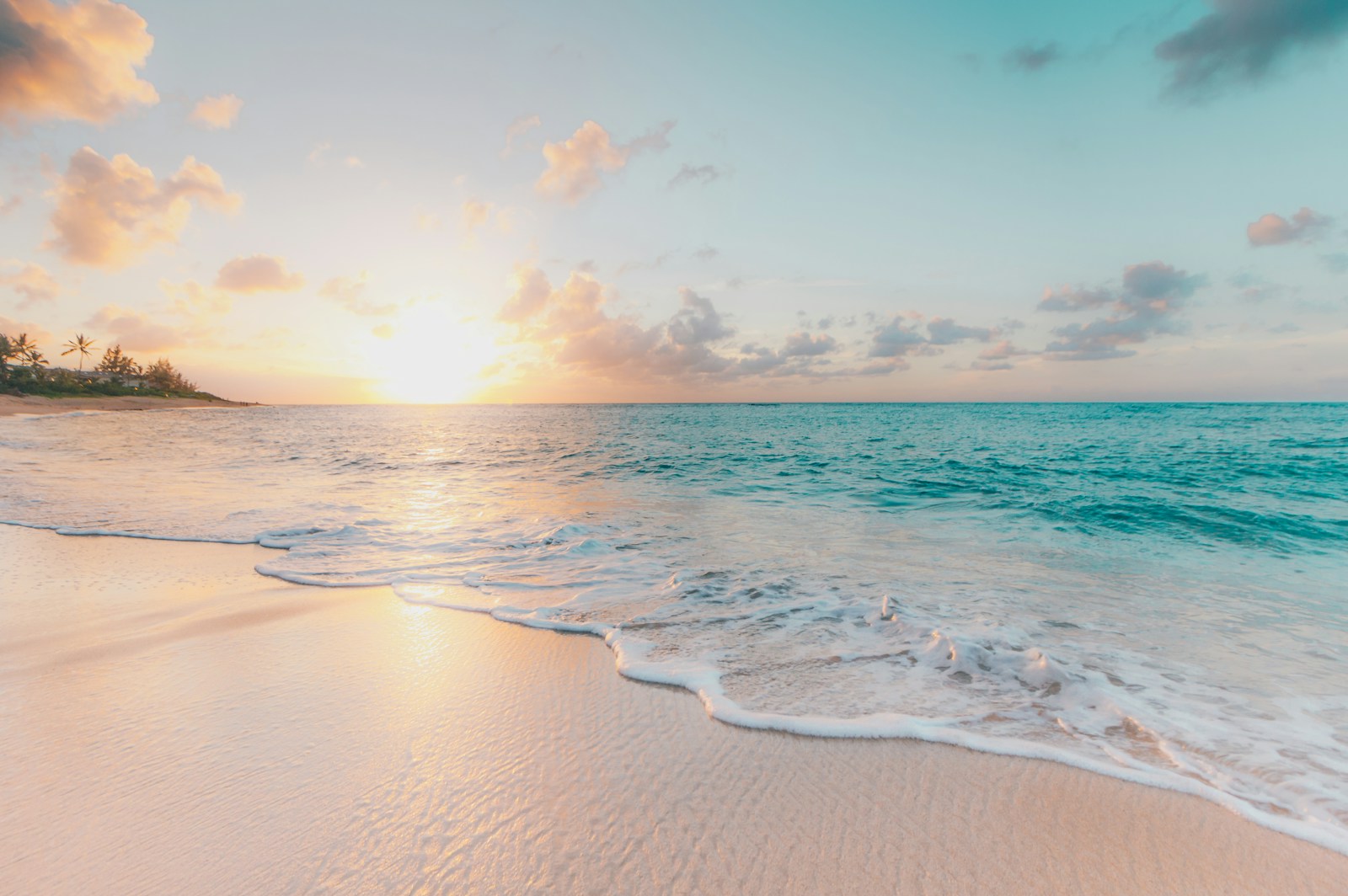
The natural attractions accessible from Bintulu are Borneo at its most diverse. The Similajau National Park, just thirty kilometres northeast, protects a coastline of golden beaches and rocky headlands where dolphins swim close to shore and saltwater crocodiles inhabit the river mouths. The Niah Caves National Park, approximately two hours southwest, harbours some of the most important archaeological finds in Southeast Asia — human remains dating back 40,000 years — within a cave system of breathtaking scale. The longhouse communities of the interior, accessible by river journey from the Kemena, maintain traditional Iban and Kayan lifestyles where hornbill motifs, blowpipes, and the communal verandah culture of the ruai survive alongside satellite dishes and mobile phones.
Bintulu is accessible by air from Kuala Lumpur, Kuching, and Kota Kinabalu, and by road along the Pan Borneo Highway. The port accommodates cruise vessels, and shore excursions typically focus on the Niah Caves, Similajau National Park, or longhouse visits. The best months to visit are March through October, during the drier period, when forest trails are more accessible and sea conditions calmer. The wet season from November through February brings heavy rainfall that can make river and forest travel challenging but also produces the dramatic storms and lush, saturated greenery that characterize Borneo at its most primordially beautiful.

