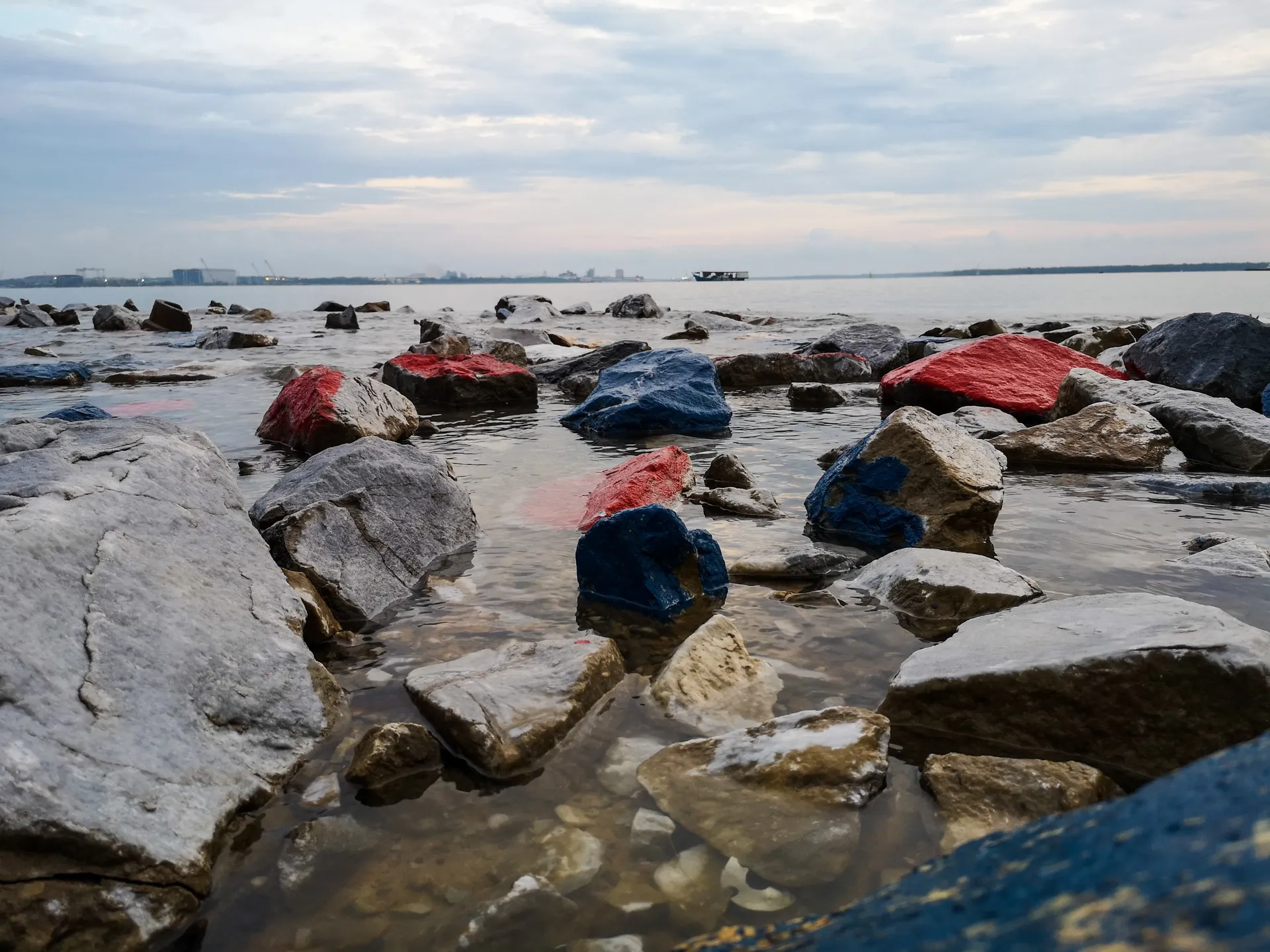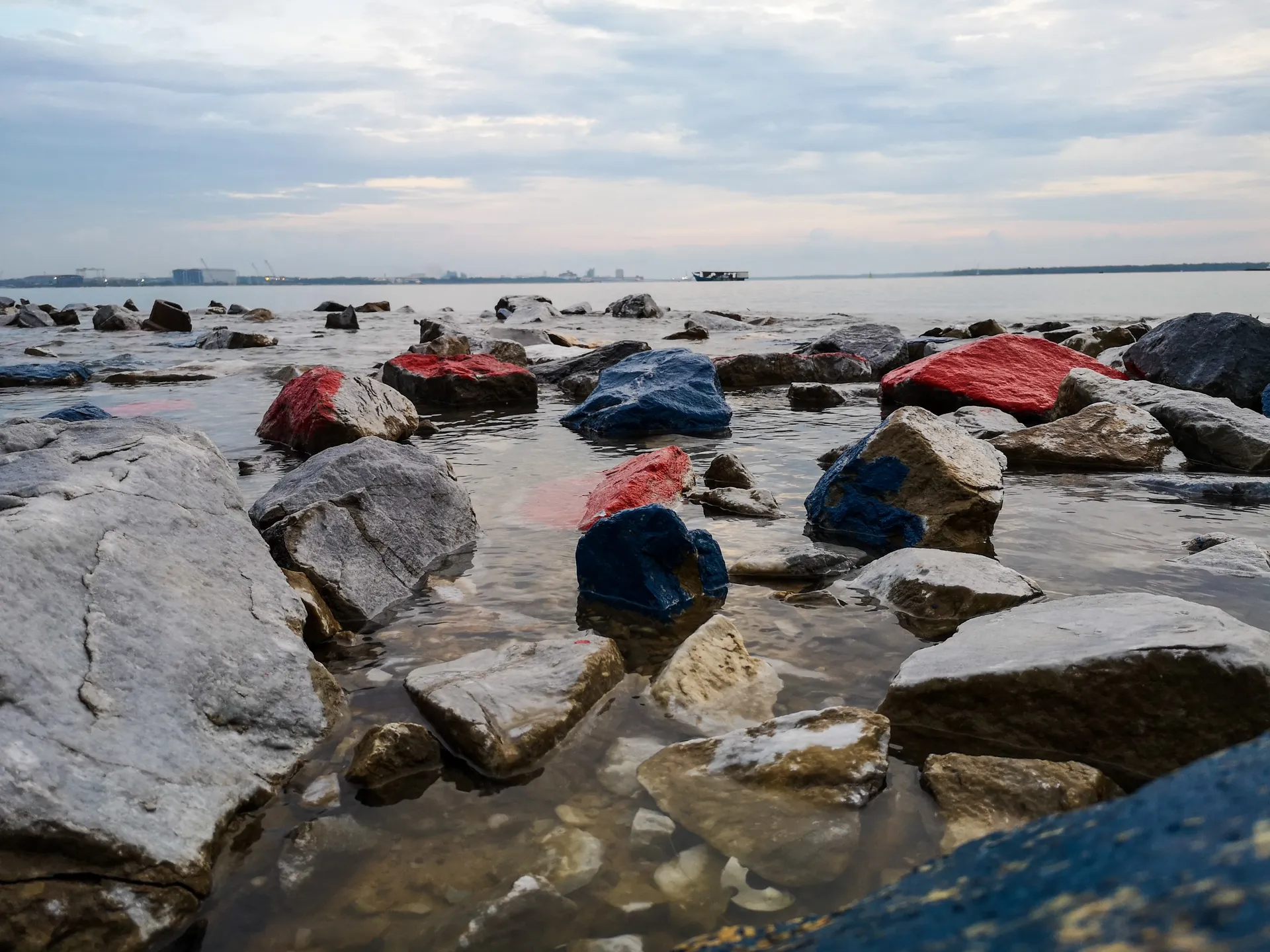
At the confluence of the Klang and Langat rivers on Malaysia's Straits of Malacca coast, Port Klang serves as the maritime gateway to Kuala Lumpur and one of the busiest container ports in the world. This sprawling port city, thirty-eight kilometres southwest of the Malaysian capital, has been a centre of maritime trade since the days of the Malacca Sultanate, when its strategic position on the world's busiest shipping lane made it a nexus of commerce between East and West. Today, Port Klang handles over thirteen million containers annually, making it the twelfth-busiest port globally — a testament to Malaysia's position at the crossroads of Asian trade.
The character of Port Klang blends working-port functionality with the multicultural richness that defines Malaysia's Straits settlements. The old town, clustered around the original river port, retains the atmosphere of a pre-independence Malayan trading community: Chinese shophouses, Malay mosques, and Indian temples share the same narrow streets in an architectural expression of the ethnic diversity that has characterized this coast for centuries. The Royal Selangor Club and the administrative buildings of the colonial era speak to the British influence that shaped the modern port, while the enormous container terminals visible from the waterfront remind visitors that Port Klang's story is still being written.
Port Klang's food scene is one of Malaysia's best-kept secrets. The seafood restaurants along the waterfront and in the nearby fishing village of Bagan Hailam serve what many Malaysians consider the freshest and most affordable seafood on the Straits coast: chilli crab, butter prawns, steamed fish with ginger and soy, and the cereal prawns that are the region's signature indulgence. The Indian Muslim community contributes murtabak, roti canai, and the fragrant biryanis served at roadside stalls. The Chinese coffee shops — kopitiams — serve the rich, sweetened kopi that fuels Malaysian mornings alongside char kway teow, wonton mee, and the dim sum that reflects the region's Cantonese heritage.
From Port Klang, the attractions of greater Kuala Lumpur are within easy reach. The Petronas Twin Towers, the Batu Caves Hindu temple, the colonial heart of Merdeka Square, and the bustling markets of Chinatown and Little India can all be visited on shore excursions. Closer to port, the Sultan Abdul Aziz Shah Gallery in the old district house offers insight into Selangor's royal heritage, while the Firefly Park at Kuala Selangor, thirty minutes north, provides one of Southeast Asia's most magical natural experiences — boat rides through mangrove channels illuminated by thousands of synchronously flashing fireflies.
Port Klang is the primary cruise port for Kuala Lumpur, with a dedicated cruise terminal at Westport that accommodates the largest vessels. The city is also accessible by KTM Komuter train from KL Sentral in approximately an hour. Malaysia's tropical climate is warm year-round, with the driest months being June through August and December through February. The monsoon season from October through November brings heavy afternoon showers that rarely last more than an hour or two. For cruise passengers, Port Klang provides the most efficient access to Kuala Lumpur's extraordinary blend of Malay, Chinese, and Indian cultures.