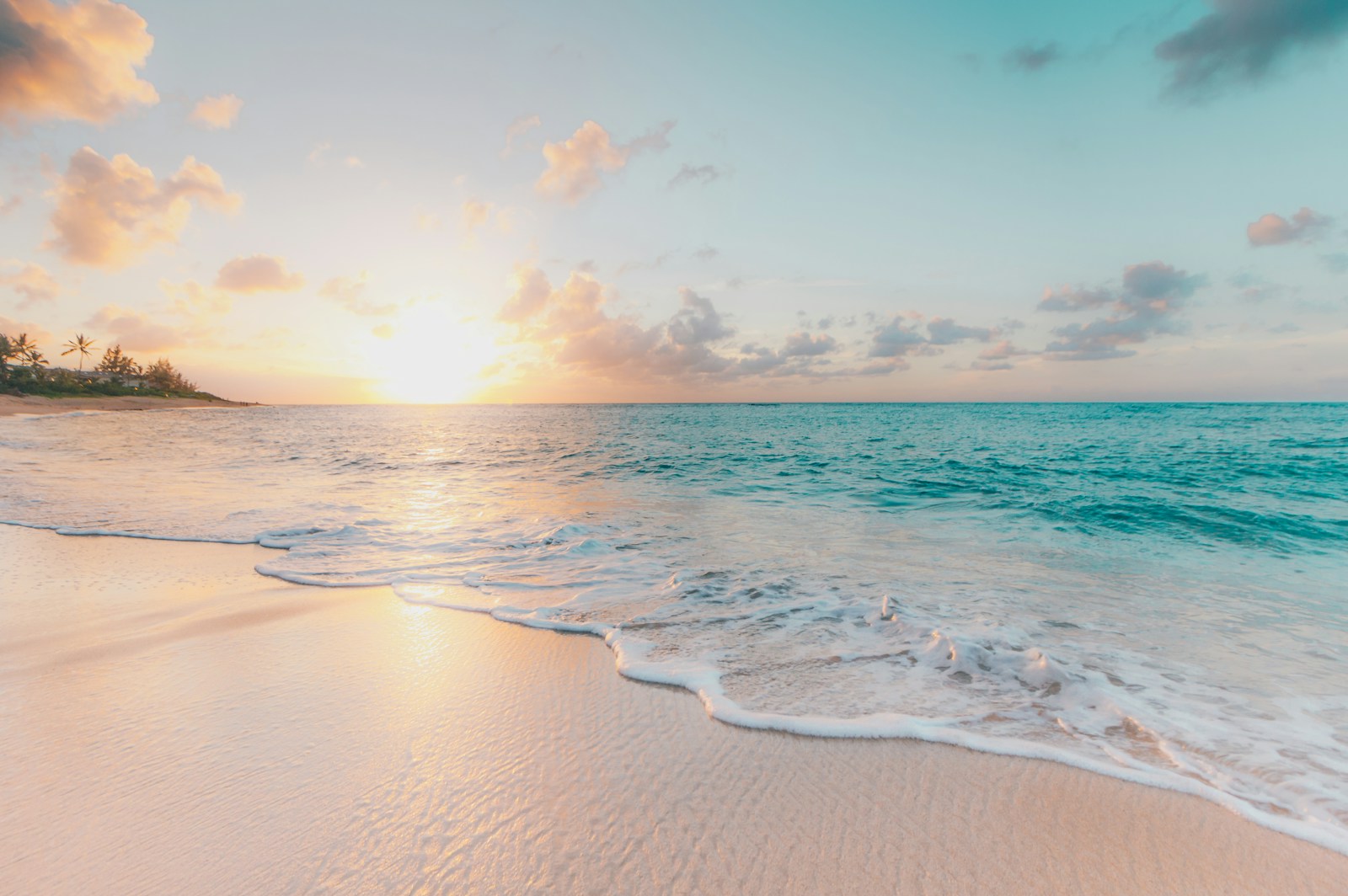
The Maldives is the world's lowest-lying nation — a chain of 1,192 coral islands grouped into 26 atolls across the Indian Ocean, whose average elevation of barely 1.5 meters above sea level makes it both one of Earth's most beautiful destinations and one of its most vulnerable. The crystal-clear lagoons, overwater villas, and coral reefs that define the Maldivian experience exist in a state of exquisite fragility.
The underwater world is the Maldives' primary attraction. Over 2,000 species of reef fish, five species of sea turtle, and seasonal populations of manta rays and whale sharks inhabit reef systems of extraordinary health and diversity. Snorkeling from virtually any inhabited island provides encounters with marine life of tropical-aquarium intensity — clownfish in their anemone homes, parrotfish crunching on coral, and reef sharks patrolling the drop-offs where shallow lagoons give way to deep ocean.
Malé, the capital, compresses 200,000 people onto an island of six square kilometers — one of the most densely populated places on Earth, and a fascinating contrast to the one-island-one-resort model that defines Maldivian tourism. The Old Friday Mosque, built of coral stone in 1658, provides the architectural highlight, while the fish market and local teashops offer glimpses of Maldivian daily life rarely seen by resort guests.
Celebrity Cruises includes the Maldives on Indian Ocean itineraries, with the archipelago providing some of the most visually stunning anchorages in cruise navigation — turquoise lagoons, white sand cays, and the particular quality of Maldivian light that photographers describe as 'liquid gold.'
November through April provides the driest conditions, with January through March offering the best underwater visibility. The Maldives is a destination that provokes both wonder and urgency — wonder at the natural beauty that evolution has produced on these coral platforms, and urgency from the knowledge that rising sea levels threaten to return these islands to the ocean that created them.

