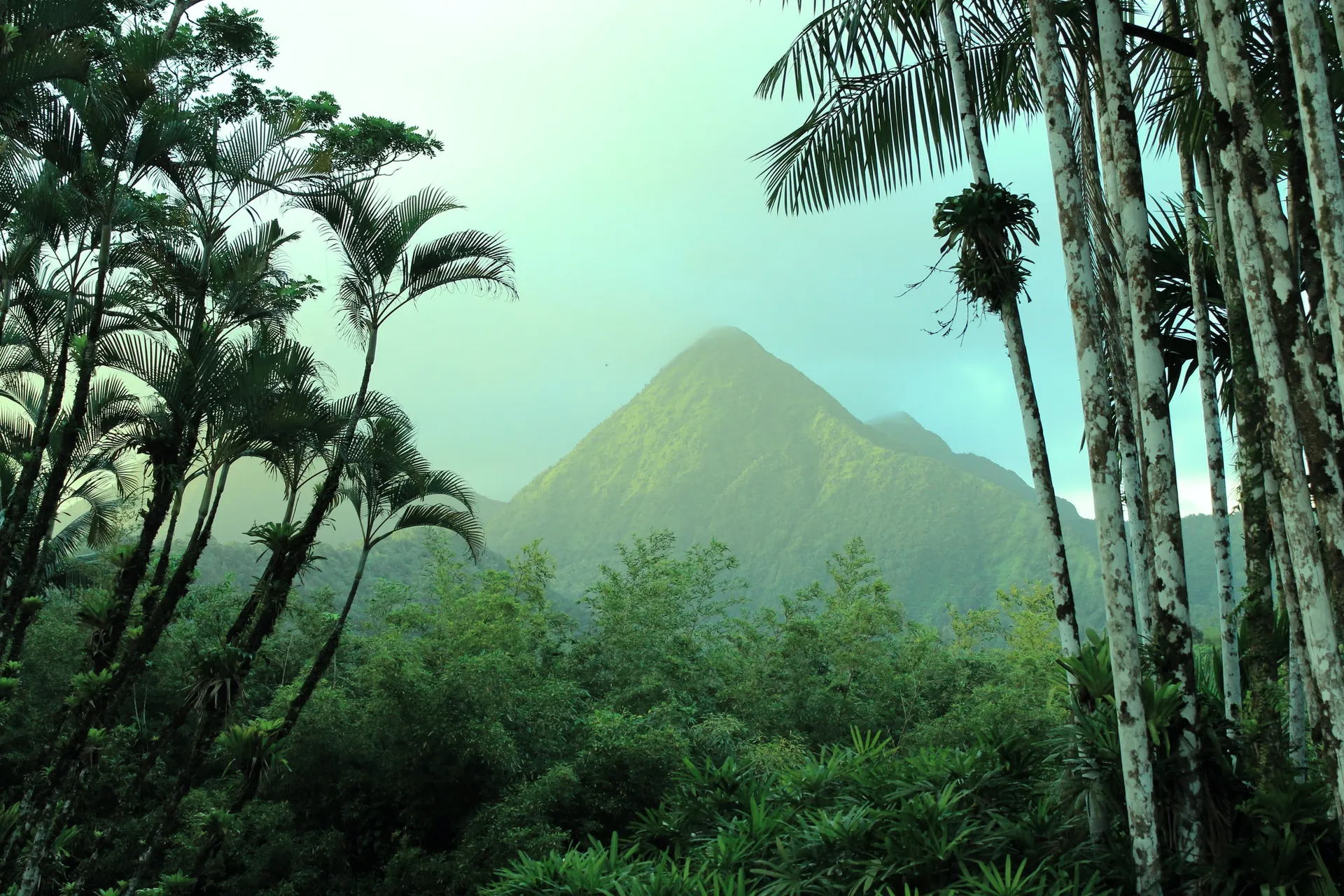
On the northwestern coast of Martinique, beneath the brooding volcanic cone of Mount Pelée, the town of Saint-Pierre carries one of the most dramatic stories in natural disaster history. Once known as the "Paris of the Caribbean" for its elegant colonial architecture, vibrant cultural life, and sophisticated society, Saint-Pierre was obliterated in approximately sixty seconds on May 8, 1902, when Pelée erupted in a devastating pyroclastic flow that killed nearly all of the city's 30,000 inhabitants. Today, the rebuilt town exists in layers — modern life above, the ruins of the former city below — creating a destination of haunting beauty and sobering reflection.
The eruption of 1902 was not merely a local catastrophe but a watershed moment in volcanology. The pyroclastic surge — a superheated cloud of gas, ash, and rock fragments traveling at over 600 kilometers per hour — was a phenomenon poorly understood at the time, and the disaster's study fundamentally changed scientific understanding of volcanic hazards. The Musée Volcanologique, founded in the aftermath by the American vulcanologist Frank Perret, displays artifacts recovered from the ruins: melted glass bottles, fused metalwork, stopped clocks frozen at the moment of destruction, and the cell where Auguste Cyparis — one of only three survivors, protected by the thick walls of his jail — endured the eruption.
The ruins of the old city, visible throughout modern Saint-Pierre, create an atmospheric palimpsest of destruction and renewal. The old theater, whose stone walls survived the blast, stands roofless against the sky. The remains of the commercial district reveal stone foundations and iron structural elements twisted by the heat. Along the waterfront, the ruins of the former customs house and warehouses emerge from the tropical vegetation that has reclaimed the site with characteristic Caribbean vigor. Diving the harbor reveals the wrecks of ships destroyed in the eruption — their hulls encrusted with coral and inhabited by tropical fish, creating an underwater museum of the disaster.
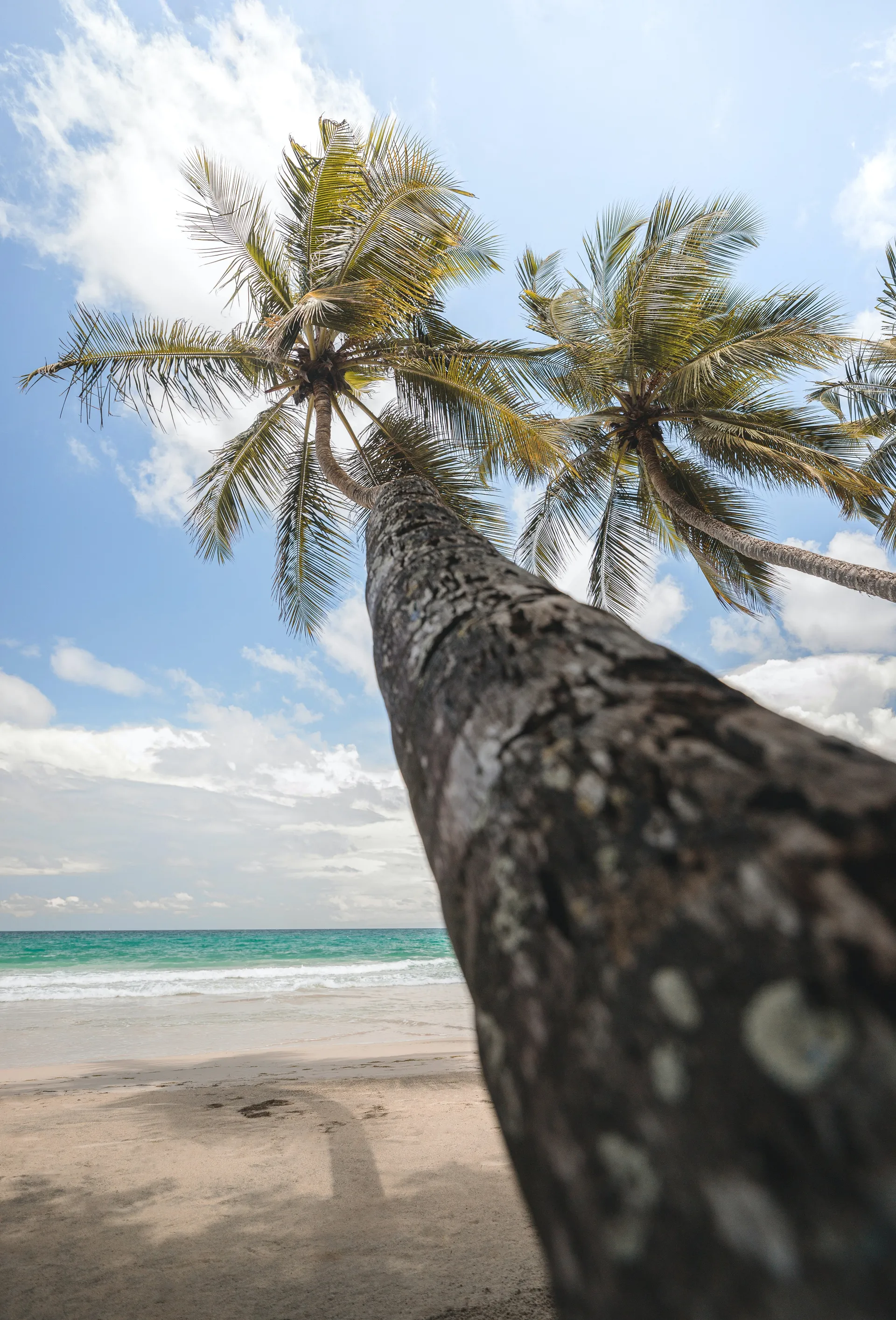
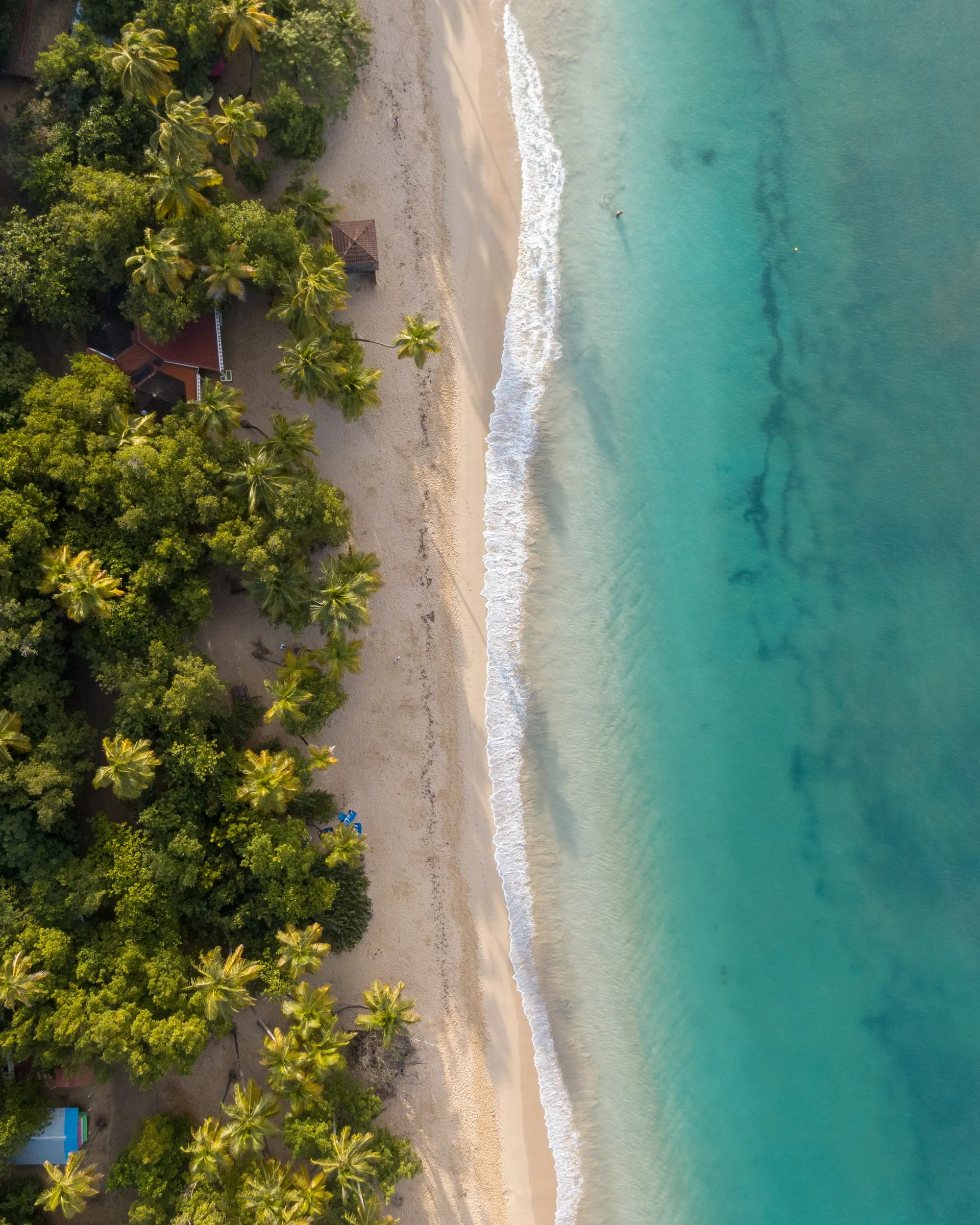
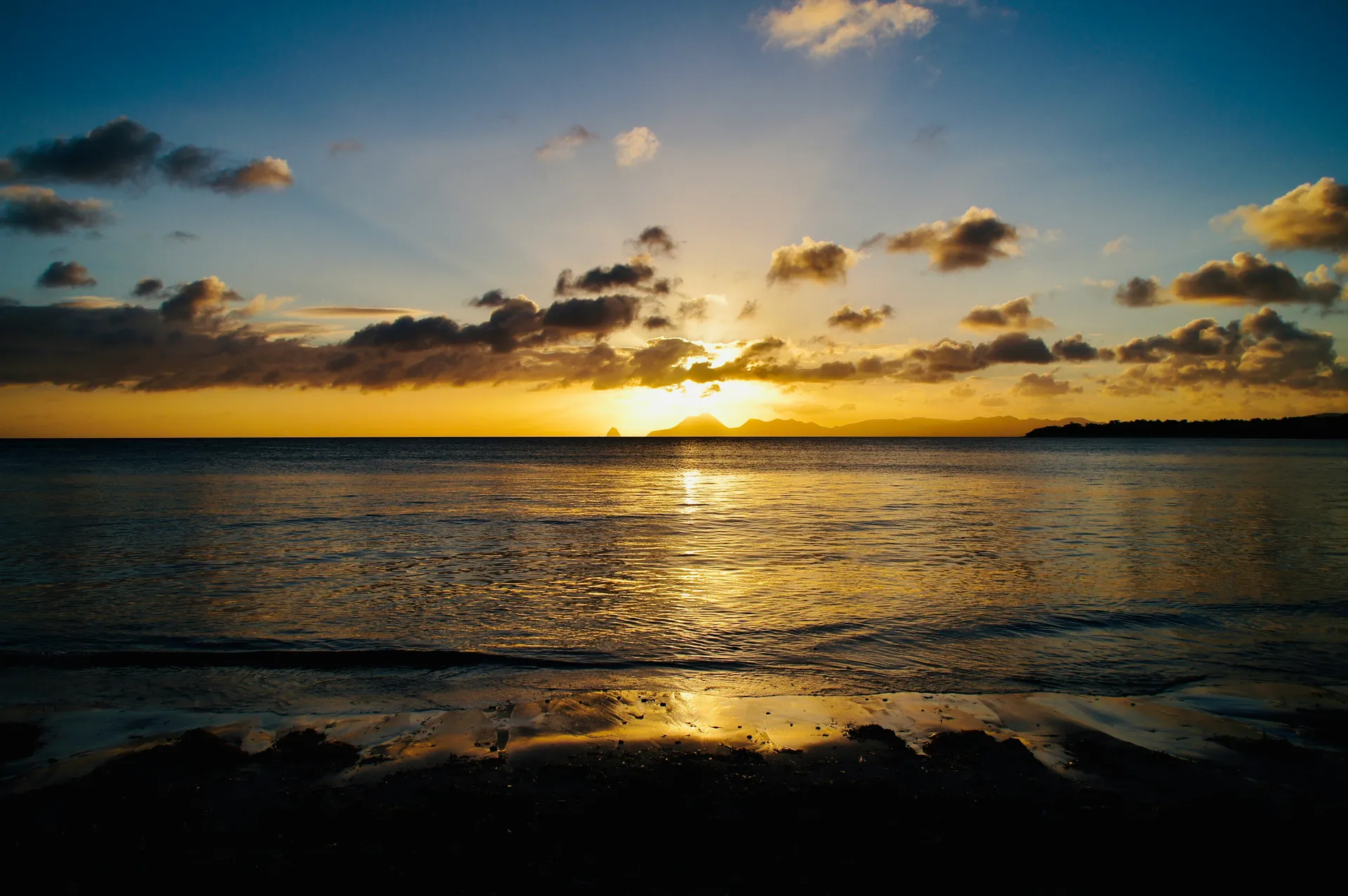
Modern Saint-Pierre has rebuilt itself as a quieter, smaller town that embraces its extraordinary history while looking forward. The waterfront promenade offers views across the Caribbean toward Dominica, and restaurants serve Creole cuisine — accras de morue (salt cod fritters), colombo de poulet (curry chicken), and grilled lobster — with the accomplished informality that characterizes Martinique's Franco-Caribbean food culture. The local rum distilleries, producers of the island's celebrated rhum agricole made from fresh sugarcane juice rather than molasses, offer tastings that reveal a spirit of remarkable complexity.
Cruise ships typically anchor off Saint-Pierre and tender passengers to the town's waterfront. The anchorage, in the lee of Mount Pelée, is generally well-protected from the prevailing trade winds. Saint-Pierre can also be visited as a day excursion from Fort-de-France, Martinique's capital and main cruise port, approximately thirty kilometers to the south. The dry season from December through May offers the most comfortable conditions, though the town's sheltered position on the leeward coast moderates rainfall even during the wet season. Mount Pelée, while still classified as active, is closely monitored and has not erupted since 1932.