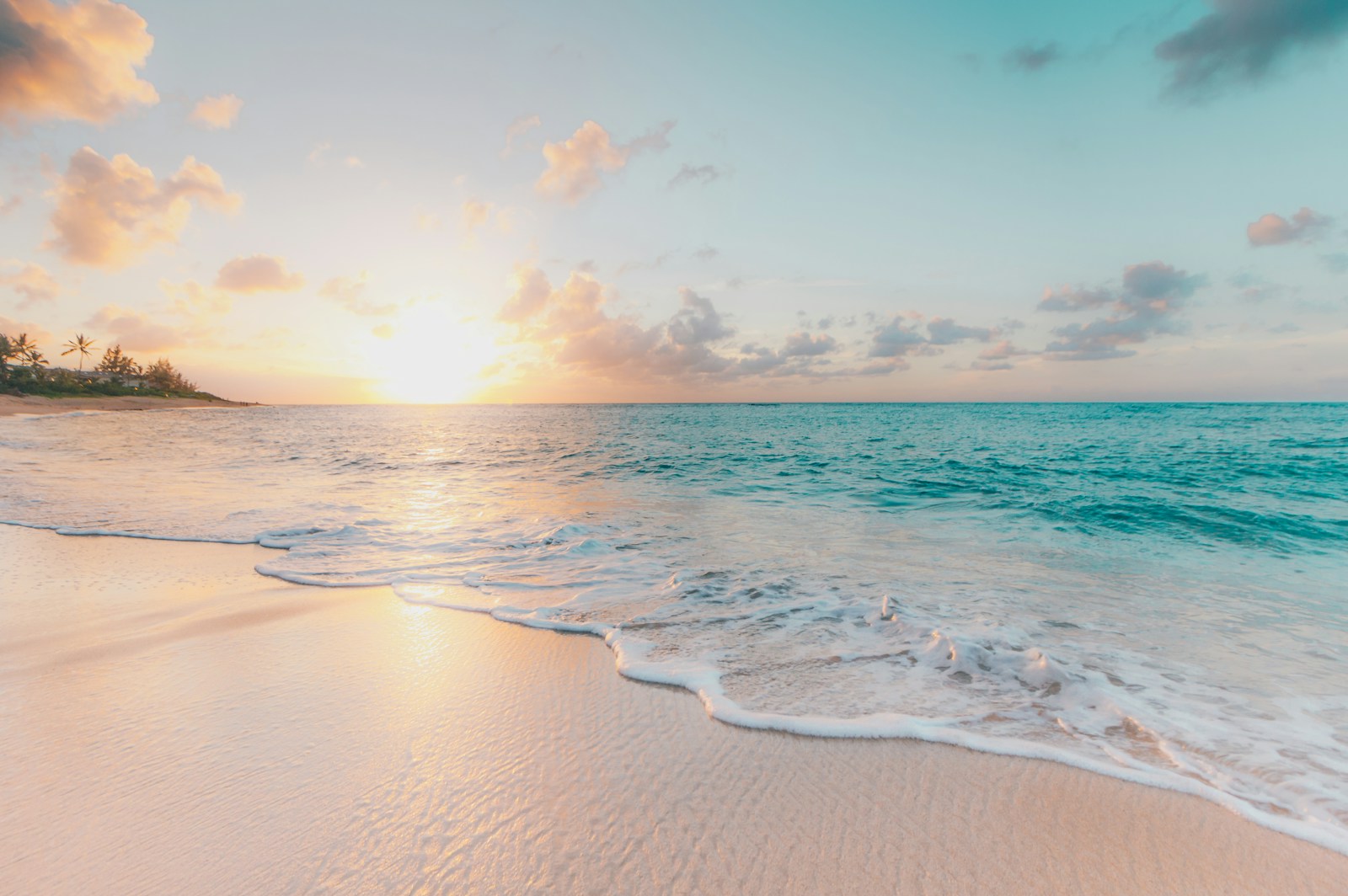
Carved into the eastern shore of Baja California Sur, Bahía Concepción stretches for over thirty kilometres of scalloped coves, mangrove-fringed inlets, and beaches of such pristine beauty that they seem to belong to a travel poster from before the world discovered Mexico's Pacific coast. This vast, shallow bay — one of the largest on the Baja peninsula — is sheltered by a spine of volcanic hills that create a microclimate of near-perpetual sunshine, warm turquoise waters, and a tranquillity that the mega-resort developments further south have long since sacrificed.
The character of Bahía Concepción is one of magnificent simplicity. There are no luxury hotels along its shores, no jet-ski concessions, no nightclub strips. Instead, a series of small, named playas — Santispac, El Coyote, El Requesón, Playa Buenaventura — offer stretches of pale sand lapped by water so calm and clear that it functions as a natural swimming pool. At Playa El Requesón, a sand spit connects the beach to a small island at low tide, creating one of the most photographed landscapes in all of Baja.
The cuisine of the Bahía Concepción area is shaped by the astonishing marine productivity of the Sea of Cortez, which Jacques Cousteau famously called "the world's aquarium." Chocolate clams — almejas chocolatas, named for their dark shells — are harvested from the sandy shallows and served raw with lime and chilli, or grilled in their shells with garlic butter. Fish tacos at beachside palapas feature the morning's catch — triggerfish, cabrilla, or yellowtail — battered and fried to golden perfection, topped with cabbage, crema, and salsa verde.
The bay's warm, shallow waters support extraordinary marine life. Snorkelling reveals gardens of sea fans and hard corals inhabited by king angelfish, Moorish idols, and juvenile whale sharks during certain seasons. Kayakers paddle alongside pods of bottlenose dolphins, and the surrounding desert hillsides — studded with cardon cacti that tower over twenty metres — host roadrunners, ospreys, and the occasional coyote silhouetted against the sunset. Whale watching excursions to nearby Loreto access the calving grounds of grey whales in Magdalena Bay.
Bahía Concepción is located along Mexico's Transpeninsular Highway (Highway 1), approximately 130 kilometres south of the town of Mulegé and fifty kilometres north of Loreto, which has a small international airport. Expedition cruise ships anchor in the bay and tender passengers to shore. The best time to visit is November through April, when temperatures are warm but not oppressive and whale season is in full swing. Summer months bring intense heat that can exceed forty degrees Celsius.

