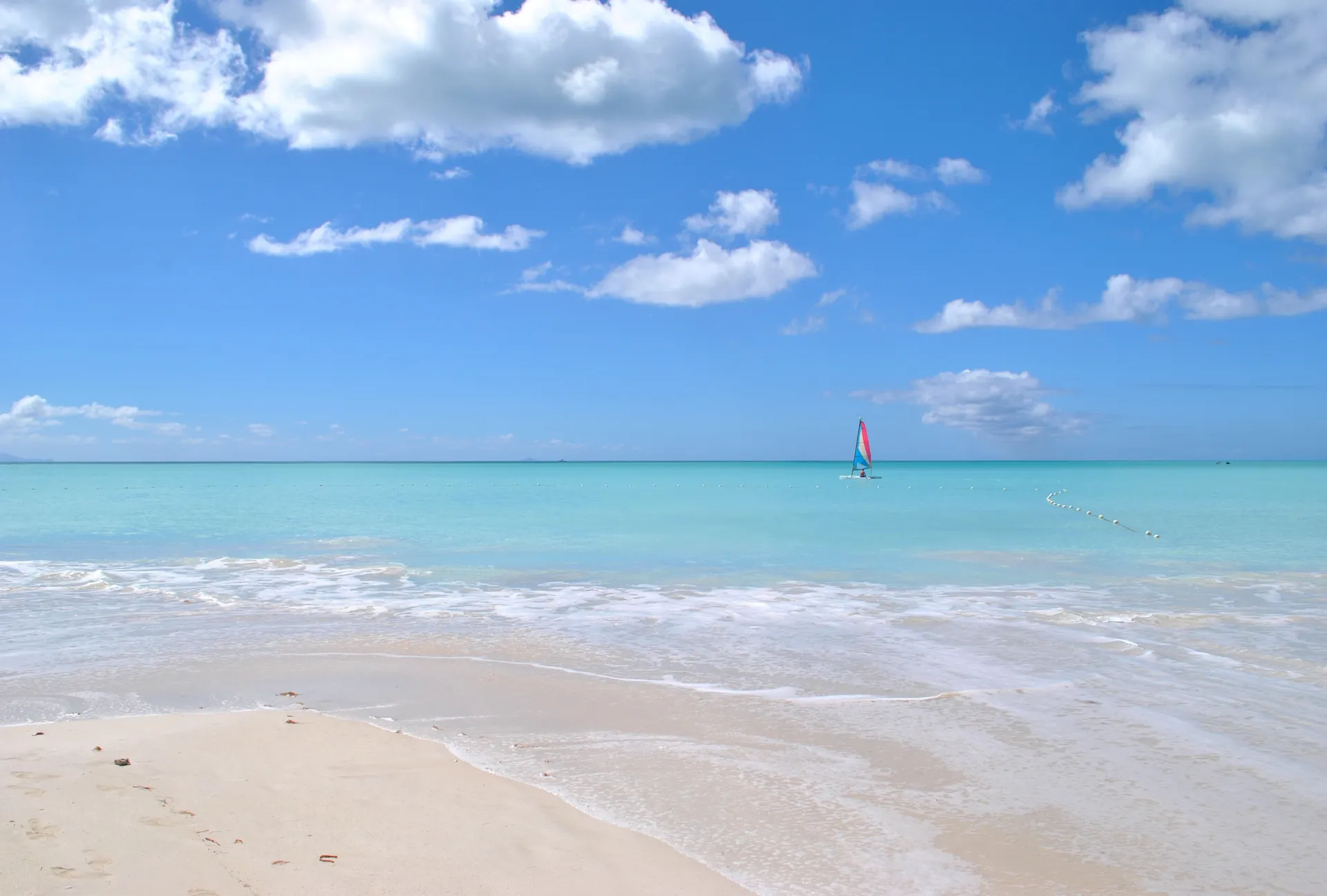
Where the Yucatán Peninsula extends its limestone arm into the warm embrace of the Gulf of Mexico, Progreso has served as a vital maritime gateway since its founding in 1856, when Yucatecan merchants sought a modern alternative to the shallow colonial port of Sisal. By the late nineteenth century, its iconic stone pier — stretching over six kilometres into the turquoise shallows, one of the longest in the world — became the artery through which henequen fibre, the "green gold" that once made Mérida one of the wealthiest cities in the Americas, flowed to markets across the Atlantic. Today that same remarkable pier welcomes a different kind of vessel, carrying travellers drawn not by commerce but by the profound allure of one of Mexico's most culturally layered coastlines.
Progreso itself possesses a breezy, unhurried character that belies the depth of civilisation at its doorstep. The malecón unfurls along a powdery white shoreline where fishing pangas bob beside pelicans, and weathered seafood stalls sit comfortably alongside freshly renovated beach clubs with rooftop terraces overlooking the jade-green Gulf. Pastel-painted facades line the streets behind the waterfront, their shuttered windows hinting at the architectural refinement of the Porfirian era, when henequen wealth transformed the entire region. It is a port town that has never aspired to flash, preferring instead the quiet confidence of a place that knows precisely what it has to offer.
And what it offers, above all, is flavour. The kitchens of Progreso and its hinterland produce some of Mexico's most distinctive cuisine — dishes born from the marriage of ancient Maya traditions and centuries of Lebanese, Dutch, and Spanish influence. Seek out cochinita pibil, the iconic slow-roasted pork marinated in achiote and sour orange, wrapped in banana leaves and cooked underground in a pib earth oven until the meat yields at the mere suggestion of a fork. Sample papadzules, corn tortillas bathed in a vivid green pepita sauce and filled with hard-boiled egg, finished with a drizzle of tomato-habanero oil. At the better mezcalerías in nearby Mérida, sip artisanal Oaxacan mezcal alongside salbutes — crispy fried tortillas crowned with shredded turkey, pickled red onion, and avocado — and understand why Yucatecan gastronomy stands as a world apart from what most travellers imagine when they think of Mexican food.
The true magnificence of this region, however, reveals itself beyond the port. Forty minutes inland, Mérida enchants with its grand Paseo de Montejo, a boulevard of Belle Époque mansions that rivals any European promenade, and the extraordinary Gran Museo del Mundo Maya, which houses over a thousand artefacts spanning three millennia. An excursion to Chichén Itzá, the UNESCO World Heritage Site and one of the New Seven Wonders of the World, places you before the mathematically perfect pyramid of Kukulcán, where the equinox shadow of the feathered serpent still descends the northern staircase each spring. The fortified colonial city of Campeche, further along the coast, offers its own UNESCO-listed historical centre of candy-coloured ramparts and baroque churches, while the quieter archaeological sites of Uxmal and Dzibilchaltún reward those who prefer their ruins without the crowds.
Progreso's deep-water pier accommodates the world's most respected cruise lines with seamless efficiency. Azamara positions calls here as part of intimate Caribbean and Gulf itineraries that prioritise extended port time, allowing passengers to venture well beyond the waterfront. Celebrity Cruises and Carnival Cruise Line both feature Progreso on Western Caribbean routes, offering curated shore excursions to Chichén Itzá, cenote swimming experiences, and Mérida walking tours. Disney Cruise Line brings families to the pier as well, pairing the archaeological wonders of the Yucatán with the kind of onboard storytelling that transforms a history lesson into an adventure. Regardless of the vessel, Progreso delivers something rare in the Caribbean cruise landscape: a port where the hinterland outshines the waterfront, where every road inland leads to another layer of astonishing civilisation.

