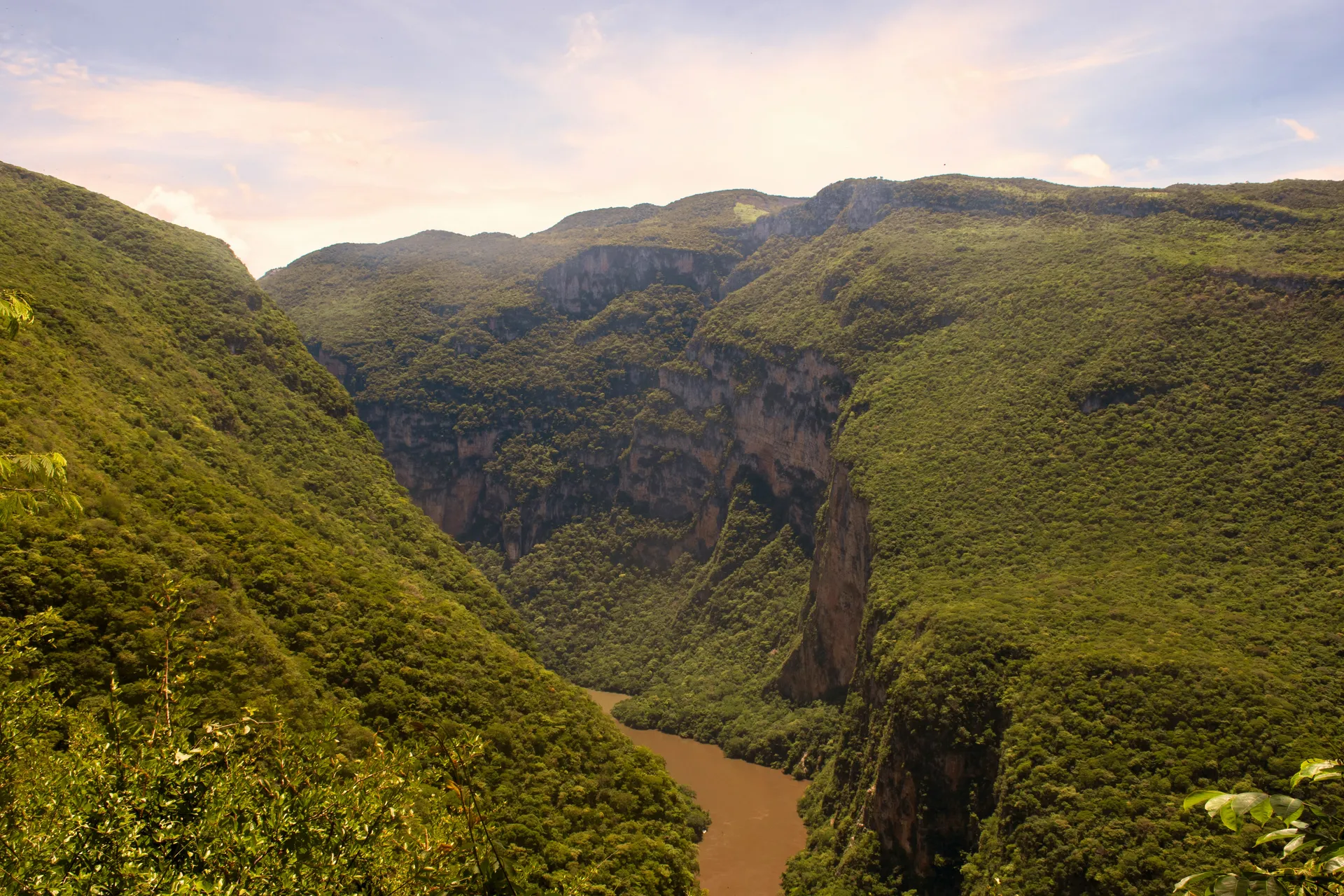
Central America occupies a geographical position of extraordinary consequence—a slender bridge of land connecting two continents, washed by two oceans, and harboring within its modest dimensions a concentration of biological and cultural diversity that seems almost extravagant. Puerto Chiapas, Mexico, reflects this improbable richness, offering visitors a destination where pre-Columbian history, colonial heritage, and the exuberant natural world converge in ways that are consistently surprising and deeply rewarding.
The southernmost port on Mexico’s Pacific coast, Puerto Chiapas is named for the state in which it is located. It is relatively new, built in 1975, and is the primary hub from which the region’s agricultural goods, including coffee, are sent abroad. For travelers arriving by cruise ship, the town of Puerto Chiapas is a jumping-off point to explore surrounding areas, including Tapachula, the second-largest city in the state of Chiapas. In addition to visiting the coffee estates and banana and cacao plantations of the area, day trips include excursions to Maya sites such as Izapa.
The immediacy of Puerto Chiapas is one of its most striking qualities. Step ashore and you are enveloped by an atmosphere of tropical intensity—the fragrance of flowering trees, the brilliant plumage of birds that seem to have been designed by an artist with unlimited access to primary colors, and a warmth of climate and community that dissolves the reservations of even the most cautious traveler. The built environment tells stories of civilizations ancient and colonial, while the surrounding natural landscape—whether volcanic, coastal, or forested—provides a backdrop of almost theatrical drama.
Central American cuisine rewards the adventurous palate with flavors that are simultaneously bold and nuanced. Fresh seafood prepared with tropical fruits and indigenous herbs, tortillas whose simplicity conceals generations of accumulated skill, beans and rice elevated through regional technique to something approaching art, and tropical drinks that combine sweetness with unexpected complexity—the culinary experience here is authentic, generous, and impossible to replicate at home. Market visits reveal the raw materials in all their colorful abundance and provide some of the most genuine interactions available to visitors.
Nearby destinations including Huatulco (Santa María Huatulco), Mérida and Campeche provide rewarding extensions for those whose itineraries allow further exploration. The surrounding landscape offers experiences that range from the culturally profound to the physically exhilarating. Rainforest canopy tours, volcanic hikes, wildlife sanctuaries harboring species found nowhere else, and archaeological sites that predate European contact by centuries provide day-trip options that could occupy a week. Coastal areas offer snorkeling and diving in waters whose clarity and marine diversity rank among the region's finest natural assets.
What distinguishes Puerto Chiapas from comparable ports is the specificity of its appeal. Although not as well known as some of the Maya sites of southern and eastern Mexico, such as the UNESCO World Heritage Site Chichén Itzá, Izapa is impressive nonetheless. In addition to its interesting location—it sits along a river and is aligned with a volcano (the sixth-tallest mountain in Mexico)—archaeologists have found numerous stelae and evidence that it was the largest Maya site in Chiapas. While in the area, don’t miss the opportunity to sample the cuisine of Chiapas, which is influenced heavily by the Maya. These details, often overlooked in broader surveys of the region, constitute the authentic texture of a destination that reveals its true character only to those who invest the time to look closely and engage directly with what makes this particular place irreplaceable.
Holland America Line features this destination on its carefully curated itineraries, bringing discerning travelers to experience its singular character. The most comfortable visiting conditions typically prevail December through April, during the dry season when skies are clearest and seas are calmest. Lightweight clothing, quality insect repellent, and sturdy footwear for nature excursions are essential. Travelers should bring a sense of adventure and the understanding that Central America's greatest treasure is not any single sight or experience but the cumulative effect of engaging with a region where life is lived with conspicuous warmth and vivid color.

