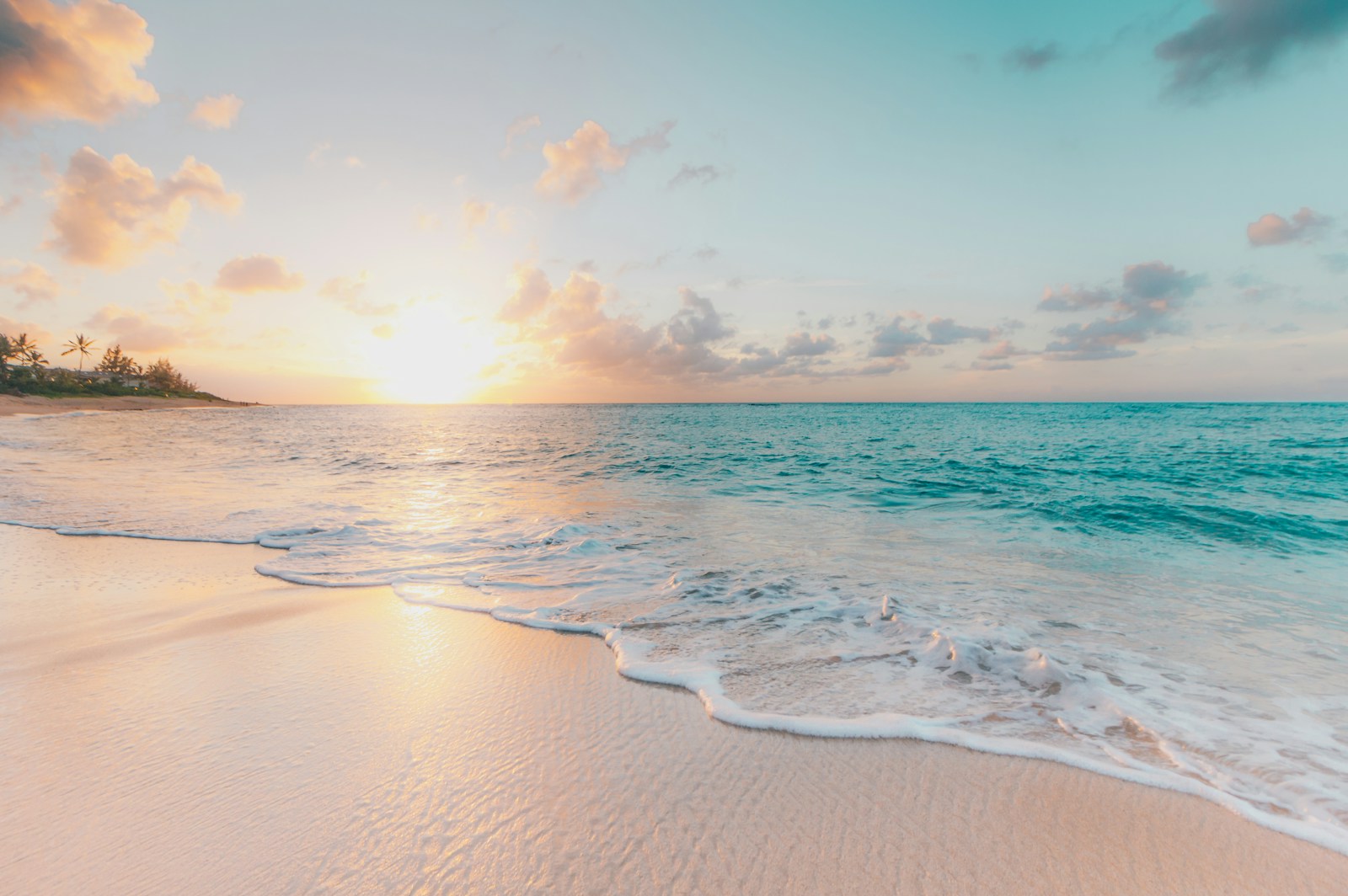
Puerto Madero occupies the southernmost stretch of Mexico's Pacific coast, where the state of Chiapas meets Guatemala in a landscape of mangrove-fringed lagoons, shrimp farms, and the broad, palm-lined beaches that face the open Pacific with a languor that reflects the region's unhurried pace of life. The port itself — a small commercial and fishing harbour — serves as the maritime gateway to Chiapas, Mexico's most culturally complex and geographically dramatic state, whose Maya ruins, colonial cities, and cloud forests lie just hours inland from the humid coastal plain.
The immediate surroundings of Puerto Madero are defined by water. The Encrucijada Biosphere Reserve, one of Mexico's most important wetland ecosystems, protects 144,868 hectares of mangrove forest, seasonal marshes, and coastal lagoons that constitute a critical habitat for migratory birds, nesting sea turtles, and the caiman that patrol the brackish waterways with prehistoric patience. Boat tours through the mangrove channels reveal a world of extraordinary biological richness: roseate spoonbills, wood storks, and the magnificent frigatebird with its inflated red throat pouch are among the 294 bird species recorded in the reserve, while the mangrove root systems shelter juvenile fish, crabs, and the shrimp that support the local fishing economy.
The true treasures of a Puerto Madero port call lie inland. Tapachula, the regional capital just 30 kilometres north, is a prosperous coffee and cacao city whose Soconusco region produces some of Mexico's finest single-origin chocolate — the ancient Maya considered cacao the food of the gods, and the Izapa archaeological site near Tapachula preserves one of the earliest known representations of the Maya creation myth. Further inland, the colonial city of San Cristóbal de las Casas, perched at 2,200 metres in the Chiapas highlands, is one of Mexico's most atmospheric towns — its cobblestone streets, Baroque churches, and Tzotzil and Tzeltal Maya communities creating a cultural experience of extraordinary depth.
Chiapan cuisine is Mexico's most diverse and least internationally known regional food tradition. Tamales de chipilín — steamed corn masa stuffed with the indigenous chipilín herb and cheese — are the state's signature preparation, sold at markets and street corners throughout the region. Cochito horneado (slow-roasted pork seasoned with a complex recado of dried chiles, herbs, and achiote) is the celebratory dish of the Chiapas coast, while tascalate — a cold drink made from toasted corn, cacao, achiote, and cinnamon — represents the pre-Hispanic beverage tradition at its most delicious. The Soconusco cacao, processed at small-batch chocolate workshops in Tapachula, produces bars of remarkable complexity that are beginning to gain recognition in the international craft chocolate world.
Puerto Madero's port facilities can accommodate cruise ships, with passengers disembarking for organised excursions into the Chiapas interior. The best time to visit is during the dry season from November through April, when the roads to the highland destinations are most reliable and the coastal humidity is at its most bearable. The wet season from May through October brings afternoon thunderstorms and lush green landscapes, but can also bring flooding to the coastal lowlands. For cruise passengers, Puerto Madero represents an unconventional but richly rewarding gateway to one of Mexico's most culturally and ecologically significant regions.

