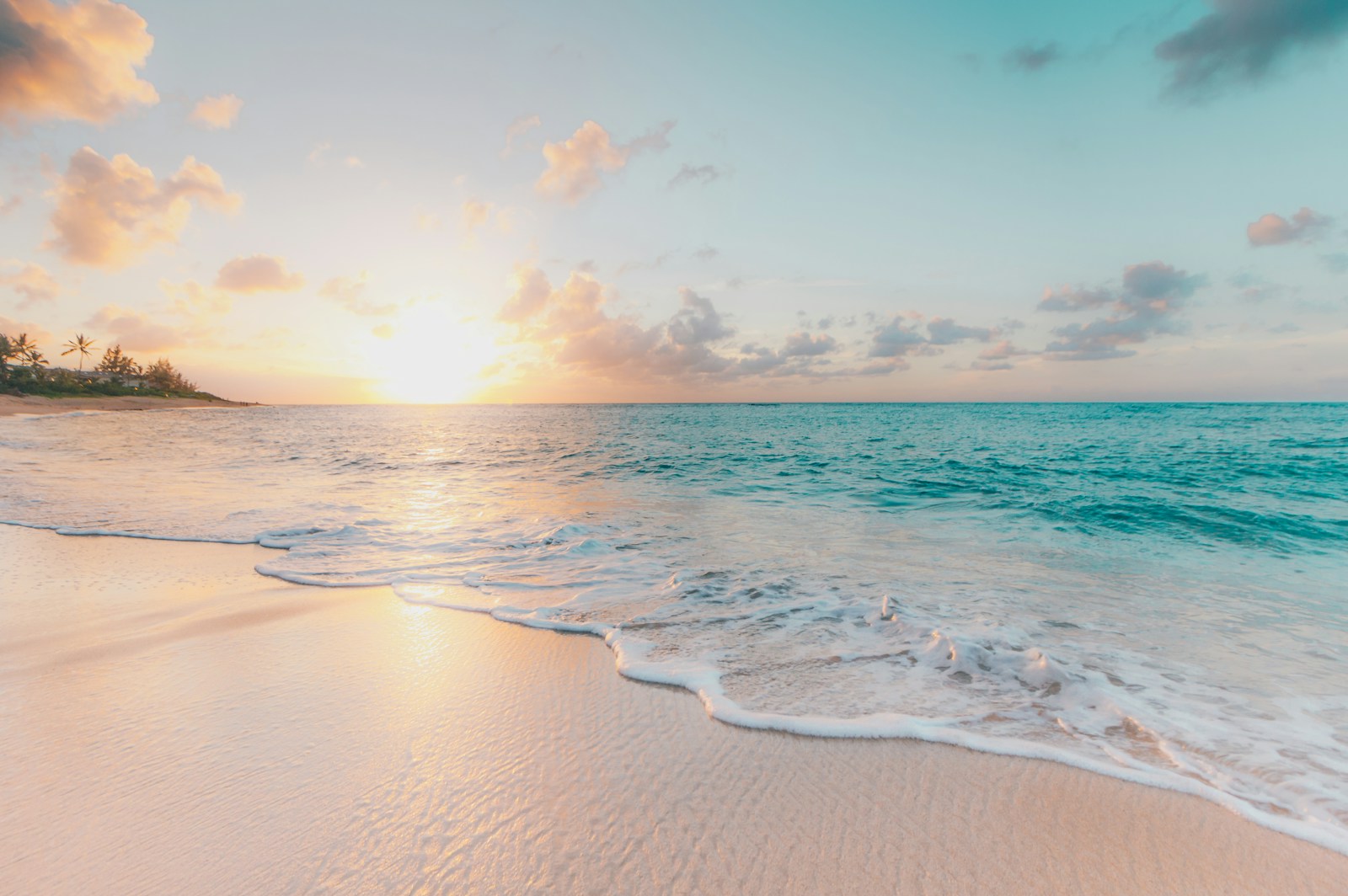
One thousand kilometres south of Pohnpei, at the remote extremity of the Federated States of Micronesia, Kapingamarangi Atoll floats in the Pacific like a necklace of green dropped on an infinite blue tablecloth. This tiny atoll — just thirty-three islets arranged around a shallow lagoon — is one of the most isolated inhabited places on Earth and one of only two Polynesian outliers in Micronesia, its people speaking a Polynesian language and maintaining cultural traditions more closely related to Samoa and Tonga than to their Micronesian neighbours. The atoll's total land area is barely 1.1 square kilometres, yet it supports a community of approximately 500 people whose relationship with the ocean defines every aspect of their existence.
The character of Kapingamarangi is defined by its extreme isolation and the intimacy of its island environment. The highest point on any islet barely exceeds two metres above sea level, making the atoll entirely dependent on coconut palms for shade, construction material, and food. The lagoon, enclosed by the ring of islets and reef, provides the sheltered water that serves as highway, fishing ground, and playground for a community that has adapted to life on a sliver of coral surrounded by thousands of miles of open ocean. The village on Touhou islet, the largest and most densely populated, presents a scene of compact Pacific Island life — thatched meeting houses, outrigger canoes drawn up on the lagoon shore, and children swimming in water so shallow and clear that every fish and coral head is visible from above.
Life on Kapingamarangi revolves around fishing and the coconut. The lagoon provides a reliable supply of reef fish, while the deeper waters beyond the atoll yield tuna and other pelagic species caught by traditional methods. Coconut is omnipresent — its water drunk fresh, its meat eaten raw or grated into cooking sauces, its oil used for everything from cooking to cosmetics, and its shells and husks repurposed as fuel, containers, and tools. The wood carvers of Kapingamarangi are renowned throughout Micronesia for their delicate work, producing miniature canoes, fish figures, and ceremonial objects from breadfruit wood and coconut shell that are traded and sold far beyond the atoll.
The marine environment surrounding Kapingamarangi is pristine by any global standard. The outer reef drops away into deep oceanic water, creating a wall of coral that supports an ecosystem largely untouched by commercial fishing or development. Sharks patrol the passes where tidal currents flow between the lagoon and the open sea. Inside the lagoon, the shallow, sun-warmed water supports coral gardens of remarkable diversity, and the visibility is extraordinary — forty metres or more is common, revealing the full architecture of the reef in all its complexity.
Kapingamarangi is accessible only by ship — there is no airport, and the supply vessel from Pohnpei makes the journey only a few times per year. Expedition cruise ships occasionally include the atoll on Pacific crossing itineraries, and these rare visits represent the primary opportunity for outsiders to experience this remarkable community. The best conditions for visiting are from January through April, when the trade winds bring drier weather and calmer seas. Visitors should approach with deep respect for local customs, including the presentation of gifts to community leaders and sensitivity to the fragility of an ecosystem and a culture that exist in precarious balance on a tiny speck of coral in the vast Pacific.

