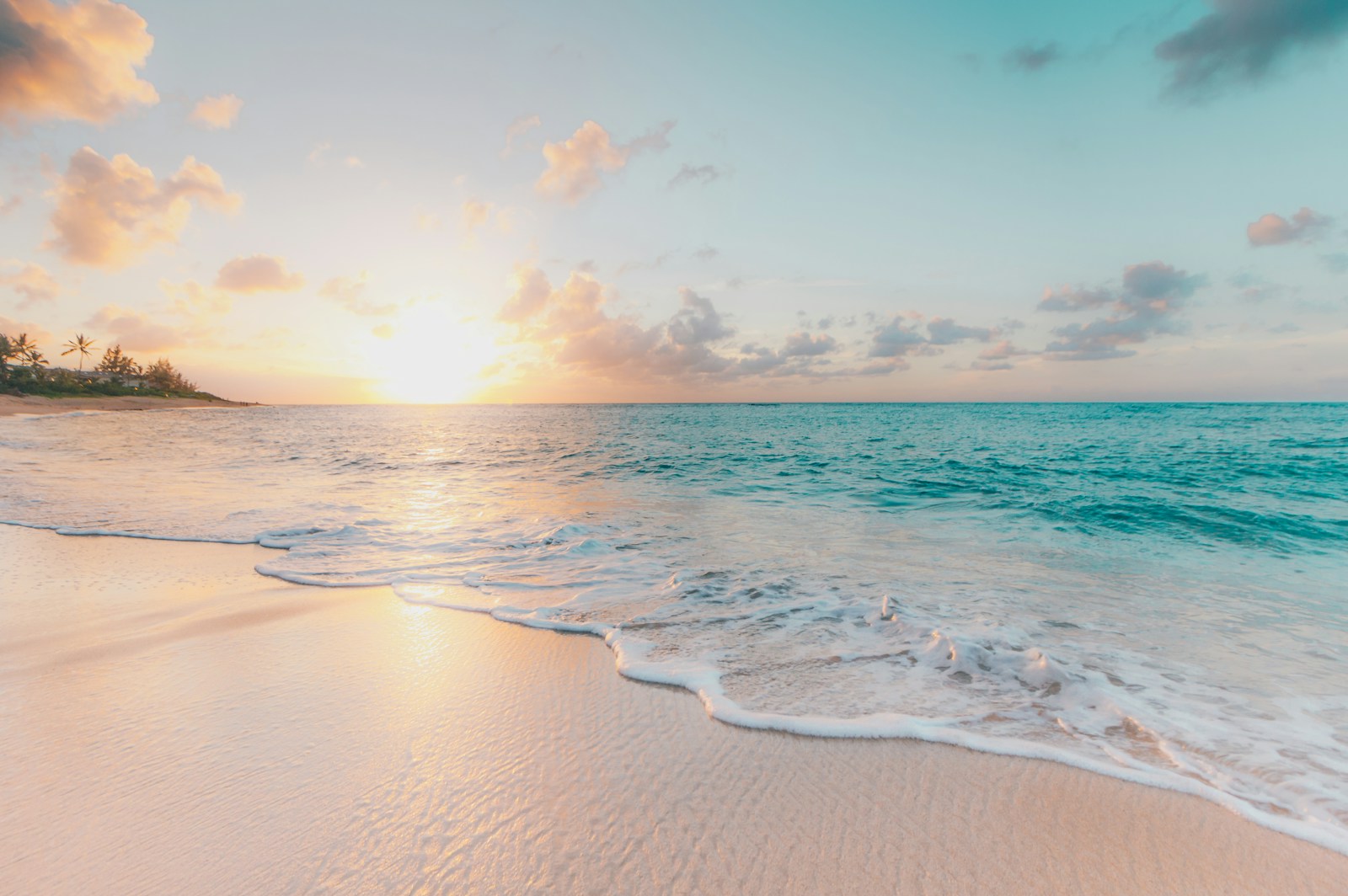
In the vast blue emptiness of the western Pacific, a thousand kilometers southwest of Guam, the tiny atoll of Pulap rises barely three meters above the ocean surface — a speck of coral, sand, and coconut palms that is home to one of the last communities in the world where traditional Polynesian-Micronesian navigation is still practiced as a living art. The people of Pulap, part of the Federated States of Micronesia's Chuuk State, maintain a navigational tradition that guided their ancestors across thousands of kilometers of open ocean without instruments — using only the stars, ocean swells, cloud formations, and the flight patterns of birds.
Traditional navigation — known as pwo in the Carolinian islands — represents one of humanity's most remarkable intellectual achievements. Navigators memorize a mental star compass of over thirty rising and setting star positions, read the patterns of ocean swells to determine direction and proximity to land, and interpret the behavior of seabirds, phosphorescent organisms, and cloud formations to maintain their course across featureless ocean. The training takes years of intensive study under a master navigator, and the tradition was nearly lost in the twentieth century before a cultural renaissance, partly inspired by the Polynesian Voyaging Society's work with the canoe Hōkūle'a, revitalized interest among younger generations.
Pulap's physical environment is characteristic of low-lying Pacific atolls — a narrow ring of coral islets enclosing a shallow lagoon, the highest point barely above the reach of storm waves. Breadfruit trees, taro patches, and coconut palms provide the staple foods, supplemented by the extraordinary bounty of the surrounding reef and ocean. The lagoon supports a healthy coral ecosystem, and the reef drop-off provides fishing grounds where tuna, wahoo, and other pelagic species are caught using traditional handline techniques from outrigger canoes.
Life on Pulap moves to rhythms set by the tides, the seasons, and the traditional calendar of ceremonies and clan obligations. The island's few hundred residents live in a communal society where resources are shared, decisions are made by consensus among clan leaders, and the ocean is regarded not as a barrier but as a highway connecting communities across the vast Carolinian island chain. The meeting houses, traditionally constructed from breadfruit timber and pandanus thatch, serve as both community centers and repositories of cultural knowledge.
Pulap is accessible only by expedition cruise vessel, inter-island trading ship, or small boat from Chuuk lagoon — there is no airstrip and no regular scheduled service. Expedition ships anchor in the lagoon or off the reef and use tenders for shore access. Visits require sensitivity to local customs and advance coordination with community leaders. The dry season from December through April generally offers the calmest conditions, though tropical weather can be unpredictable at any time. The opportunity to meet practitioners of one of humanity's oldest and most sophisticated navigational traditions makes the journey to this remote atoll a privilege of extraordinary rarity.

