Where the ancient walls of Stari Bar rise from a rocky promontory above olive groves that have witnessed a thousand years of conquest and commerce, the story of Montenegro's principal seaport begins. Founded as Antibarium during the Roman era and later contested by Byzantines, Venetians, and Ottomans, this Adriatic gateway has absorbed the architectural grammar of each civilization—leaving behind a palimpsest of fortifications, mosques, and Romanesque churches that few Mediterranean ports can rival. The ruins of the medieval citadel, abandoned after a devastating ammunition explosion in 1912, remain one of the Balkans' most atmospheric archaeological sites, where over 240 structures stand in silent testimony to centuries of layered habitation.
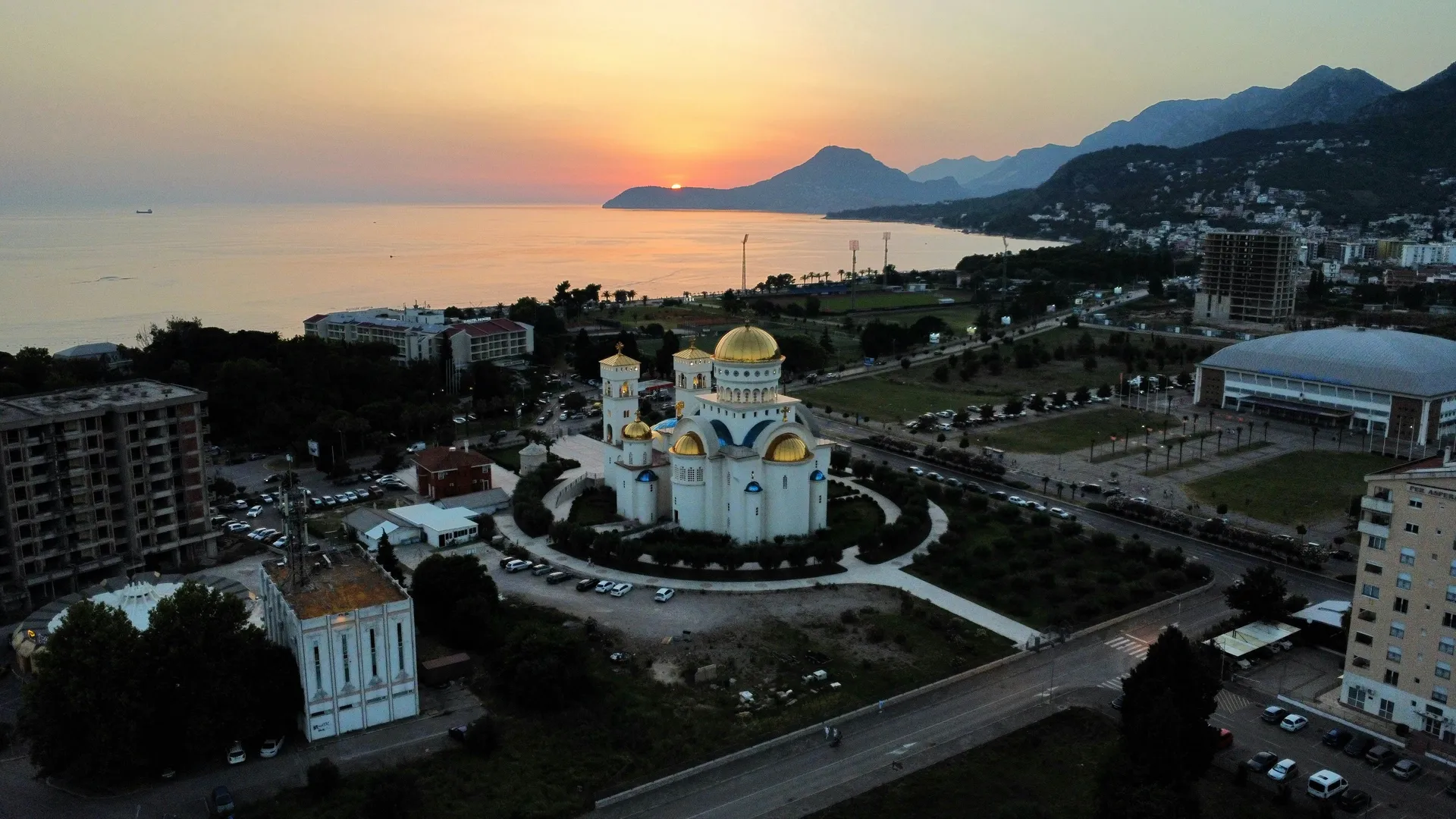
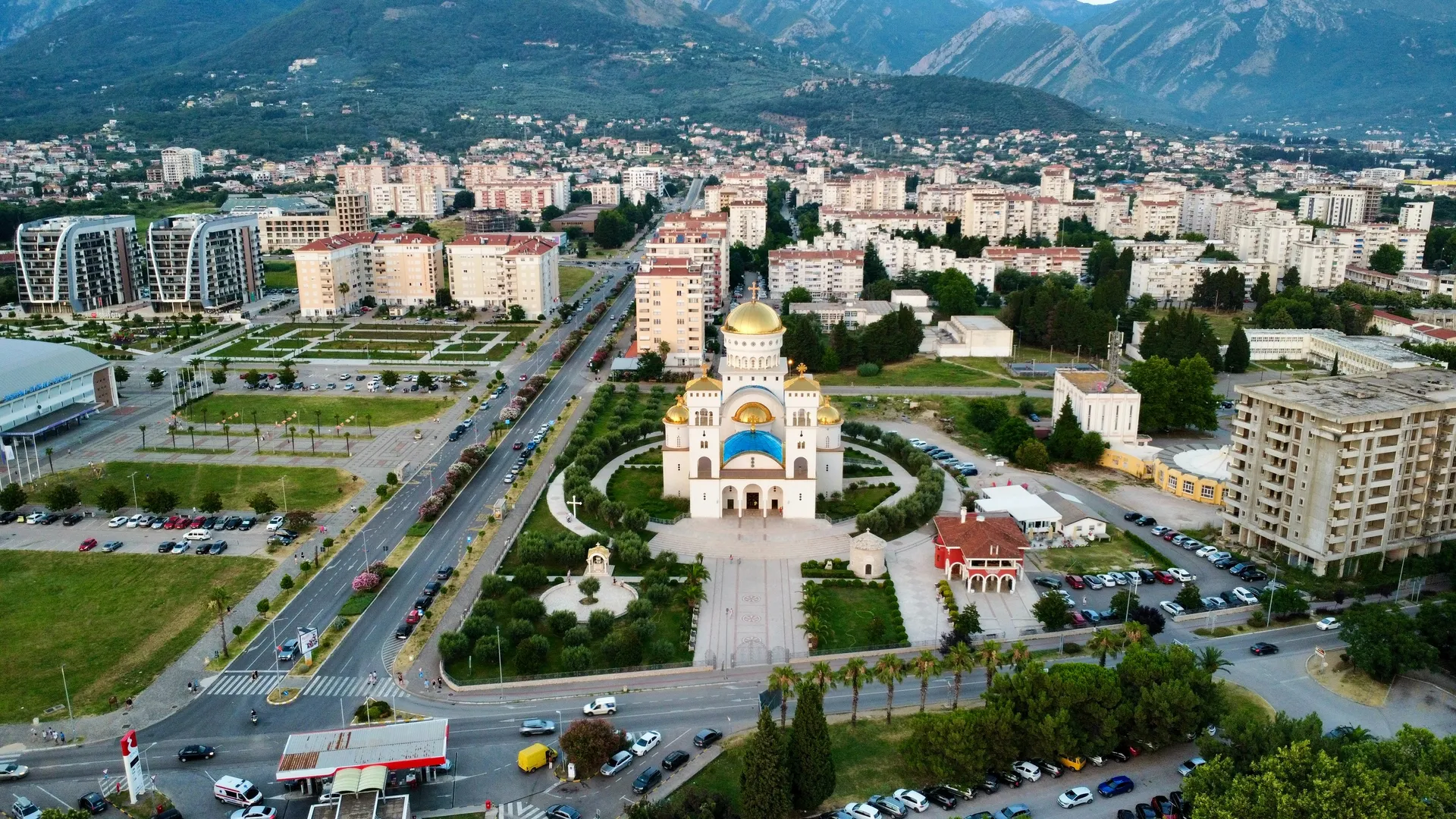
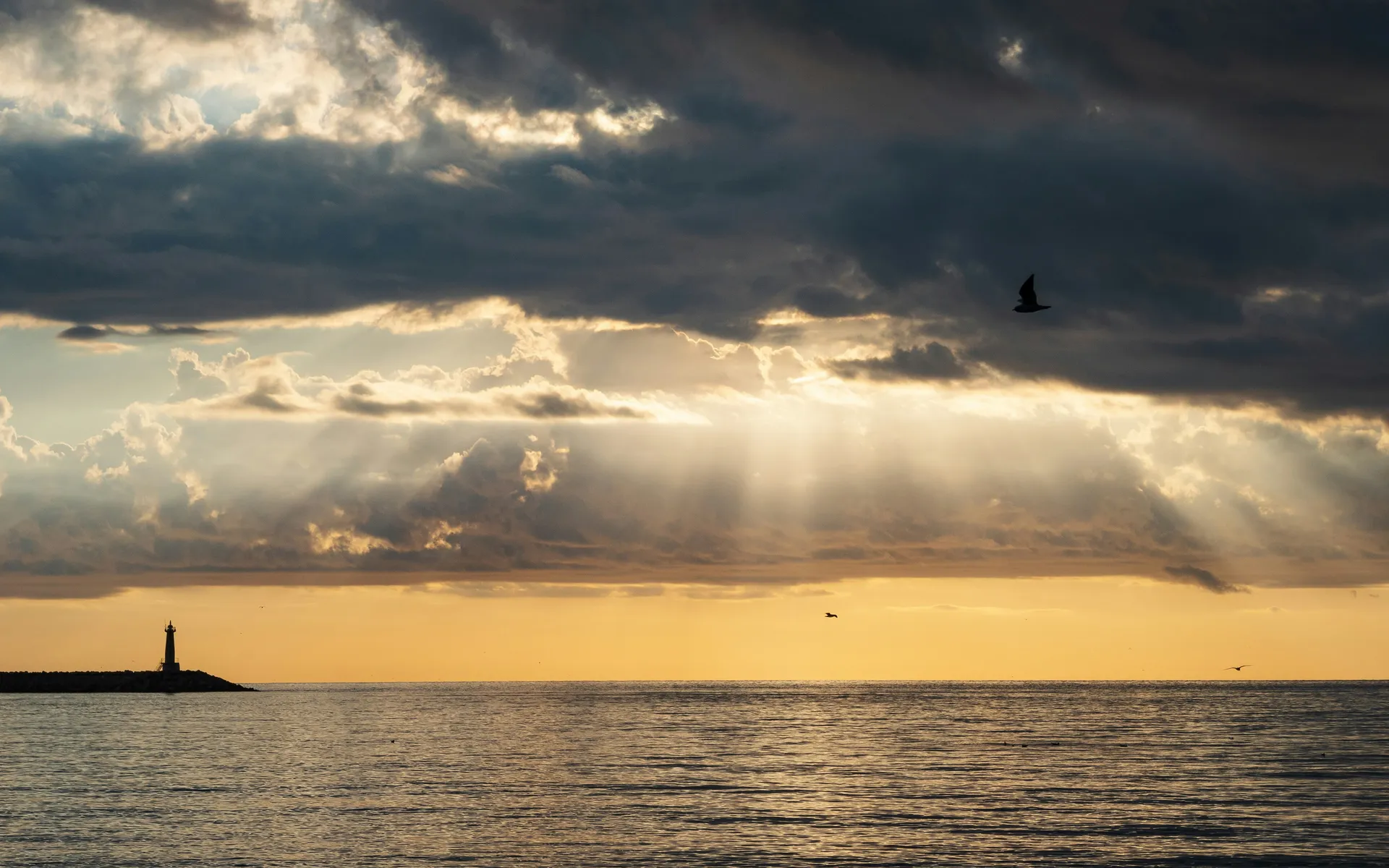
Modern Bar unfolds along 27 miles of Adriatic coastline with a languor that befits Montenegro's sunniest city—270 days of annual sunshine bathe its promenades, marinas, and nearly six miles of beach in a light so crystalline it renders the sea an almost theatrical shade of cerulean. The port town operates at two elevations: the contemporary waterfront district, where palm-lined boulevards and café terraces hum with the unhurried cadence of Mediterranean life, and Stari Bar, perched dramatically four kilometres inland and 370 metres above sea level. Between the two, terraced groves shelter what locals claim is one of Europe's oldest olive trees—the Stara Maslina, estimated at over two thousand years old and still bearing fruit, a living monument around which an annual olive festival unfolds each November.
The cuisine of Bar reflects its position at the crossroads of Slavic, Italian, and Ottoman culinary traditions with a directness that luxury travellers will find refreshing. Begin with *njeguški pršut*, the dry-cured ham from the mountain village of Njeguši, sliced paper-thin alongside *njeguški sir*, a semi-hard cheese aged in the smoky kitchens of stone farmhouses. The Adriatic delivers impeccably fresh *crni rižoto*—squid ink risotto enriched with local shellfish—while the Ottoman inheritance reveals itself in *ćevapi* and *burek*, savoury phyllo pastries stuffed with cheese or spinach. At waterfront *konoba* restaurants, order the catch of the day grilled whole over charcoal and finished with a drizzle of locally pressed olive oil, paired with a glass of Vranac, Montenegro's brooding, full-bodied red varietal grown on the sunbaked slopes of Lake Skadar's hinterland.
Bar's geographic position makes it an extraordinary base for exploring Montenegro's most celebrated landscapes. The medieval walled town of Kotor, a UNESCO World Heritage Site nestled within the fjord-like Bay of Kotor, lies a scenic drive northward along a coastline of vertiginous beauty. Further along the coast, the fortified charm of Herceg Novi—with its cascading bougainvillea and Austro-Hungarian promenades—offers a gentler, garden-draped counterpoint. For those drawn to dramatic altitude, the road climbs into the Dinaric Alps toward Žabljak and the primordial wilderness of Durmitor National Park, where glacial lakes known as *mountain eyes* mirror peaks that soar above 2,500 metres—a landscape so unspoiled it earned its own UNESCO designation.
As Montenegro's largest port, Bar welcomes a distinguished roster of cruise lines whose itineraries weave through the Adriatic's most coveted waters. Celebrity Cruises and Princess Cruises bring their signature blend of refined comfort to this stretch of coastline, while Hapag-Lloyd Cruises caters to discerning European travellers seeking expedition-style intimacy along the Montenegrin shore. AmaWaterways, renowned for its river voyages, extends its reach into these coastal waters with curated port experiences, and The Boat Company offers a more boutique, yacht-like passage for those who prefer their Adriatic discovery on an intimate scale. Each approaches Bar not as a mere waypoint but as a destination worthy of lingering—a sentiment the town itself seems designed to inspire.