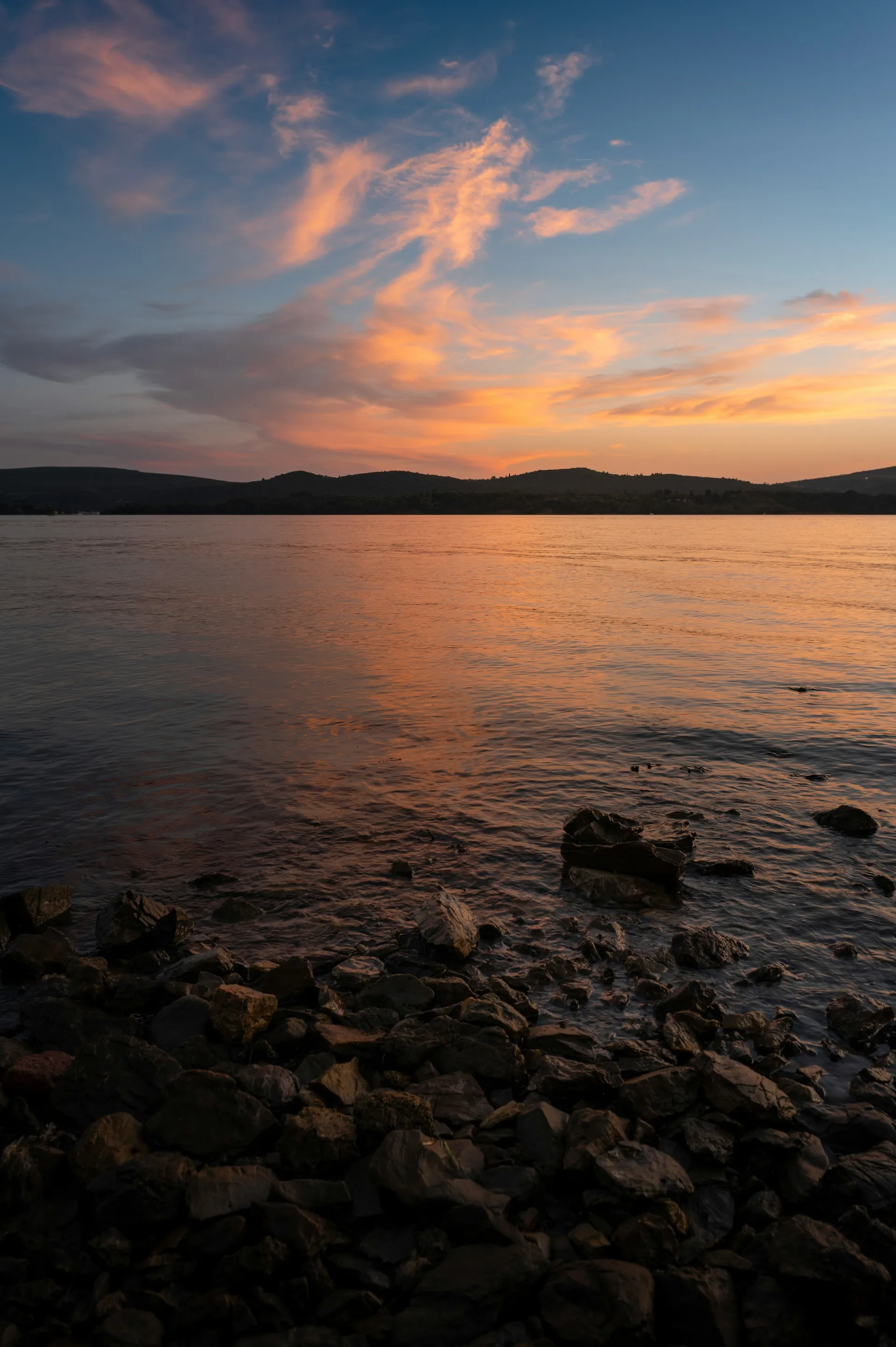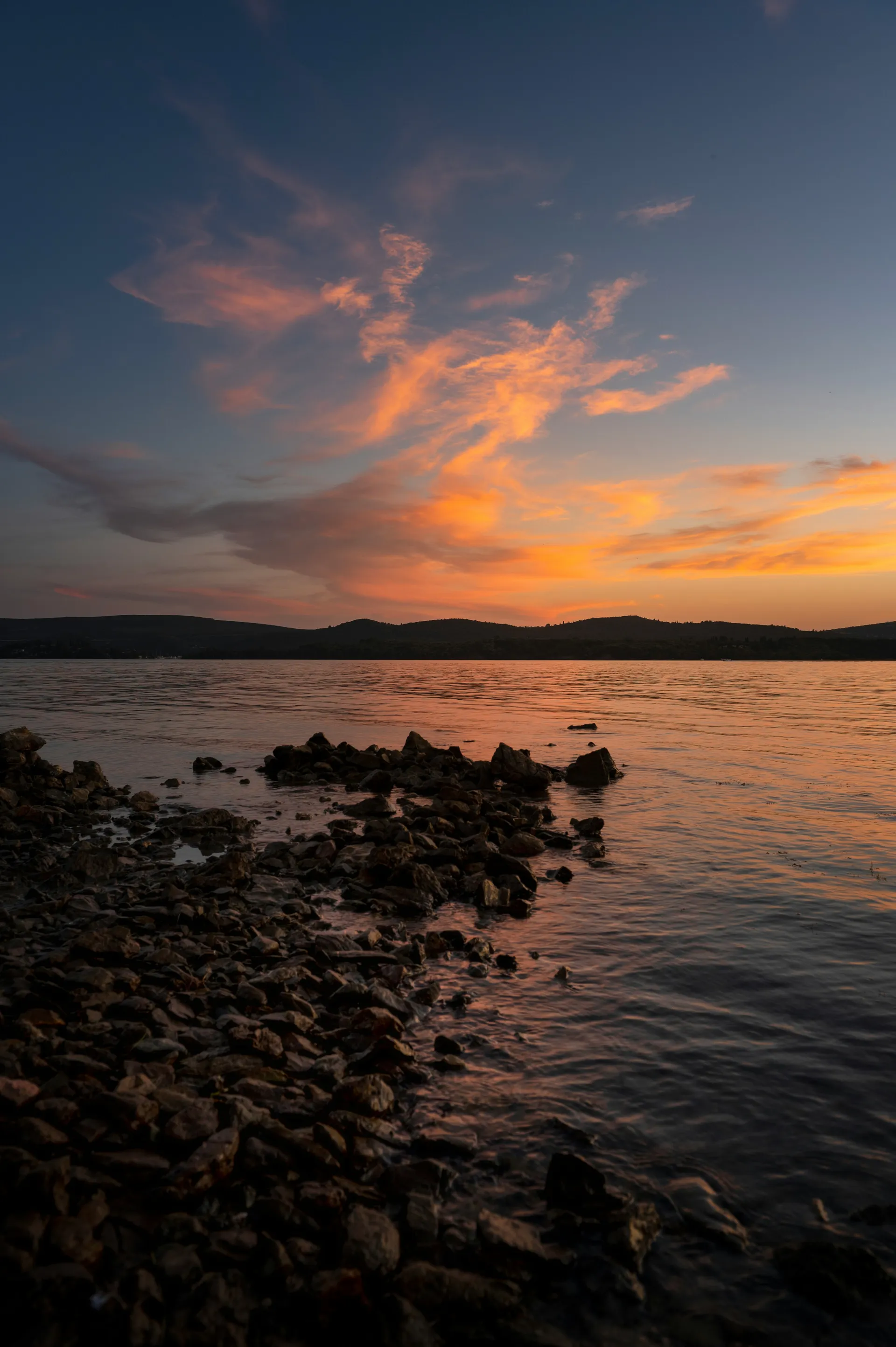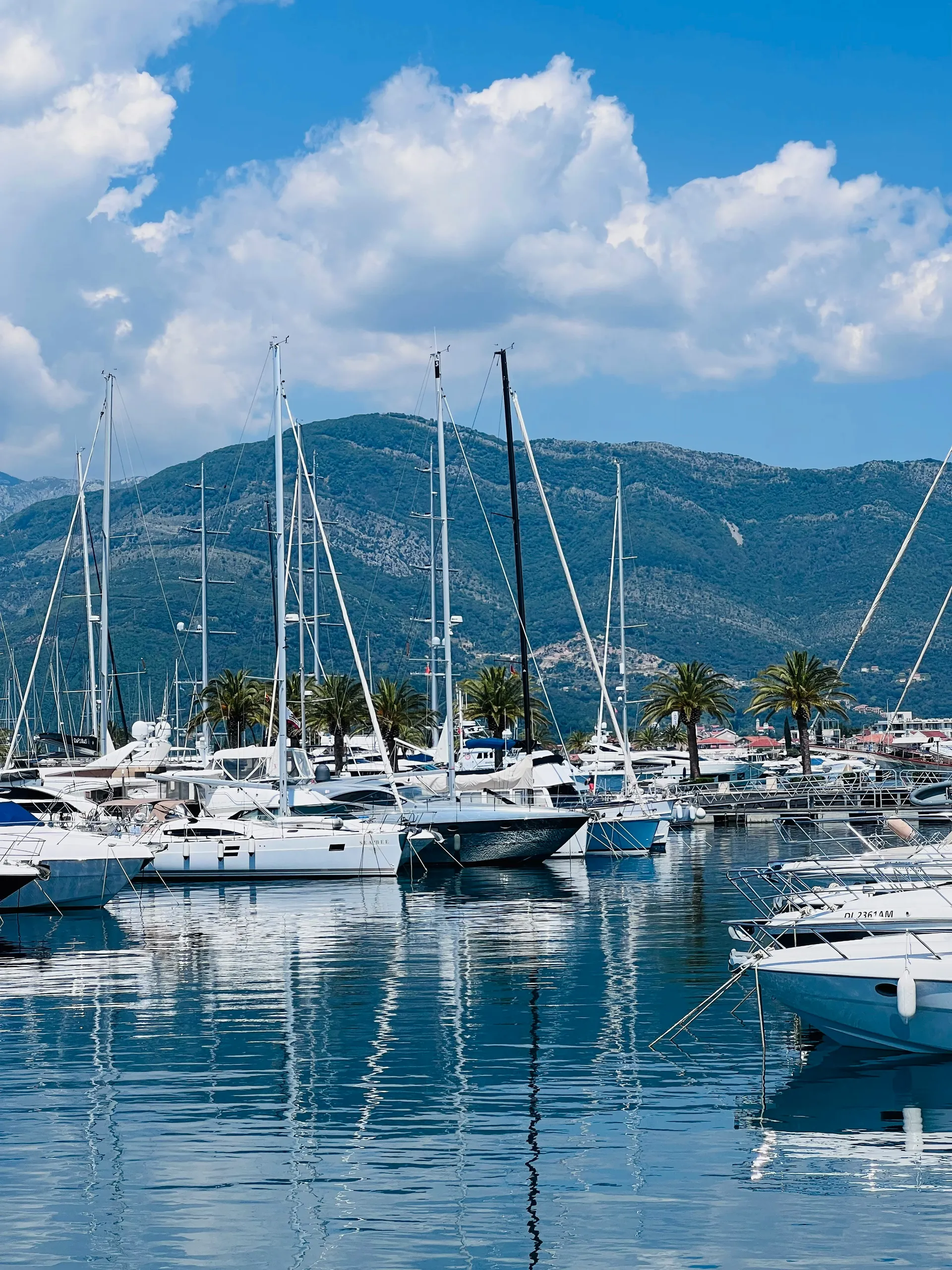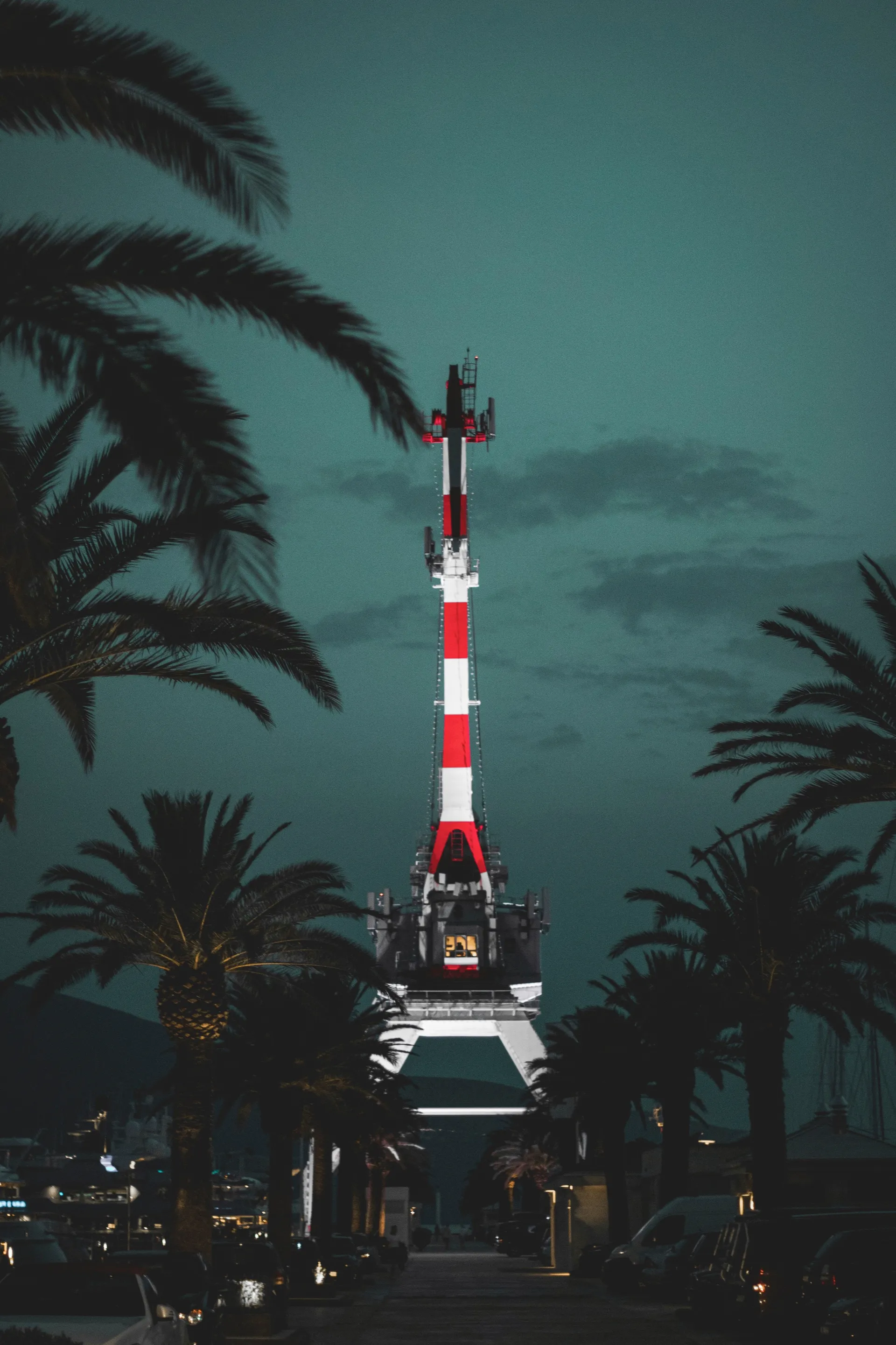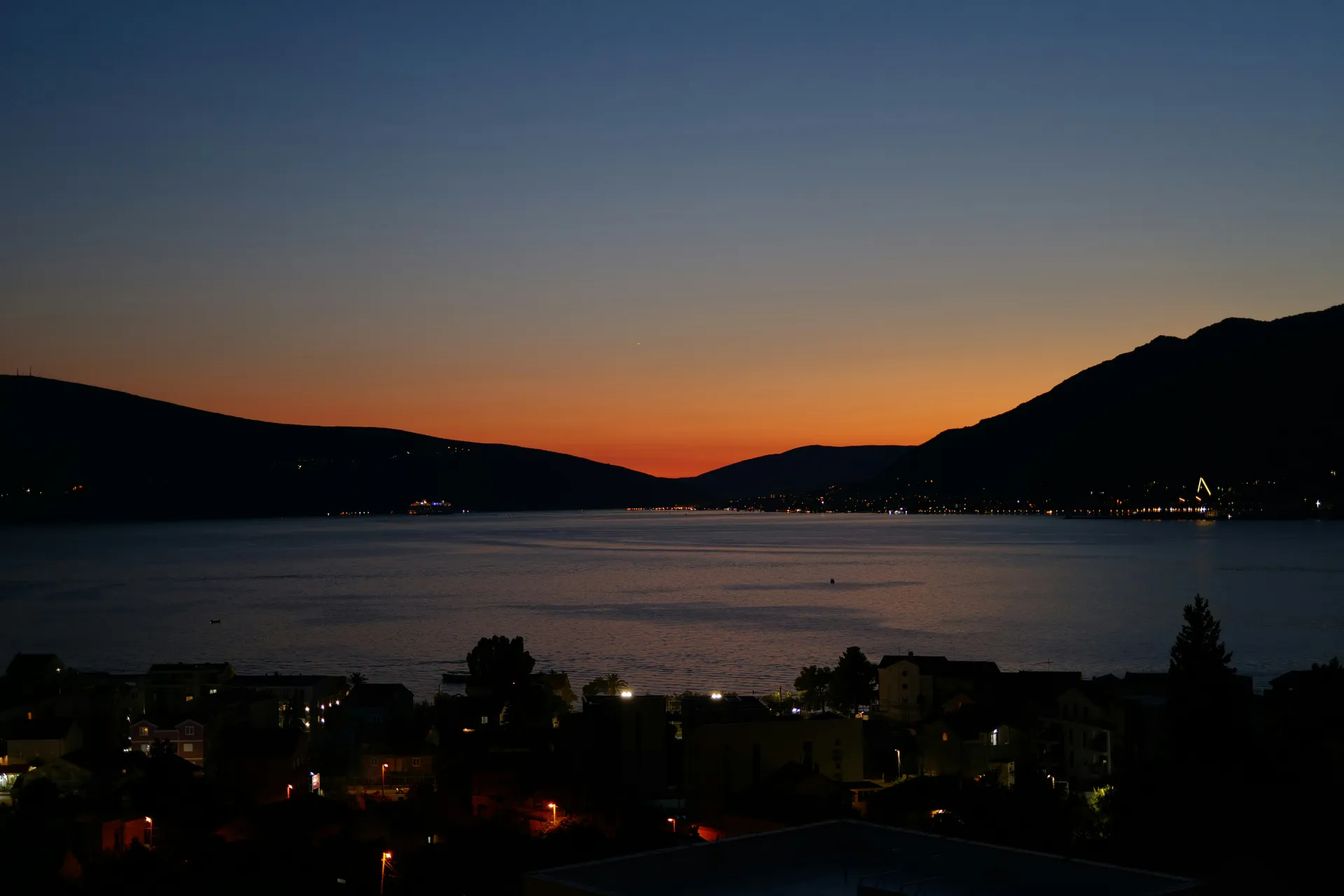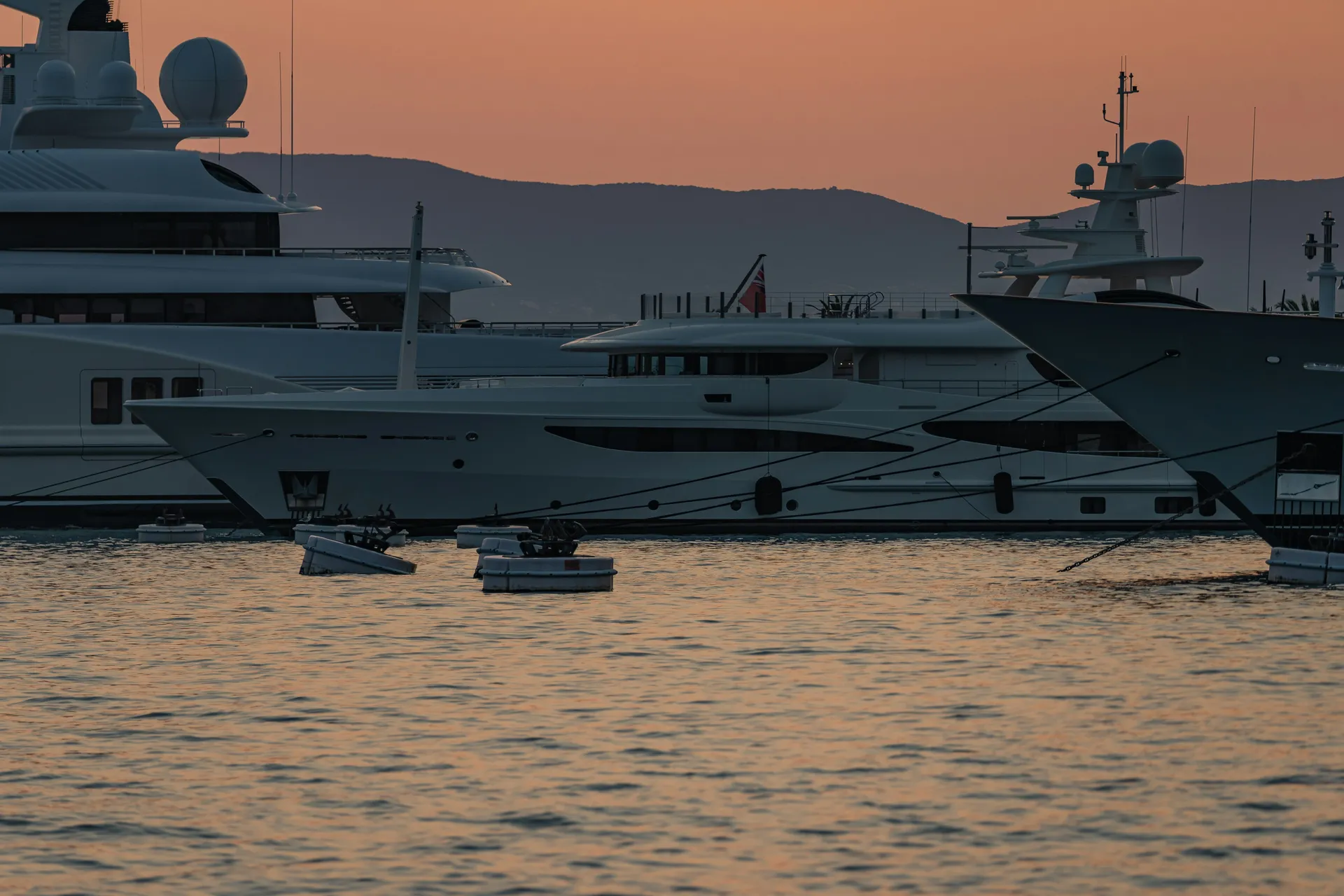
Nestled on the shores of the Bay of Kotor — a drowned river canyon that penetrates deep into the mountains of coastal Montenegro like a Norwegian fjord transported to the Mediterranean — Tivat has undergone one of the most remarkable transformations in European waterfront development. Where a Yugoslav naval shipyard once occupied the waterfront, Porto Montenegro now gleams: a superyacht marina and luxury village that has positioned this formerly overlooked town as one of the Adriatic's most glamorous destinations, while the Bay of Kotor's medieval towns and dramatic mountain scenery provide a backdrop of extraordinary natural and cultural richness.
The Bay of Kotor, or Boka Kotorska, is arguably the most spectacular natural harbor in the Mediterranean. The bay penetrates over 30 kilometers inland through a series of narrows and basins, its waters flanked by mountains that rise to over 1,700 meters with almost vertical abruptness. The effect is of a lake surrounded by Alps, yet the water is salty and the climate Mediterranean — a geographical paradox that creates scenery of breathtaking drama. The small town of Perast, clinging to the narrowest section of the bay, preserves a collection of Baroque palaces and churches that testify to its brief but glorious career as a maritime republic, while two artificial islands — Our Lady of the Rocks and St. George — sit in the bay like architectural jewels on a blue-velvet display.
Kotor, at the bay's innermost reach, is the region's cultural crown — a medieval walled city of extraordinary preservation tucked beneath sheer limestone cliffs. Its UNESCO-listed old town is an intimate labyrinth of marble-paved lanes, Romanesque churches, and Venetian palaces that recalls a smaller, less touristed Dubrovnik. The Cathedral of St. Tryphon, dating to 1166, houses relics and frescoes that span the medieval period, while the climb to the Fortress of San Giovanni — 1,350 steps ascending the cliff behind the town — rewards the effort with views across the entire bay system that are among the most dramatic in the Mediterranean.
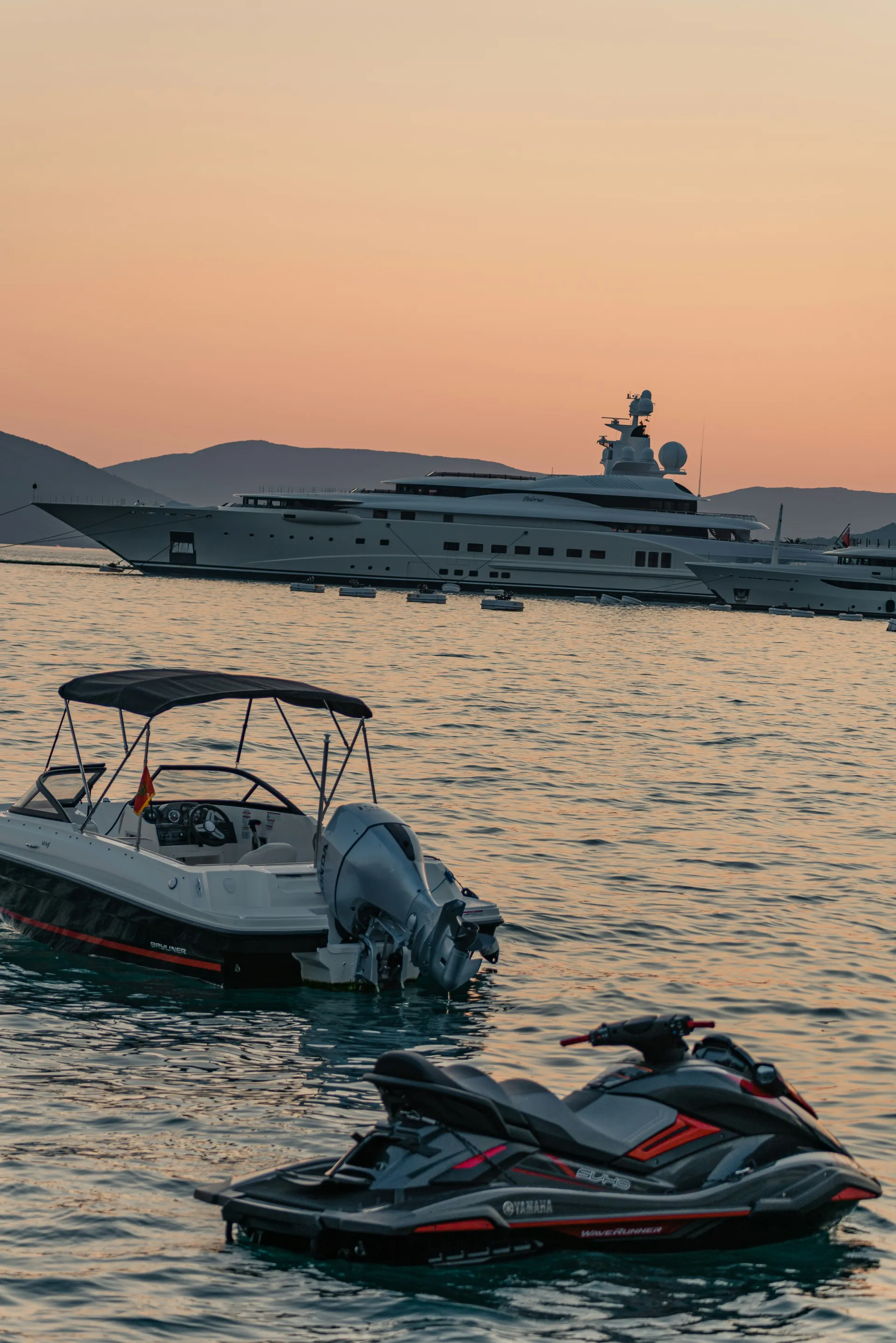
Porto Montenegro, Tivat's transformative development, occupies the former Arsenal naval base and has been designed to rival the yacht marinas of Monaco and Saint-Tropez while maintaining a distinctly Montenegrin character. The marina accommodates superyachts of up to 250 meters, and its surrounding village includes boutiques, restaurants, a naval heritage collection, and an elegant pool club — yet the setting, backed by mountains and opening onto the bay, gives it a grandeur that purpose-built marinas elsewhere in the Mediterranean cannot match. The surrounding town of Tivat offers a more authentic experience: the Buca Palace and its gardens, the churches of the old center, and the waterfront restaurants where the freshest Adriatic seafood is served at a fraction of Italian or Croatian prices.
Tivat's cruise terminal and Porto Montenegro marina provide excellent facilities for visiting vessels, with the town center immediately accessible on foot. The bay towns of Kotor and Perast are within 30 minutes by road or accessible by boat, and organized tours typically combine all three. The Mediterranean climate makes the bay enjoyable from April through November, with May-June and September-October offering the most pleasant temperatures for the challenging Kotor fortress climb. The combination of Porto Montenegro's contemporary luxury, Kotor's medieval gravitas, and the bay's overwhelming natural drama creates a port experience that is unique in the Adriatic — and one that leaves visitors wondering why Montenegro's coast is not yet as famous as it deserves to be.