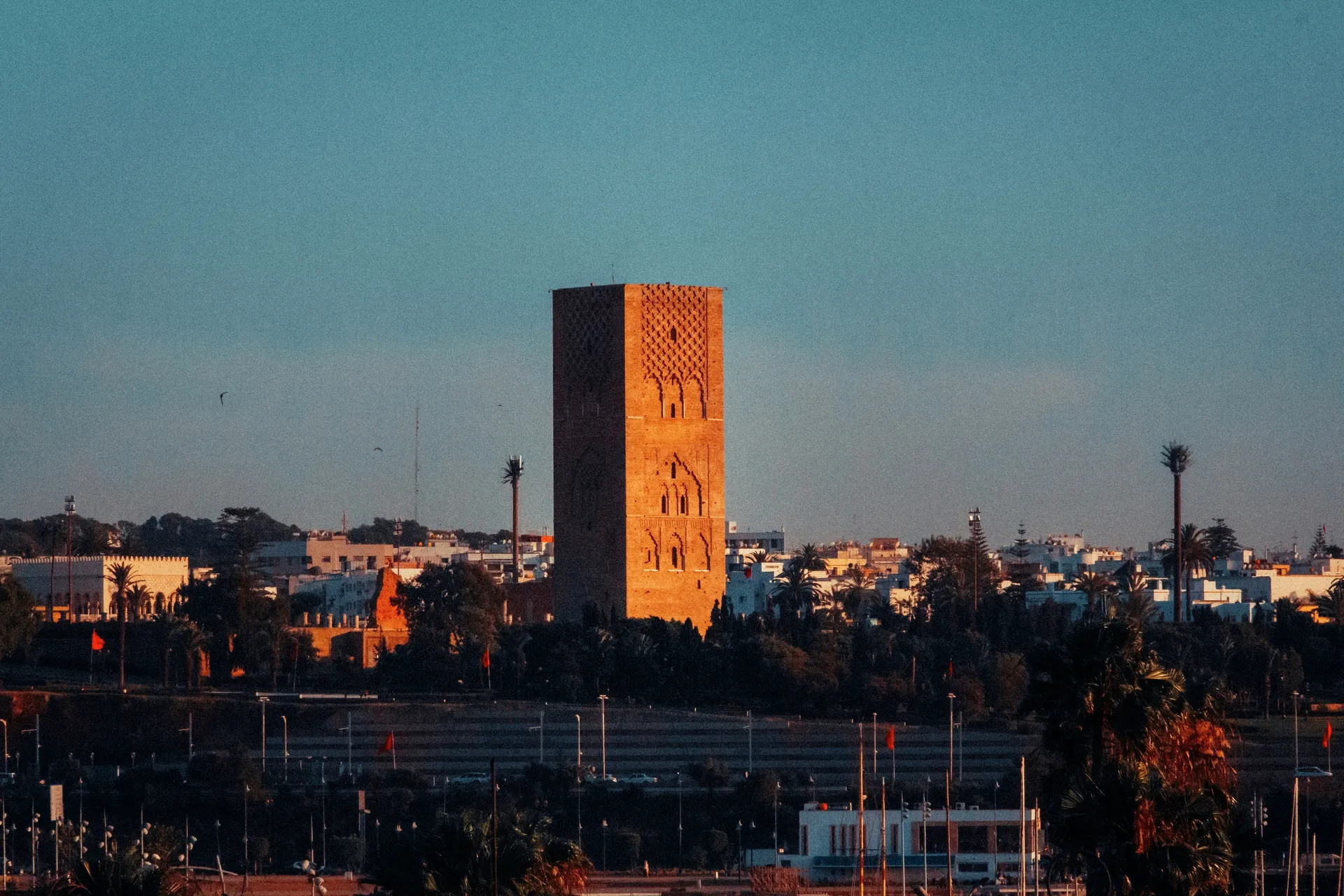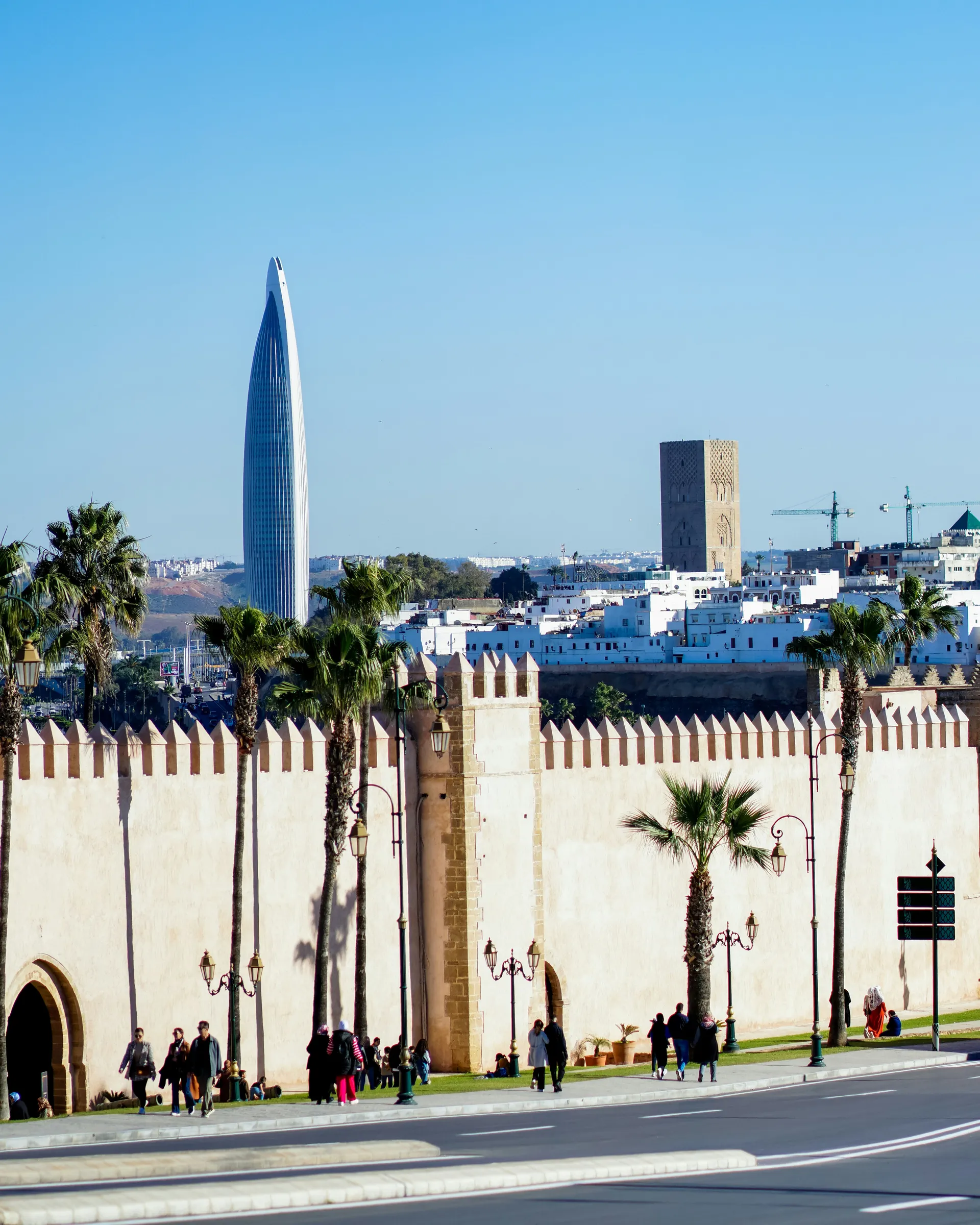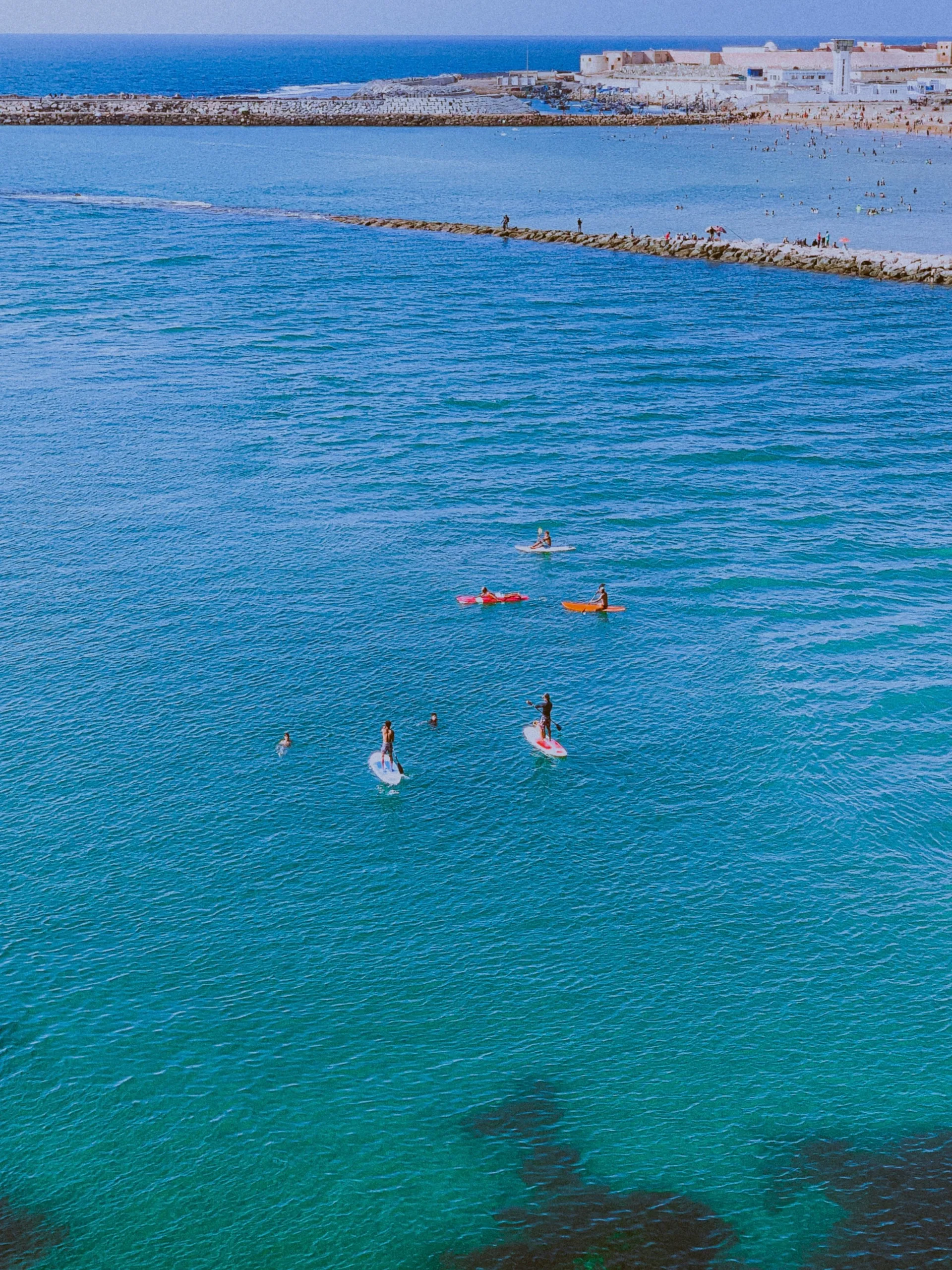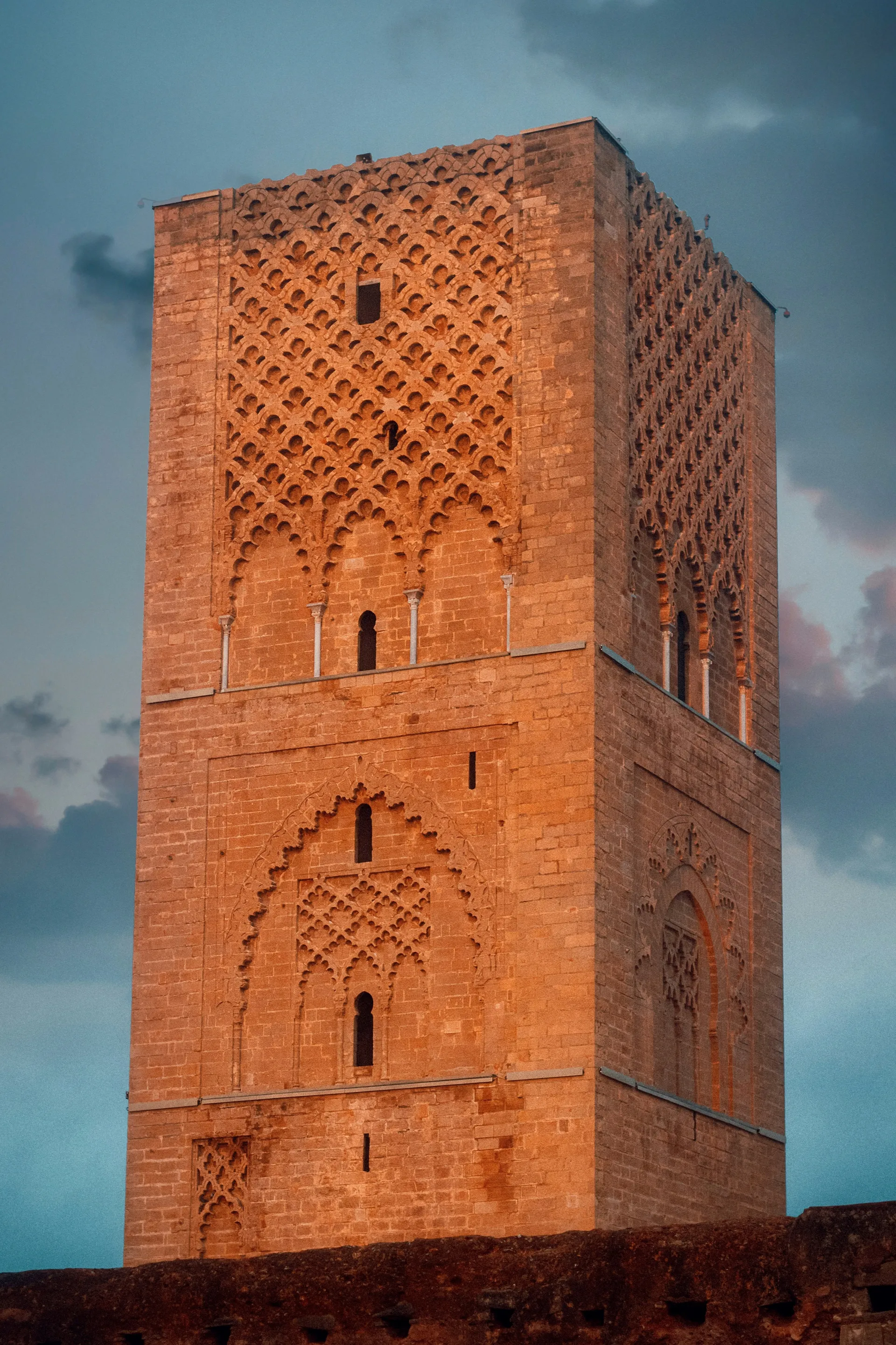
Rabat is the quieter capital—Morocco's administrative center and royal seat, a city that trades Marrakech's sensory overload for a composed elegance that reflects its status as home to the king. Situated at the mouth of the Bou Regreg River on the Atlantic coast, Rabat has been a center of power since the Almohad dynasty built the Hassan Tower in the twelfth century—an unfinished minaret intended for what would have been the largest mosque in the world. The tower still stands, surrounded by a field of broken columns, adjacent to the Mausoleum of Mohammed V, a masterpiece of modern Moroccan architecture whose white marble and green-tiled roof house the tombs of the nation's founding monarch and his sons.
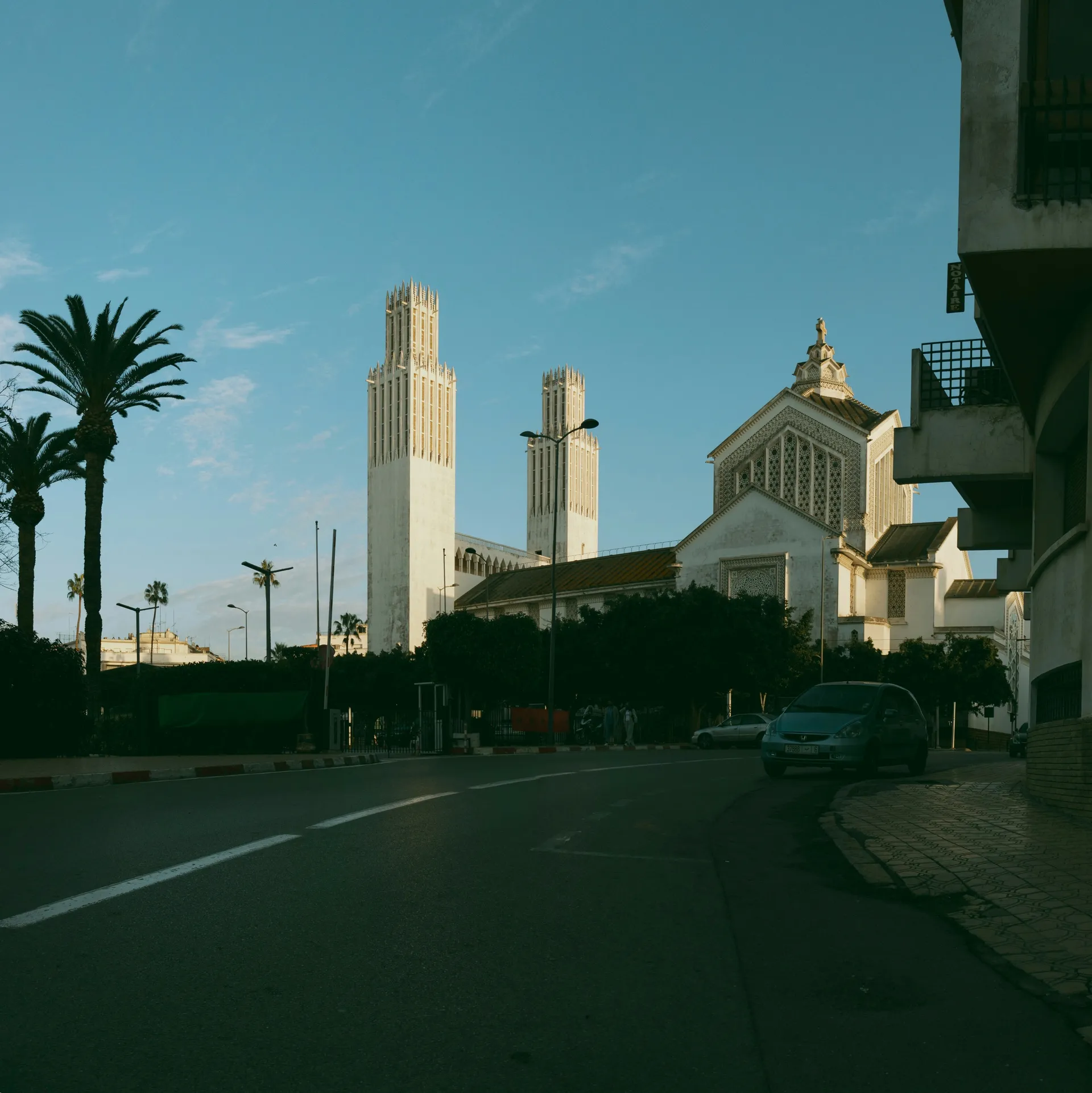
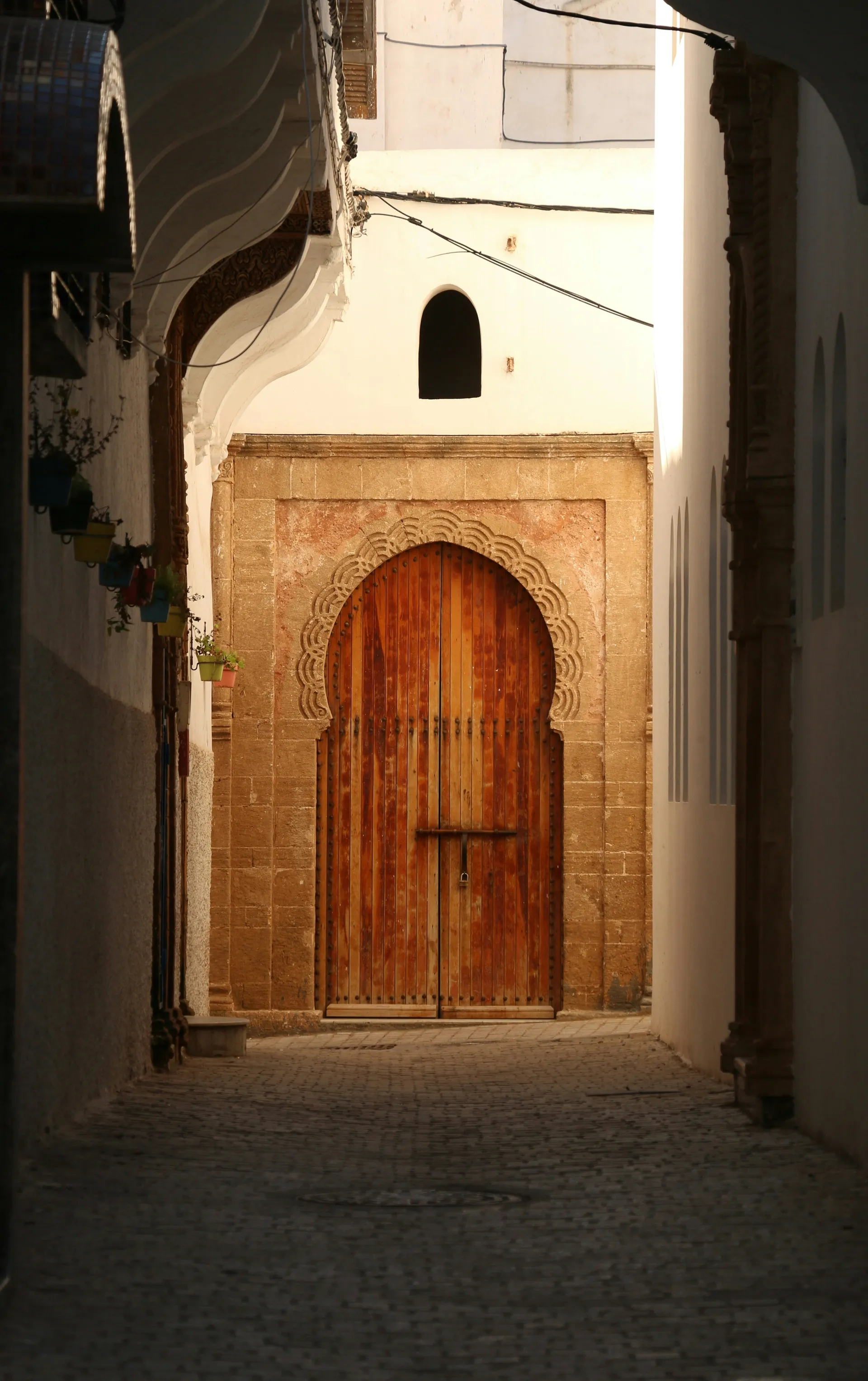
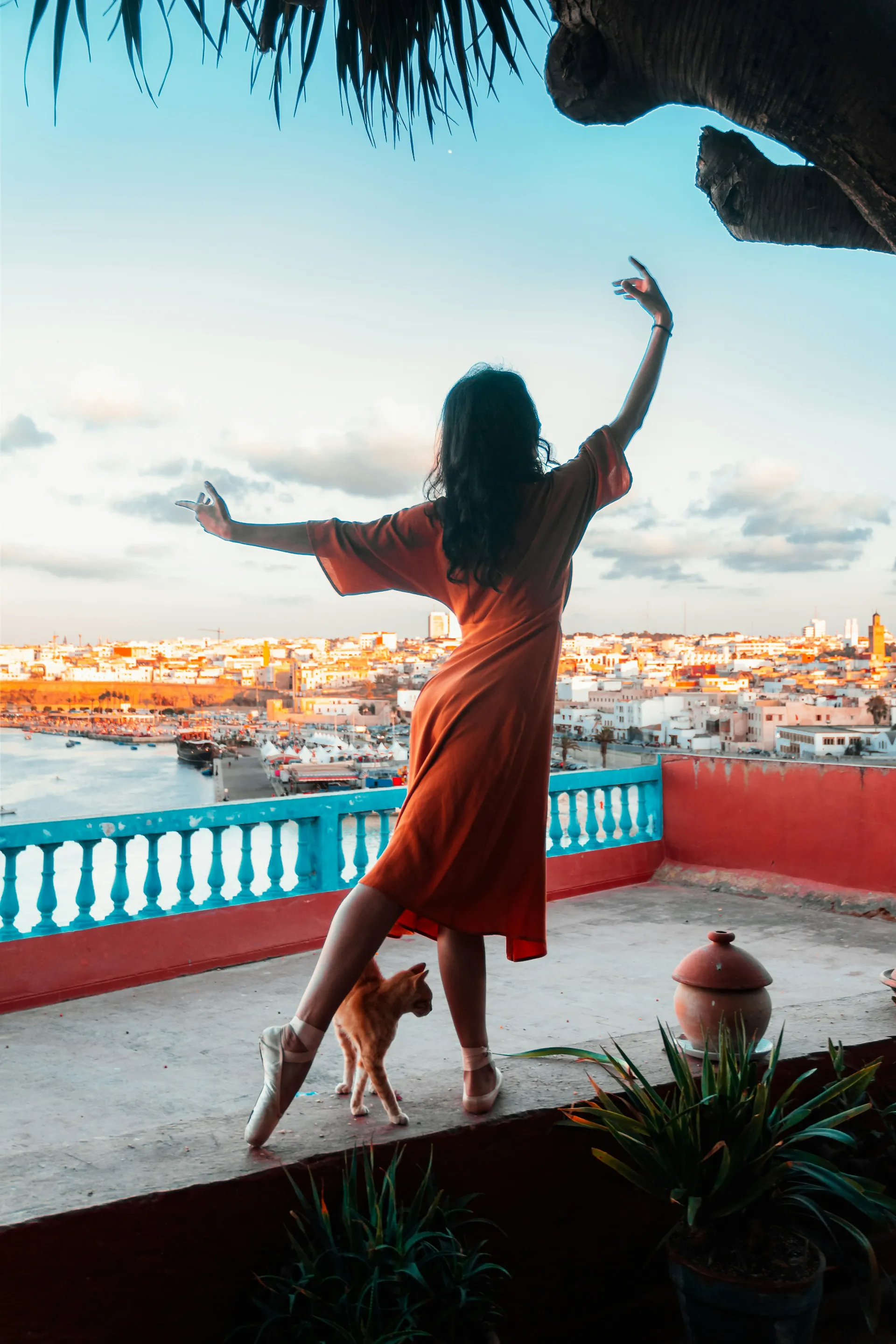
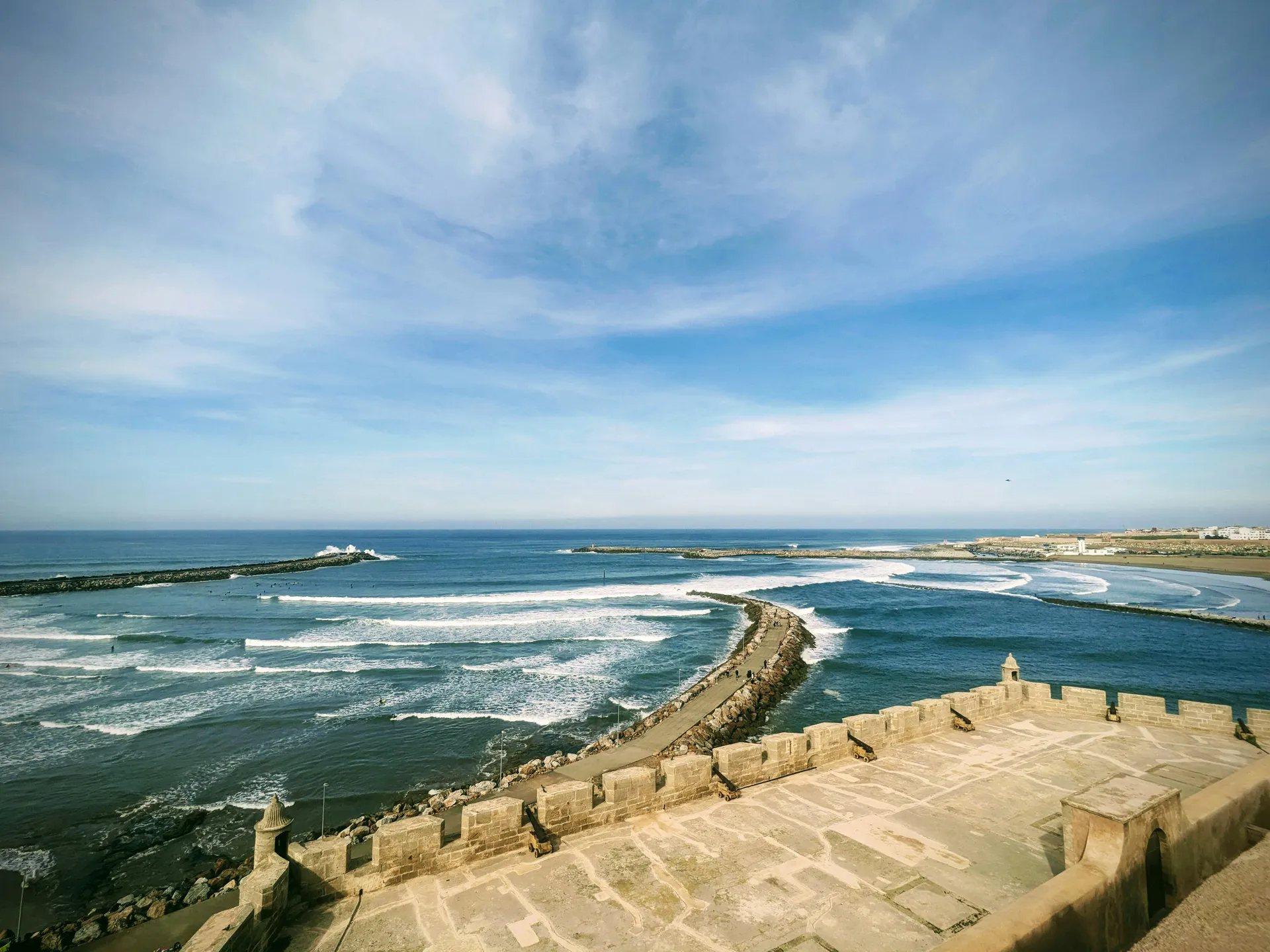
The character of Rabat is defined by its layers—Phoenician, Roman, Arab, French colonial—each visible in the city's fabric. The Kasbah des Oudaias, a twelfth-century fortress perched on a cliff above the river mouth, contains whitewashed houses with blue shutters, a serene Andalusian garden, and views across the estuary to the ancient city of Salé. The medina, smaller and less touristy than those of Fez or Marrakech, offers a shopping experience that is more relaxed and less pressured—fine leather goods, ceramics, and carpets are available at fair prices without the aggressive bargaining that characterizes more visited cities. The Ville Nouvelle, the French-built modern city, is an ensemble of wide boulevards, Art Deco buildings, and the lush Agdal gardens that together create one of the most pleasant urban environments in North Africa.
Moroccan cuisine in Rabat is refined and varied, reflecting the city's cosmopolitan character. The tagine—a slow-cooked stew named for the conical clay vessel in which it is prepared—reaches its most elegant expressions here: lamb with preserved lemons and olives, chicken with dates and almonds, fish with chermoula sauce. Couscous, served traditionally on Fridays, is a communal dish of steamed semolina topped with vegetables and meat that is both a meal and a social ritual. The pastilla (or bastilla), a layered pie of pigeon or chicken, almonds, eggs, and cinnamon wrapped in warqa pastry and dusted with powdered sugar, represents Moroccan cuisine at its most complex and rewarding. The café culture is strong—Rabat's cafés serve mint tea with the ceremonial height-pour that is as much performance as hospitality, and the patisseries produce Franco-Moroccan pastries of extraordinary quality.
The archaeological and cultural riches surrounding Rabat are exceptional. Chellah, a walled necropolis on the city's outskirts, combines Roman ruins (from the ancient city of Sala Colonia) with a medieval Islamic cemetery in a garden setting where storks nest atop the minaret and orange trees grow among the tombstones—it is one of the most atmospheric sites in Morocco. Salé, across the river, preserves a medina that is less restored and more authentically Moroccan than Rabat's. The Mohammed VI Museum of Modern and Contemporary Art, opened in 2014, is the first museum of its kind in the Arab world and presents Moroccan art from the twentieth century to the present with impressive scope.
Rabat serves as a port of call for Atlantic coast and Western Mediterranean cruise itineraries, with ships docking at the port within easy reach of the city center. The best time to visit is March through May and September through November, when the Atlantic climate delivers warm, sunny days and comfortable evenings. Summer brings heat but the ocean breeze moderates temperatures. Winter is mild and green, with occasional rain—the gardens are at their most lush and the tourist sites are at their least crowded.