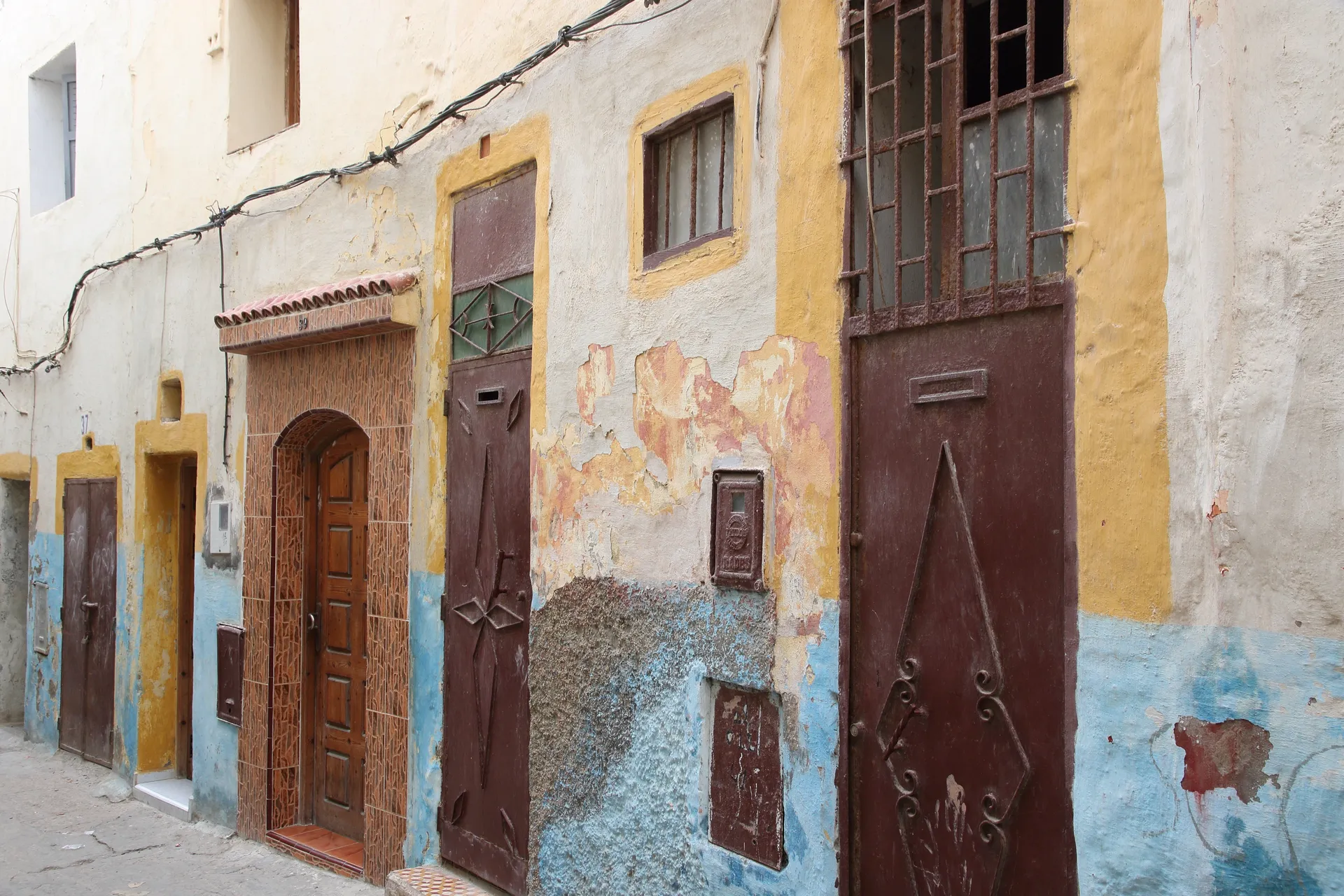
Perched on Morocco's Atlantic coast between Essaouira and El Jadida, Safi has been a port of consequence for over a thousand years — a city where Phoenician traders once anchored, Portuguese conquistadors built a fortress, and generations of Moroccan artisans perfected the ceramic traditions that have made this city the pottery capital of the kingdom. Unlike the more touristed Moroccan cities, Safi retains an unpolished authenticity that rewards curious travelers: its medina is lived-in rather than curated, its craftsmanship genuine rather than performative, and its relationship with the Atlantic Ocean defines daily life in ways that feel elemental.
The Portuguese legacy dominates Safi's architectural identity. The Kechla, a massive fortress complex built during the Portuguese occupation of 1488-1541, commands the heights above the medina with walls thick enough to have withstood centuries of siege and earthquake. Within its precincts, a garden of unexpected tranquility offers views across the city's terracotta rooftops to the Atlantic beyond. The Dar el Bahar, the "Castle of the Sea," sits directly on the waterfront, its cannons still pointed seaward as if expecting the return of a hostile fleet. Together with the medina's fortified walls and the grand mosque, these structures create a layered architectural narrative that speaks to Safi's strategic importance across multiple empires.
Safi's ceramic tradition is not merely a craft but a defining cultural institution. The Colline des Potiers, or Potters' Hill, on the outskirts of the medina, is an entire quarter devoted to the production of pottery and ceramics, where workshops have been operating continuously for centuries. The kilns here produce everything from simple household tagines to elaborately decorated zellige tiles and monumental urns destined for palaces and luxury hotels. Watching a master potter shape a vessel on a traditional kick-wheel, then paint it freehand with the geometric and floral patterns that are distinctly Safiot, provides an insight into a living artistic tradition that has resisted industrialization through sheer excellence. The National Ceramics Museum, housed in a restored fortress, contextualizes this tradition within the broader sweep of Moroccan decorative arts.
The Atlantic shapes Safi's cuisine as decisively as it shapes its climate. The port is Morocco's largest sardine processing center, and the fish appears in every conceivable preparation — grilled whole over charcoal at beachside stalls, stuffed with chermoula and baked, pressed into aromatic kefta, or simply served impossibly fresh with coarse salt and bread. The broader Moroccan culinary tradition flourishes here too: tagines slow-cooked with preserved lemons and olives, couscous heaped with seven vegetables on Friday afternoons, and the ubiquitous mint tea poured from silver pots with theatrical precision. The weekly souk brings the surrounding agricultural region to the city, with stalls overflowing with argan oil, honey, seasonal fruits, and the spices that make Moroccan cuisine one of the world's most aromatic.
Safi's port can accommodate cruise ships of moderate size, with the dock located close to the medina for easy walking access. The climate is Mediterranean-Atlantic, with mild winters and warm summers tempered by ocean breezes. Spring (March-May) and autumn (September-November) offer the most pleasant conditions for exploring. The city can be comfortably explored in a half-day, though combining a visit with the nearby Portuguese cistern at El Jadida or the artists' town of Essaouira makes for a rewarding full-day excursion. Safi offers something that Morocco's more famous cities sometimes struggle to provide: the experience of discovery without the mediation of mass tourism.

