Nacala occupies one of the finest natural harbours in East Africa — a deep, sheltered bay on the northern coast of Mozambique that has been coveted by seafarers since Arab dhows first used it as a trading station over a thousand years ago. The port, Mozambique's deepest, was developed by the Portuguese colonial administration as a rail terminus connecting the Indian Ocean to the landlocked interior of Malawi, and the railway — still operational, though in much-reduced service — runs through some of the most beautiful scenery in southern Africa, climbing through baobab-studded savanna to the shores of Lake Malawi. Today Nacala is a growing commercial port and the gateway to a stretch of Indian Ocean coastline that remains one of the most pristine and least-developed beach destinations in the world.
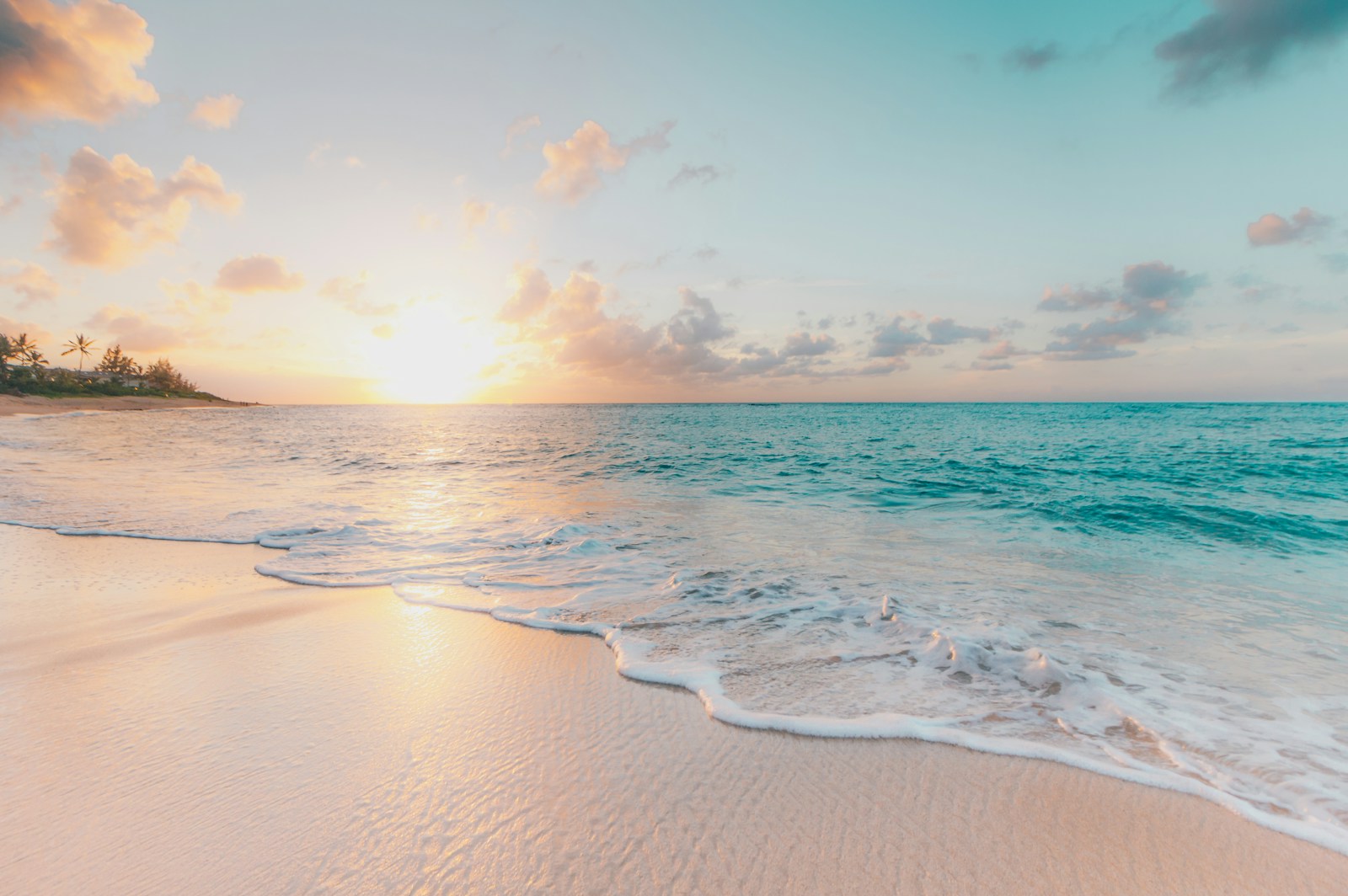
The town itself is modest and functional, but the surrounding coastline is extraordinary. The beaches that stretch north and south from Nacala's harbour — Fernão Veloso, Relanzapo, and the islands of the Nacala Bay — offer white sand, warm water, and the kind of solitude that the Maldives and Seychelles sold long ago to the resort industry. The coral reefs offshore, while not yet fully surveyed, harbour the biodiversity typical of the Mozambique Channel — one of the most species-rich marine zones in the Indian Ocean — and the diving and snorkelling potential is immense. Whale sharks, manta rays, and humpback whales pass through these waters during their seasonal migrations, and the absence of significant tourism infrastructure means that marine encounters occur without the crowds that characterise East Africa's better-known coastal destinations.
The Makua people, who constitute the majority population of northern Mozambique, maintain cultural traditions that include some of Africa's most visually striking body art. The mapiko masks, carved from lightweight wood and painted with bold geometric designs, are worn in ceremonial dances that address themes of gender, power, and community identity with a theatrical intensity that has earned them recognition as one of Mozambique's most important cultural expressions. The tattooing and scarification practices of Makua women — intricate facial patterns that serve as markers of identity, beauty, and social status — are declining but still visible among older women in the communities around Nacala.
Mozambican cuisine in the north blends Portuguese, Indian, and African influences in ways that produce some of the most exciting food on the continent. Piri-piri chicken — grilled over charcoal and basted with a sauce of bird's-eye chili, lemon, and garlic — is Mozambique's most internationally known dish, and the versions served at the roadside churrasqueiras of Nacala are as good as any in the country. Matapa — a stew of cassava leaves cooked with coconut milk, ground peanuts, and often crab or prawns — is the quintessential northern Mozambican dish, while the fresh prawns of the Mozambique Channel, grilled simply with garlic and lemon, are among the finest crustaceans in the Indian Ocean.
Nacala's deep-water port can accommodate large cruise ships alongside the commercial quay. The best time to visit is during the dry season from May through November, when rainfall is minimal, temperatures are comfortable (25-30°C), and whale sharks are present in the offshore waters (October-March overlap with the wet season but bring the megafauna). The wet season from December through April brings afternoon thunderstorms and high humidity but also lush green landscapes and the peak of the mango season. Nacala's position as a relatively undiscovered coastal destination makes it one of the most promising port calls in East Africa — a place where the development curve has not yet caught up with the natural assets.

