Etosha — the name means "Great White Place" in the Oshindonga language — is a salt pan so immense that early astronauts could distinguish its chalk-white expanse from orbit. Spanning nearly 5,000 square kilometers within a national park of 22,270 square kilometers, this shimmering mirage of crystallized minerals was once a vast lake fed by the Kunene River before tectonic shifts diverted the water tens of thousands of years ago. The pan itself is largely barren, but its edges — where underground springs bubble to the surface in a chain of precious waterholes — support one of Southern Africa's greatest concentrations of wildlife, a Noah's Ark assembled at the margins of desolation.
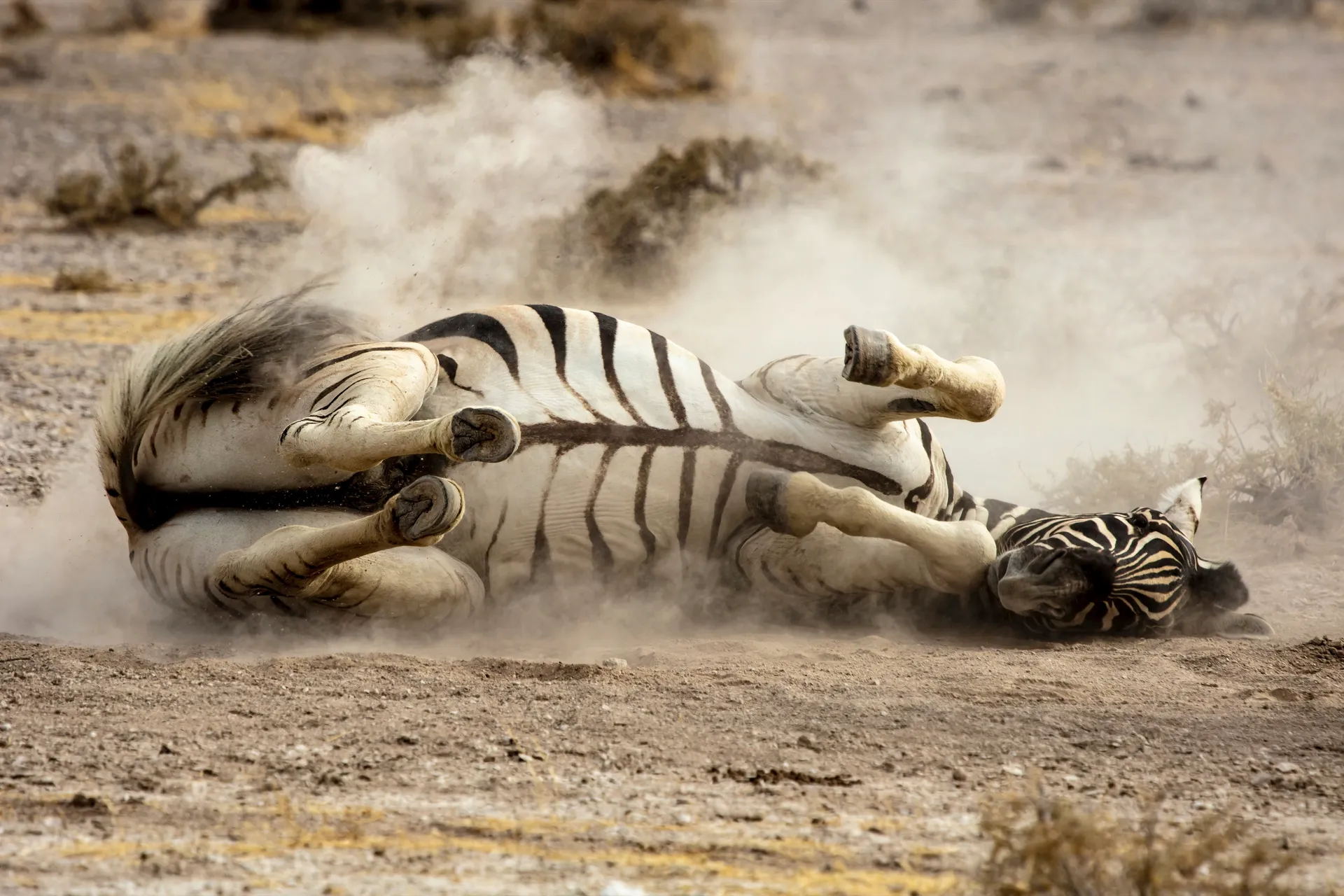
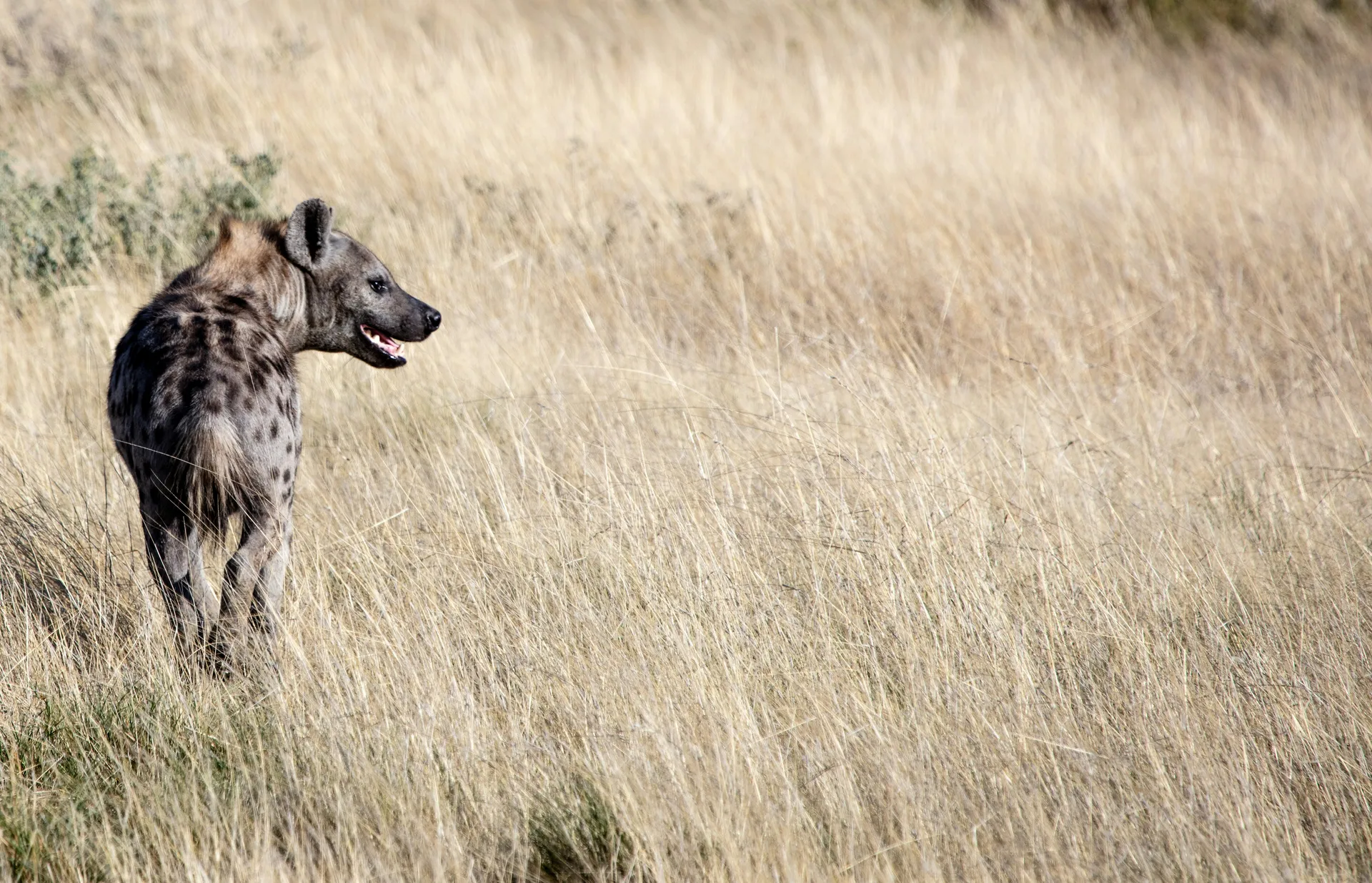
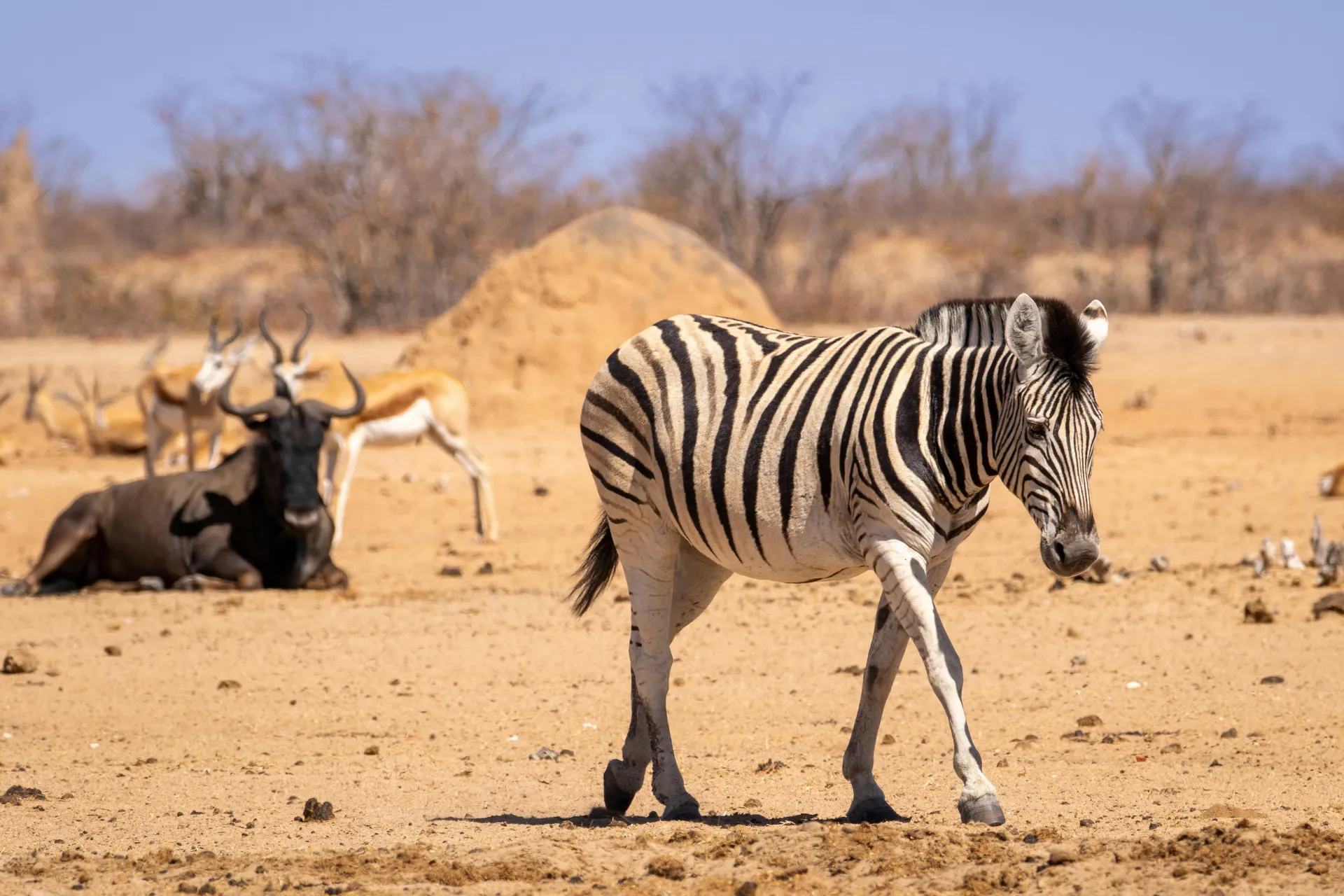
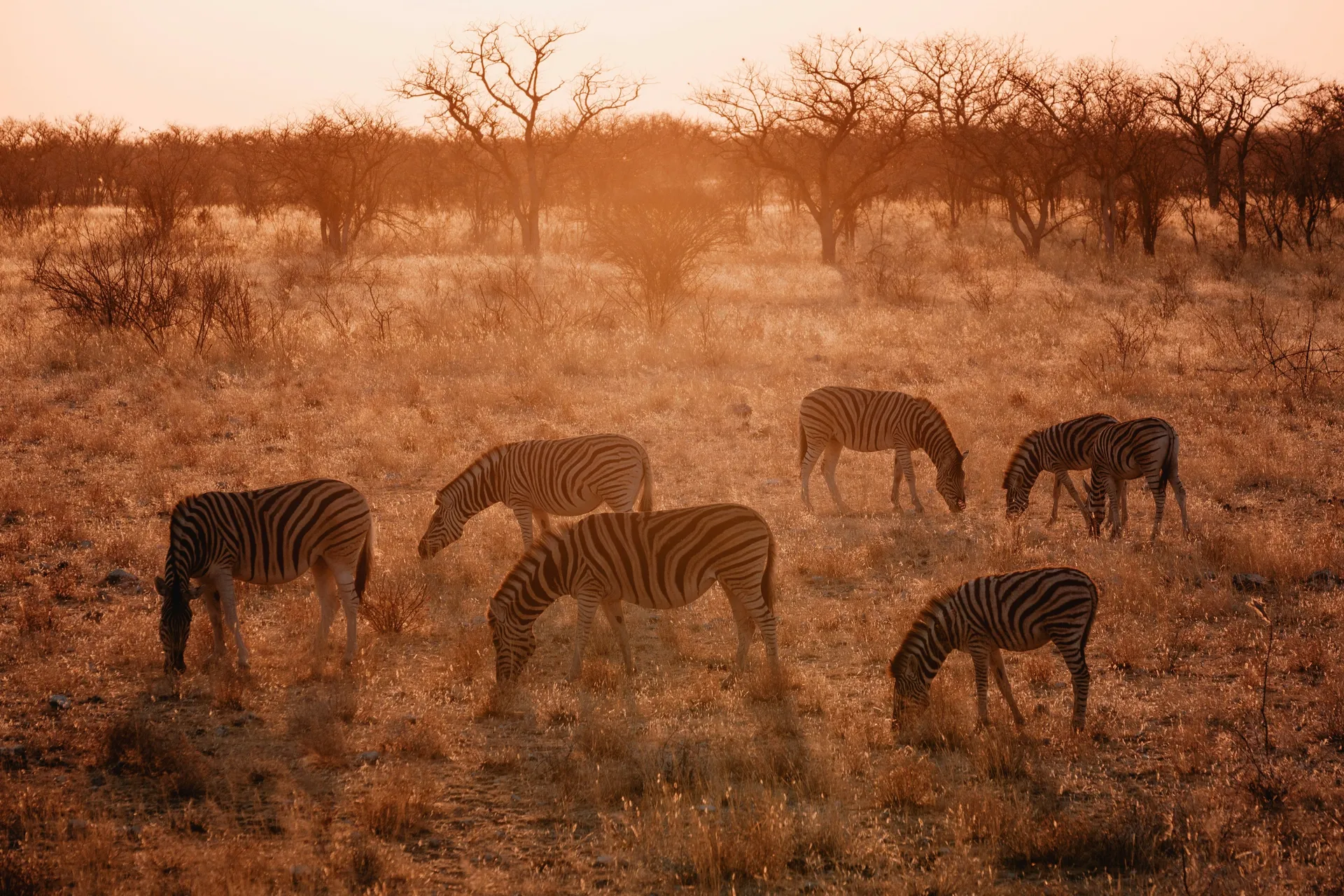
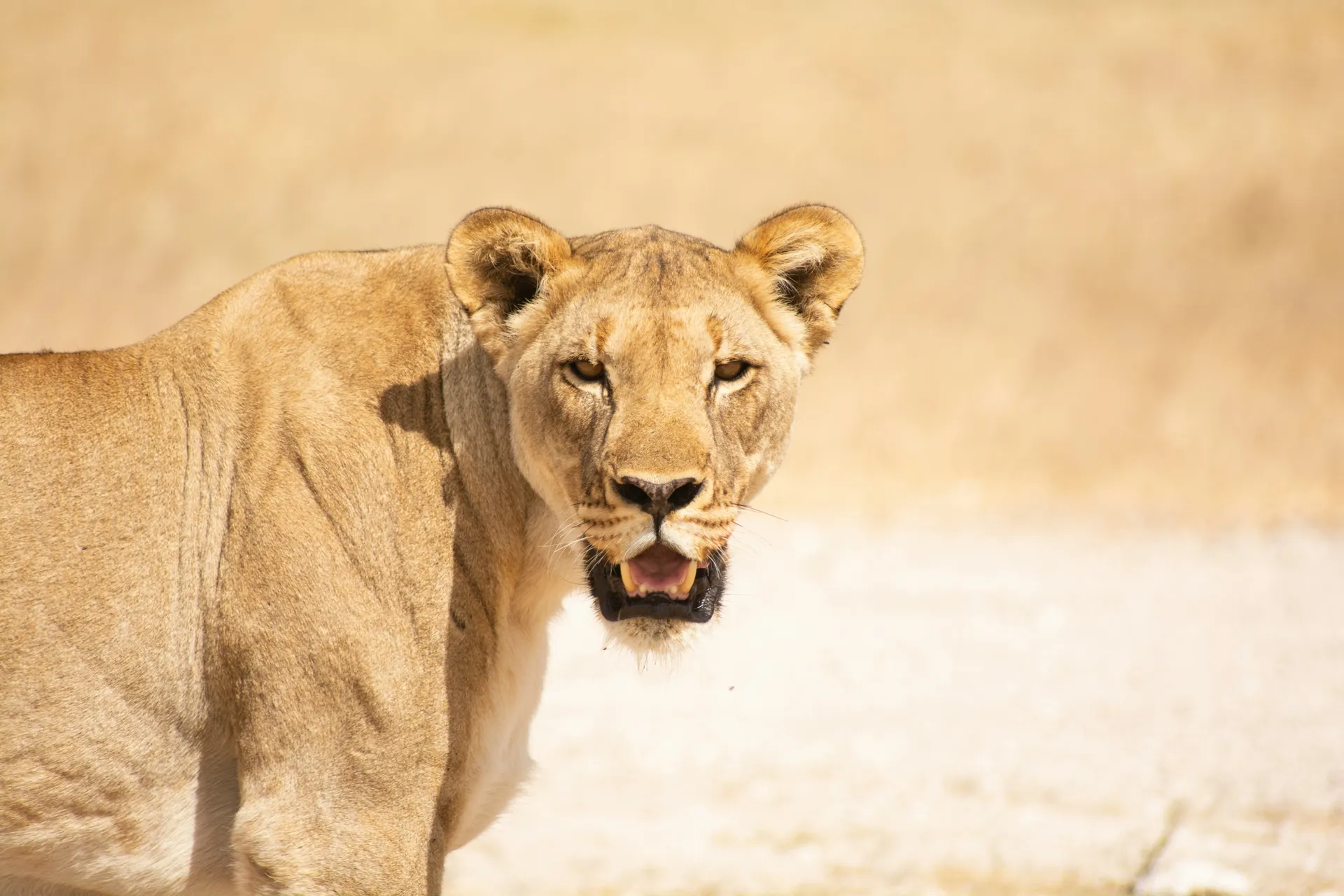
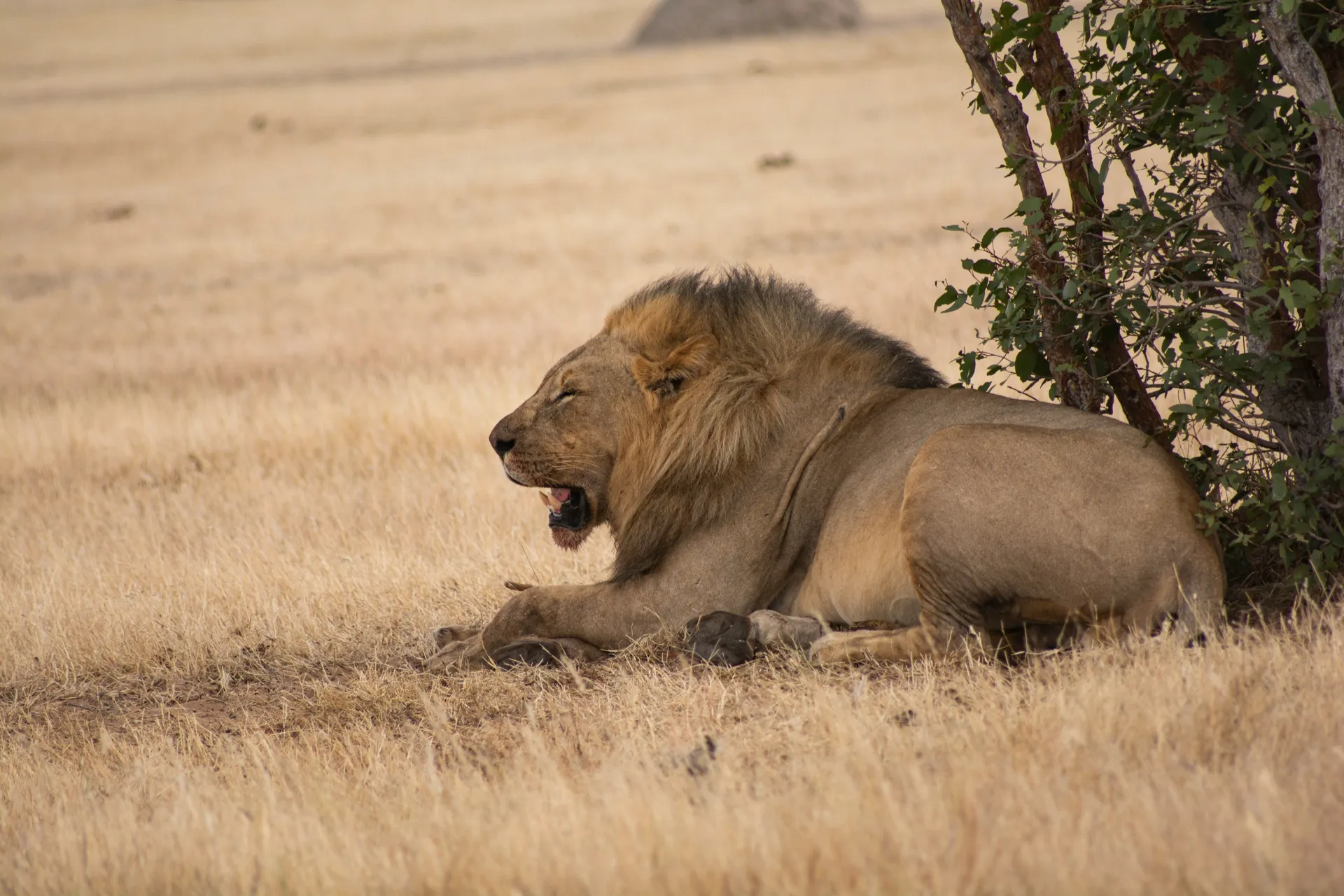
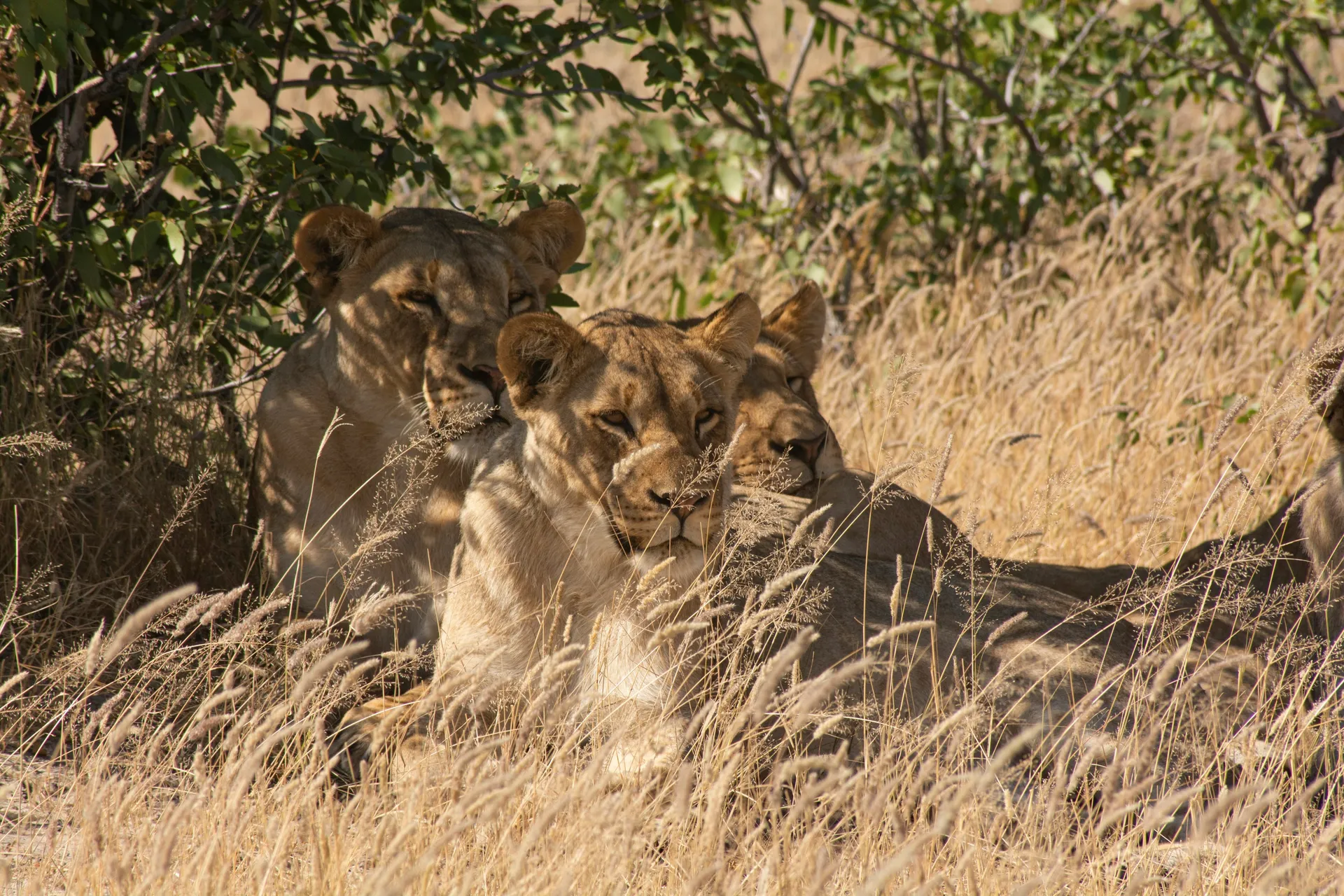
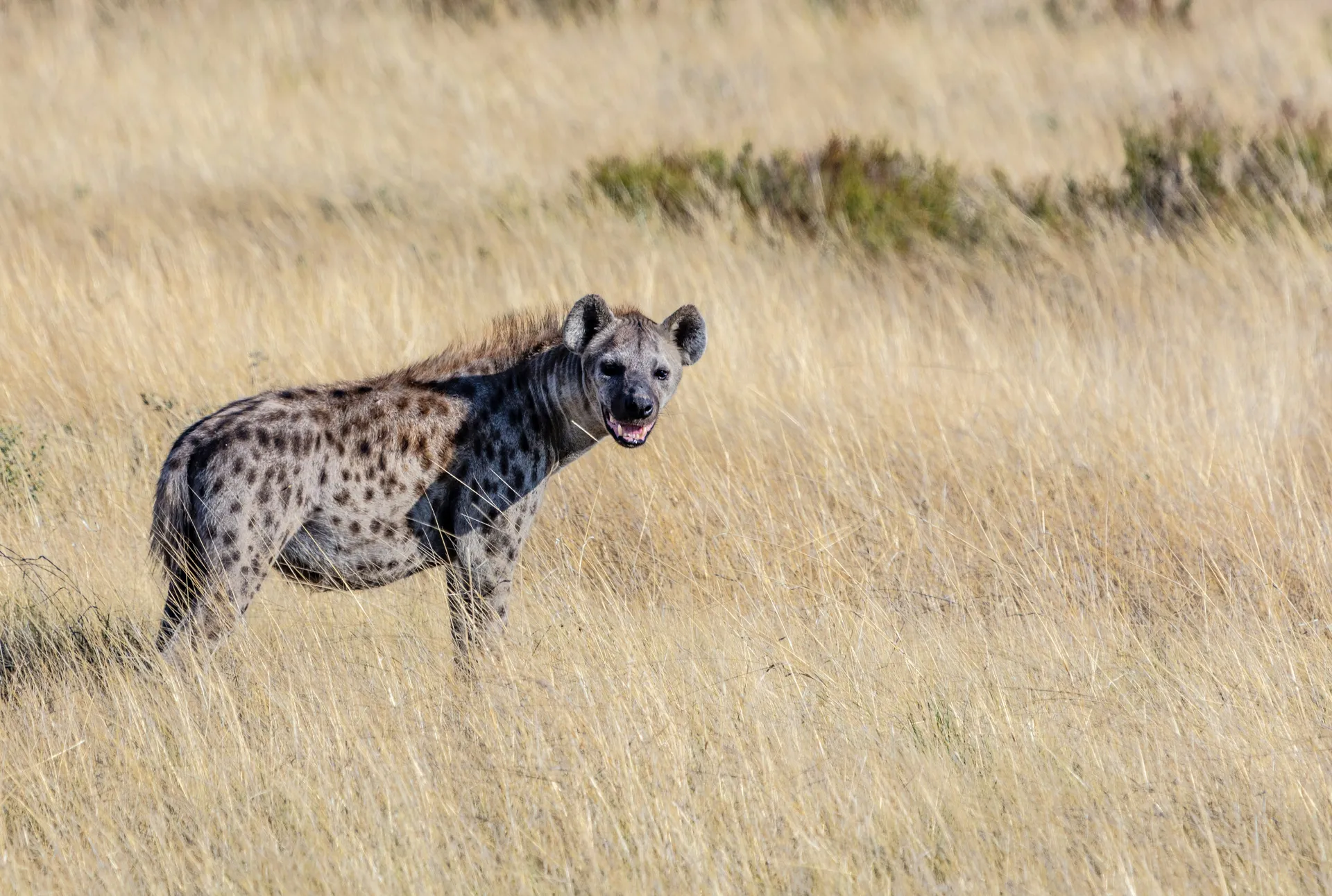
What sets Etosha apart from other African parks is the stark, minimalist beauty of its landscape and the democratic accessibility of its game viewing. The waterholes are the stage; you simply park your vehicle, switch off the engine, and wait. The cast assembles itself. Elephant herds, sometimes fifty strong, materialize from the mopane woodland like grey ghosts. Springbok and gemsbok, their horns backlit against the white pan, could be illustrations from a bestiary. Black rhino — Etosha harbors one of the largest populations in Africa — emerge at dusk with prehistoric gravitas. And the lions of Etosha, their coats bleached almost white by the alkaline dust, are among the most photogenic predators on the continent. At the floodlit waterhole of Okaukuejo camp, the nighttime procession of animals coming to drink is one of Africa's most mesmerizing spectacles.
The park's rest camps — Okaukuejo, Halali, and Namutoni — provide comfortable accommodation ranging from basic campsites to well-appointed chalets, all operated by Namibia Wildlife Resorts. Each camp sits beside a waterhole with viewing benches, enabling 24-hour wildlife observation. Outside the park's eastern gate, a constellation of private lodges offers luxury accommodation with guided game drives, sundowner excursions, and bush dinners. The cuisine across these establishments draws on Namibian and South African traditions: grilled game meats, potjiekos (cast-iron stews), rusks with rooibos tea, and the superb Namibian beef that benefits from free-range grazing on mineral-rich soils.
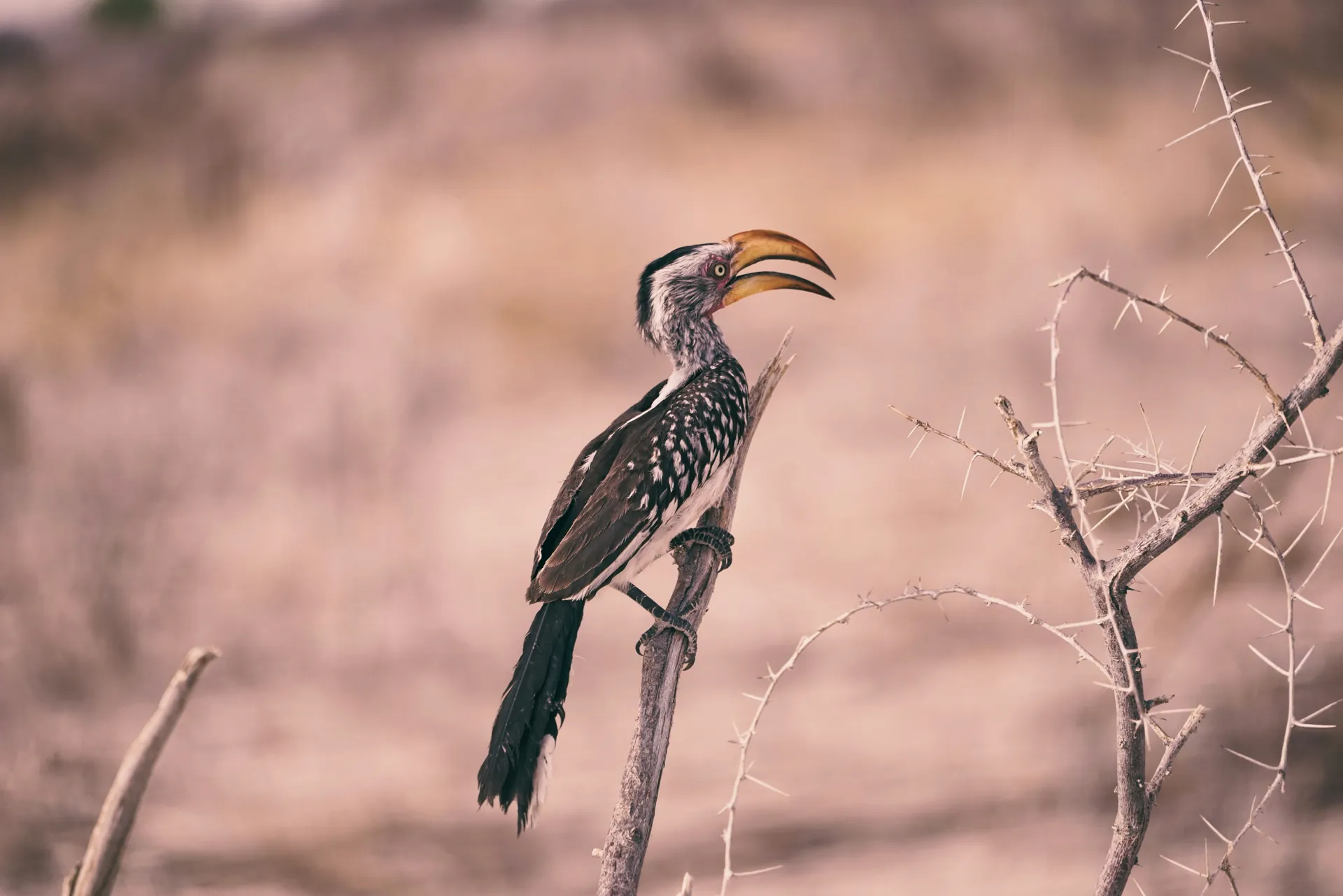
Etosha's avian life is as spectacular as its mammals, particularly during the rainy season when the pan partially floods and attracts vast flocks of flamingo — both greater and lesser — transforming the white expanse into a shimmering pink tableau. Over 340 bird species have been recorded, including Damara hornbill, violet woodhoopoe, and the rare black-faced impala found nowhere else but northern Namibia. The Fischer's Pan, a smaller clay pan in the park's east, is a designated bird-watching site accessible by a walking trail — one of the few places in Etosha where you can leave your vehicle. Beyond the park, the Etosha region connects to the wider northern Namibian circuit: the Hoba meteorite near Grootfontein (the largest known meteorite on Earth), the baobab-studded Bushmanland, and the living museum of the Ju/'hoansi San people.
Etosha lies approximately 400 kilometers north of Windhoek via excellent tar roads (four to five hours' drive) and is commonly included in self-drive circuits of northern Namibia. The dry season from June to November concentrates animals at waterholes and provides the finest game viewing, while the wet season from December to April transforms the landscape into emerald green and brings migratory birds and newborn animals. The park opens at sunrise and closes at sunset; overnighting inside is essential for waterhole viewing after dark.