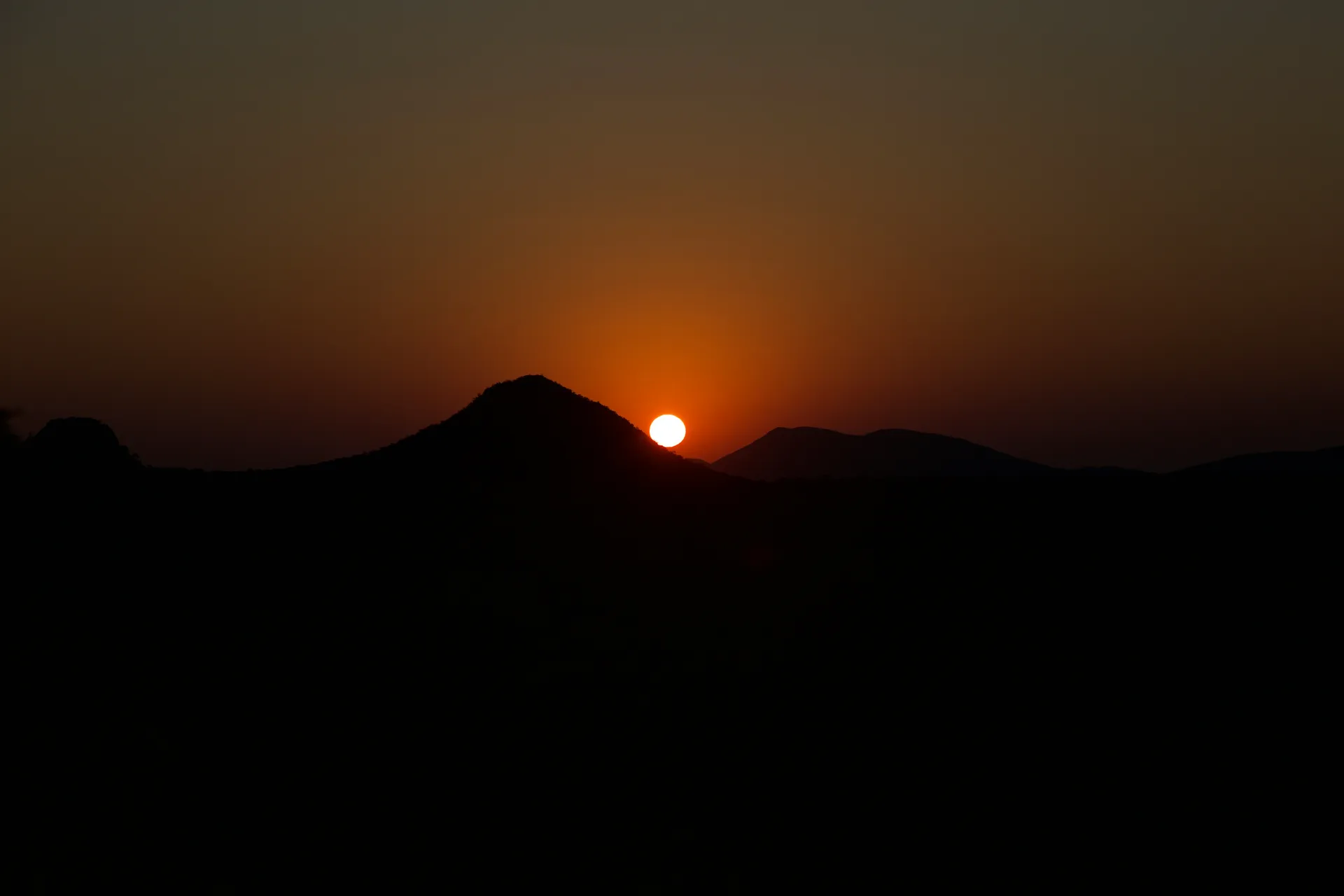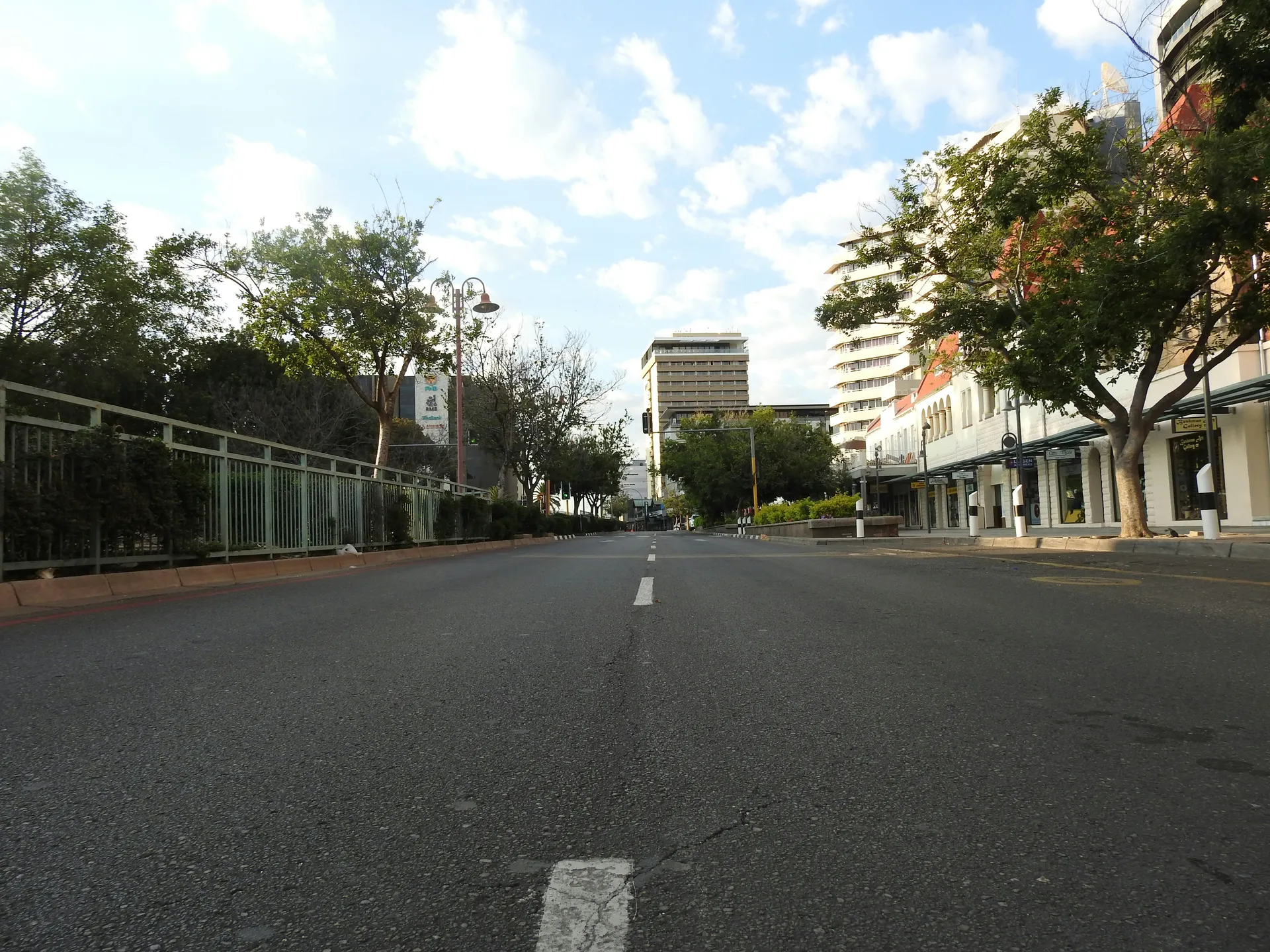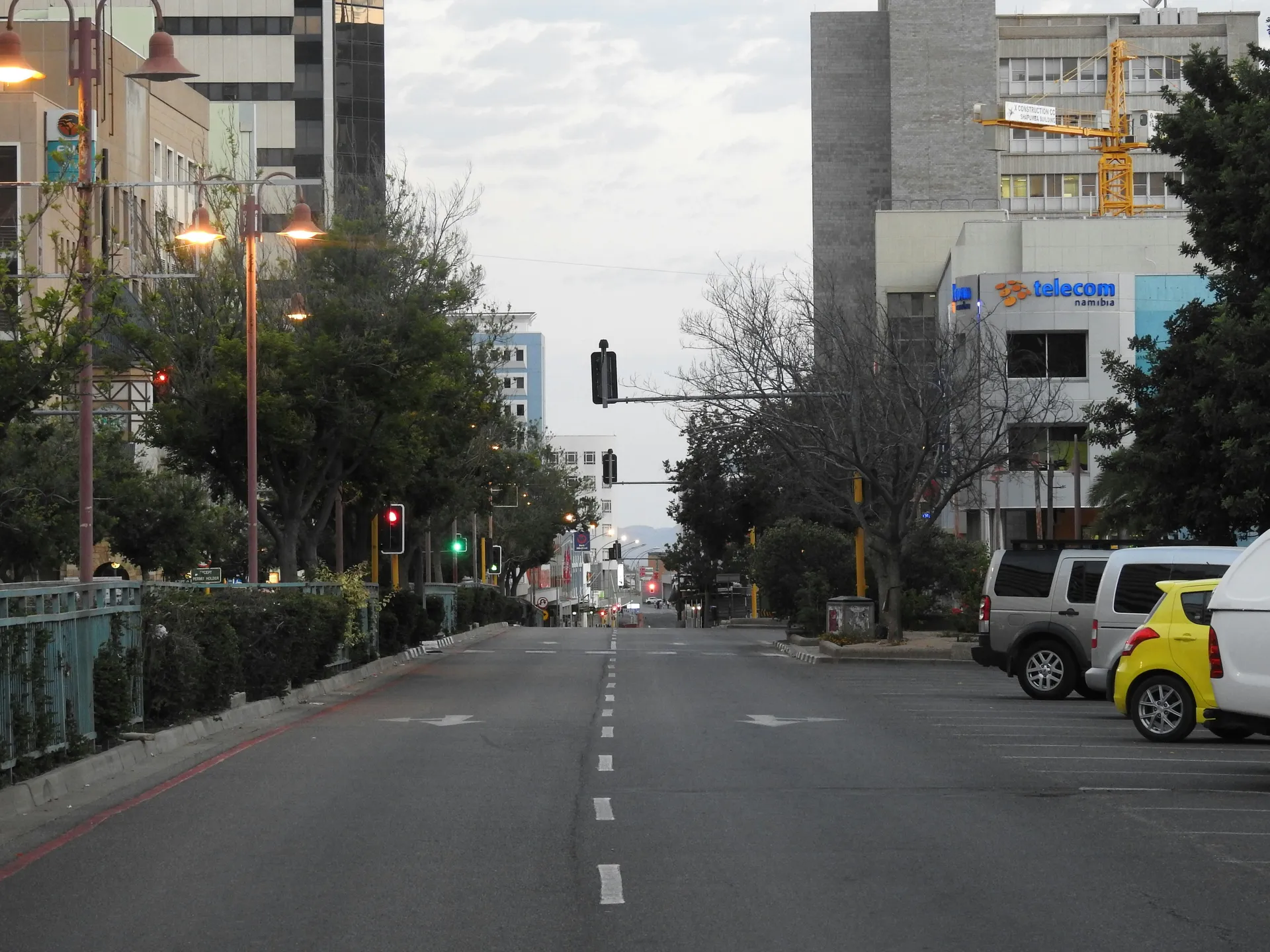
Windhoek occupies a peculiar position among African capitals — a city of 450,000 souls nestled in a valley at 1,700 meters elevation, where the air is crystalline, the streets are remarkably clean, and the cultural crosscurrents of German colonialism, South African administration, and indigenous Herero, Nama, and Ovambo heritage produce a society unlike any other on the continent. Founded as a hot spring settlement by Nama leader Jonker Afrikaner in the 1840s, then developed as a German colonial capital from 1890, Windhoek emerged from the struggle for independence in 1990 as the seat of one of Africa's most stable democracies, a city still finding its voice between European inheritance and African identity.
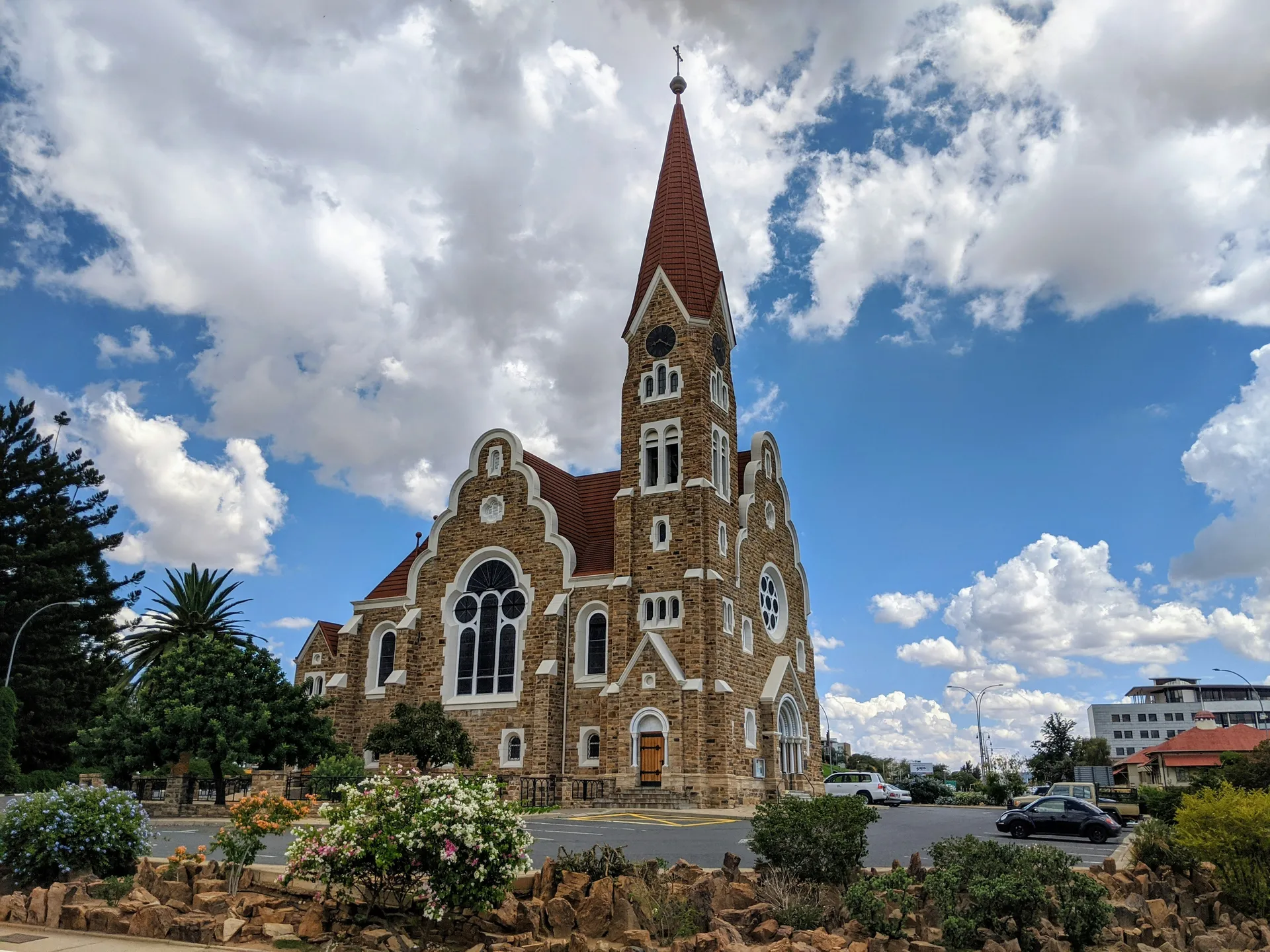
The city center is compact and walkable, anchored by Independence Avenue (formerly Kaiser Street), which runs from the Christuskirche — a Lutheran church built in 1910 from local sandstone in a hybrid of Art Nouveau and neo-Gothic styles — down to the Old Fortress and the National Museum. The Alte Feste, the oldest surviving building in Windhoek, now houses exhibits on Namibia's independence struggle, including the harrowing history of the Herero and Nama genocide of 1904–1908. The Ink Palace (Tintenpalast), seat of the National Assembly, sits in manicured gardens that offer quiet respite from the midday sun. For a more contemporary pulse, the craft market at the Old Breweries complex and the street art of the Katutura township — once a forced-removal area, now a vibrant cultural hub — reveal a city in creative ferment.
Windhoek's culinary identity is delightfully schizophrenic. Joe's Beerhouse, an institution as essential as any museum, serves platters of game meat — crocodile, zebra, oryx, kudu — in a compound decorated with vintage farm equipment and Namibian ephemera. The city's German heritage manifests in excellent Konditorei (try Café Schneider for Black Forest cake), and Windhoek Lager, brewed according to the Reinheitsgebot since 1920, is among Africa's finest beers. The Katutura food market, best visited with a local guide, offers kapana (street-grilled beef), fat cakes, and mopane worms — the crunchy caterpillars that are a protein staple across southern Africa. Newer restaurants are championing a modern Namibian cuisine that integrates indigenous ingredients like !nara melon, devil's claw, and Kalahari truffles.
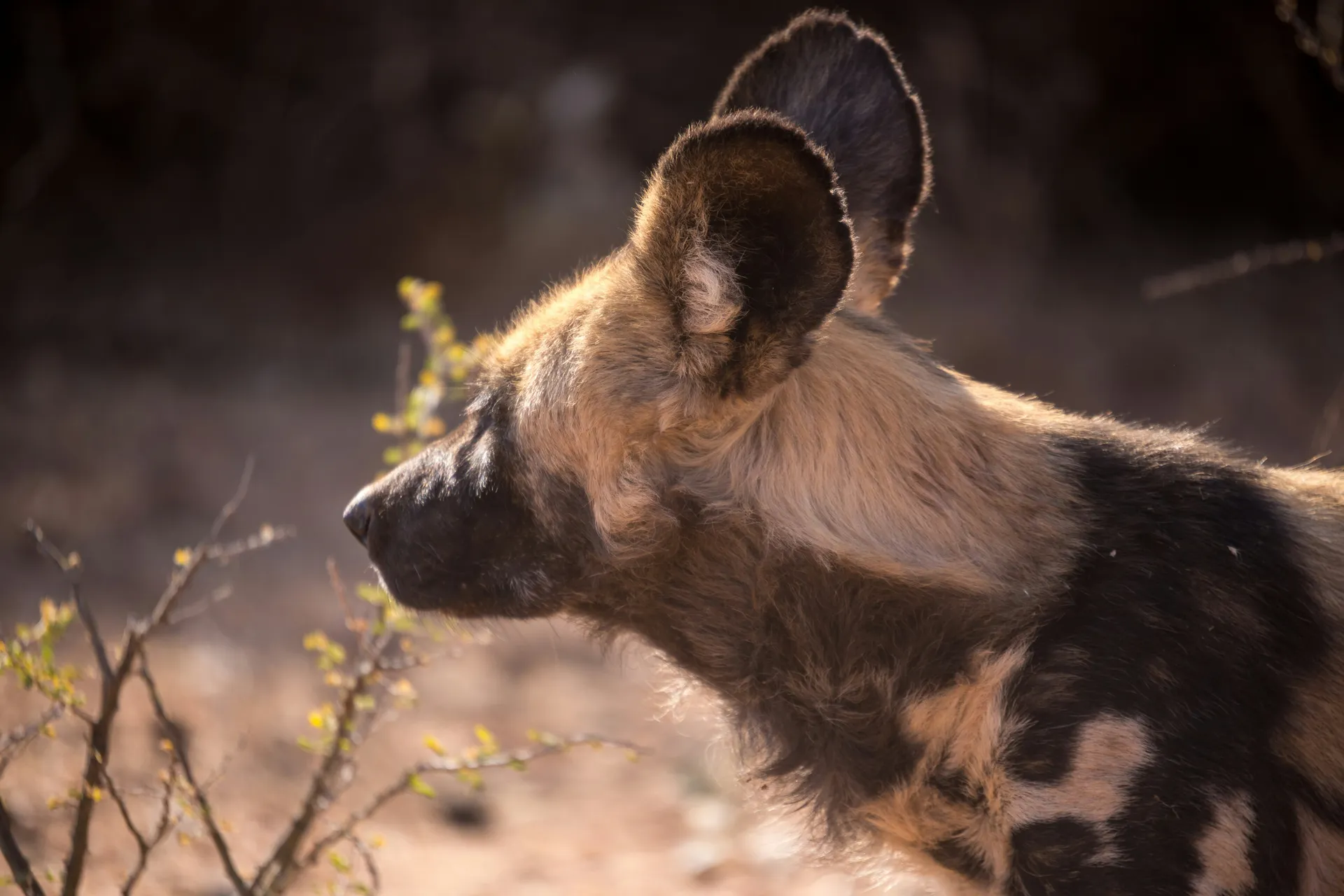
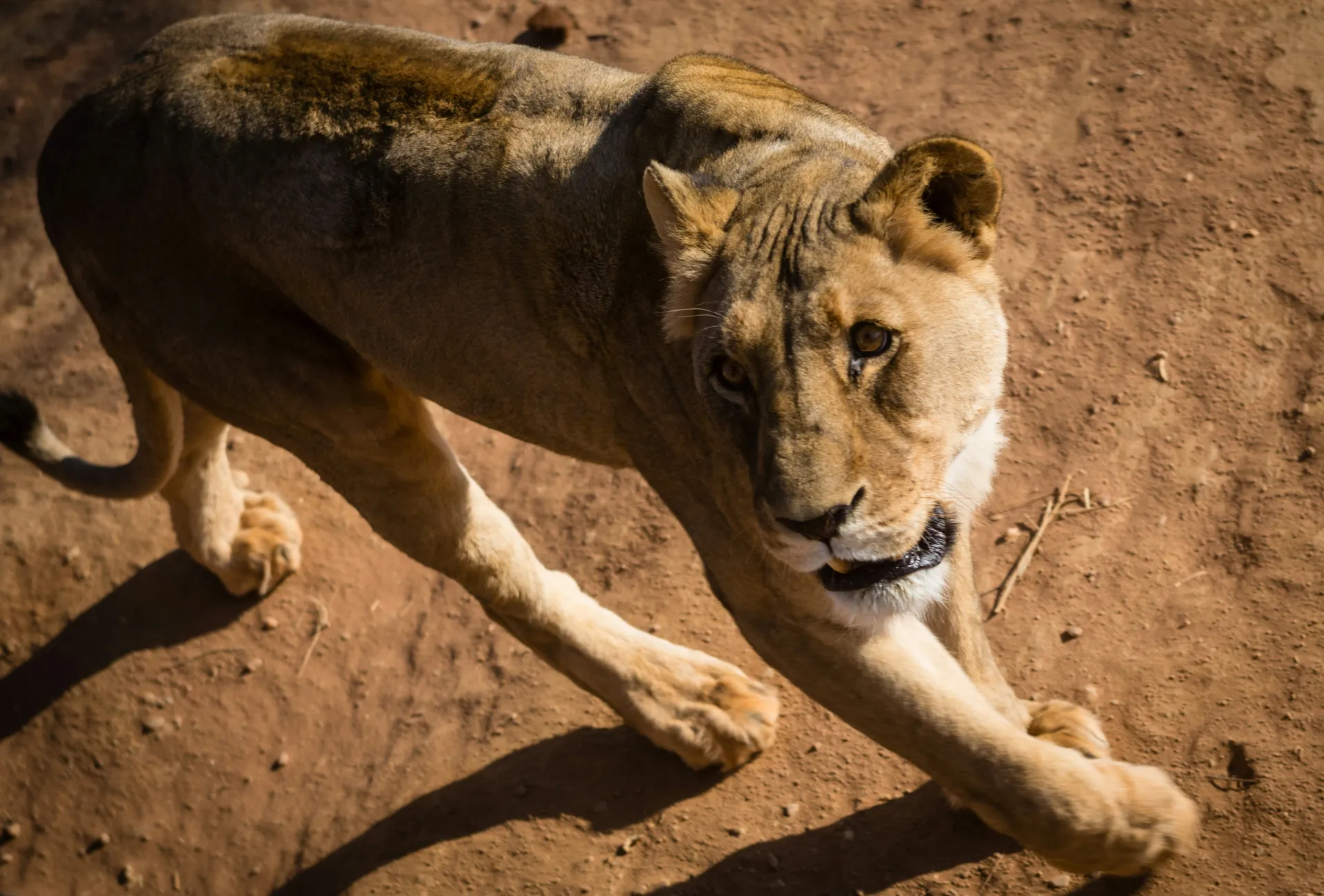
The city serves primarily as a gateway to Namibia's extraordinary landscapes, but several nearby excursions reward an extra day. The Daan Viljoen Game Reserve, just twenty minutes west, offers hiking trails through highland savanna with giraffe, kudu, and mountain zebra. The N/a'an ku sê Wildlife Sanctuary rescues and rehabilitates injured animals, including cheetah and African wild dog, and offers meaningful conservation experiences. Further afield, the Von Bach Dam provides weekend recreation, and the Khomas Hochland — the mountainous plateau surrounding the city — offers some of Namibia's finest guest farms, where visitors can experience working cattle ranches against backdrops of red quartzite mountains.
Windhoek's Hosea Kutako International Airport receives direct flights from Johannesburg, Cape Town, Addis Ababa, and Frankfurt, making it Sub-Saharan Africa's most convenient gateway from Europe. The city functions as the natural starting or ending point for Namibian road trips — south to Sossusvlei, north to Etosha, west to the Skeleton Coast. The highland climate is excellent year-round: warm days and cool nights, with rainfall concentrated in brief afternoon thunderstorms from November to April. Two days in Windhoek before or after a Namibian expedition allows comfortable acclimatization and a genuine appreciation of this quietly compelling capital.