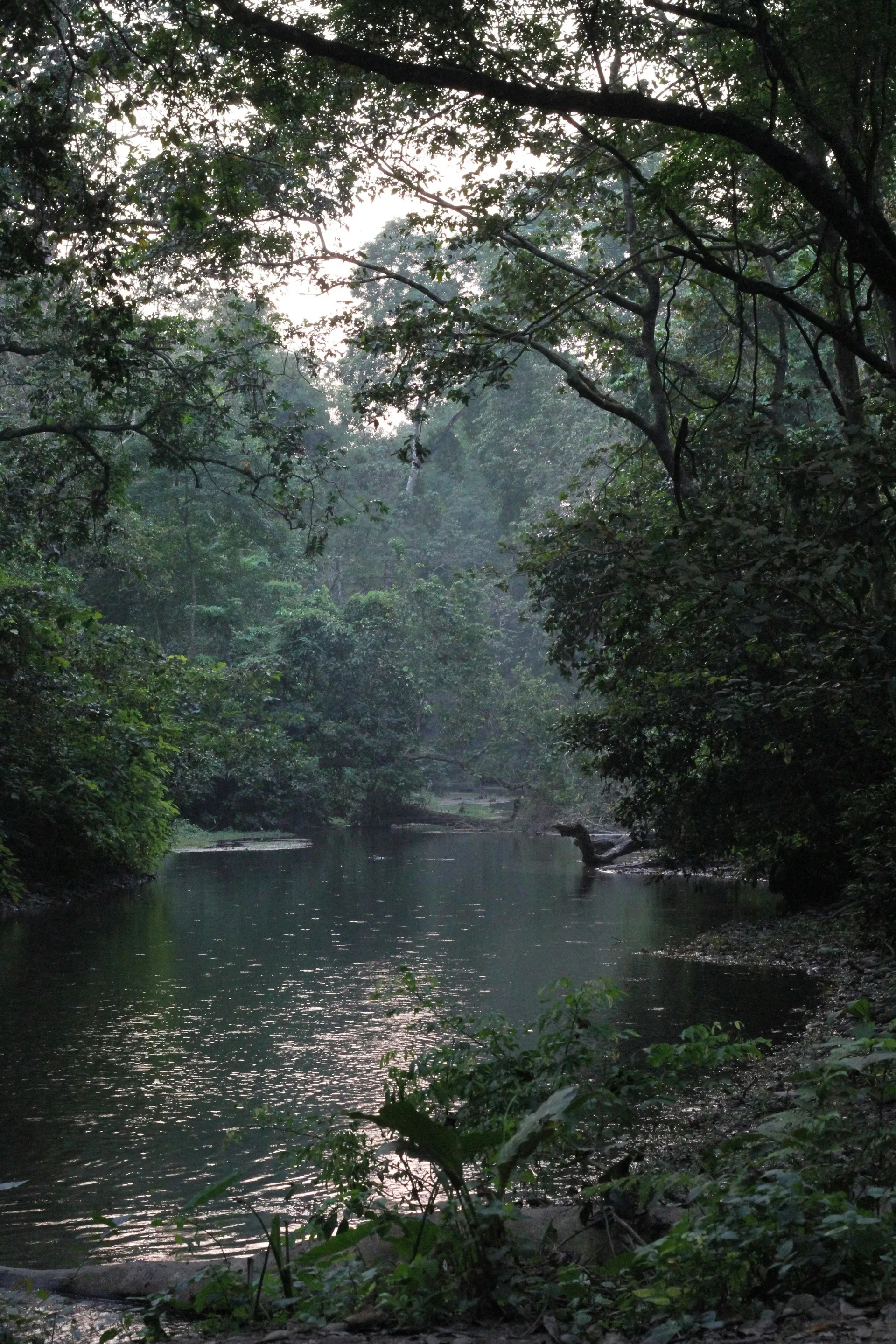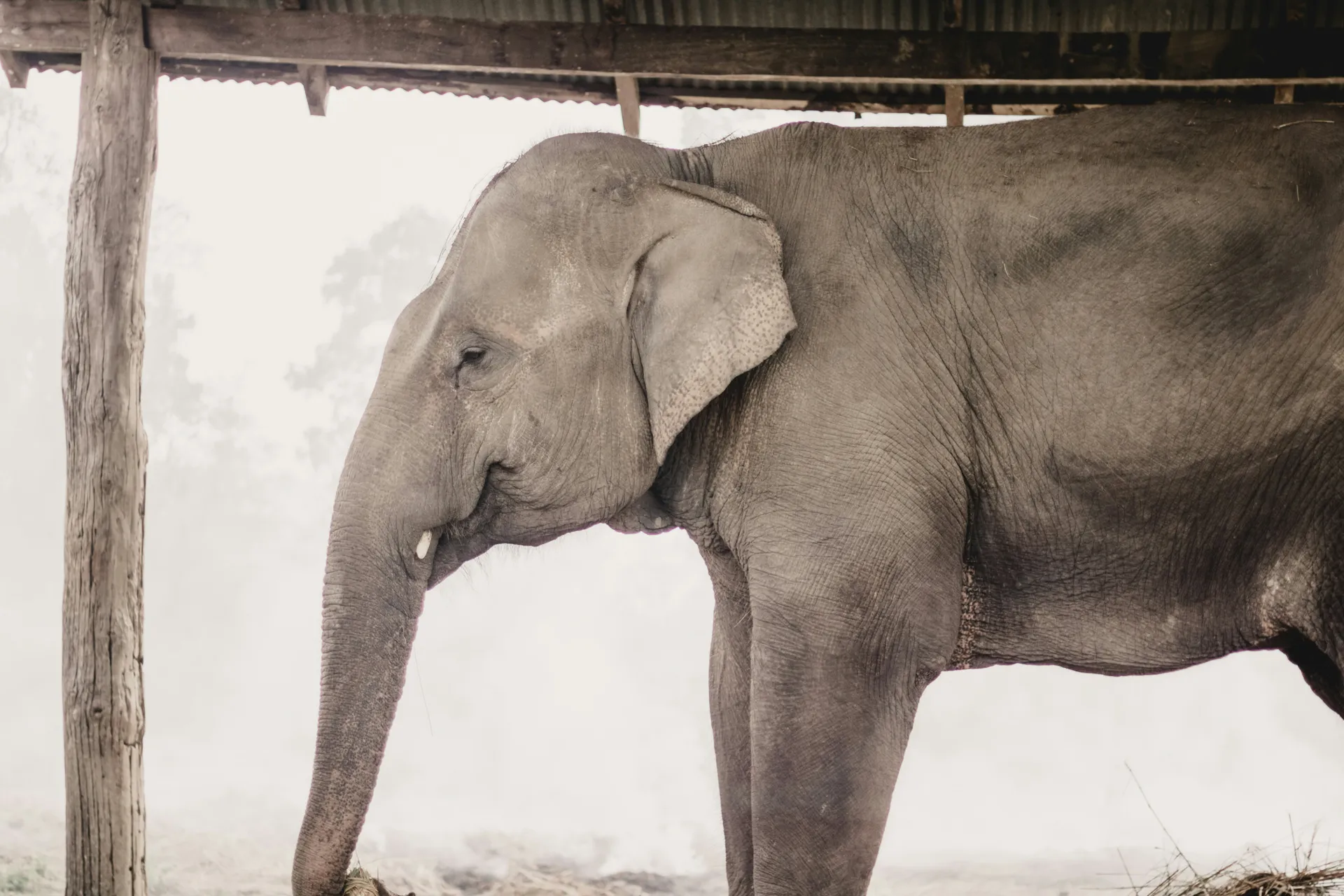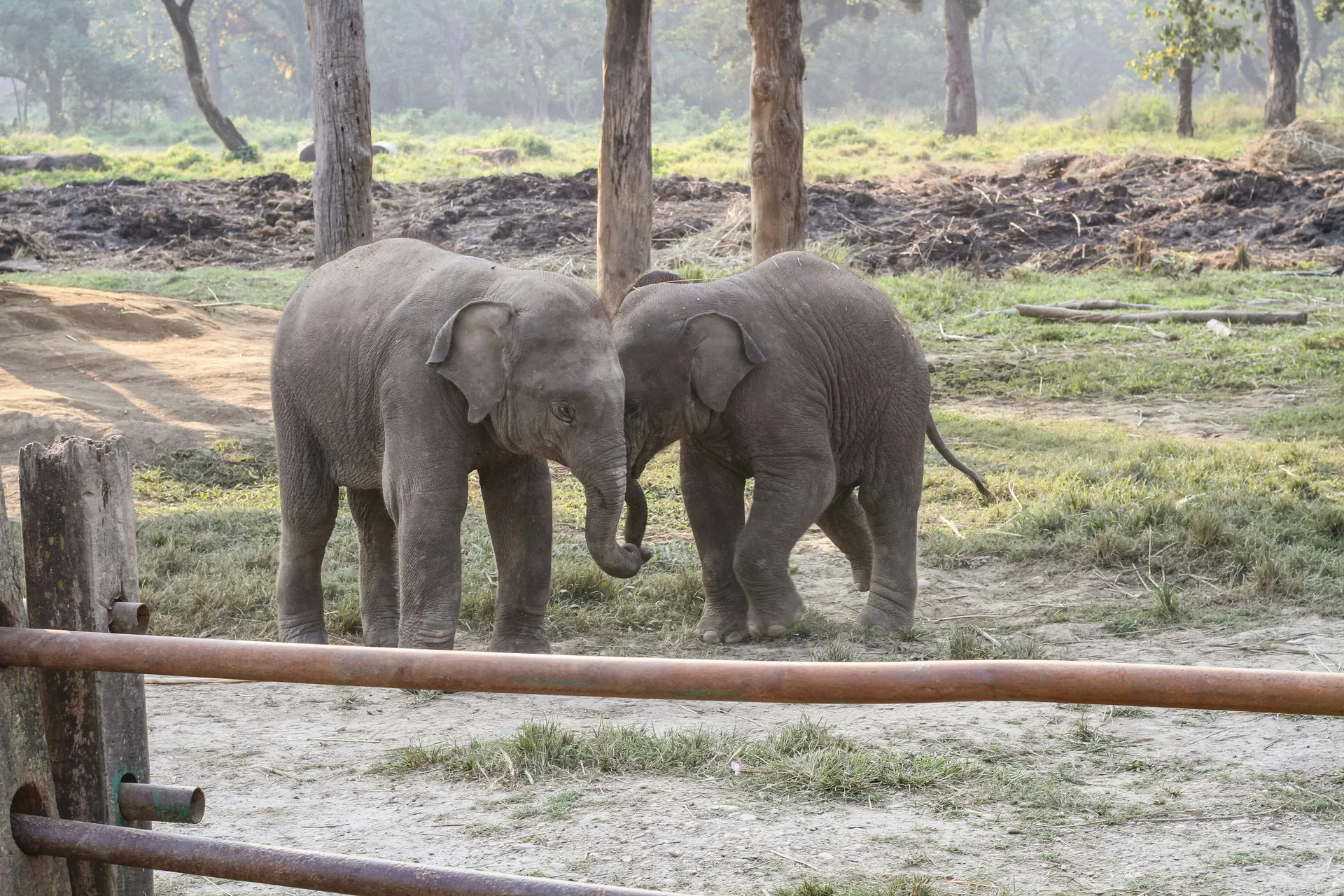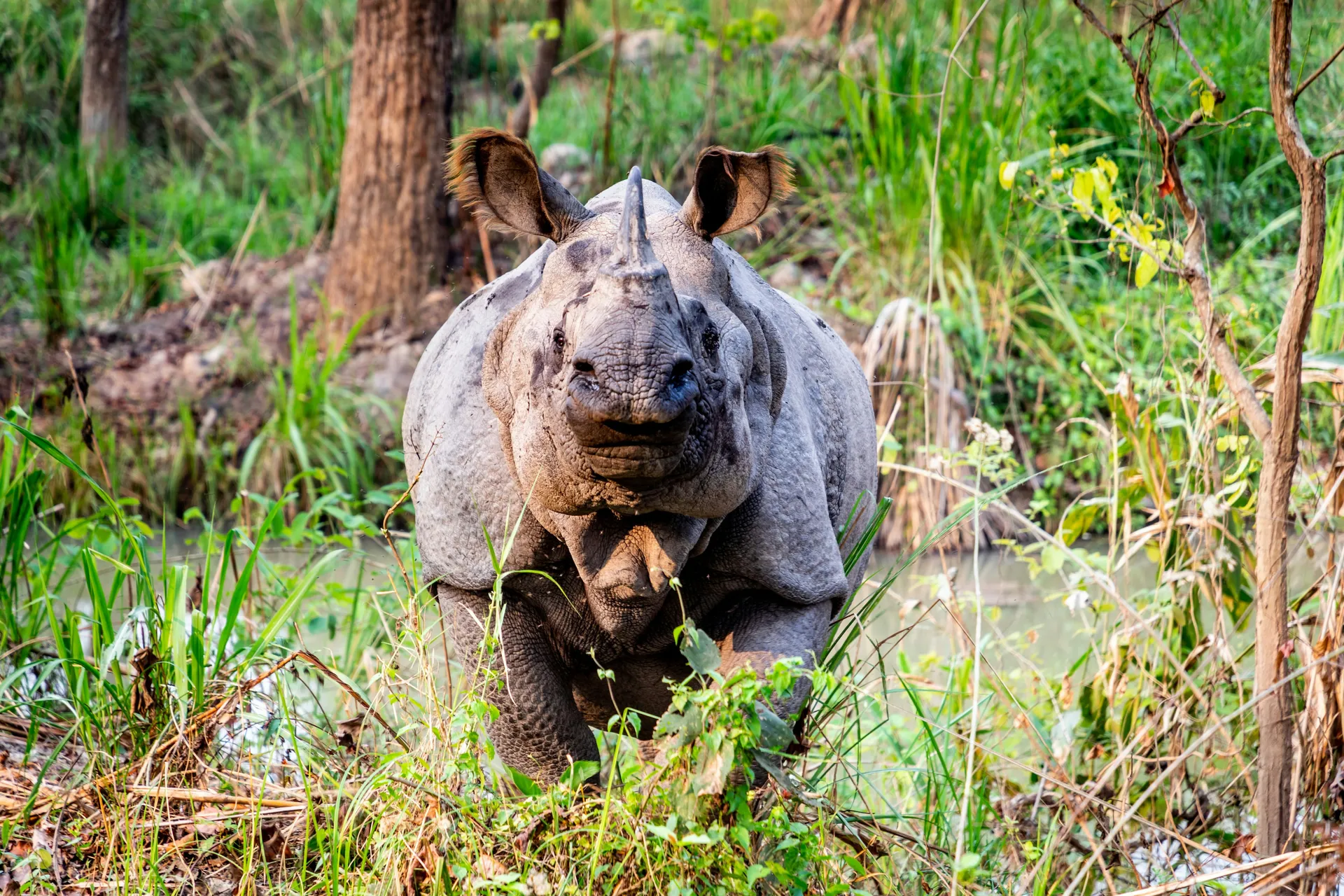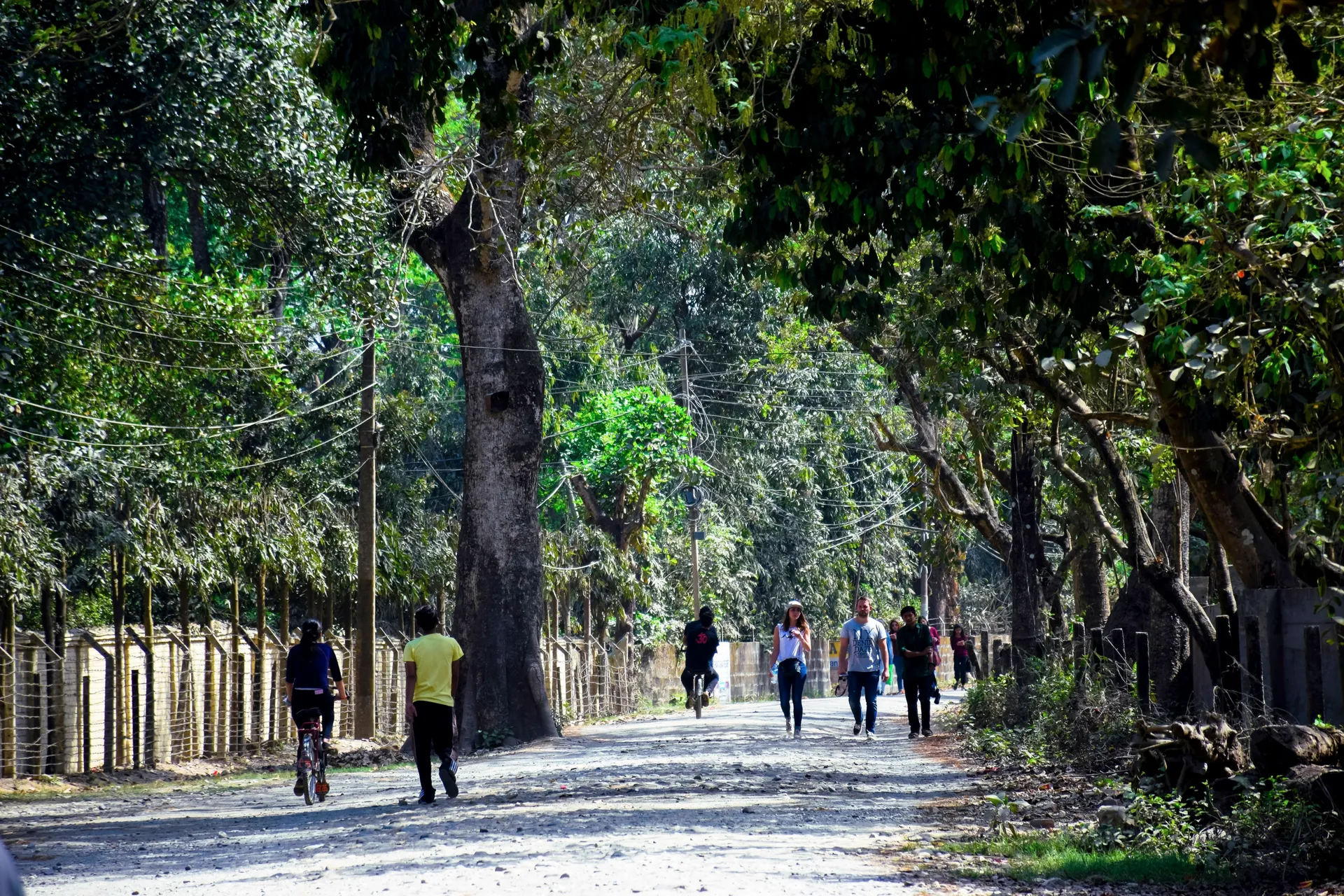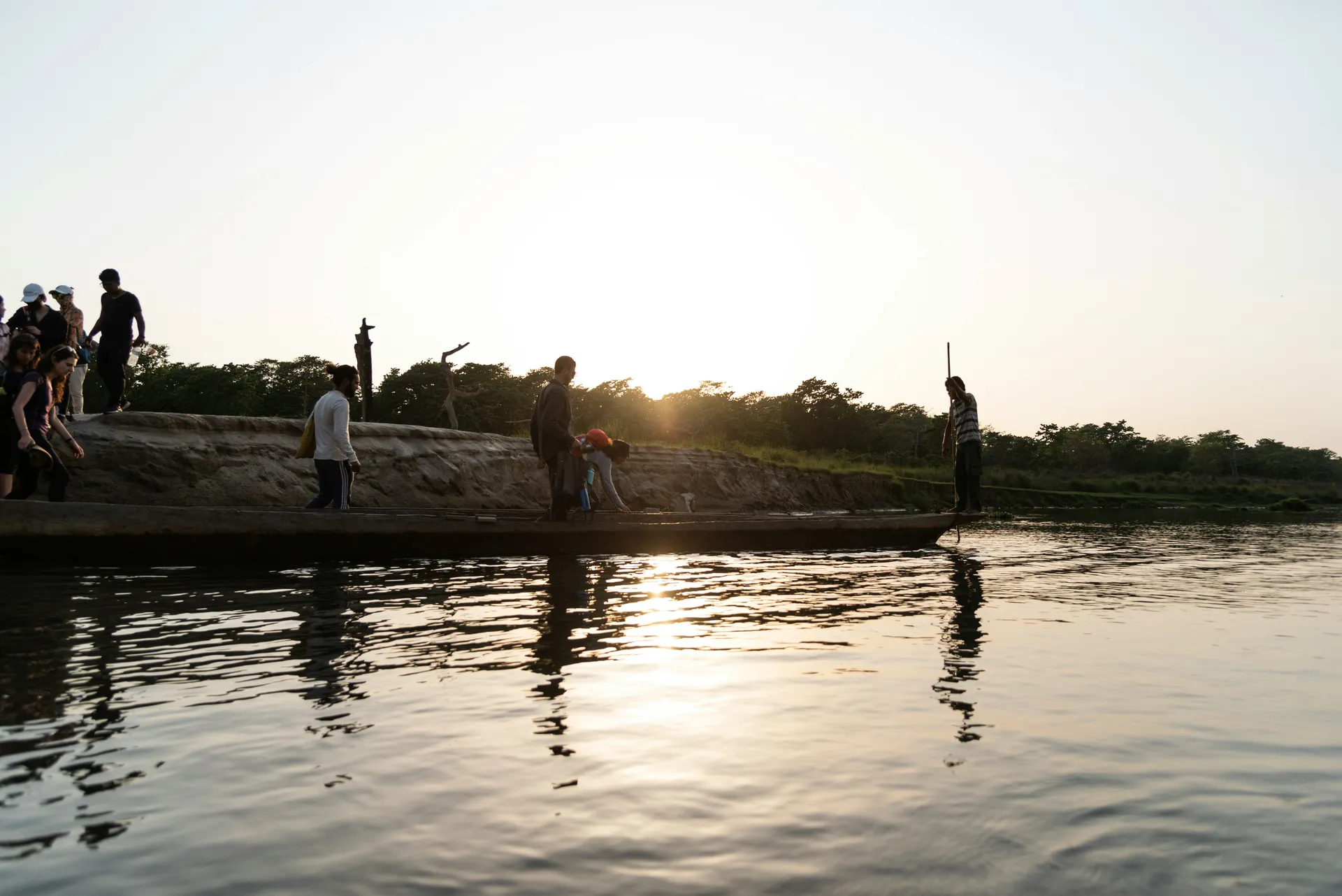
Chitwan National Park occupies the subtropical lowlands of Nepal's Terai region, a flat, forested belt along the Indian border that contrasts dramatically with the Himalayan peaks that dominate the country's popular image. Established as Nepal's first national park in 1973 and designated a UNESCO World Heritage Site in 1984, Chitwan protects 932 square kilometers of sal forest, grassland, and riverine habitat that supports one of the densest concentrations of wildlife in Asia—including the greater one-horned rhinoceros, the Bengal tiger, and the gharial crocodile.
The character of Chitwan is defined by the intimate scale of its wildlife encounters. Unlike East Africa's vast savannas, Chitwan's dense vegetation means encounters often happen at close range—a rhinoceros emerging from tall elephant grass thirty feet away, or a tiger's pugmarks fresh in the mud. The jungle walks, guided by trained naturalists and accompanied by armed guards, provide an on-foot safari experience that engages every sense.
The cuisine reflects the Tharu culture—the indigenous people of the Terai—and the broader Nepali tradition. Dal bhat, the national dish, is served twice daily. The Tharu kitchen adds river fish grilled with turmeric, snail curry, and wild greens. Lodge restaurants serve Indian-influenced curries and momos. A traditional Tharu dance performance provides insight into a culture intimately connected to the forest.
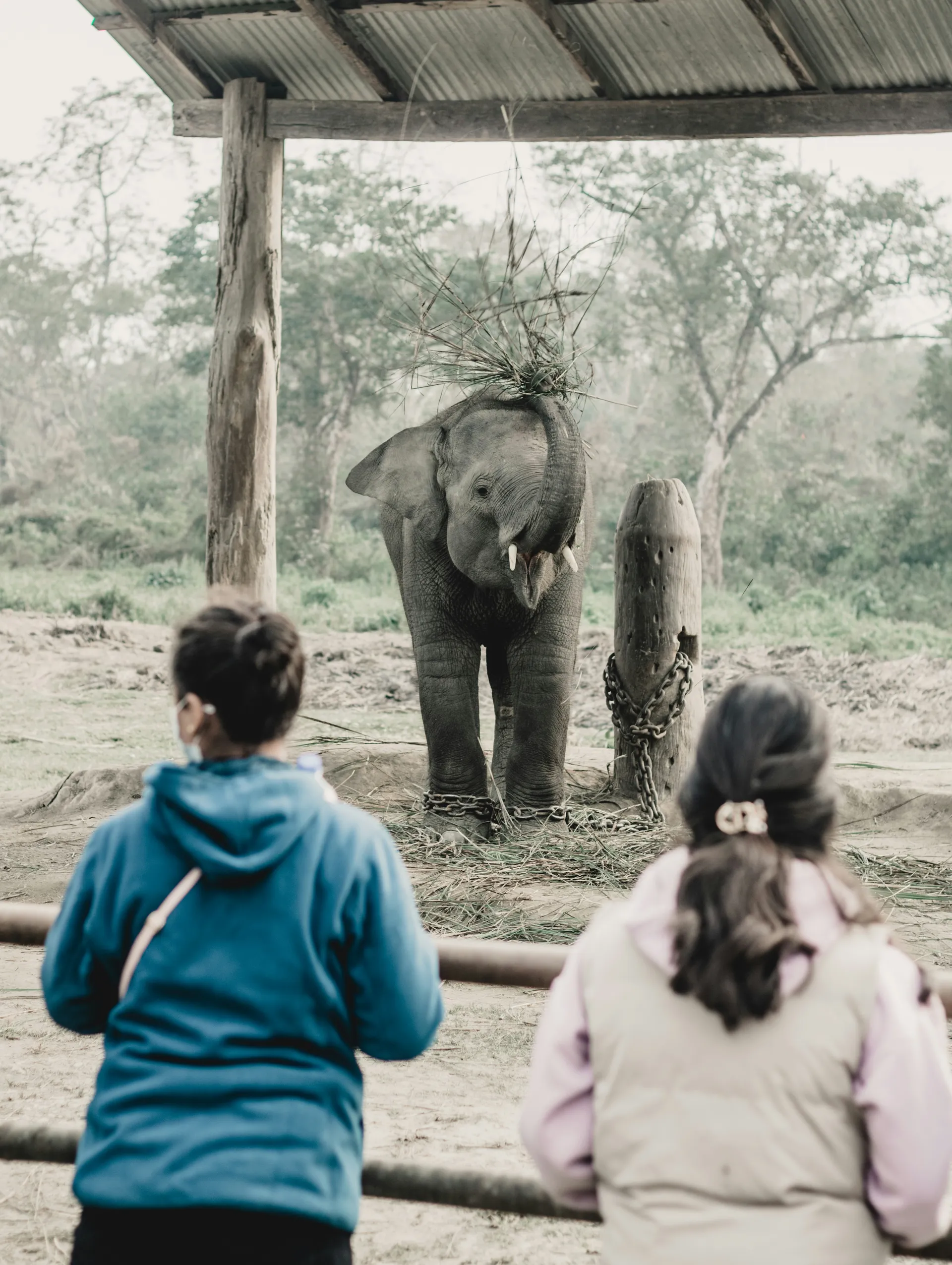
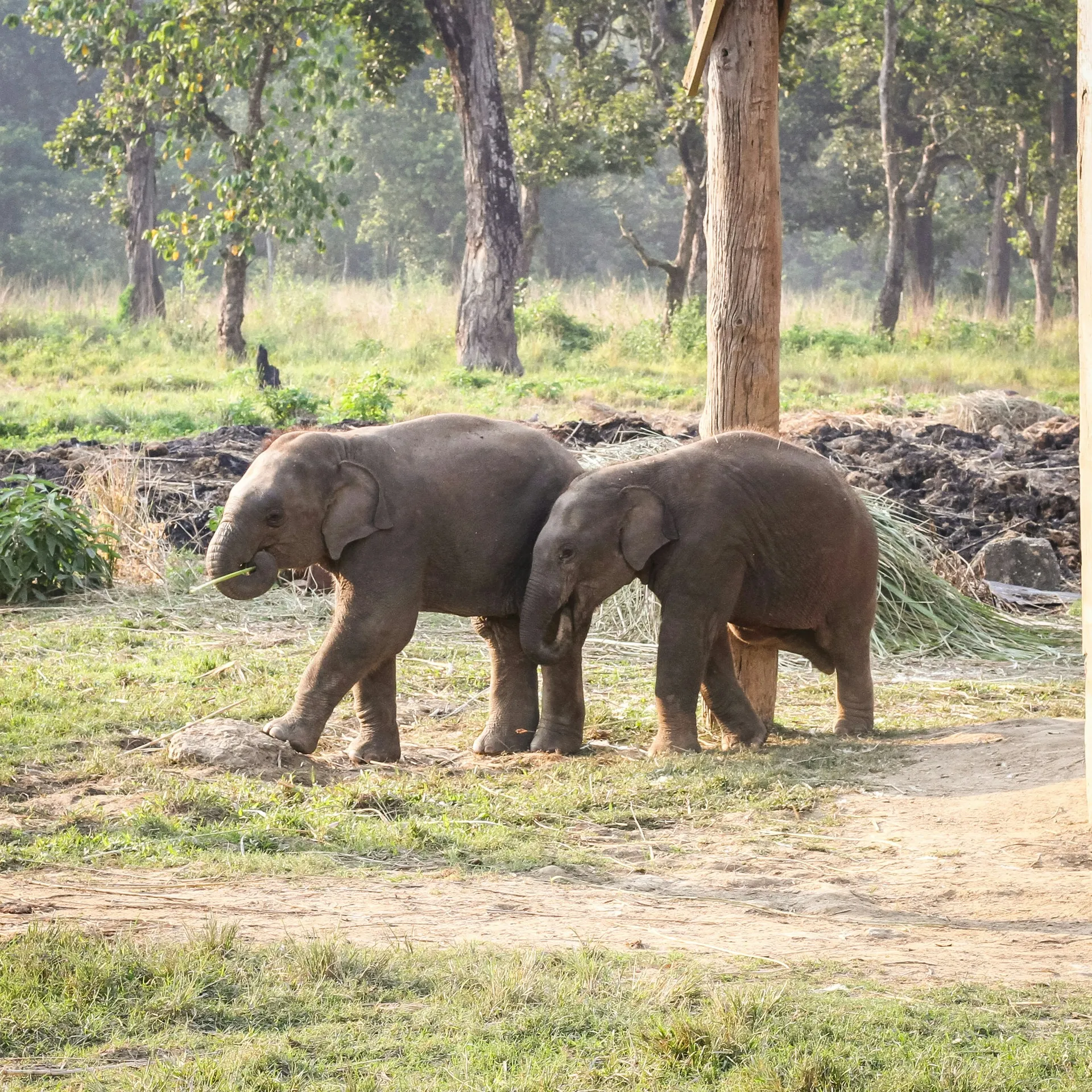
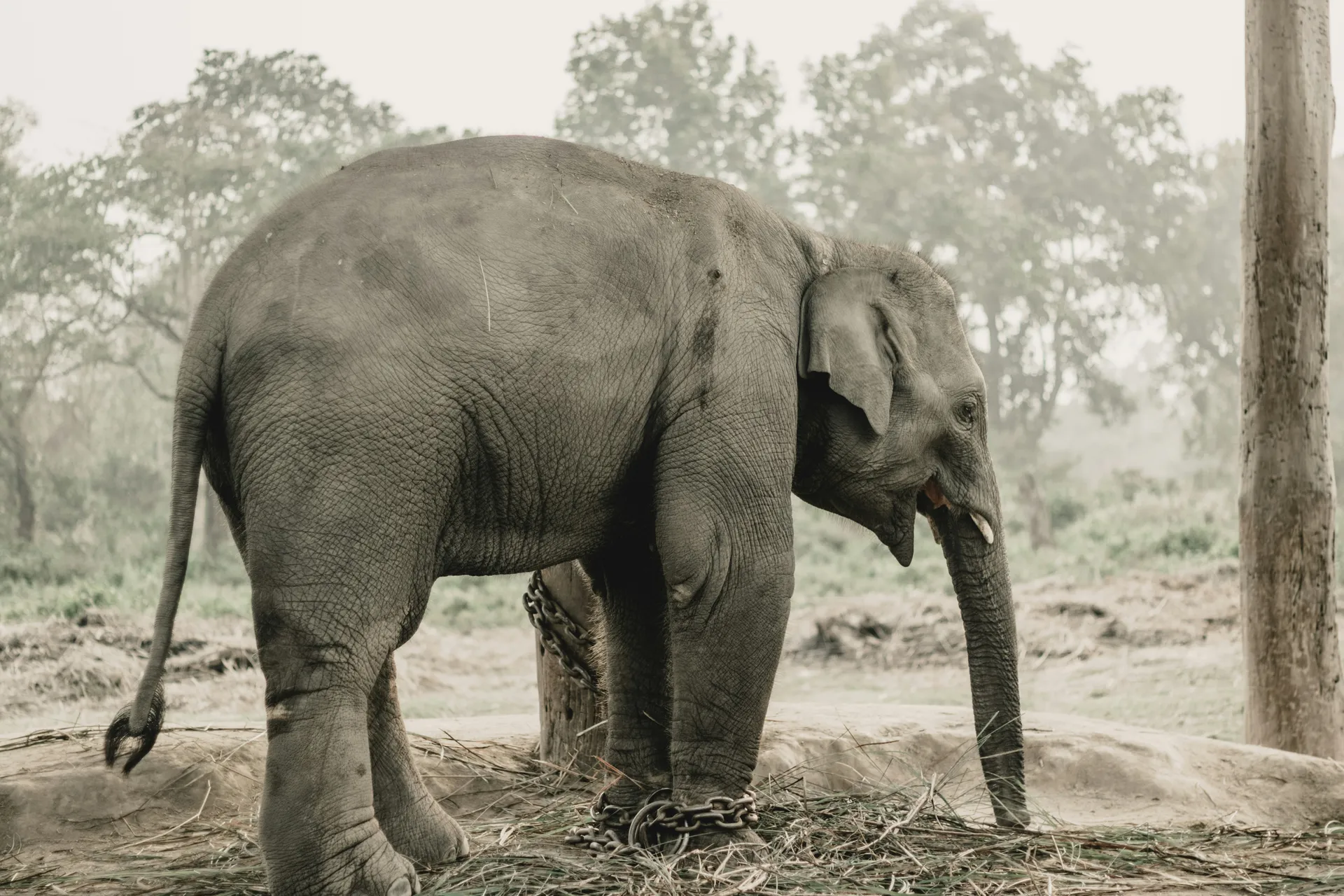
The wildlife is the primary draw. The greater one-horned rhinoceros population has recovered from fewer than 100 in the 1960s to over 700 today. Bengal tigers are present throughout but elusive. Over 600 bird species have been recorded. Jeep safaris, canoe rides on the Rapti and Narayani rivers, and elephant-back excursions provide varied approaches.
Chitwan is accessible from Kathmandu by road (five to six hours) or by flight to Bharatpur. The best time to visit is October through March, when the dry season provides the best wildlife visibility. February and March are particularly rewarding for tiger tracking, as reduced vegetation concentrates wildlife.