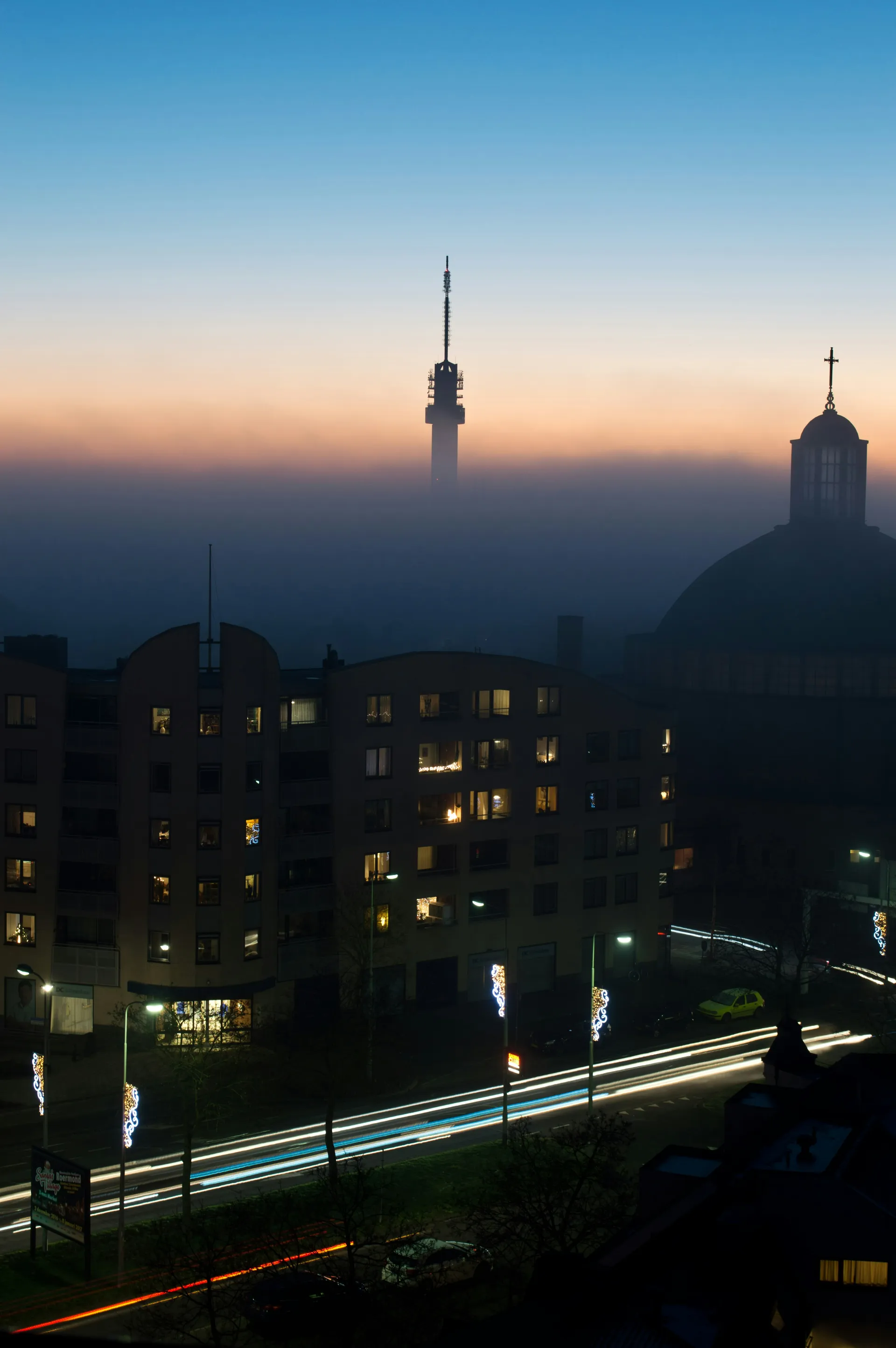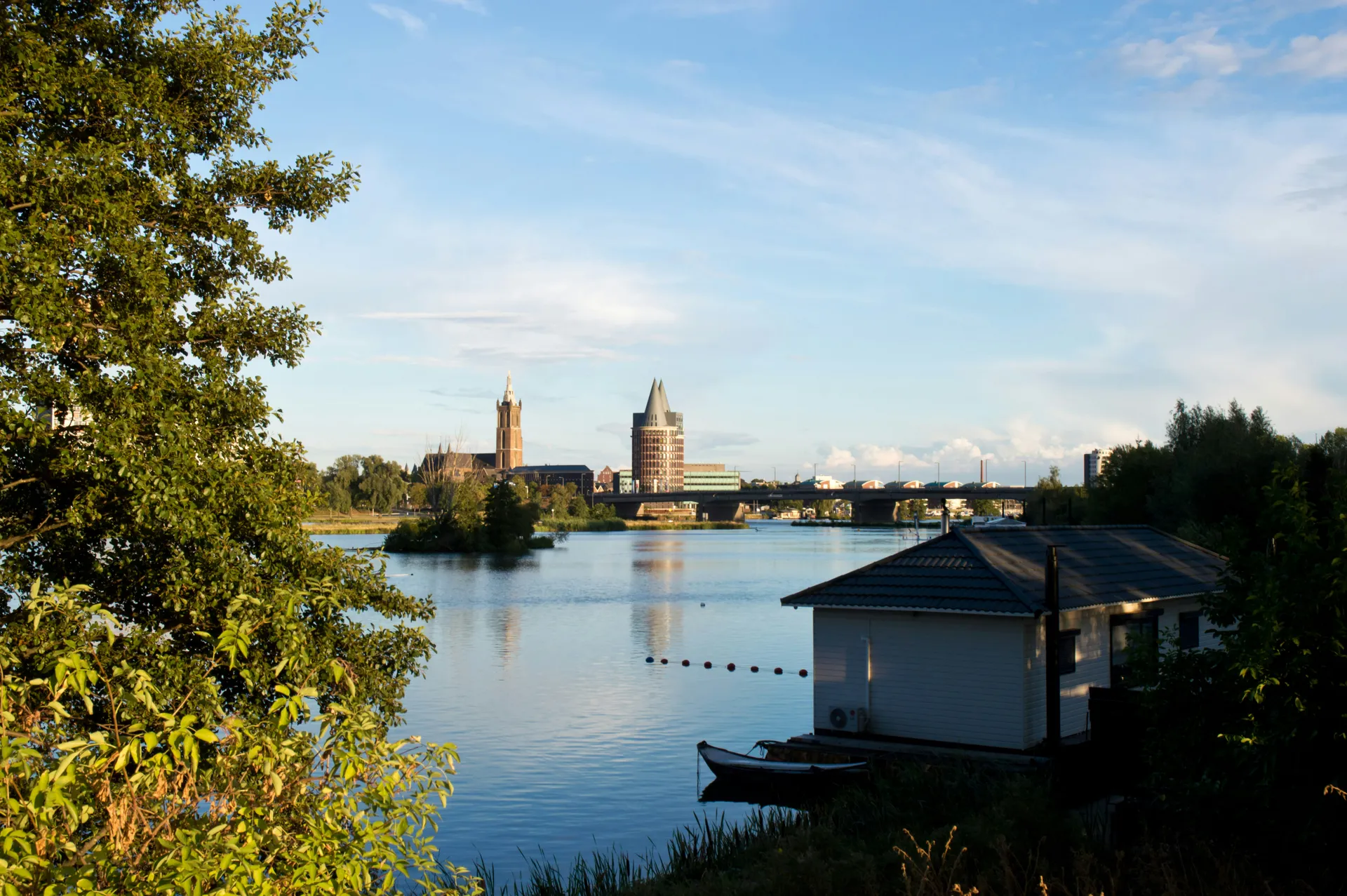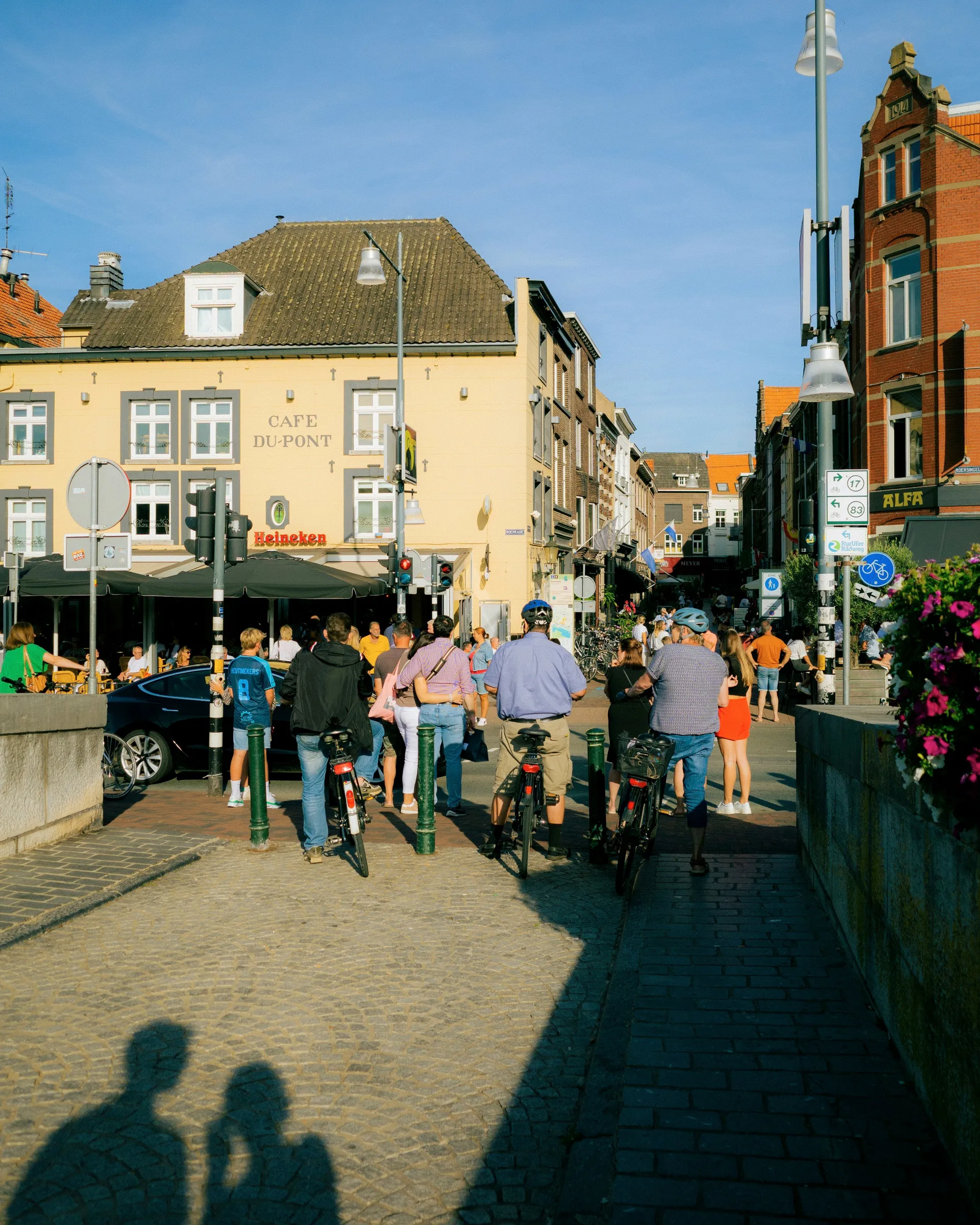
Roermond sits at the confluence of the Roer and Maas (Meuse) rivers in the southeastern Netherlands — a position that has placed it at the crossroads of European history for over two millennia. The Romans established a settlement here, the medieval bishops of Liege governed it, and the architectural legacy of these successive administrations survives in a compact old town whose Romanesque Munsterkerk, Gothic Cathedral, and the 16th-century Rattentoren (Rat Tower) create a historical ensemble of surprising depth for a Dutch city of 60,000. Pierre Cuypers, the architect who designed Amsterdam's Rijksmuseum and Central Station, was born in Roermond in 1827, and his influence is visible in the neo-Gothic churches and civic buildings that punctuate the cityscape.
The Munsterkerk (Minster Church), a late-Romanesque basilica completed in the 13th century, is Roermond's architectural masterpiece — its twin-towered west facade and interior of Maas-region limestone represent one of the finest examples of Romanesque church architecture in the Netherlands. The church houses the tomb of Gerard III of Gelre and Margaret of Brabant, whose recumbent effigies have lain side by side since the 13th century, their crossed ankles and clasped hands creating one of the most touching funerary monuments in the Low Countries. The Cathedral of St. Christopher, rebuilt by Cuypers after severe damage in World War II, anchors the main square with a spire that serves as the city's orientation point.
The food culture of Roermond and the surrounding Limburg province is the most Burgundian in the Netherlands — a reflection of the region's historical connections to the Southern Low Countries and the Rhineland rather than to the austere Protestant north. Vlaai, the open-faced fruit tart that is Limburg's signature pastry, appears in every bakery in dozens of varieties — cherry, apricot, rice pudding, plum — and constitutes a regional identity marker as significant as any architecture or dialect. The asparagus season in May and June, when the white asparagus of Limburg (prized as among the finest in Europe) appears on every restaurant menu served with ham, butter sauce, and new potatoes, is a gastronomic event celebrated with festivals and dedicated menus.
The Maasplassen — a series of interconnected lakes created by gravel extraction along the Maas river — have been transformed into one of the Netherlands' premier recreational landscapes. The lakes, stretching south from Roermond toward the Belgian border, provide swimming, sailing, and the waterfront dining that draws Dutch and German day-trippers throughout the summer. The Nationaal Park De Meinweg, east of Roermond, preserves a rare landscape of terraced river terraces, heathland, and mixed forest that provides hiking and cycling in terrain unusually hilly for the Netherlands. The Designer Outlet Roermond, one of the largest outlet shopping centres in Europe, adds a decidedly contemporary dimension to the city's visitor appeal.
Roermond is served by Uniworld River Cruises on Maas/Meuse river itineraries, with vessels mooring at the city's riverside quay. The most pleasant visiting season runs from April through October, with the asparagus season in May-June and the warm summer months offering the most appealing combination of weather, gastronomy, and outdoor recreation along the river and lakes.