At the western edge of the Wadden Sea, where the North Sea meets the shallow tidal flats that UNESCO recognized as a World Heritage Site, the island of Texel presides as the largest and most diverse of the Dutch Wadden Islands. The Romans knew this barrier island as a staging point for their fleet; medieval merchants used its harbors to shelter from North Sea storms; and during the Second World War, a remarkable Georgian uprising against the German garrison made Texel the site of the last European battle of the conflict, ending after VE Day. This layered history gives the island a depth that its cheerful, holiday-resort reputation sometimes obscures.
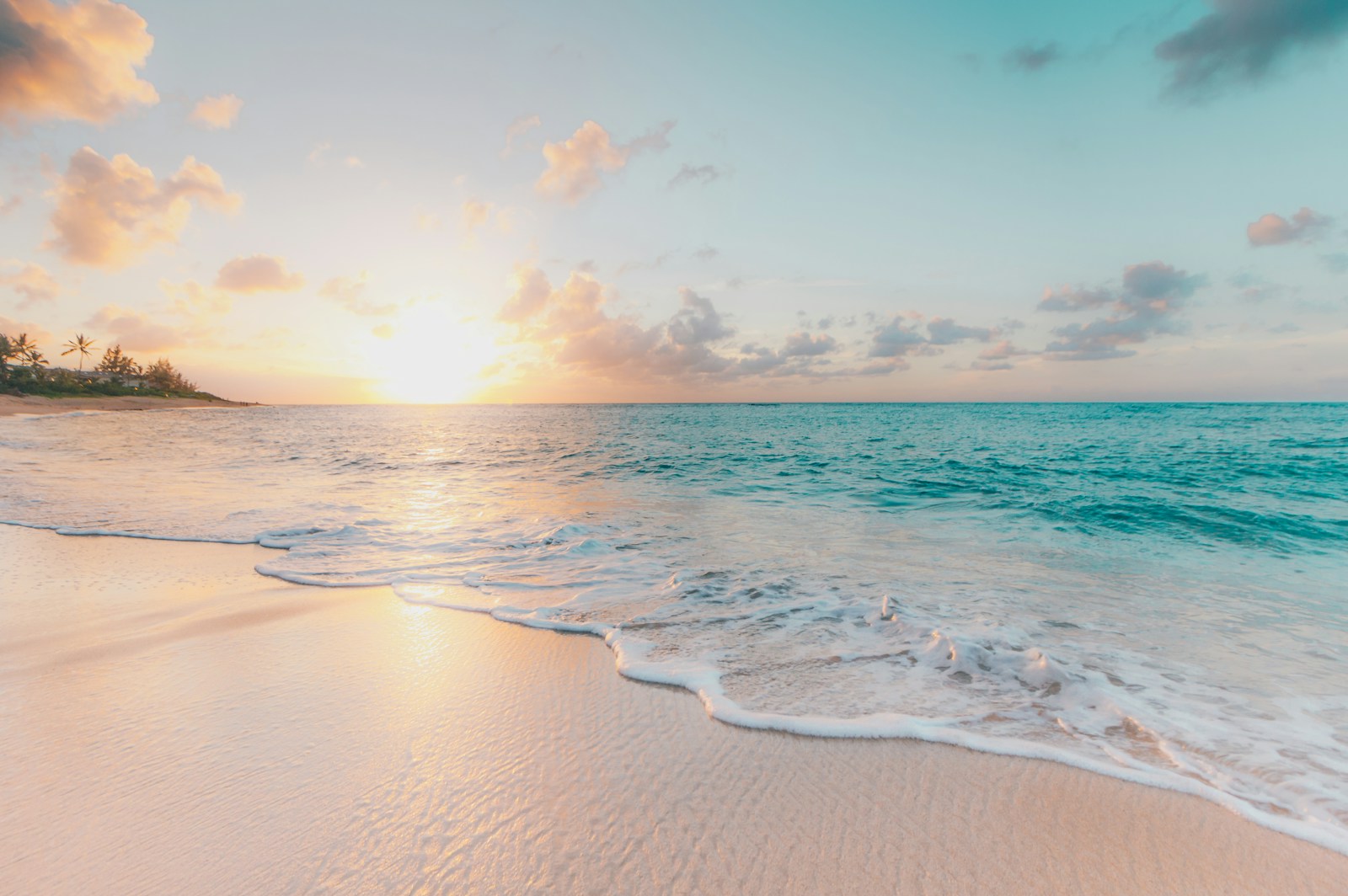
Modern Texel is a place of remarkable ecological variety compressed into a surprisingly compact area. At just 160 square kilometers, the island encompasses broad sandy beaches on its western North Sea coast, sheltered tidal mudflats on the eastern Wadden Sea side, rolling dune landscapes colonized by sea buckthorn and wild roses, polders reclaimed from the sea, and dense woodland—all connected by an extensive network of cycling paths that make the bicycle the preferred mode of transport. The nature reserves of De Slufter and De Muy, where the sea breaches the dunes to create brackish lagoons, support some of the Netherlands' most important breeding bird populations, including avocets, spoonbills, and short-eared owls.
Texel's food culture has evolved from humble fishing-village fare into something genuinely compelling. The island's sheep population famously outnumbers its human residents, and Texel lamb—salt-grazed on the mineral-rich coastal meadows—is considered among the finest in Europe, exported to Michelin-starred restaurants on the mainland. The Texel Beer Brewery produces a range of craft beers using locally malted barley, while the island's sole vineyard defies climatic expectations with creditable white wines. Seafood remains central: Texel shrimp, hand-peeled and served on buttered bread, and smoked mackerel from the harbor smokehouse in Oudeschild are island institutions.
Beyond the beaches and nature reserves, Texel offers cultural attractions that surprise first-time visitors. The Kaap Skil maritime museum in Oudeschild, winner of the European Museum of the Year award, houses a spectacular collection of artifacts recovered from the Wadden Sea floor, including a seventeenth-century dress preserved in anaerobic mud and a treasure trove of VOC-era coins. The Ecomare nature center combines a seal rehabilitation facility with aquariums showcasing North Sea marine life and exhibits on the Wadden ecosystem. The village of Den Burg, the island's modest capital, hosts a weekly market where local cheeses, honey, and handicrafts are traded.
Texel is reached by a twenty-minute ferry from Den Helder on the North Holland coast, with departures every hour throughout the day. The island is a year-round destination, though the warmest months of June through September offer the best beach and cycling weather. Spring brings spectacular wildflower displays in the dune systems, while autumn and winter attract serious birdwatchers to the tidal flats. Bicycle rental is available at the ferry terminal and throughout the island, and the flat terrain makes cycling accessible to all fitness levels.

