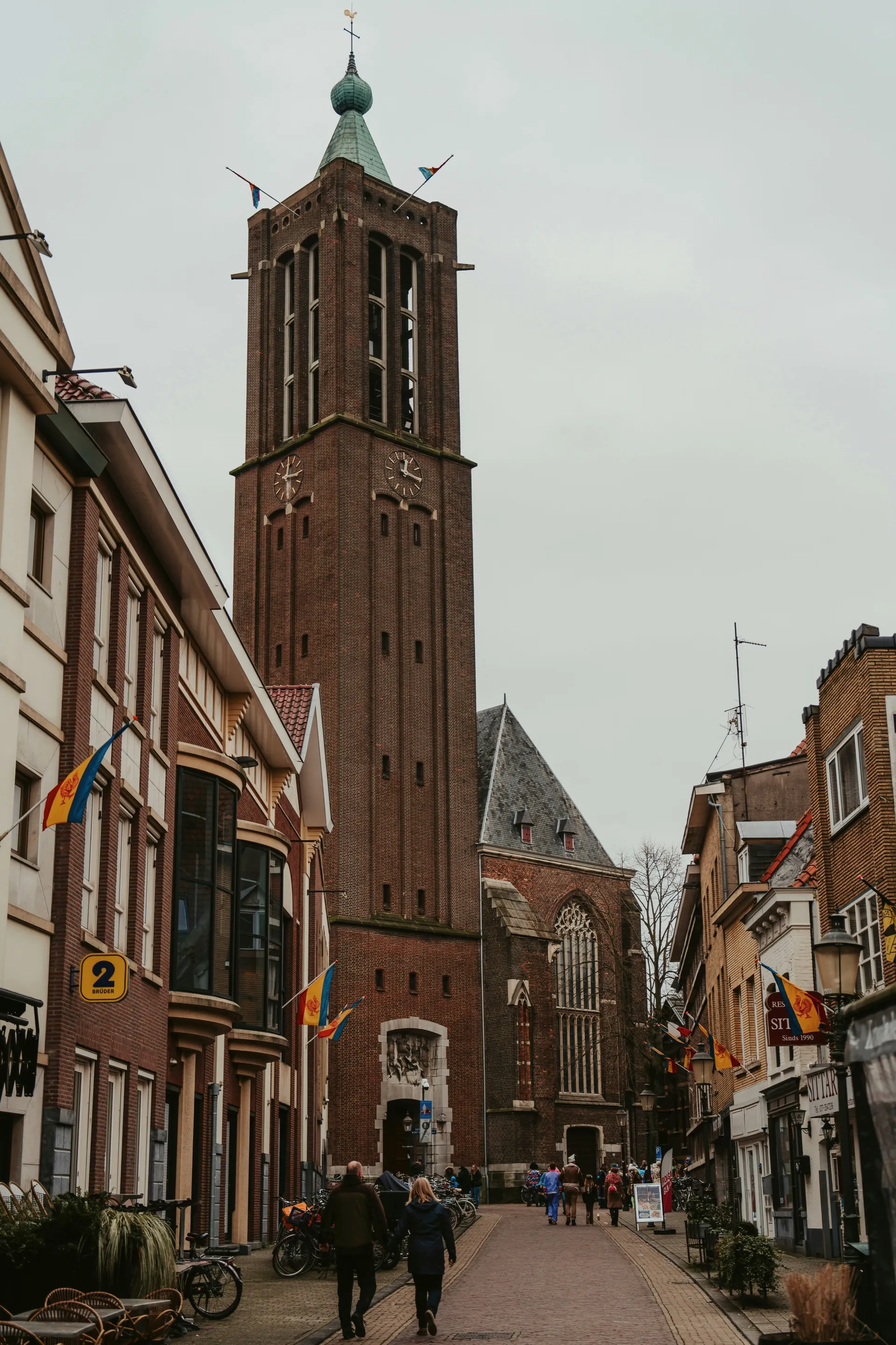
On the banks of the Meuse River, where the Netherlands reaches eastward to brush against Germany's Rhineland, the city of Venlo has been a crossroads of commerce and culture since the Romans established a settlement here two millennia ago. Medieval merchants made it a prosperous trading hub within the Hanseatic League, and the city's strategic position on the river ensured that nearly every European conflict from the Eighty Years' War to World War II left its mark on the urban fabric. The reconstructed Stadhuis and the Gothic Sint-Martinuskerk stand as testaments to a city that has rebuilt itself repeatedly, each time preserving the memory of what came before.
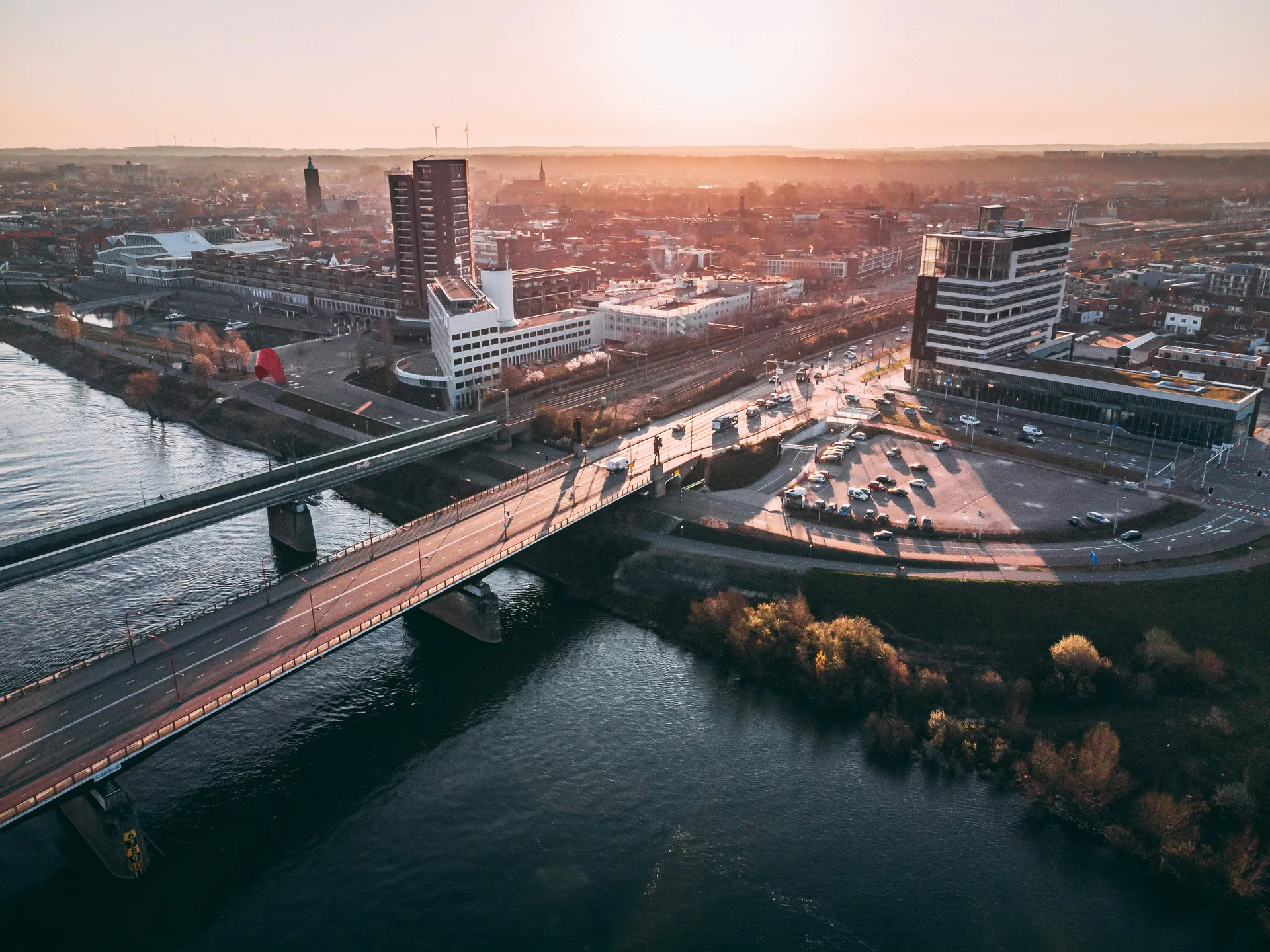
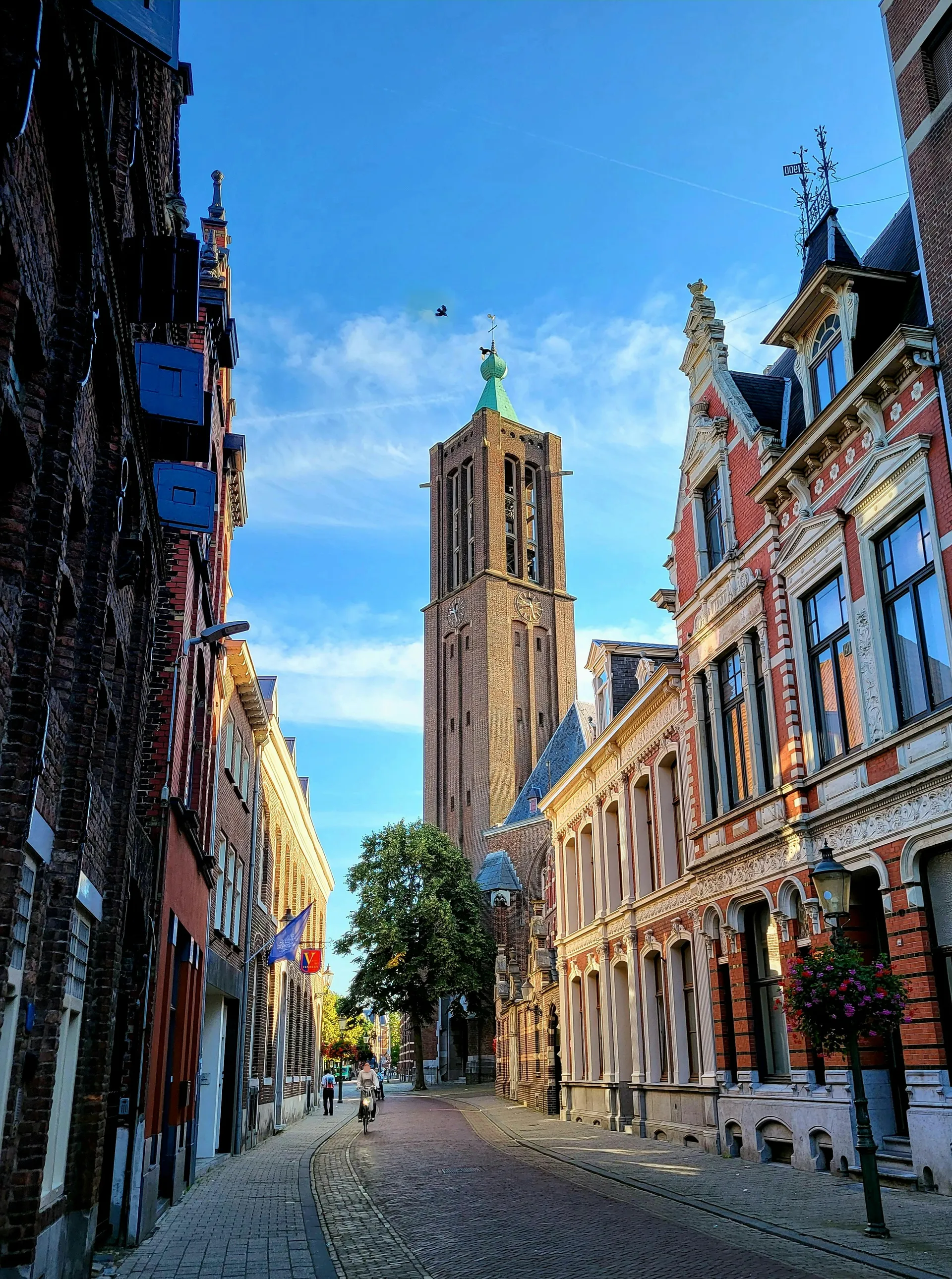
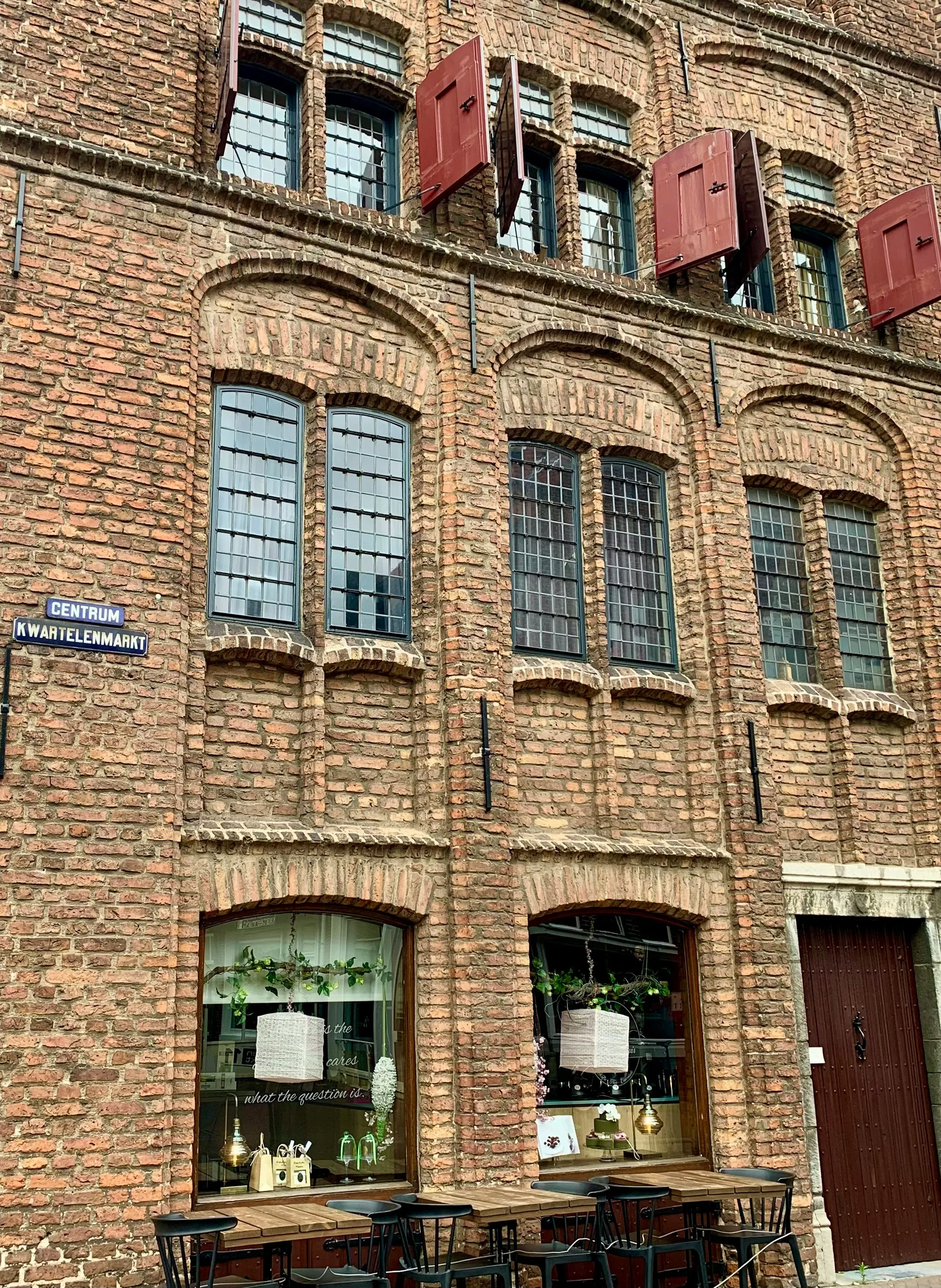
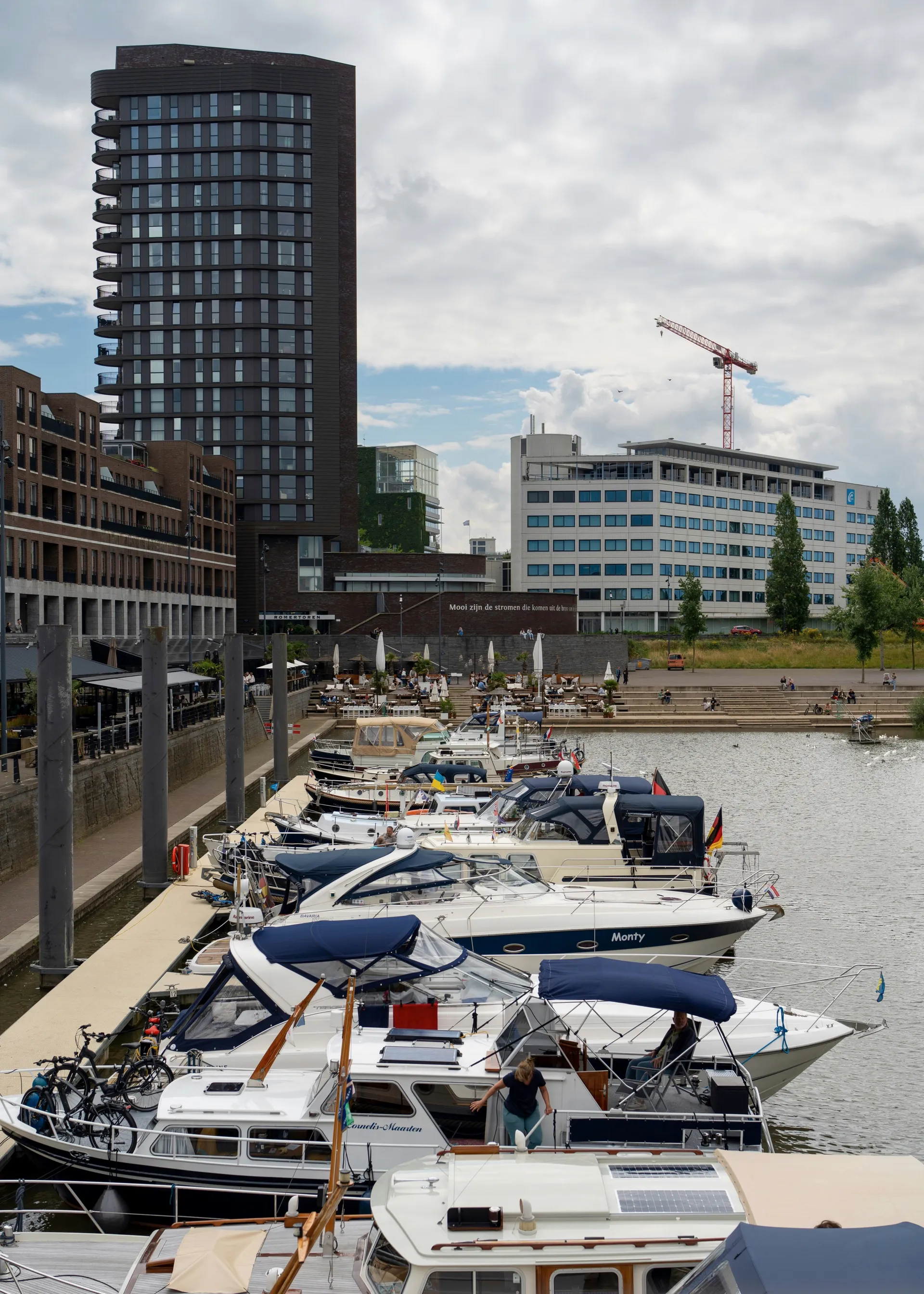
Modern Venlo presents a quietly appealing riverside cityscape that rewards unhurried exploration. The compact old town, centered on the Markt square, mixes reconstructed medieval facades with contemporary Dutch architecture in a way that feels organic rather than jarring. The Limburgs Museum, housed in a striking modernist building, traces the cultural history of the southern Netherlands from prehistoric times through a series of immersive installations that avoid the stuffiness of traditional museums. Along the river promenade, pleasure boats and commercial barges share the waterway, while cafés spill onto terraces that face the water and catch the afternoon sun.
The culinary identity of Venlo is shaped by its position in Limburg, the most gastronomically distinct province in the Netherlands. Limburgse vlaai—a fruit-filled pastry that bears no resemblance to the dry pies found elsewhere in the country—is the region's signature indulgence, available in dozens of varieties from cherry to apricot to rice pudding. The local cuisine leans toward the Burgundian traditions of neighboring Belgium and Germany: asparagus in spring, game in autumn, and year-round devotion to rich stews and artisanal cheeses. Venlo's weekly market, one of the largest in the southern Netherlands, transforms the city center each Saturday with stalls selling local produce, flowers, and the Indonesian street food that has become as Dutch as the windmill.
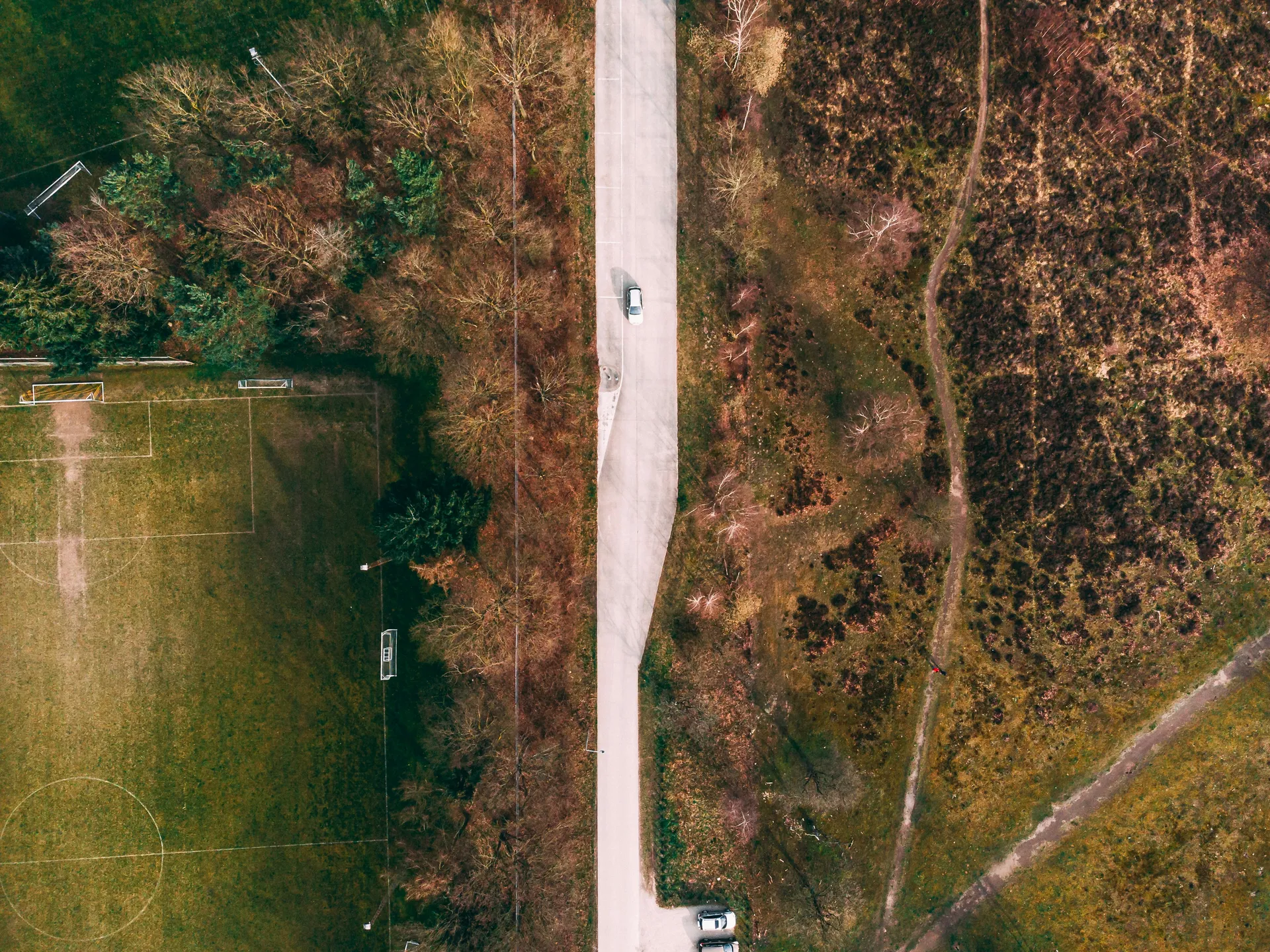
The region surrounding Venlo offers landscape and cultural experiences that extend well beyond the riverbanks. The Arcen Castle Gardens, just north of the city, encompass seventeen themed gardens including a magnificent rosarium with over 8,000 bushes and a tropical conservatory filled with Casa Blanca lilies. The Maasduinen National Park, stretching along the river to the north, preserves one of the longest inland dune systems in Europe—a landscape of shifting sand, heathland, and pine forest traversed by cycling and walking trails. Across the German border, barely twenty minutes by car, the historic city of Düsseldorf offers world-class art museums and the famous Altstadt brewery district.
River cruises on the Meuse typically dock at Venlo's centrally located quay, placing passengers within walking distance of the old town and major attractions. The city is a year-round destination, though spring and summer offer the most pleasant conditions for riverside strolling and garden visits. The Venlo Carnival, celebrated in February with parades, costumes, and the temporary renaming of the city, reveals a side of Dutch culture rarely seen above the rivers—exuberant, Catholic, and thoroughly Burgundian in spirit. Market days are Saturday and Monday.