Where the Westerschelde estuary opens to the North Sea, Vlissingen — known in English as Flushing — has stood guard over one of Europe's most strategically vital waterways for over a thousand years. This Zeeland port city played an outsized role in Dutch history: it was home to Michiel de Ruyter, the greatest admiral in Dutch naval history; it served as the launching point for the Sea Beggars' revolt against Spanish rule that birthed the Dutch Republic; and it endured devastating bombardment during World War II's Battle of the Scheldt, which opened Antwerp's port to Allied supply ships and hastened the liberation of the Netherlands. Today, Vlissingen wears its martial heritage with the quiet dignity of a city that has earned its peace.
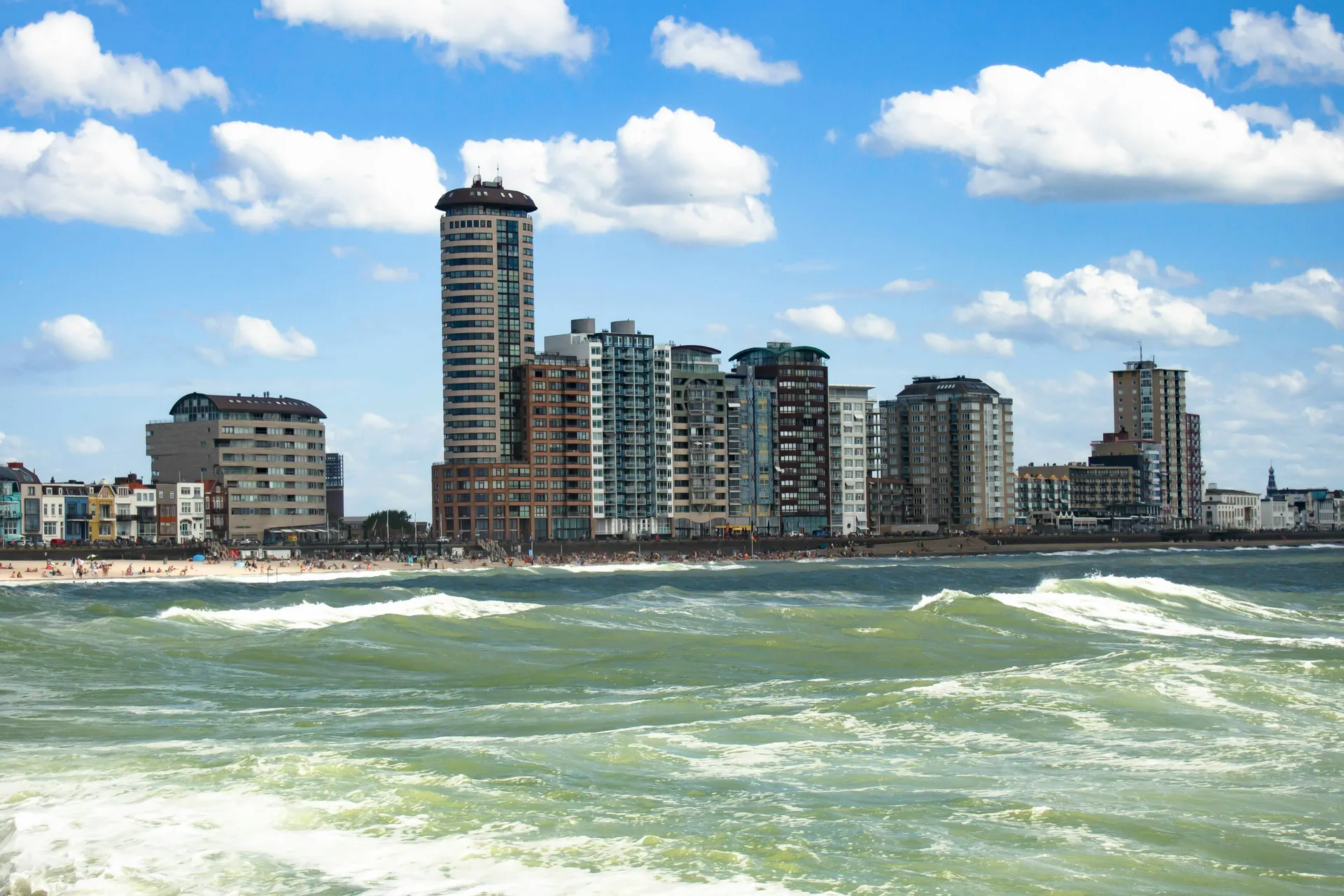
The Boulevard, Vlissingen's magnificent seafront promenade stretching over three kilometers along the mouth of the Westerschelde, provides one of the most dramatic waterfronts in the Low Countries. From this elevated walkway, visitors can observe the procession of ocean-going vessels navigating the estuary to and from Antwerp — one of Europe's largest ports — creating a continuous marine pageant that ranges from massive container ships to elegant sailing vessels. The statue of de Ruyter gazes seaward from the boulevard, while the old town behind offers a compact grid of streets lined with seventeenth and eighteenth-century houses that survived the wartime destruction.
The MuZEEum, Vlissingen's maritime and local history museum, traces the city's relationship with the sea from its medieval origins through the Dutch Golden Age to the modern era. The collection includes ship models, navigation instruments, and paintings that document the VOC (Dutch East India Company) era, when Vlissingen served as one of the company's six chambers — its merchants growing wealthy from the spice trade that defined Dutch imperial ambitions. The Casemate Museum, housed in a nineteenth-century coastal fortification, provides a more visceral historical experience, with its dark chambers and gun emplacements evoking the defensive realities of controlling this strategic waterway.
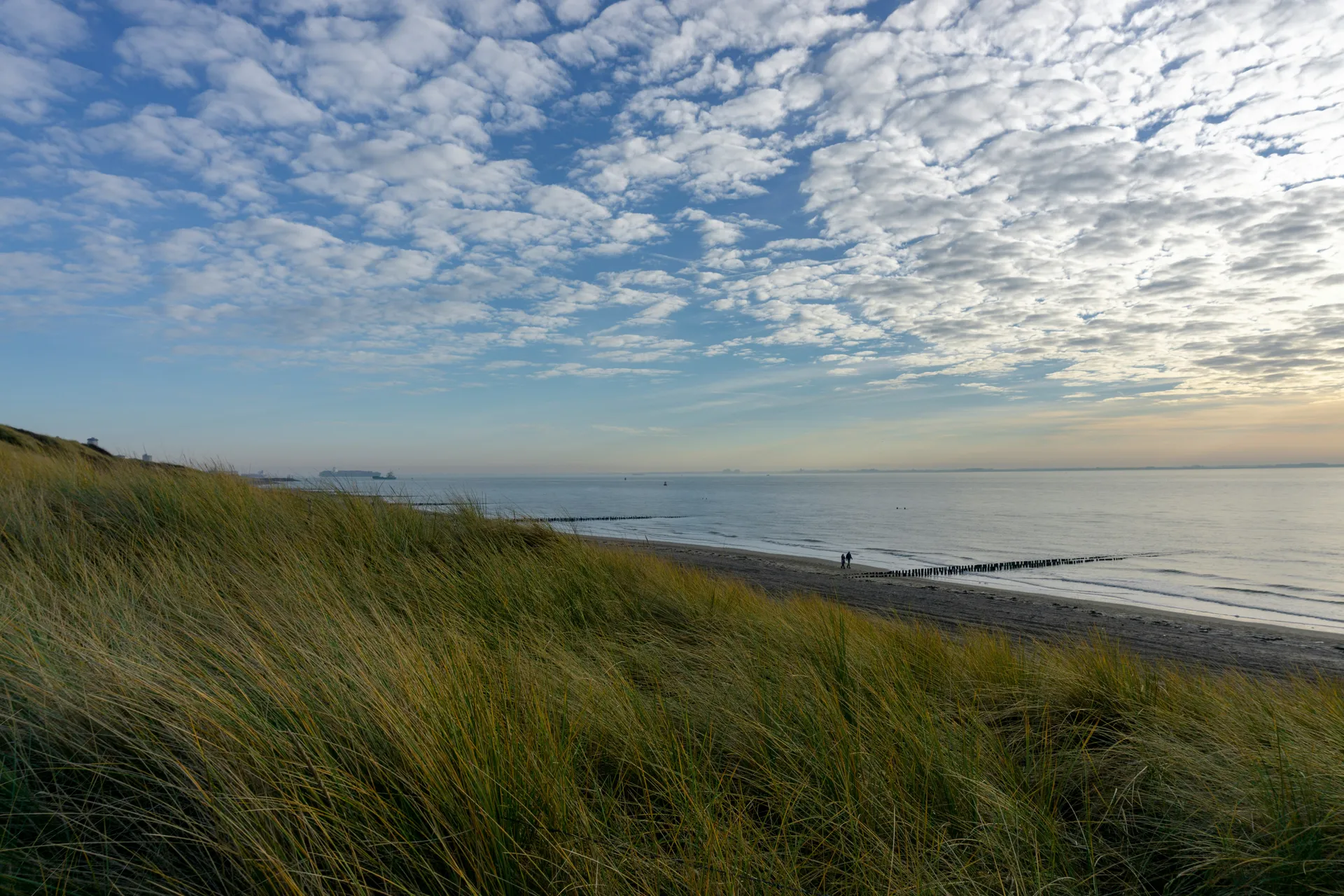
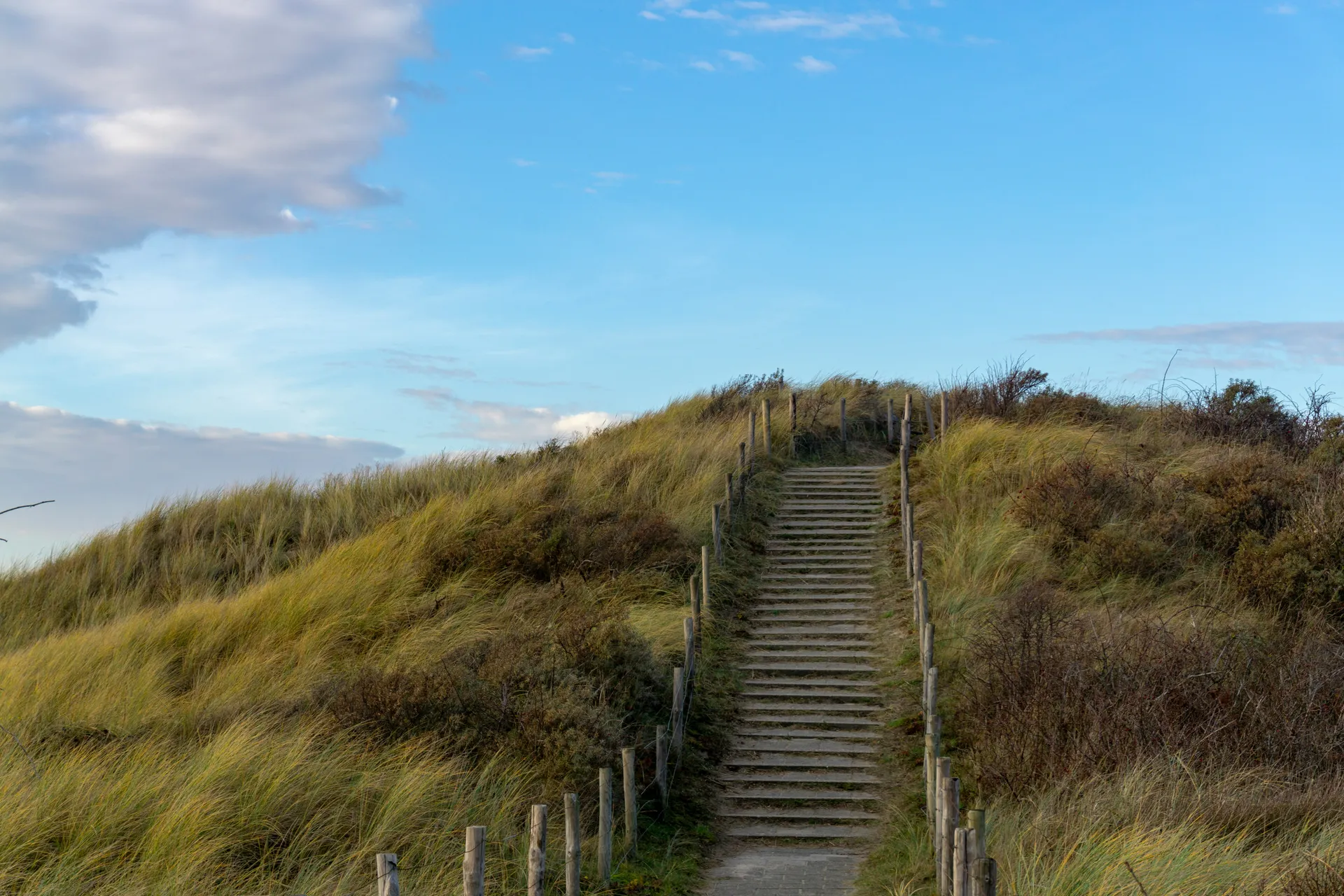
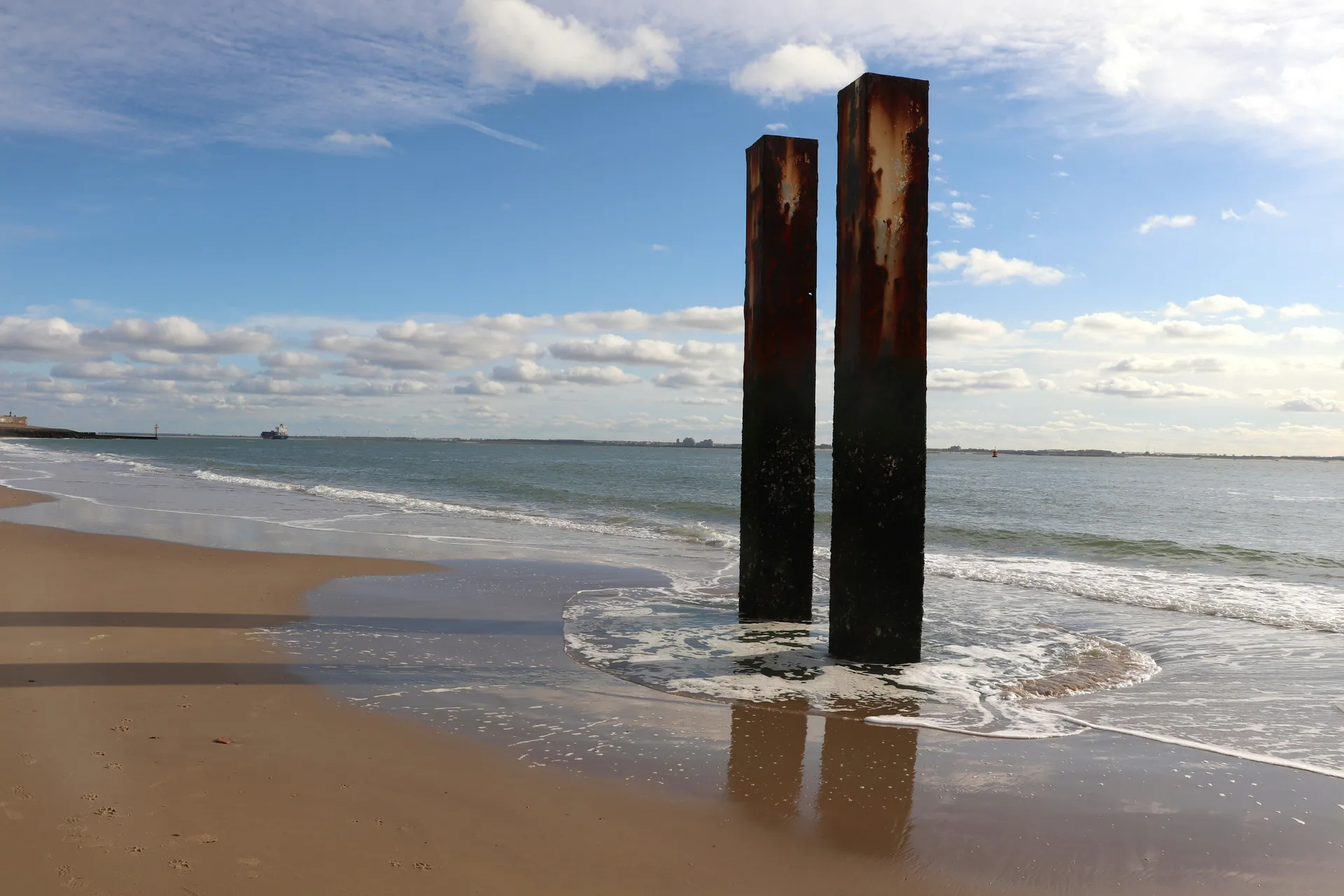
The broader province of Zeeland offers compelling exploration beyond Vlissingen. Middelburg, the provincial capital just seven kilometers away, possesses one of the most beautiful historic centers in the Netherlands, with its Gothic town hall, seventeenth-century merchants' houses, and the towering Lange Jan church tower providing a concentrated masterclass in Dutch architecture. The Delta Works — the massive storm surge barriers built after the catastrophic 1953 North Sea flood — represent one of the greatest engineering achievements of the twentieth century and can be visited at the Neeltje Jans exhibition center. The beaches of Zeeland's North Sea coast stretch for miles, offering some of the Netherlands' finest coastal walking and, surprisingly, excellent surfing.
A-ROSA and Viking include Vlissingen in their North Sea and Rhine-delta itineraries, with vessels docking in the city's well-equipped harbor. The cruising season runs from April through October, with summer providing the warmest weather and the longest days for exploring the boulevard and the surrounding coast. Vlissingen serves as an excellent gateway to the broader Zeeland experience — the nearby towns of Delft and the waterways of Giethoorn are within excursion reach, while the city itself offers enough maritime history, seafood restaurants, and waterfront atmosphere to reward a full day of exploration.