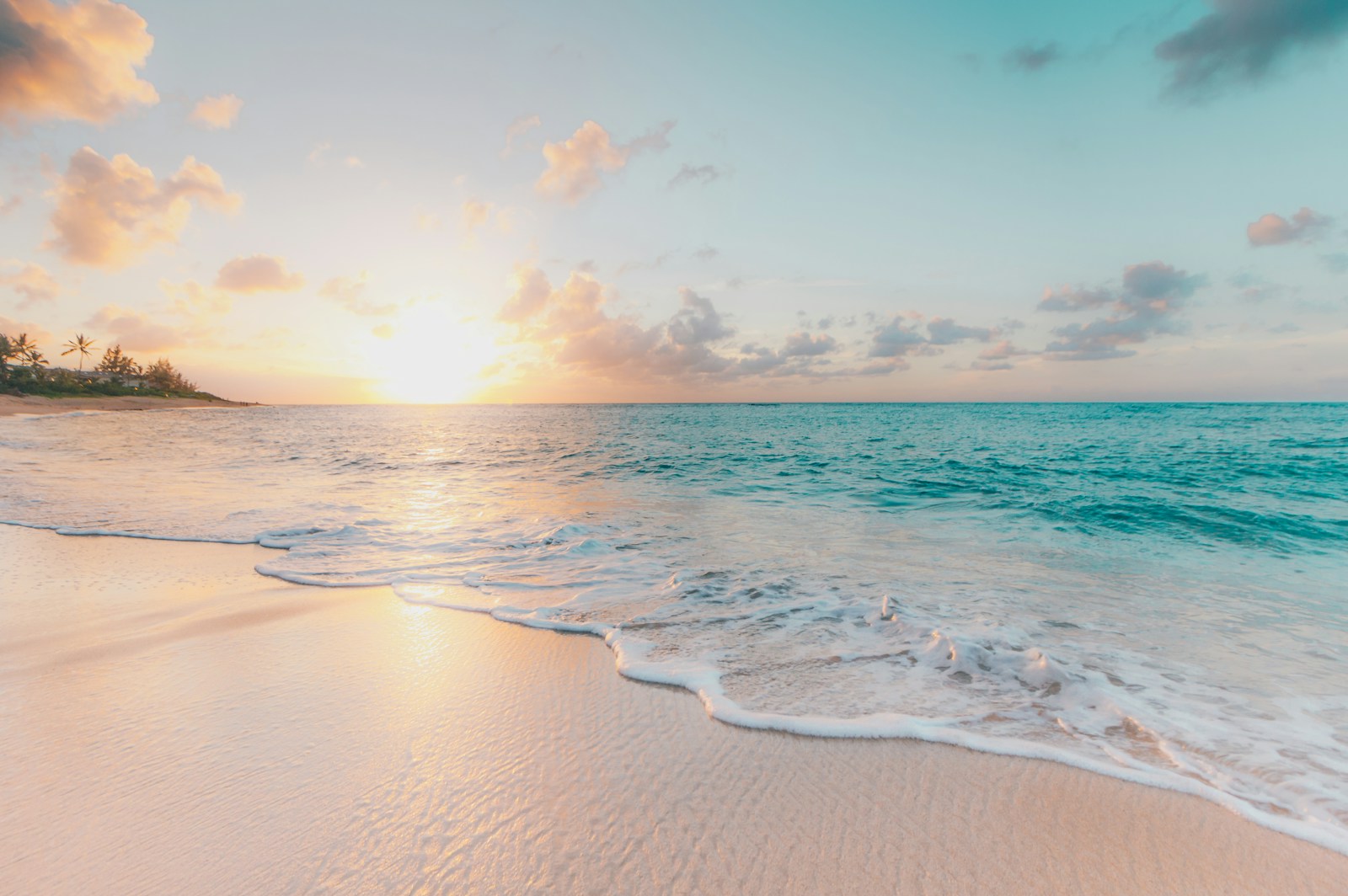
The Kuna people of the Pacific called it "the closest island to paradise," and when Captain James Cook first sighted the Isle of Pines in 1774, he named it for the towering columnar pines — Araucaria columnaris — that rose like natural cathedral spires from its shores. This small island at the southern end of New Caledonia's lagoon, itself a UNESCO World Heritage Site, possesses a beauty so extravagant it challenges credulity: water in impossible shades of blue, sand so white and fine it squeaks underfoot, and those extraordinary pines standing sentinel along beaches that feel genuinely primordial.
Kuto Bay, on the island's western shore, is where most cruise passengers first encounter this extraordinary place. The bay opens in a perfect horseshoe of powdery white sand, its waters shifting through a palette of aquamarine, turquoise, and deep cobalt as the seafloor descends from shallow sandbars to the depths of the lagoon. The Araucaria pines lean over the beach at improbable angles, their distinctive columnar forms creating a landscape unlike anywhere else on Earth — these trees are endemic to New Caledonia and have remained essentially unchanged for millions of years, living fossils from the age of dinosaurs. The water clarity is extraordinary, with visibility often exceeding thirty meters, revealing gardens of coral and schools of tropical fish visible from the surface.
Swimming and snorkeling at Kuto Bay and the adjacent Kanumera Bay are experiences of almost meditative perfection. Kanumera Bay, separated from Kuto by a narrow isthmus, is considered sacred by the local Kanak people, and its waters are, if anything, even more spectacular — a natural aquarium of parrotfish, butterflyfish, and occasional sea turtles. Between the two bays, a formation known as the Sacred Rock holds spiritual significance for the indigenous Kanak community, and visitors are asked to respect its cultural importance. The snorkeling here requires no boat trip or extensive swim; simply wade in from the beach and within meters you are immersed in a thriving coral ecosystem.
The Isle of Pines offers more than beach perfection. The natural swimming pool at Oro Bay, a coral-enclosed lagoon of surreal clarity, can be reached by a pleasant forest walk or short boat ride. The island's interior reveals red-earth trails winding through forests of Araucaria and niaouli trees, with occasional clearings offering views across the entire lagoon. The Kanak people, who have inhabited the island for thousands of years, maintain a living culture visible in traditional case houses, carved totems, and ceremonial grounds. Local cuisine features bougna, a traditional Melanesian dish of root vegetables, coconut milk, and chicken or lobster cooked in banana leaves over hot stones — a method of preparation that predates written history.
Cruise ships anchor in the deep waters off Kuto Bay, with passengers tendered to the beach. The island receives relatively few visitors compared to more accessible Pacific destinations, preserving its extraordinary character. The dry season from September to December offers the best conditions, with warm temperatures and minimal rainfall. There are no resorts in the conventional sense — accommodation is limited to small guesthouses and bungalows — which means the island's beauty remains largely uncompromised. Bring reef-safe sunscreen, snorkeling equipment, and water shoes for the coral shallows. Kuto Bay is one of those rare places where the reality surpasses even the most extravagant expectations.

