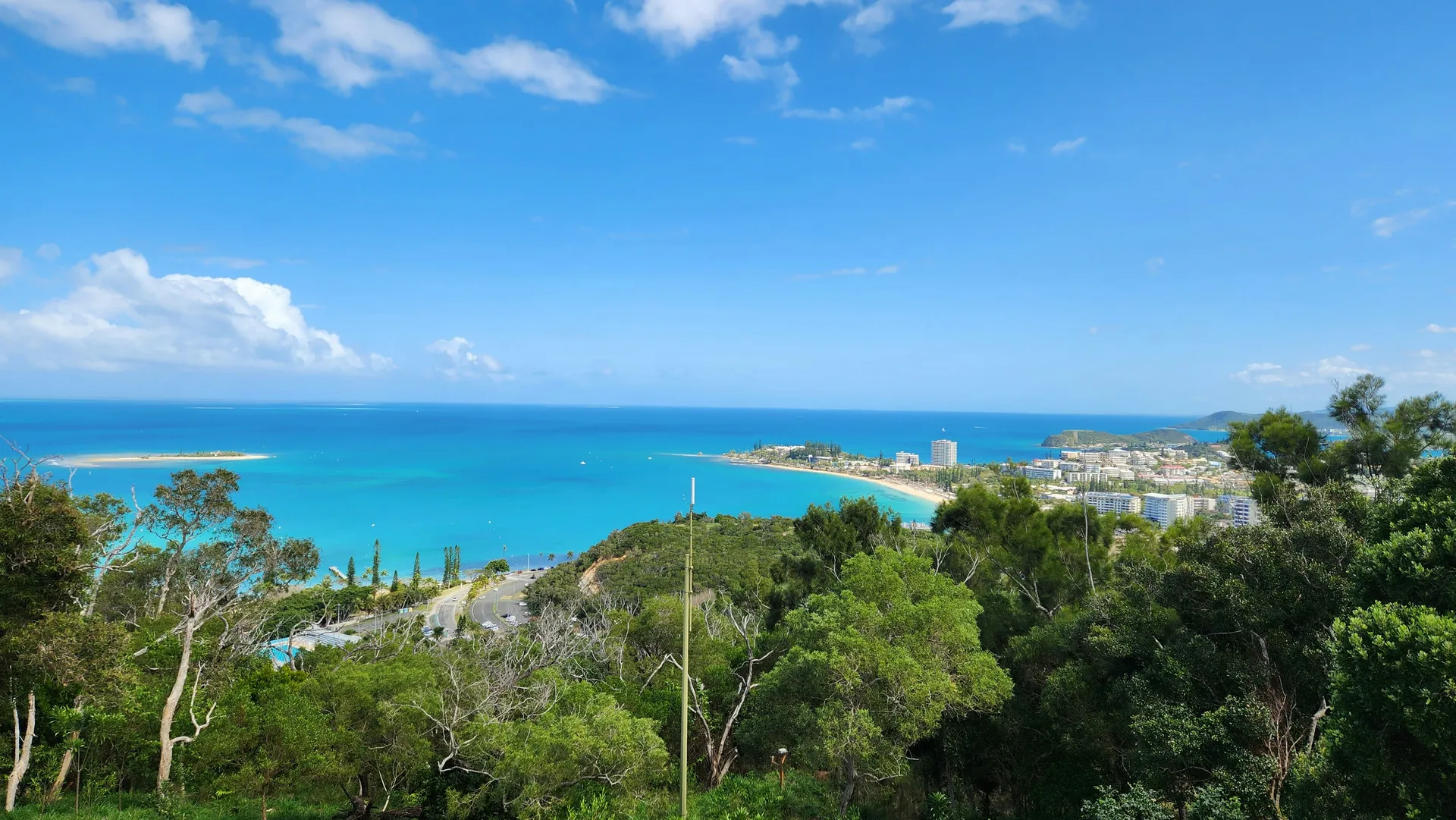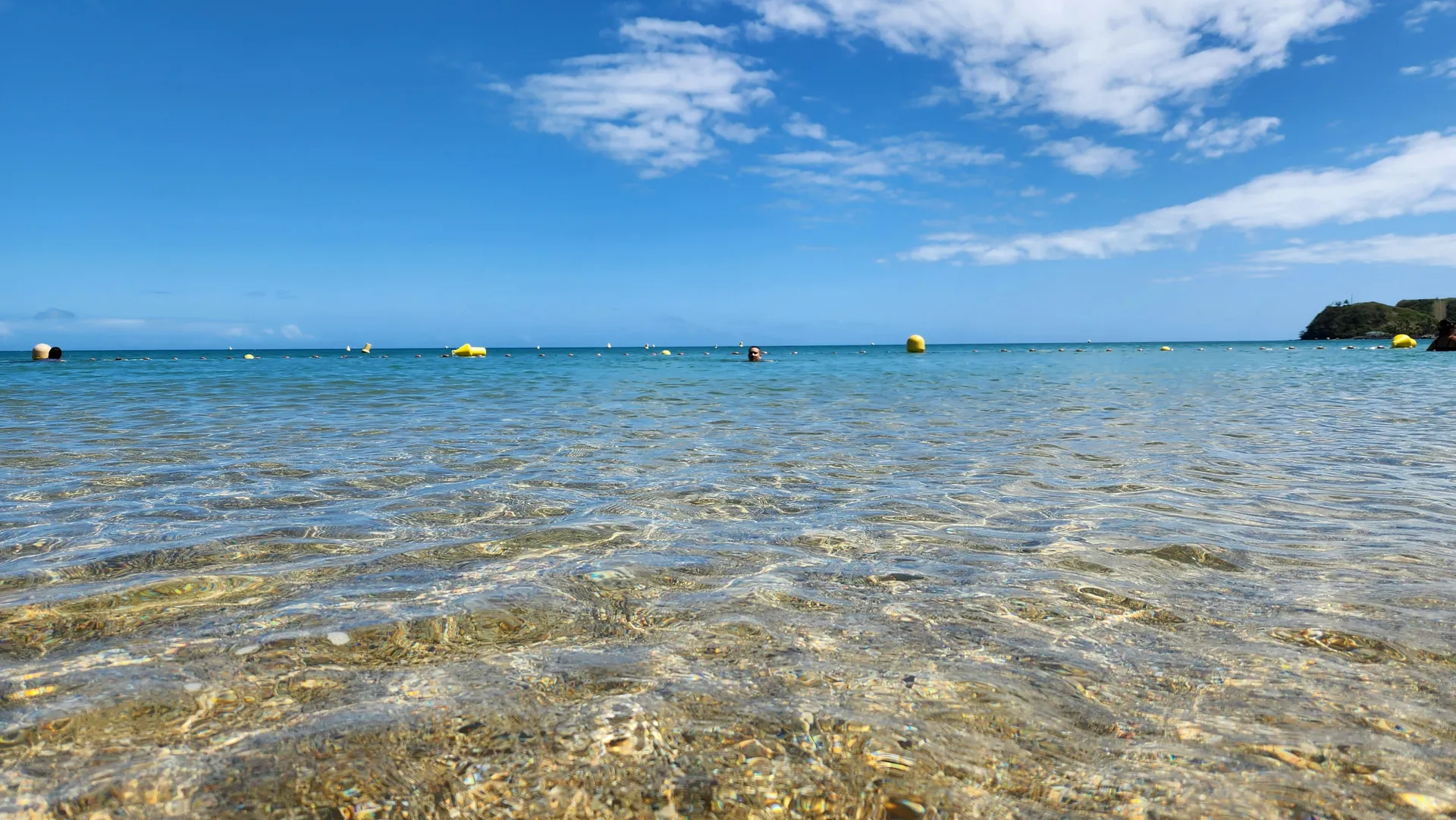
Rising from a peninsula of rust-red earth surrounded by the world's largest enclosed lagoon — a UNESCO World Heritage Site — Nouméa is one of the South Pacific's most intriguing paradoxes: a city that feels unmistakably French yet exists within a Melanesian archipelago fifteen thousand kilometres from Paris. The Kanak people have inhabited New Caledonia for over three thousand years, and their culture permeates the territory despite a century and a half of French colonial presence that began in 1853 when Napoleon III claimed the islands as a penal colony. Today, cruise passengers arriving aboard Carnival Cruise Line, Celebrity Cruises, Royal Caribbean, or Silversea discover a city where baguettes and bouillabaisse coexist with tropical fish markets and the haunting rhythms of pilou dance.
The Tjibaou Cultural Centre, designed by Renzo Piano and set among gardens on the Tina Peninsula, stands as one of the most architecturally significant buildings in the entire Pacific. Its ten curved wooden pavilions, inspired by traditional Kanak cases but executed in iroko wood, stainless steel, and glass, house exhibitions on Melanesian art and history that challenge colonial narratives with eloquence and power. Named after the assassinated independence leader Jean-Marie Tjibaou, the centre represents a conscious effort to bridge two cultures, and visiting it provides essential context for understanding the complex society that makes New Caledonia unlike any other French territory.
Nouméa's culinary landscape reflects this cultural duality with delicious precision. Mornings begin at the Marché de la Moselle, where Melanesian vendors sell coconut crab, flying fox, taro, and every tropical fruit imaginable alongside French pâtisseries and Vietnamese bánh mì — the legacy of a significant Vietnamese community that arrived during the nickel mining boom. The city's French restaurants rival those in provincial France, yet the most memorable meals often come from waterfront establishments serving freshly caught lobster with a squeeze of lime and a view of Anse Vata Bay. The local Brasserie Number One produces surprisingly excellent lager perfectly suited to the tropical climate.
Beyond the city, New Caledonia's natural splendour is staggering. The barrier reef, second in size only to Australia's Great Barrier Reef, shelters a lagoon teeming with over fifteen hundred species of fish, sea turtles, and dugongs. Snorkelling at Îlot Maître or the Amédée Lighthouse islet reveals coral gardens of extraordinary colour and density. The drive south to Prony Bay passes through landscapes of laterite mining country — surreally beautiful red earth against emerald vegetation — before reaching thermal springs and mangrove-fringed bays where nautilus shells wash ashore.
Nouméa enjoys a subtropical climate moderated by trade winds, making April through November the most comfortable period for cruising. The city's infrastructure is thoroughly modern — wide boulevards, waterfront promenades, excellent public transport — yet turn any corner and the Pacific reasserts itself: frangipani trees heavy with blossom, geckos darting across café terraces, and a lagoon that shifts from turquoise to sapphire as clouds drift across the Caledonian sky.