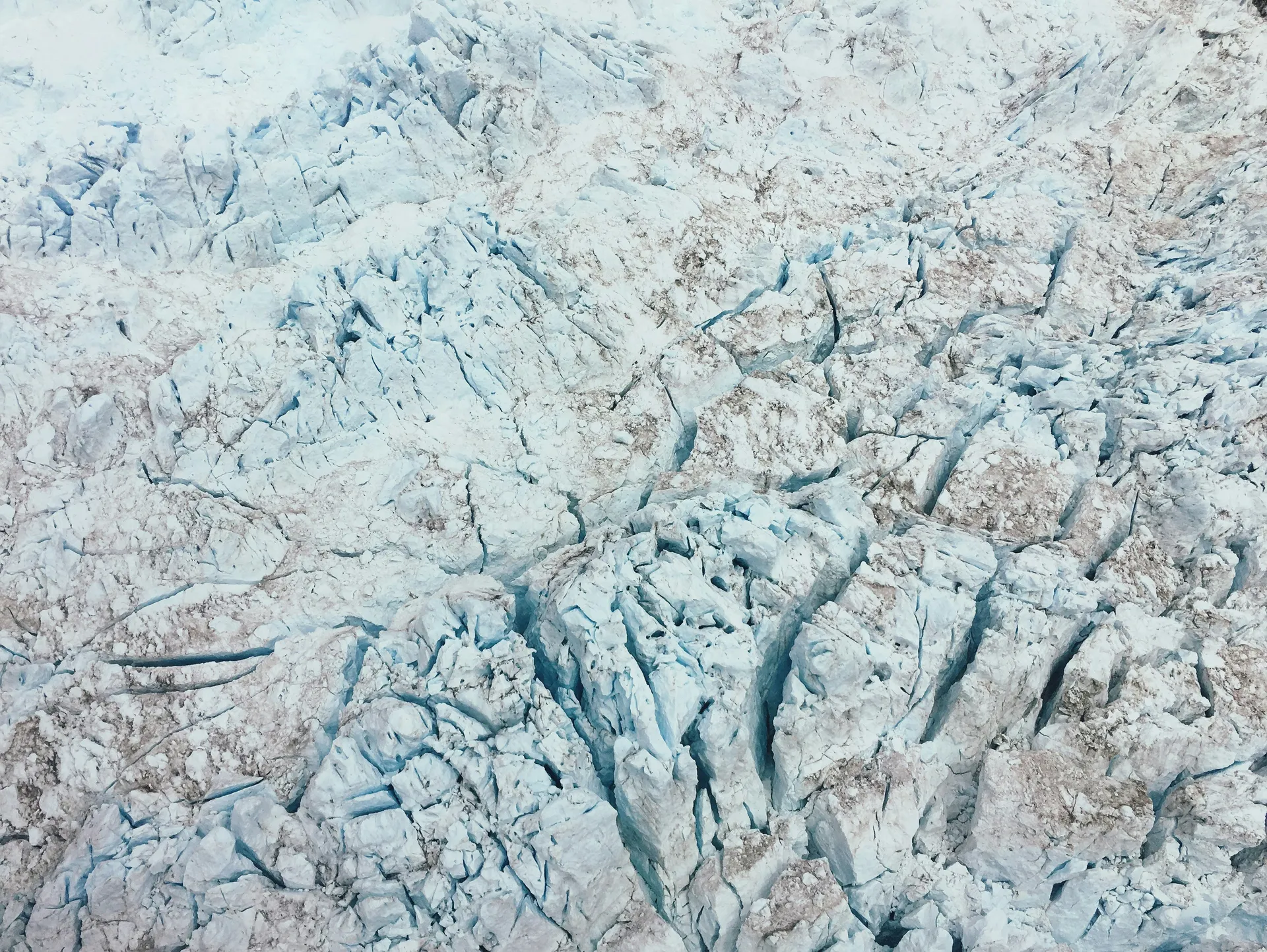
On the rain-drenched west coast of New Zealand's South Island, Franz Josef Glacier performs one of nature's most dramatic acts of defiance — a river of ancient ice descending from the Southern Alps to within just 300 meters of sea level, plunging through temperate rainforest in a juxtaposition so improbable that early European explorers struggled to believe their eyes. Named by geologist Julius von Haast in 1865 after the Emperor of Austria-Hungary (and known to Māori as Kā Roimata o Hine Hukatere — "the tears of the avalanche girl"), this twelve-kilometer glacier is one of the steepest and fastest-moving in the world, advancing and retreating in cycles that respond to snowfall in its high-altitude névé with a sensitivity that makes it a living barometer of climate.
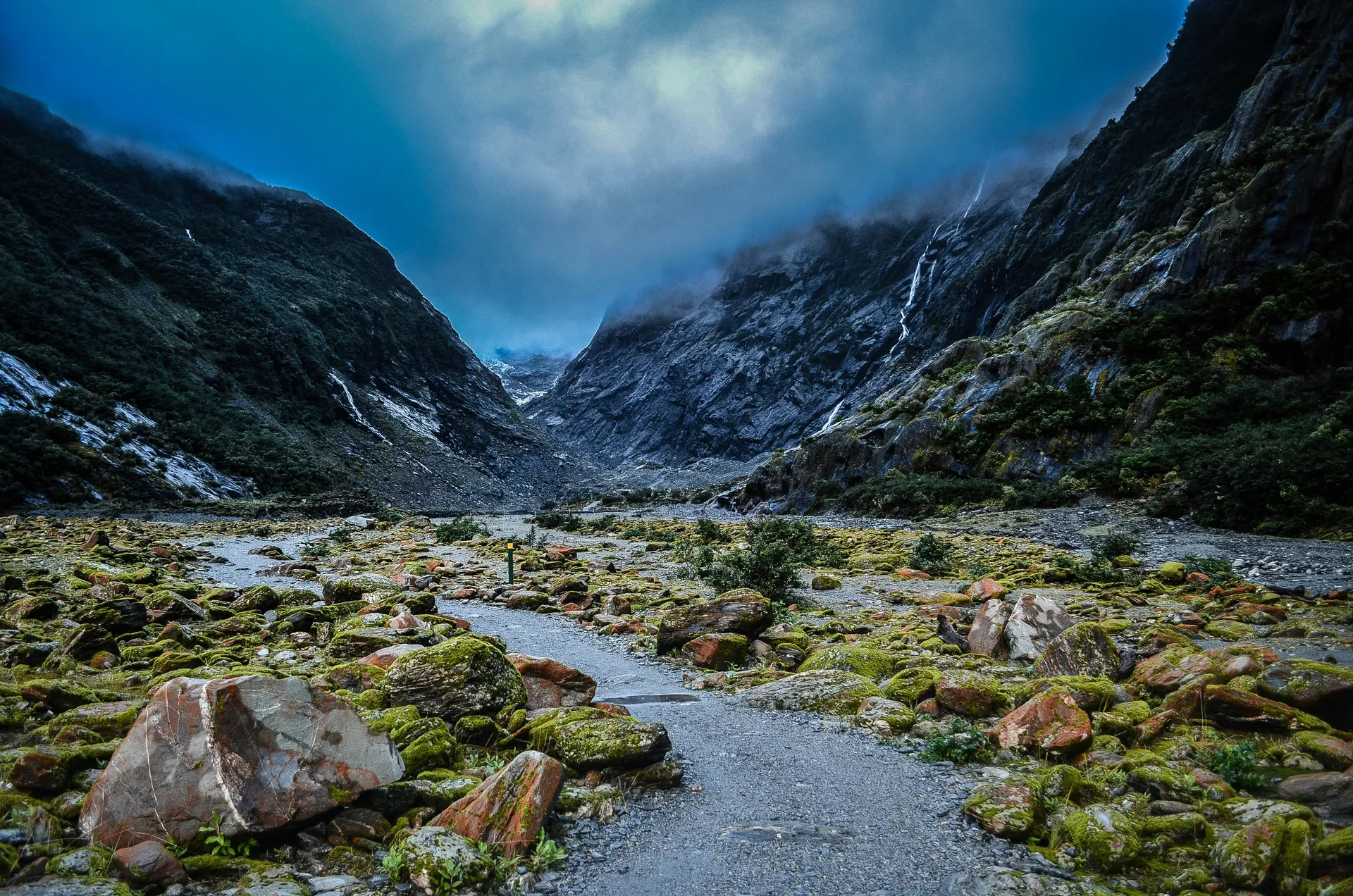
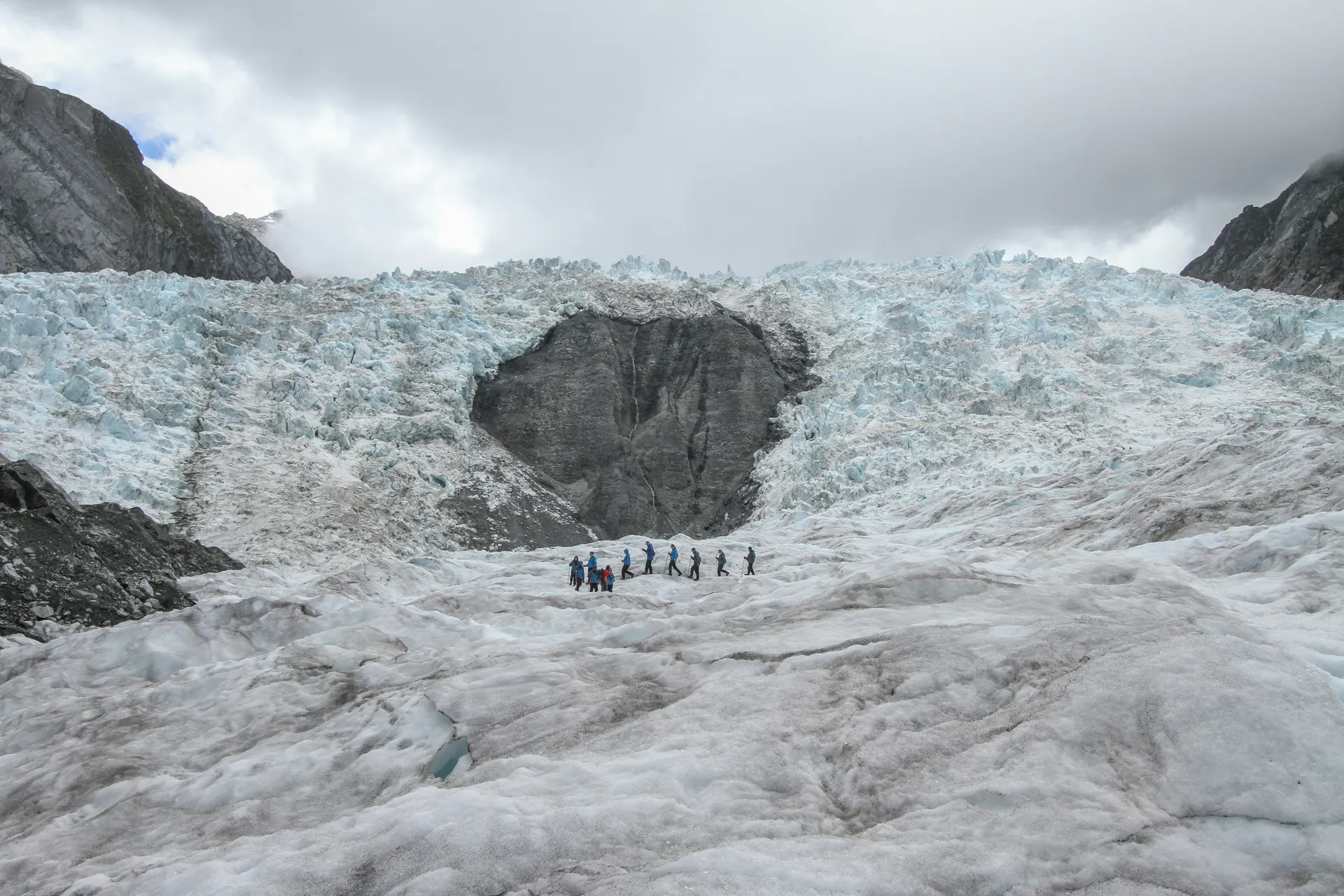
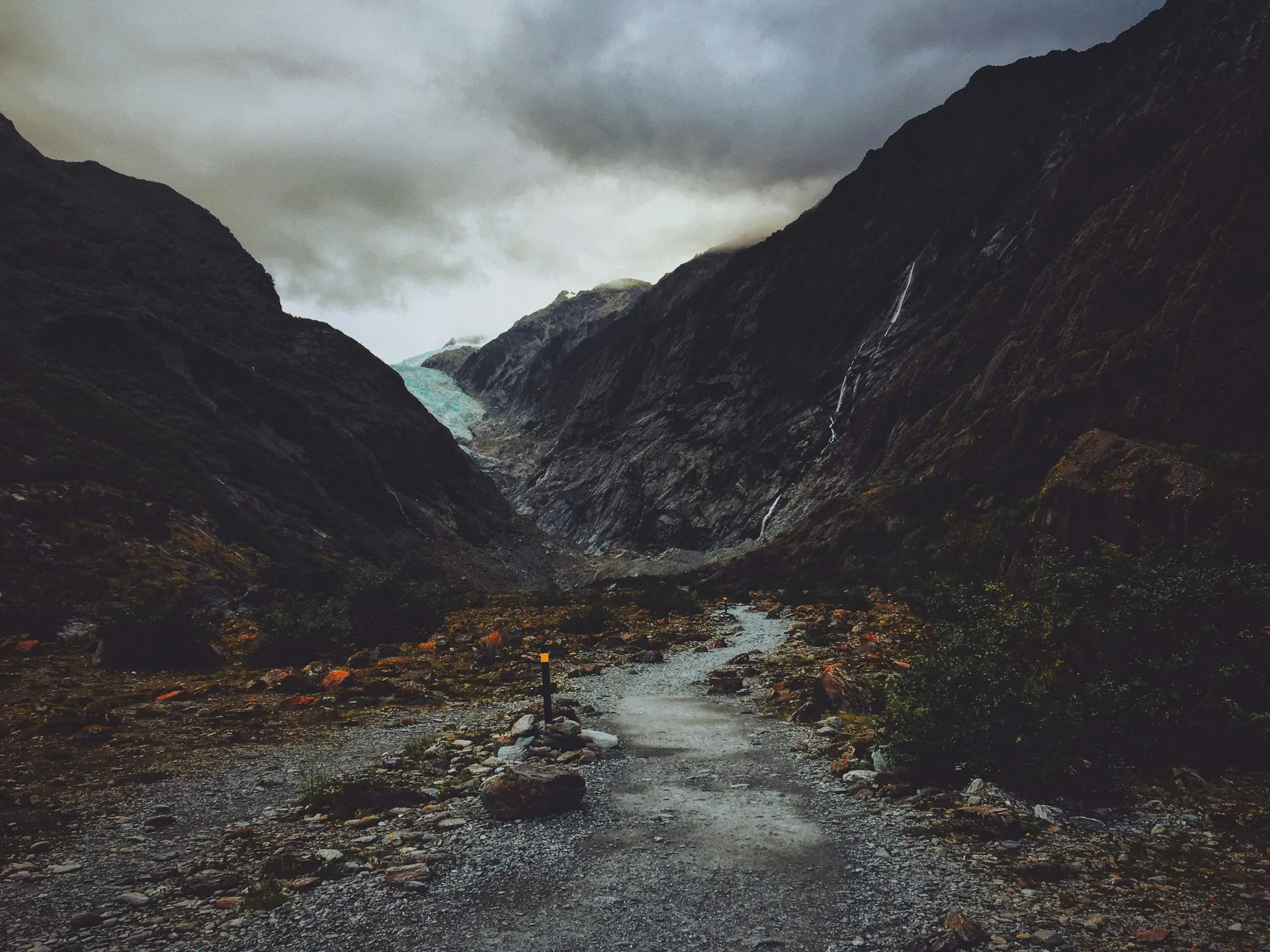
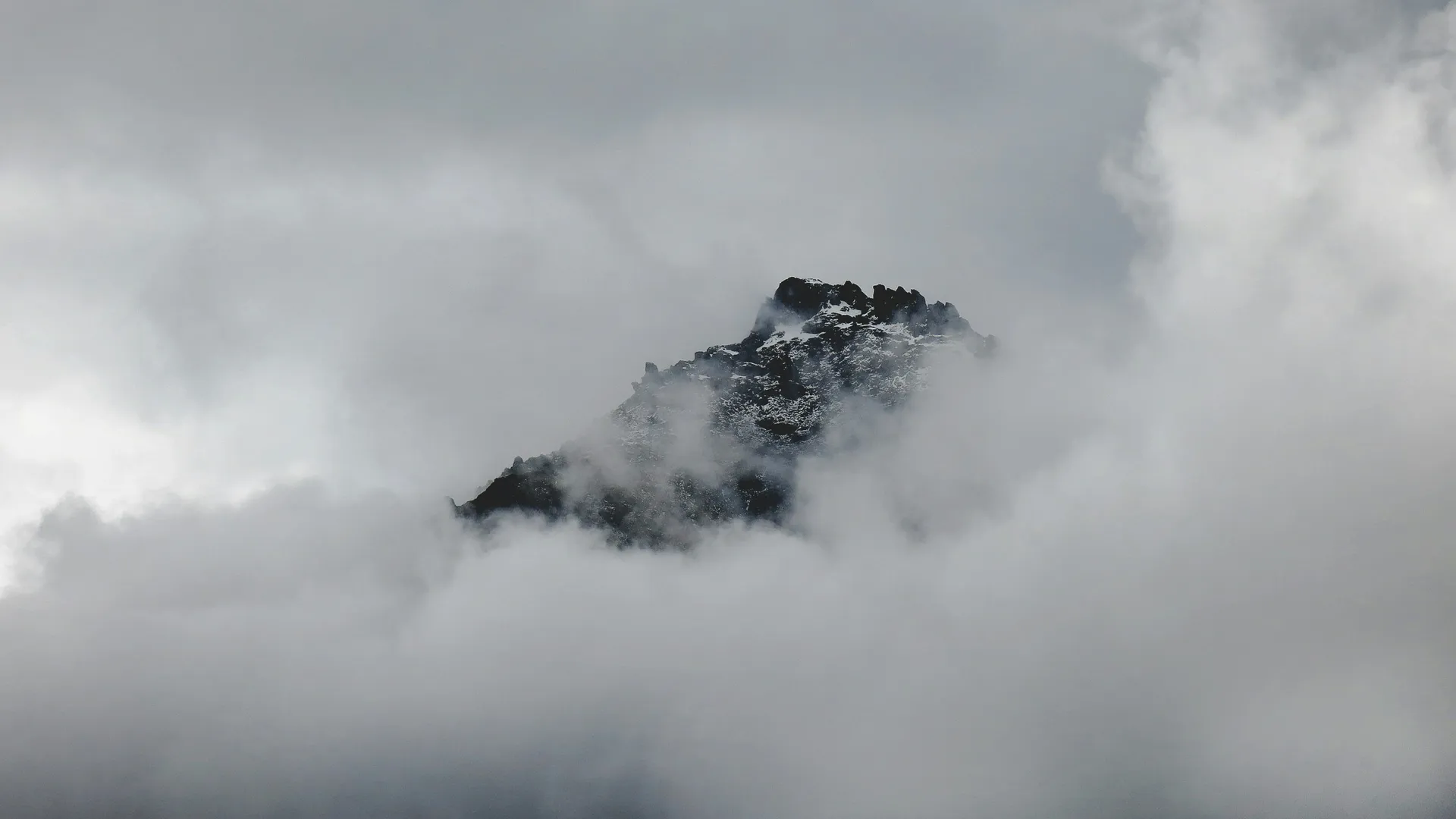
The approach to Franz Josef Glacier creates one of the South Island's most extraordinary visual sequences. The access road winds through dense podocarp rainforest — ancient rimu, kahikatea, and rata trees draped in ferns and mosses — before suddenly opening to reveal the glacier's terminal face: a wall of blue-white ice framed by vertical rock walls and backed by snow-capped peaks that disappear into the clouds. The contrast between tropical-looking vegetation and glacial ice creates a landscape unique on Earth — few places exist where one can walk from rainforest to glacier in a matter of minutes.
The village of Franz Josef serves as base camp for glacier exploration and offers a culinary scene shaped by the West Coast's rugged, independent character. Whitebait, the tiny translucent fish caught in the rivers during the spring season, appears in delicate fritters that are one of New Zealand's most prized seasonal delicacies. West Coast venison, sourced from wild deer in the surrounding national park, offers rich, gamey flavor complemented by local craft beers from breweries that draw their water from glacial streams. The broader West Coast foodways reflect the region's bush-pioneer heritage — uncomplicated, generous, and deeply connected to the land.
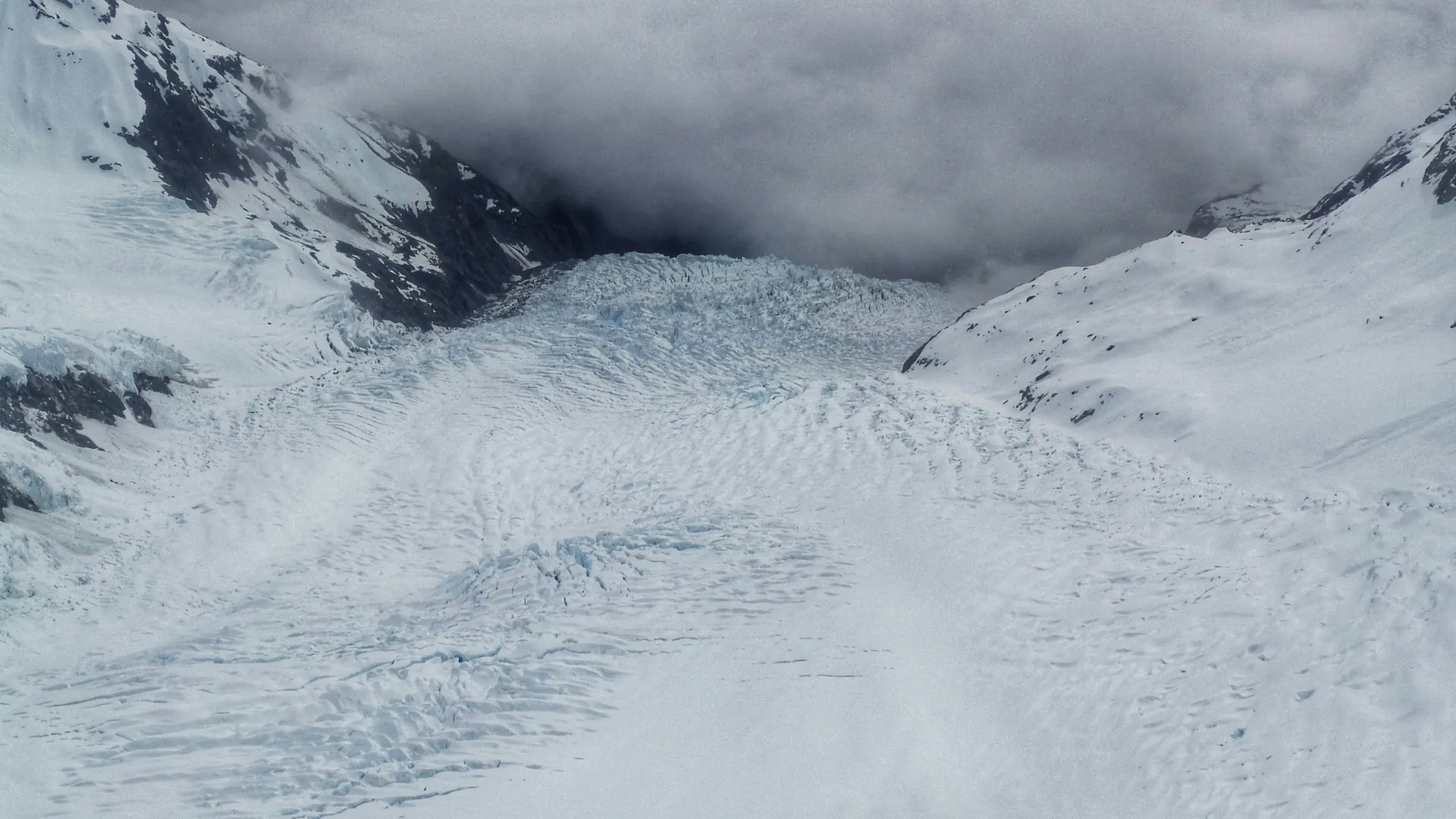
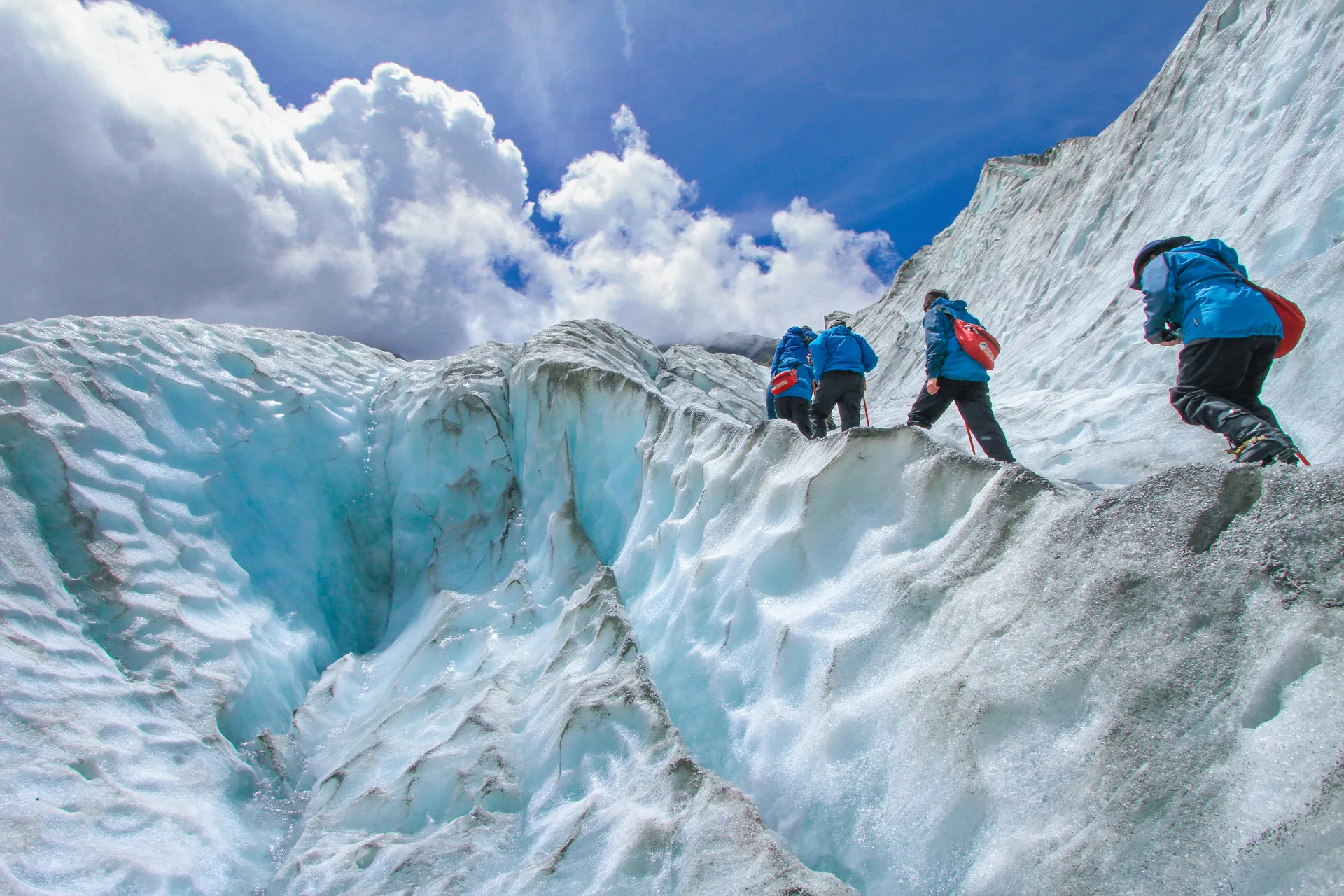
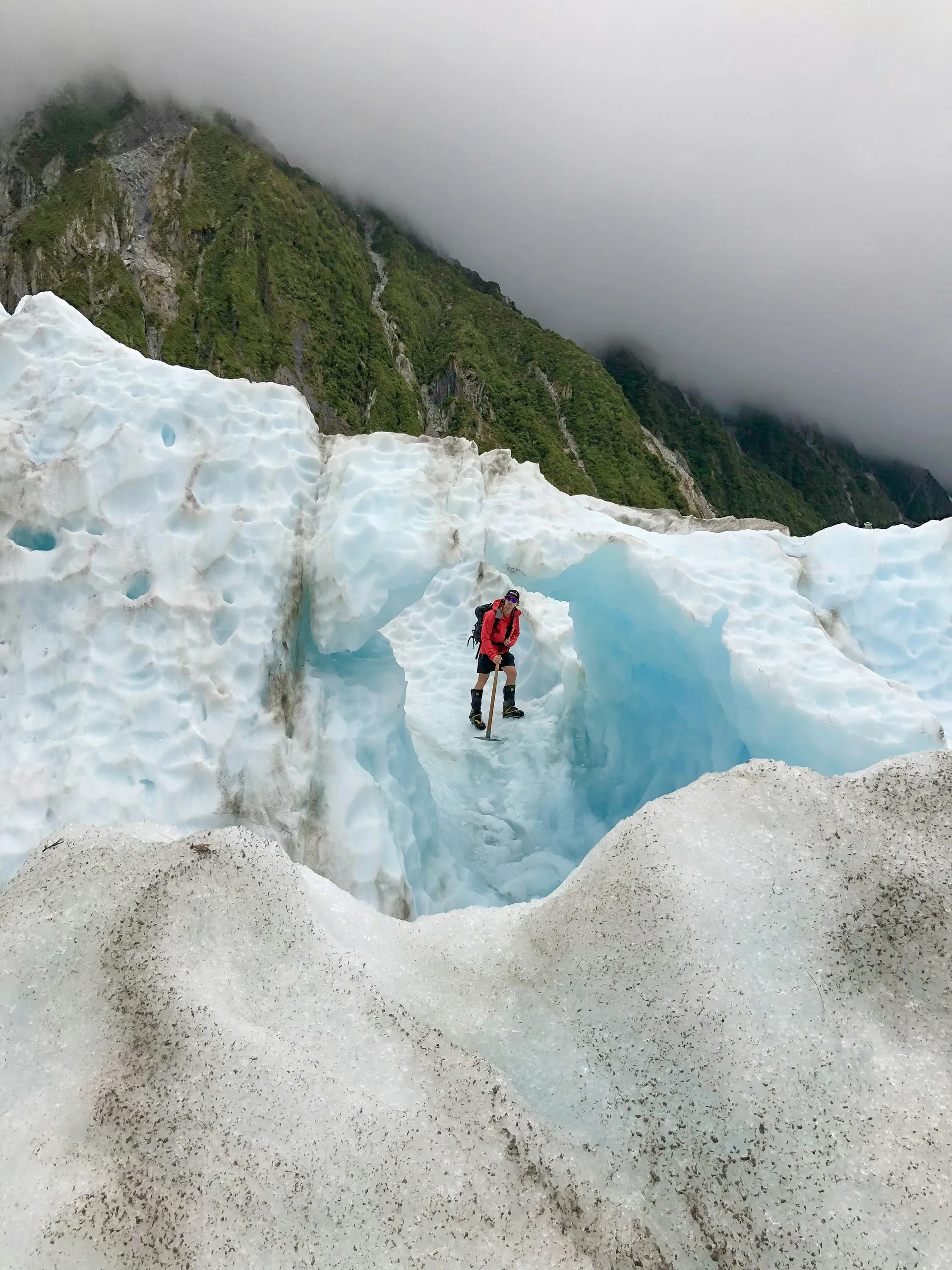
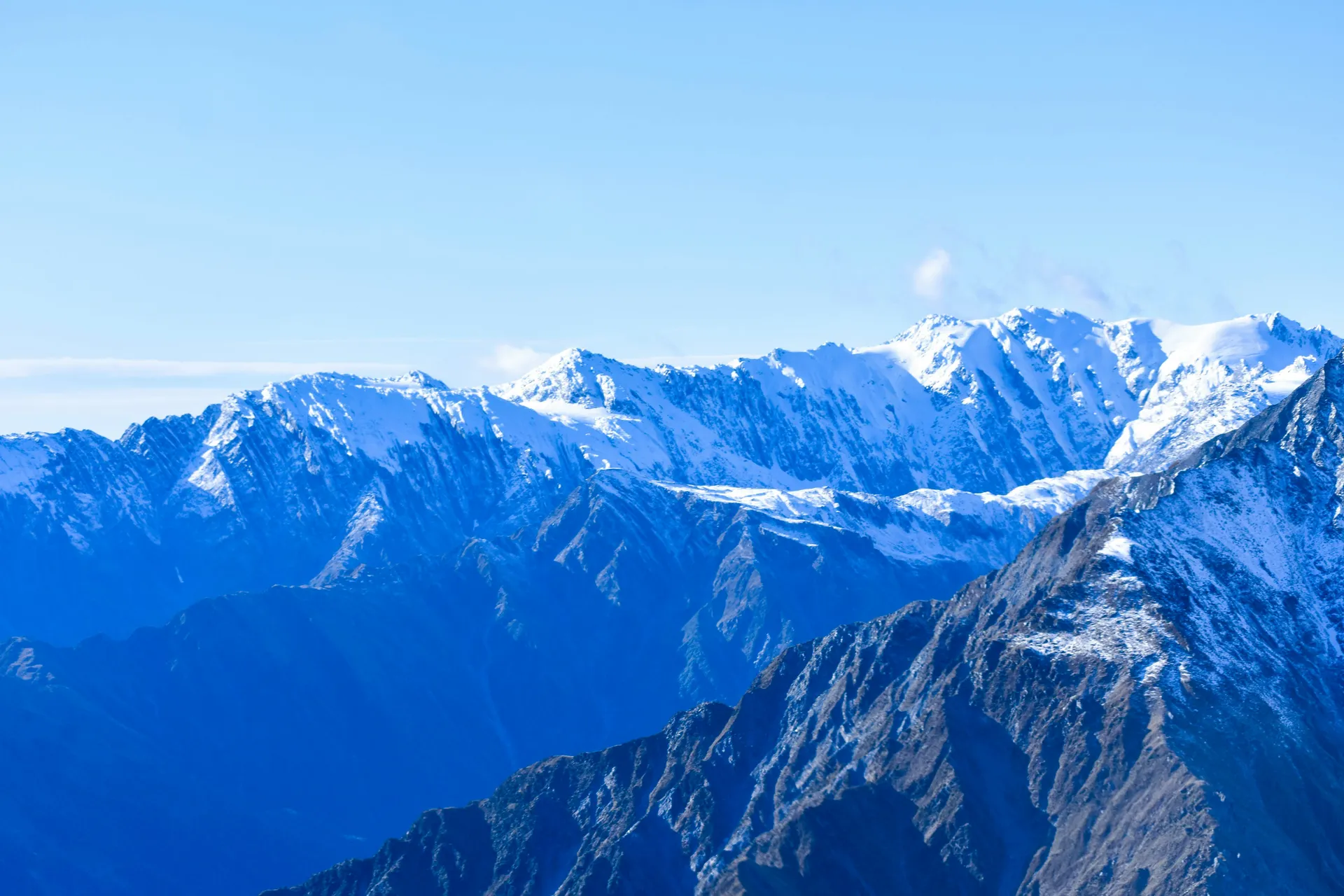
Helicopter and heli-hike experiences provide the most comprehensive glacier encounters. Flights reveal the glacier's upper reaches — a frozen landscape of seracs, crevasses, and ice caves of ethereal blue that are inaccessible from below. Guided heli-hikes land visitors on the glacier's mid-section, where they don crampons and explore ice formations that shift and change daily. From the air, the full scale of the glacier becomes apparent: a frozen river originating in the snowfields below Aoraki/Mount Cook, New Zealand's highest peak, and descending through a narrow valley carved by its own relentless passage.
Franz Josef Glacier is accessible by road from Christchurch (approximately five hours via Arthur's Pass) or from Queenstown (approximately five hours via Haast Pass). Cruise passengers from Milford Sound or Doubtful Sound sometimes connect via air transfers. The West Coast receives extraordinary rainfall — over five meters annually — making waterproof clothing essential regardless of season. Summer (December-March) offers the warmest temperatures (15-23°C) and longest days, but helicopter flights operate year-round, weather permitting. The glacier's accessibility fluctuates as it advances and retreats; guided tours adapt continuously to changing ice conditions.