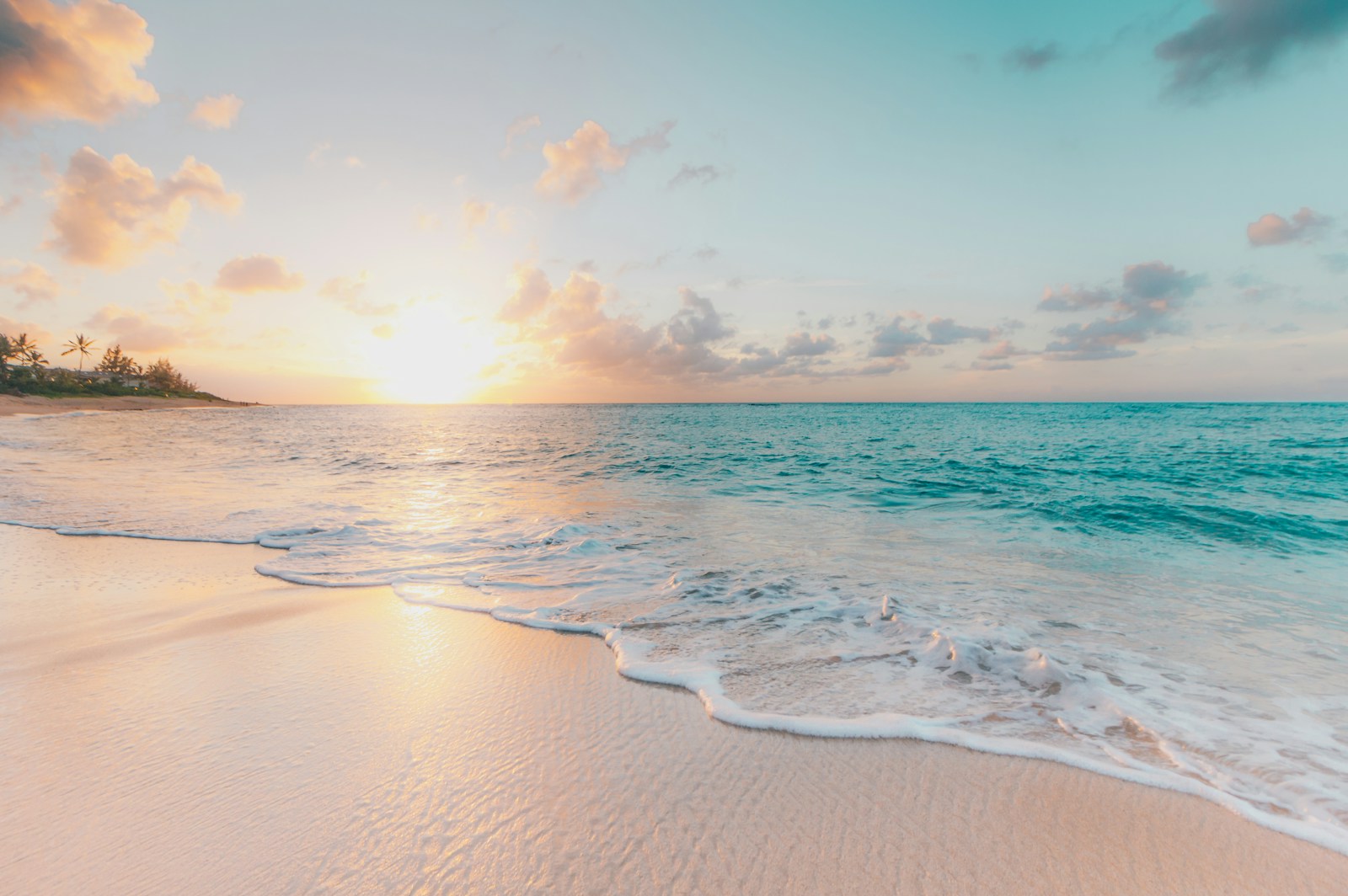
New Plymouth occupies one of the most dramatically situated locations in New Zealand — a coastal city of 60,000 pressed between the Tasman Sea and the near-perfect volcanic cone of Mount Taranaki (Egmont), which rises 2,518 meters directly behind the town like a snow-capped sentinel. The mountain dominates every aspect of life here: it determines the weather, shapes the cultural identity, and provides the backdrop for a city that has transformed itself from a provincial dairy town into one of New Zealand's most vibrant small cities — a place where contemporary art, craft brewing, and surf culture coexist with the deep Māori heritage of the Taranaki iwi and the legacy of the New Zealand land wars that scarred this region in the 1860s.
The city's cultural centerpiece is the Govett-Brewster Art Gallery and the attached Len Lye Centre — the only museum in the world dedicated to the kinetic sculptor and filmmaker Len Lye, whose shimmering, motorized steel sculptures transform movement into something approaching music. The building itself, a stainless-steel mirrored façade designed by Patterson Associates, is a statement of artistic ambition that would be remarkable in any city, let alone one of this size. Puke Ariki, the combined museum and library on the waterfront, explores Taranaki's complex history — from the geological violence that created the mountain to the colonial violence that displaced its Māori inhabitants — with intelligence and sensitivity. The Coastal Walkway, an eleven-kilometer path along the sea front, connects these cultural institutions with public art installations, playgrounds, and the Te Rewa Rewa Bridge — a sculptural white bridge whose form evokes both a whale skeleton and a breaking wave.
New Plymouth's culinary scene punches well above its weight, fueled by the extraordinary fertility of the Taranaki ring plain — volcanic soils watered by the mountain's rain shadow that produce some of New Zealand's finest dairy, lamb, and vegetables. The city has embraced craft food and drink with enthusiasm: artisanal cheese producers, boutique chocolate makers, and craft breweries are proliferating. The farmers' market, held Sunday mornings, is a showcase for the region's bounty. Fresh fish — blue cod, gurnard, and tarakihi — arrives daily from the Tasman Sea, and the city's growing number of sophisticated restaurants integrate these ingredients into menus that reflect both New Zealand's Pacific identity and its increasingly confident culinary creativity.
Mount Taranaki itself is the great natural attraction — a stratovolcano so geometrically perfect that it doubled as Mount Fuji in the film The Last Samurai. Egmont National Park, which surrounds the mountain in a near-perfect circle of protected native forest, offers walks ranging from twenty-minute forest strolls to the demanding summit climb (seven to eight hours return), which rewards with views extending to the volcanic plateau of the central North Island. The Pouakai Crossing, a full-day alpine traverse through tussock, tarns, and goblin forest, has been hailed as New Zealand's answer to the Tongariro Alpine Crossing. At lower elevations, the park's forests — ancient kamahi, rimu, and rata draped in mosses and ferns — preserve the primeval character of pre-human New Zealand.
New Plymouth is served by its own airport with domestic connections to Auckland and Wellington, and by cruise ships that anchor offshore in the roadstead (weather permitting) and tender passengers to the port. The Taranaki climate is maritime and mild, with rainfall distributed throughout the year — the mountain creates its own weather systems, so clear summit views are never guaranteed. Summer (December–March) offers the warmest conditions for beach activities and alpine hiking, while autumn and winter bring snow to the upper mountain and dramatic storm-watching opportunities along the coast.

