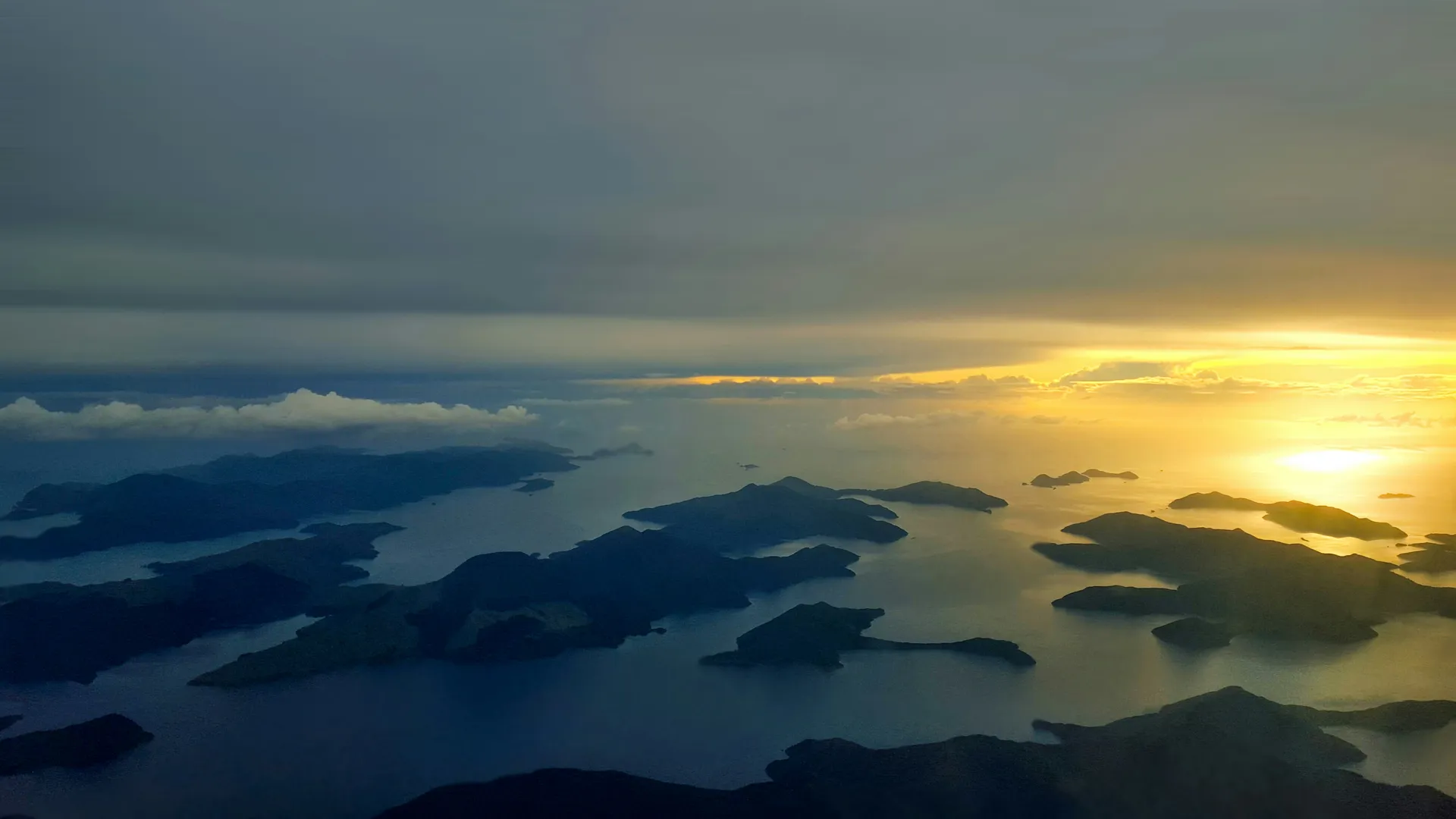
Queen Charlotte Sound — Tōtaranui in te reo Māori — unfolds like a watery labyrinth at the northern tip of New Zealand's South Island, its drowned river valleys branching into dozens of secluded bays, forested peninsulas, and hidden coves where the only sounds are birdsong and the gentle slap of wavelets against mossy stone. Part of the Marlborough Sounds, a network of ancient river valleys flooded by rising seas at the end of the last ice age, Queen Charlotte Sound stretches approximately forty kilometers from its entrance near Motuara Island to its head at the town of Picton — the ferry gateway between the North and South Islands. Captain James Cook anchored here five times during his Pacific voyages, using Ship Cove at the sound's outer reaches as a base for reprovisioning and astronomical observation, and it is easy to understand why: the sheltered waters, abundant seafood, and cathedral-like native forest made it an ideal harbor in an age of sail.
The character of Queen Charlotte Sound is defined by the intimate relationship between water and forest. The hillsides plunge steeply into the sound, clothed in native bush — rimu, beech, and tree ferns — that has regenerated magnificently since the logging era. The Queen Charlotte Track, a 73-kilometer walking and mountain biking trail that follows the ridgeline between Queen Charlotte and Kenepuru Sounds, is consistently ranked among New Zealand's finest multi-day walks. From its high points, the panorama of island-studded waterways, blue-green depths, and forest-cloaked ridges extending to the horizon is one of the most beautiful views in a country not short of competition. Water taxis shuttle hikers between trailheads and accommodation, enabling the trail to be walked in segments of any length.
The culinary rewards of the Marlborough Sounds draw on two extraordinary resources: the sea and the vine. Green-lipped mussels, farmed on longlines in the sound's sheltered waters, are harvested fresh and served steamed, smoked, or in chowder at waterfront restaurants in Picton and along the sound. The Marlborough wine region — New Zealand's largest and most celebrated — begins just minutes inland from Picton, its sun-drenched Wairau Valley producing sauvignon blancs of electric intensity that have redefined the variety worldwide. Combining a morning kayak through the sound with an afternoon wine tour through the Marlborough vineyards creates a day of almost unreasonable pleasure.
Motuara Island, near the sound's entrance, is a predator-free bird sanctuary where Department of Conservation efforts have restored populations of South Island saddleback, King shag, and the jewel-like Marlborough green gecko. A short walking track to the island's summit provides panoramic views of the outer sounds and the Cook Strait beyond. Dolphins — both common and dusky species — are frequent companions for boats traversing the sound, and the calm, clear waters support excellent kayaking, sailing, and diving. Several lodges accessible only by water taxi offer the ultimate in seclusion — falling asleep to the sound of morepork (ruru) owls calling from the bush and waking to find weka birds investigating the veranda.
Queen Charlotte Sound is reached via Picton, which serves as the South Island terminus for the Interislander and Bluebridge ferries from Wellington (a crossing of approximately three and a half hours through the outer sounds that is itself one of New Zealand's great scenic experiences). Cruise ships anchor in the sound and tender passengers to Picton or directly to trailheads. The best months are November through April, when settled weather and long days favor hiking, kayaking, and outdoor dining. Winter (June–August) brings cooler temperatures and occasional rain but also dramatic mist effects and the near-total absence of other visitors.

