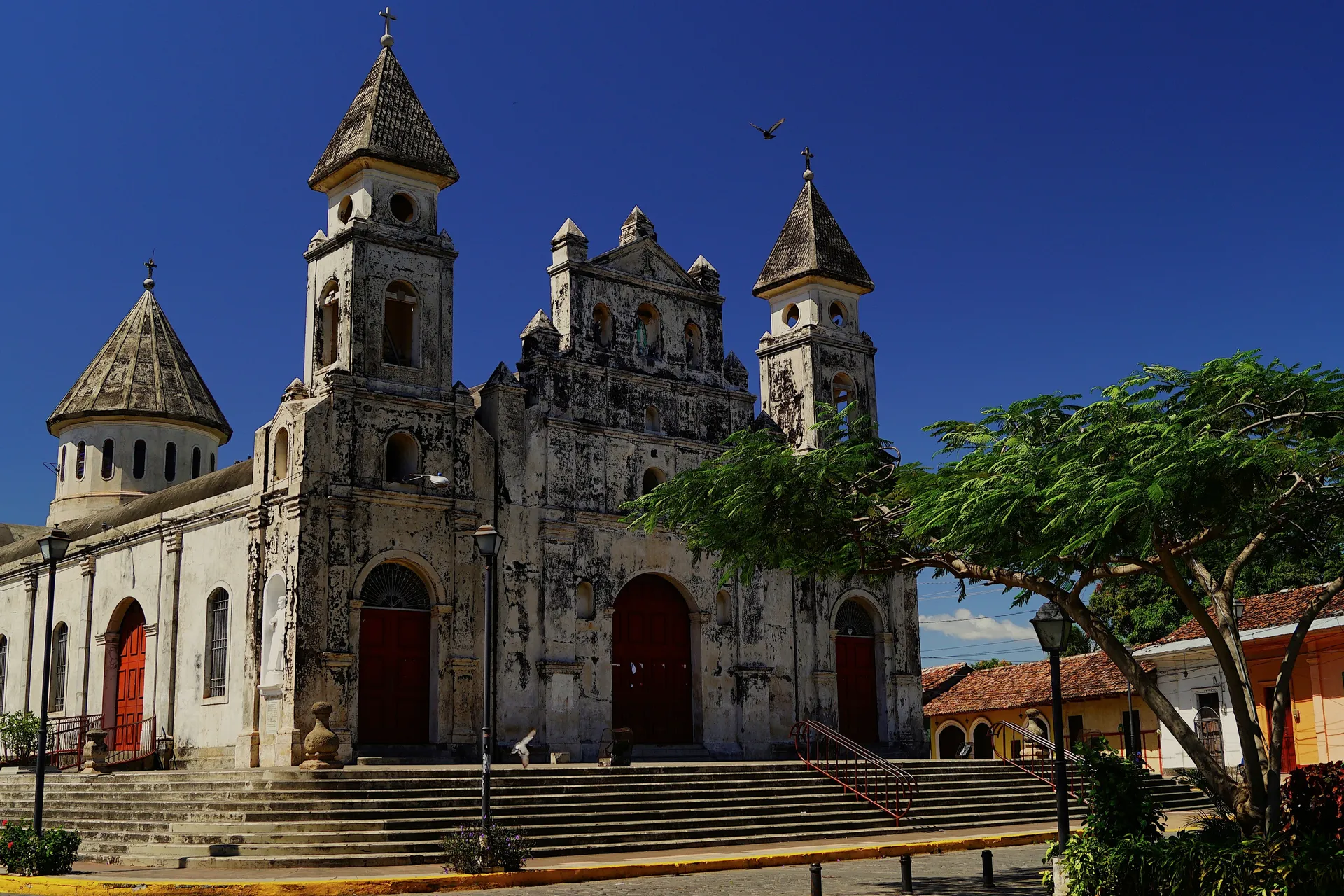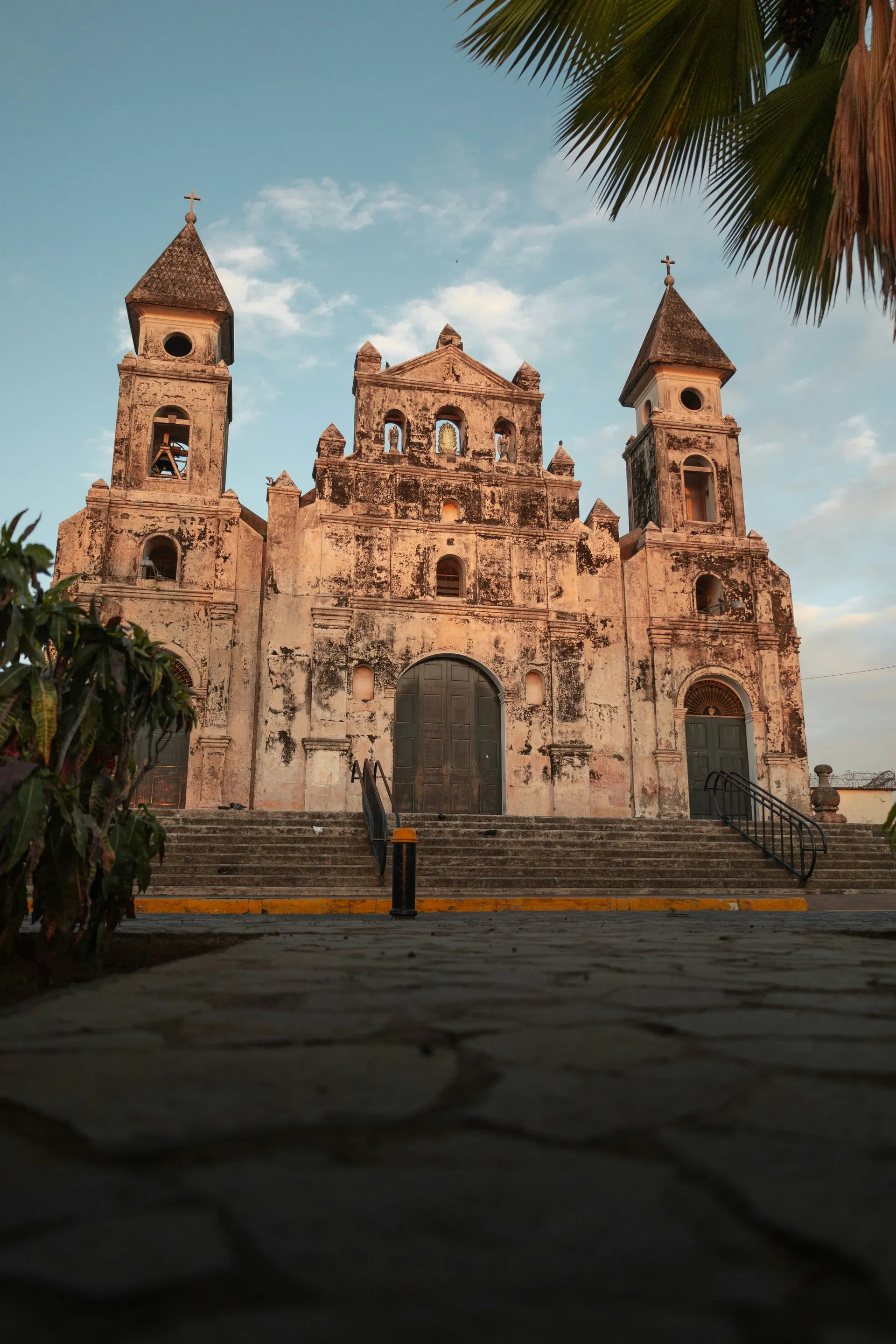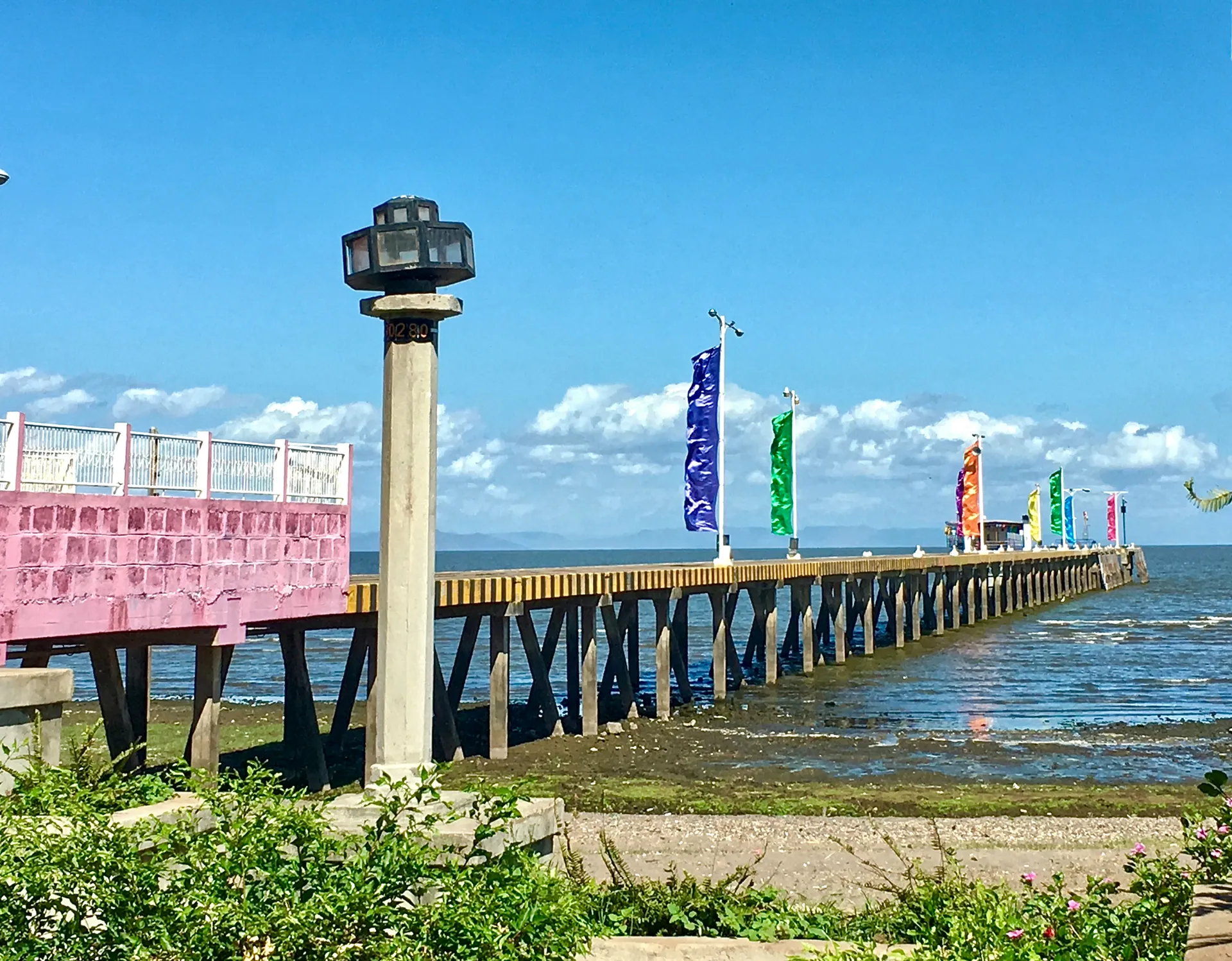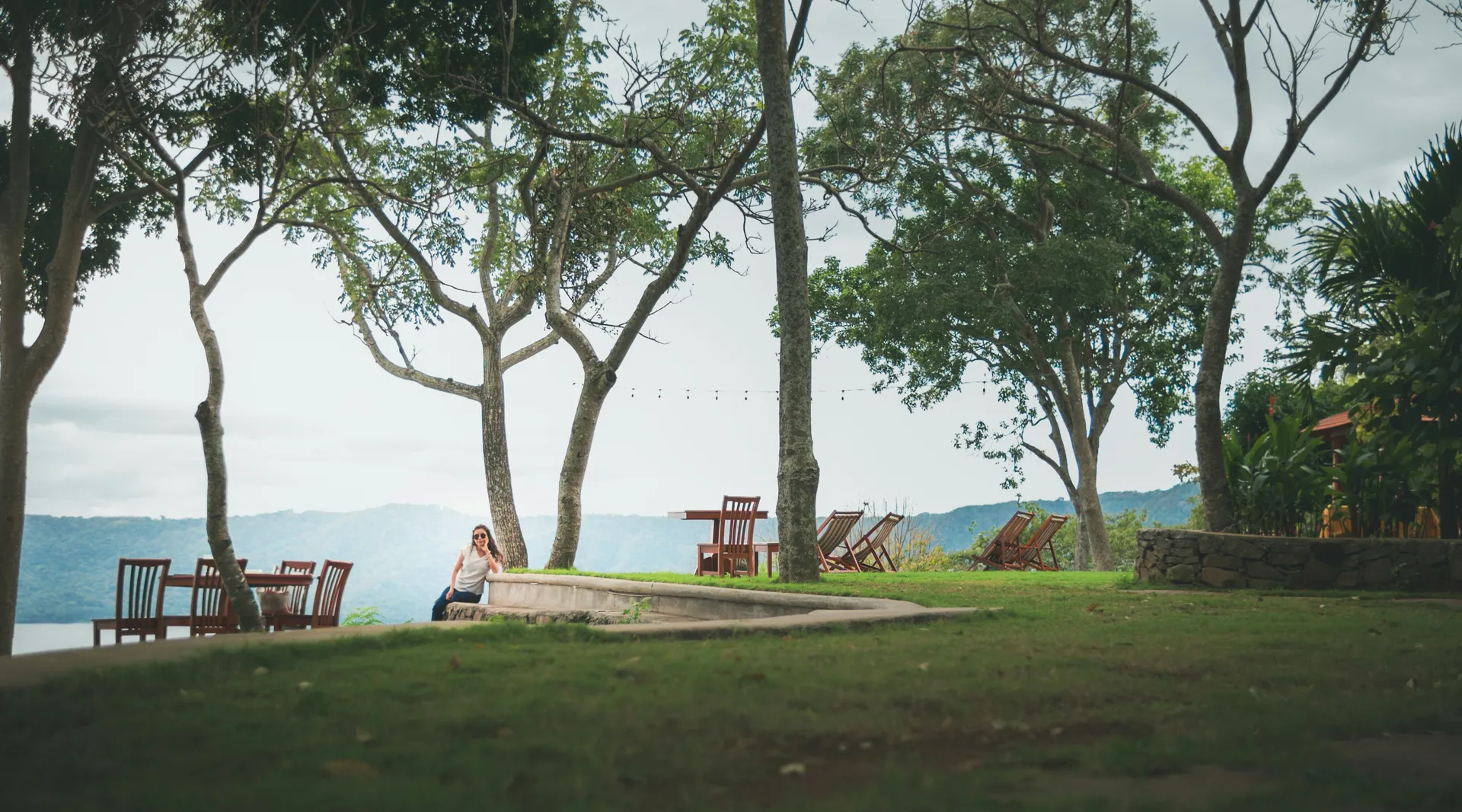
On the western shore of Lake Nicaragua, the largest lake in Central America, the colonial city of Granada commands one of the most strategic positions in the hemisphere — a fact that has brought it both extraordinary architectural grandeur and centuries of violent contestation. Founded in 1524 by Francisco Hernandez de Cordoba, Granada claims to be the oldest European-founded city on the American mainland, and its streets, churches, and plazas present a concentration of colonial architecture that rivals Antigua Guatemala in beauty while far surpassing it in the exuberance of its tropical setting.
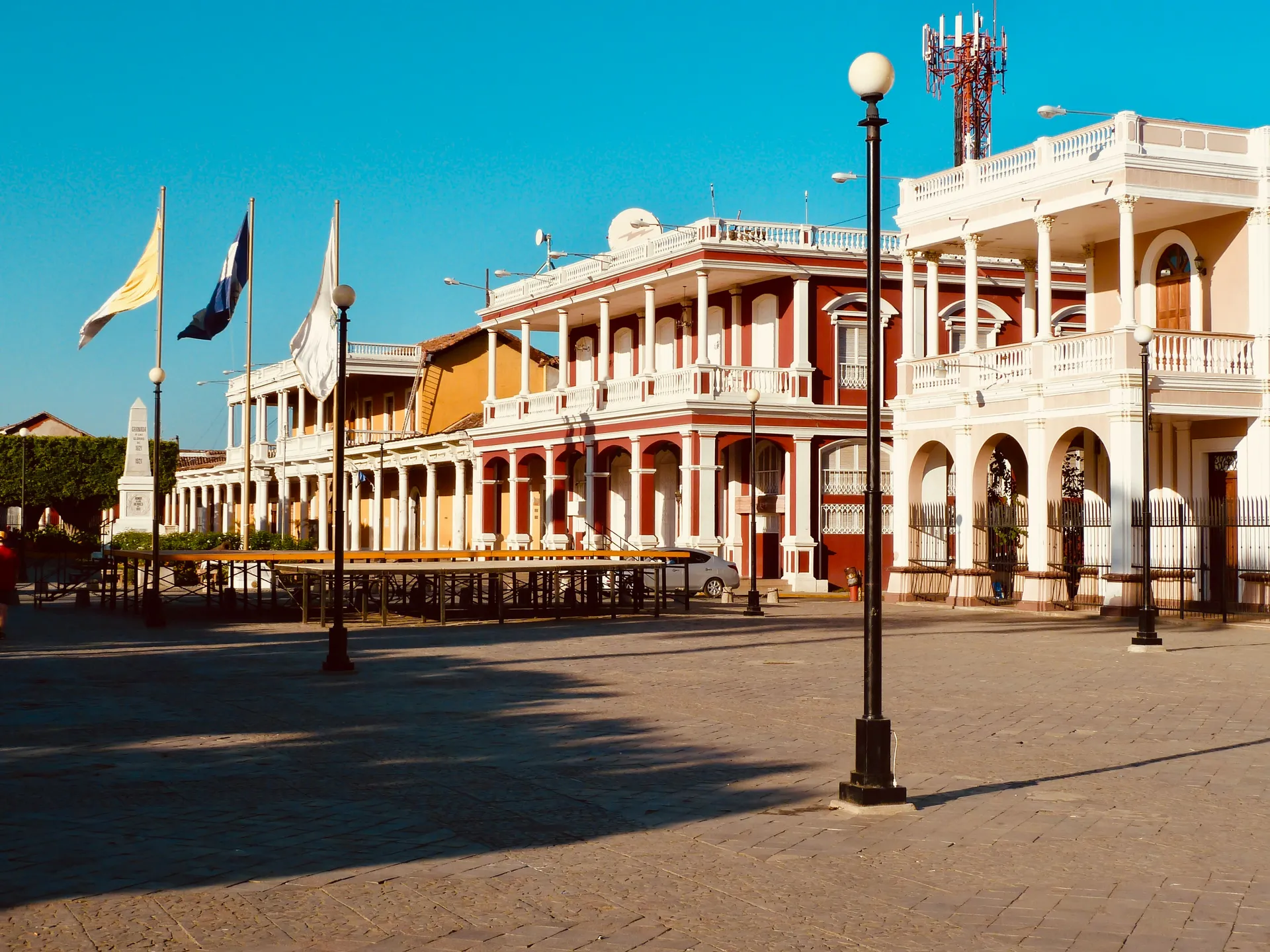
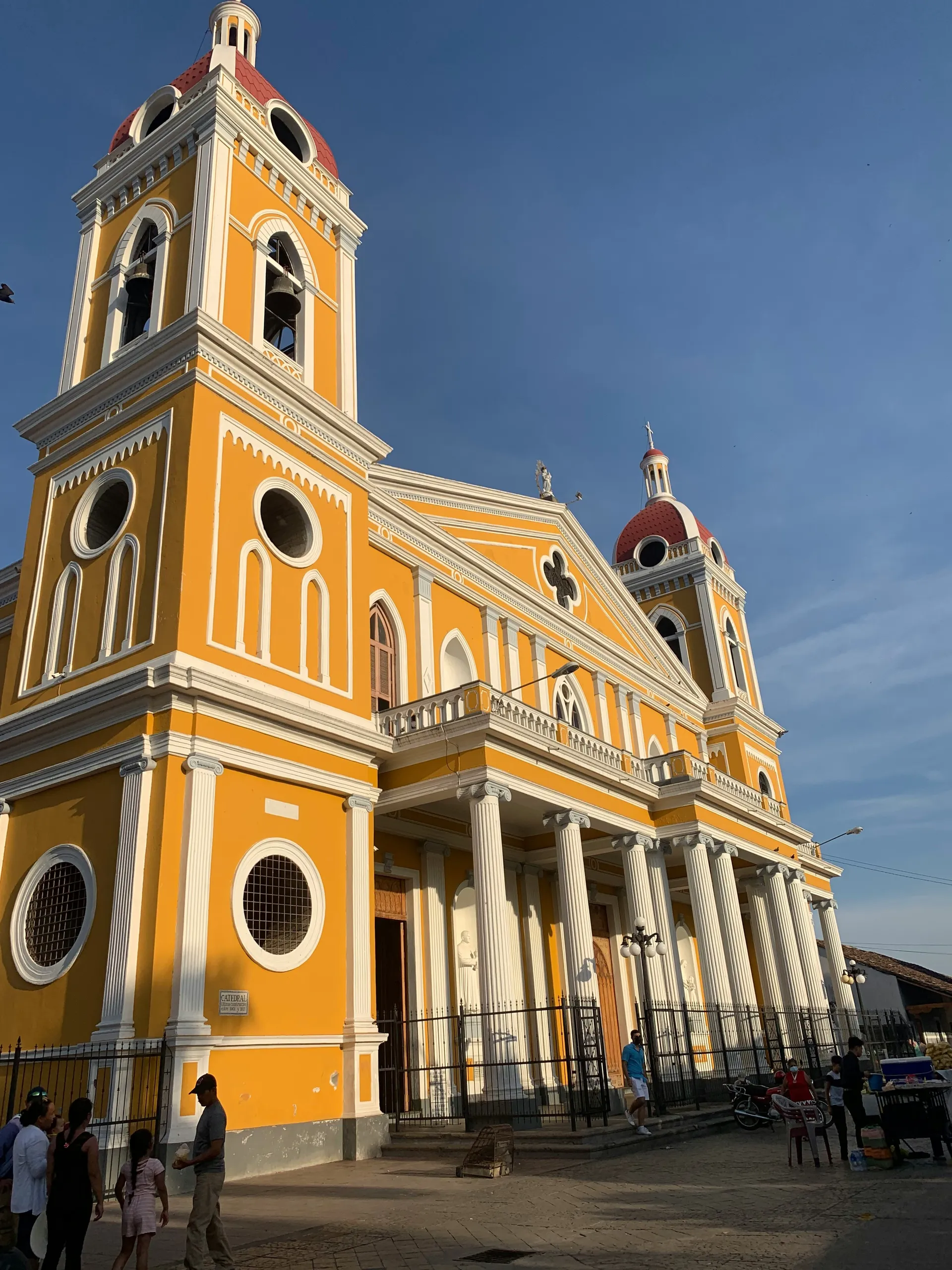
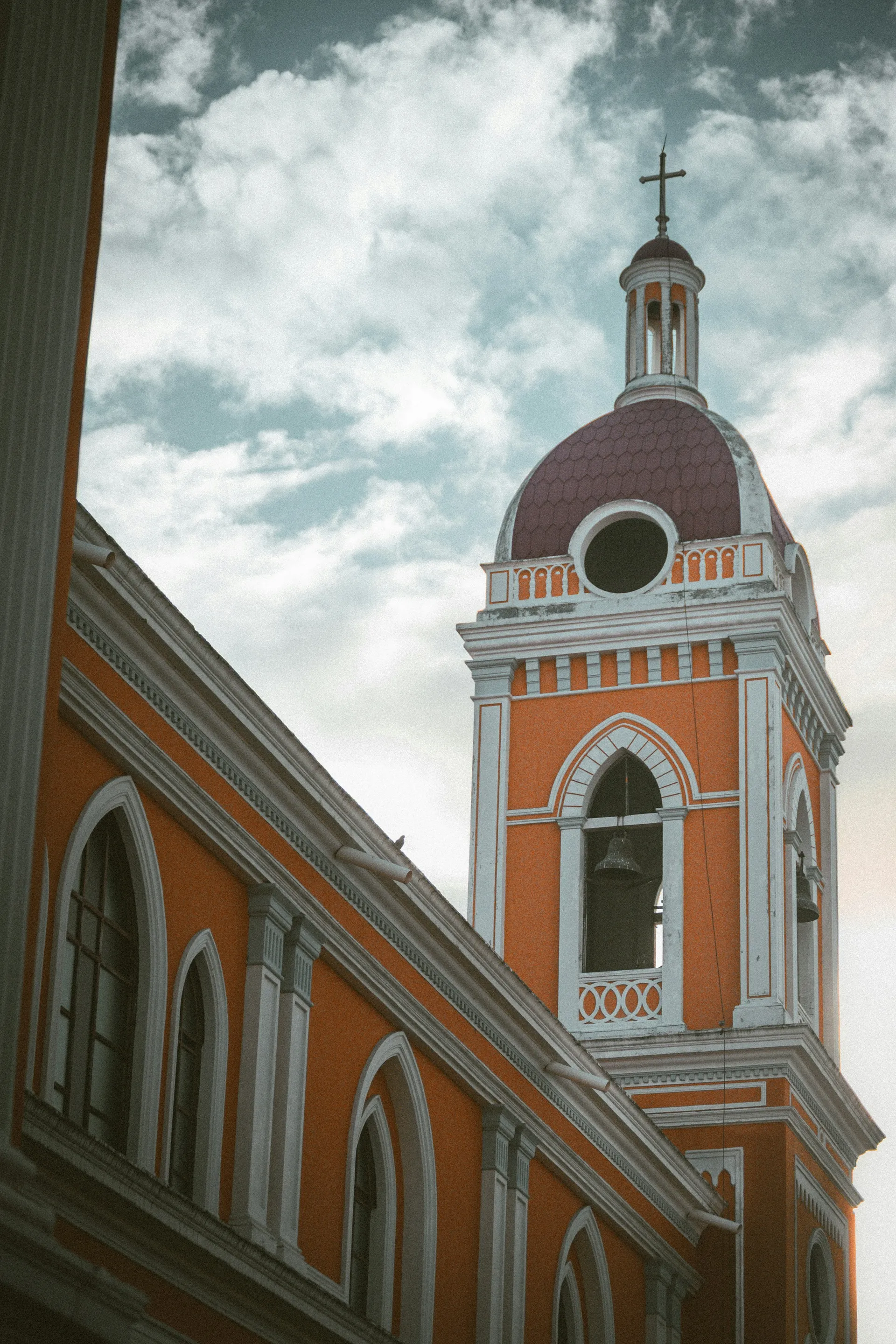
The Parque Central, Granada's expansive main plaza, establishes the city's character with a single panoramic sweep. The Cathedral of Granada, rebuilt in its current neoclassical form in 1915 after centuries of destruction and reconstruction, raises its yellow facade above a square shaded by tropical trees and animated by the constant flow of local life — shoe shiners, ice cream vendors, horse-drawn carriages, and families taking the evening air. The surrounding streets radiate outward in a grid of colonial mansions, many now converted into boutique hotels and restaurants whose courtyards reveal interiors of unexpected sophistication — tile floors, carved wooden furniture, and gardens where bougainvillea and jasmine perfume the tropical air.
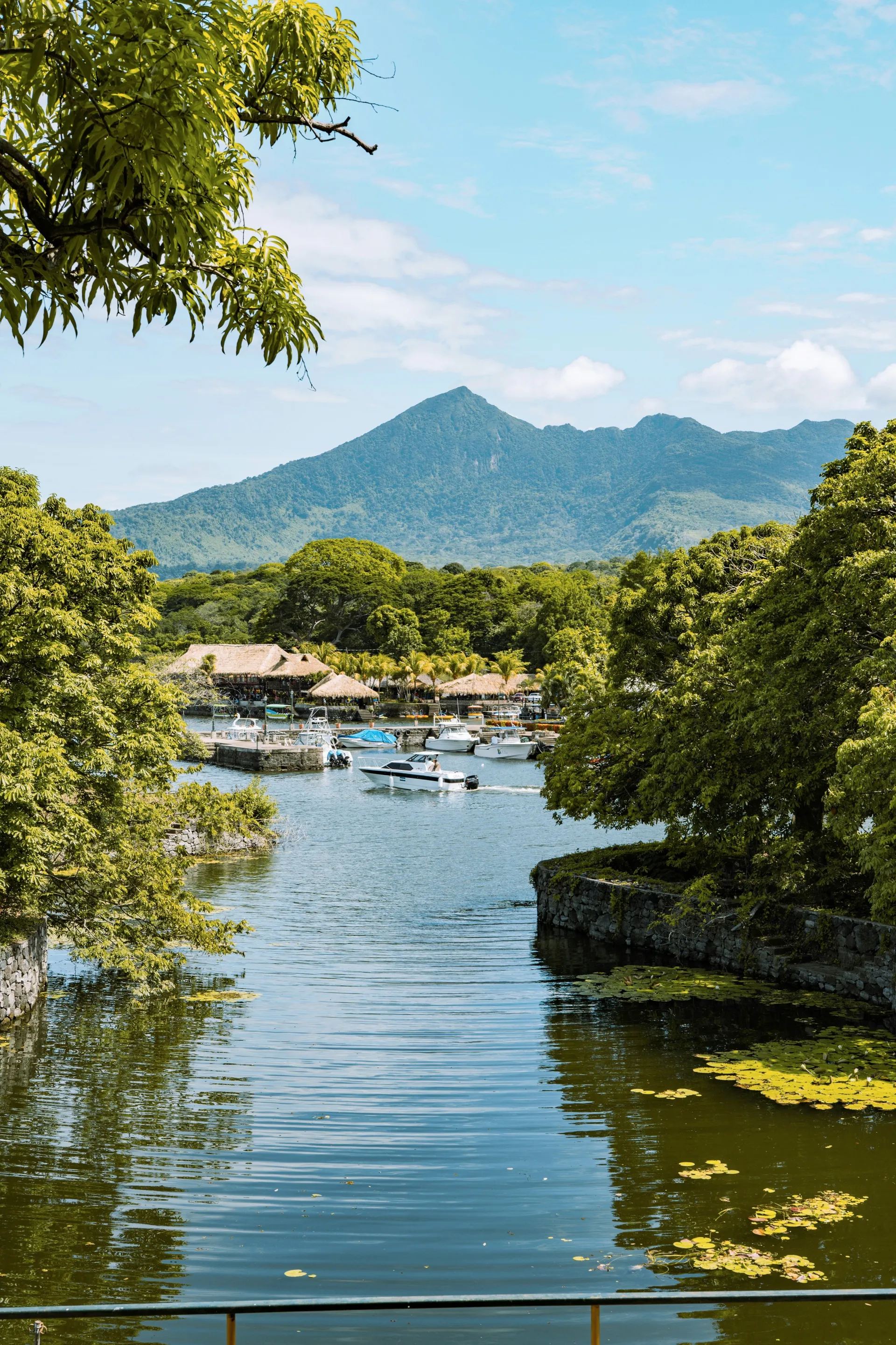
The Islets of Granada — Las Isletas — constitute one of Central America's most charming natural attractions. This archipelago of 365 tiny islands, scattered across the northern end of Lake Nicaragua, was formed by an ancient eruption of Mombacho Volcano, whose perfect cone still looms above the city. Boat tours through the islets reveal a world of miniature tropical paradises — some hosting a single family home and a mango tree, others converted into restaurants, hotels, or wildlife preserves where howler monkeys and tropical birds inhabit fragments of lake-edge forest. The interplay of water, volcanic islands, and the looming presence of Mombacho creates a landscape of almost dreamlike beauty.
Granada's food scene reflects the energy of a city undergoing cultural renaissance. Traditional Nicaraguan dishes — vigoron (yucca with chicharron and cabbage slaw), nacatamal (the Central American tamale filled with pork and vegetables), and fresh lake fish prepared with achiote and citrus — are served alongside increasingly sophisticated international cuisine in the restored colonial buildings of Calle La Calzada. The local cacao tradition, predating the Spanish conquest, continues in artisanal chocolate workshops where visitors can participate in bean-to-bar processes that connect contemporary craft to pre-Columbian heritage. Flor de Cana rum, produced in nearby Chichigalpa and considered among the finest in the Americas, accompanies meals with aged elegance.
Granada is accessible as a shore excursion from the Pacific port of San Juan del Sur, approximately ninety minutes by road, or via the lakefront when conditions permit small vessel access. The city is best visited during the dry season from November through April, when temperatures are warm but humidity is manageable and the risk of tropical rain is minimal. The compact historic center is entirely walkable, though horse-drawn carriage tours provide a romantic alternative. For travelers seeking colonial heritage, volcanic landscapes, and the vibrant energy of a Central American city in renewal, Granada delivers an experience that exceeds expectations set by its modest international profile.