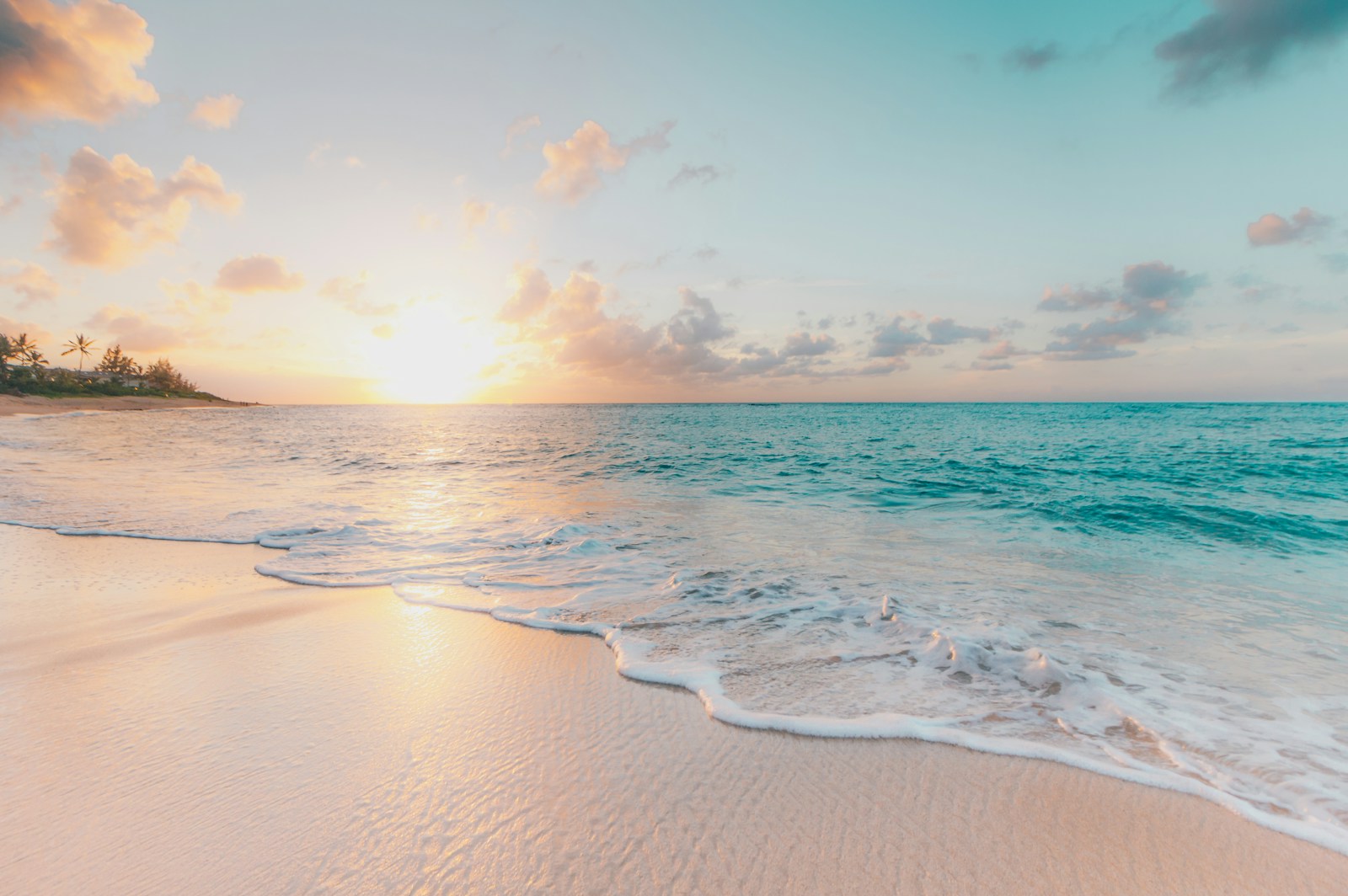
In the western Pacific, where the Mariana Trench plunges to the deepest point on earth just a hundred kilometers to the east, Saipan rises as the largest island of the Northern Mariana Islands—a place where the turquoise waters and white sand beaches of a tropical paradise overlay one of the most brutally contested battlegrounds of World War II. The June 1944 Battle of Saipan, which cost over 50,000 casualties in three weeks of fighting, broke the Japanese empire's inner defensive perimeter and brought American B-29 bombers within range of the Japanese home islands. Today, the battlefield sites share the island with luxury resorts, Chamorro cultural sites, and marine environments of exceptional beauty.
The character of modern Saipan reflects the layered influences of its Chamorro indigenous heritage, three centuries of Spanish colonization, Japanese mandate administration, and American governance since 1944. The capital, Garapan, has been rebuilt from the total destruction of the battle into a pleasant commercial district where Chamorro, Filipino, Chinese, Korean, and American cultures mix with a casualness that reflects the island's position as a Pacific crossroads. The ancient latte stone pillars—the distinctive mushroom-shaped stone columns that supported traditional Chamorro houses—stand in parks and archaeological sites across the island, reminders of a civilization that flourished here for over three thousand years before European contact.
Saipan's natural environment offers marine experiences that rank among the finest in the Pacific. The Grotto, a natural limestone cavern that opens onto the sea through three underwater passages, is consistently ranked among the world's top ten dive sites—the cathedral-like interior, illuminated by shafts of sunlight penetrating through the submerged arches, creates a visual experience of almost religious intensity. The island's western shore, protected by an extensive barrier reef, provides calm lagoon snorkeling where sea turtles, rays, and over 200 species of reef fish inhabit coral gardens accessible from beach-level entry points. The island's eastern coast, exposed to the open Pacific, presents a more dramatic landscape of wave-carved cliffs and surge channels.
The World War II heritage sites on Saipan carry an emotional weight that the tropical setting intensifies rather than diminishes. Suicide Cliff and Banzai Cliff, on the island's northern tip, mark the locations where hundreds of Japanese civilians and soldiers leaped to their deaths rather than surrender to advancing American forces—a tragedy whose memorial sites are maintained by both the Japanese and American governments. The Last Command Post, the American Memorial Park, and the Japanese peace memorials scattered across the island create a landscape of remembrance that asks visitors to contemplate the human cost of conflict in a setting of almost unbearable natural beauty.
Saipan is reached by direct flights from Tokyo, Seoul, and Manila, with connections from Guam serving additional Asian and Pacific routes. The island has a well-developed tourism infrastructure including international resort hotels, dive operators, and rental car agencies. The climate is tropical year-round, with temperatures averaging 27 degrees Celsius and the driest months from December through June providing the most comfortable conditions. The wet season from July through November brings occasional typhoons, though the island's extensive reef system provides natural protection. The Grotto diving site requires an advanced open water certification due to its depth and current conditions.

