Midway between the northernmost coast of Norway and the Svalbard archipelago, Bear Island — Bjørnøya in Norwegian — emerges from the Barents Sea as one of the most isolated and least visited landmasses in the European Arctic. This uninhabited island of approximately 178 square kilometers, named by the Dutch explorer Willem Barents in 1596 after a polar bear encounter during his search for the Northeast Passage, exists in a state of sublime desolation that makes even Svalbard seem populous by comparison. The Norwegian meteorological station at Herwighamna, staffed by a rotating crew of nine, constitutes the island's entire human presence — a solitary outpost of civilization in a landscape ruled by seabirds, Arctic foxes, and the relentless Barents Sea weather.
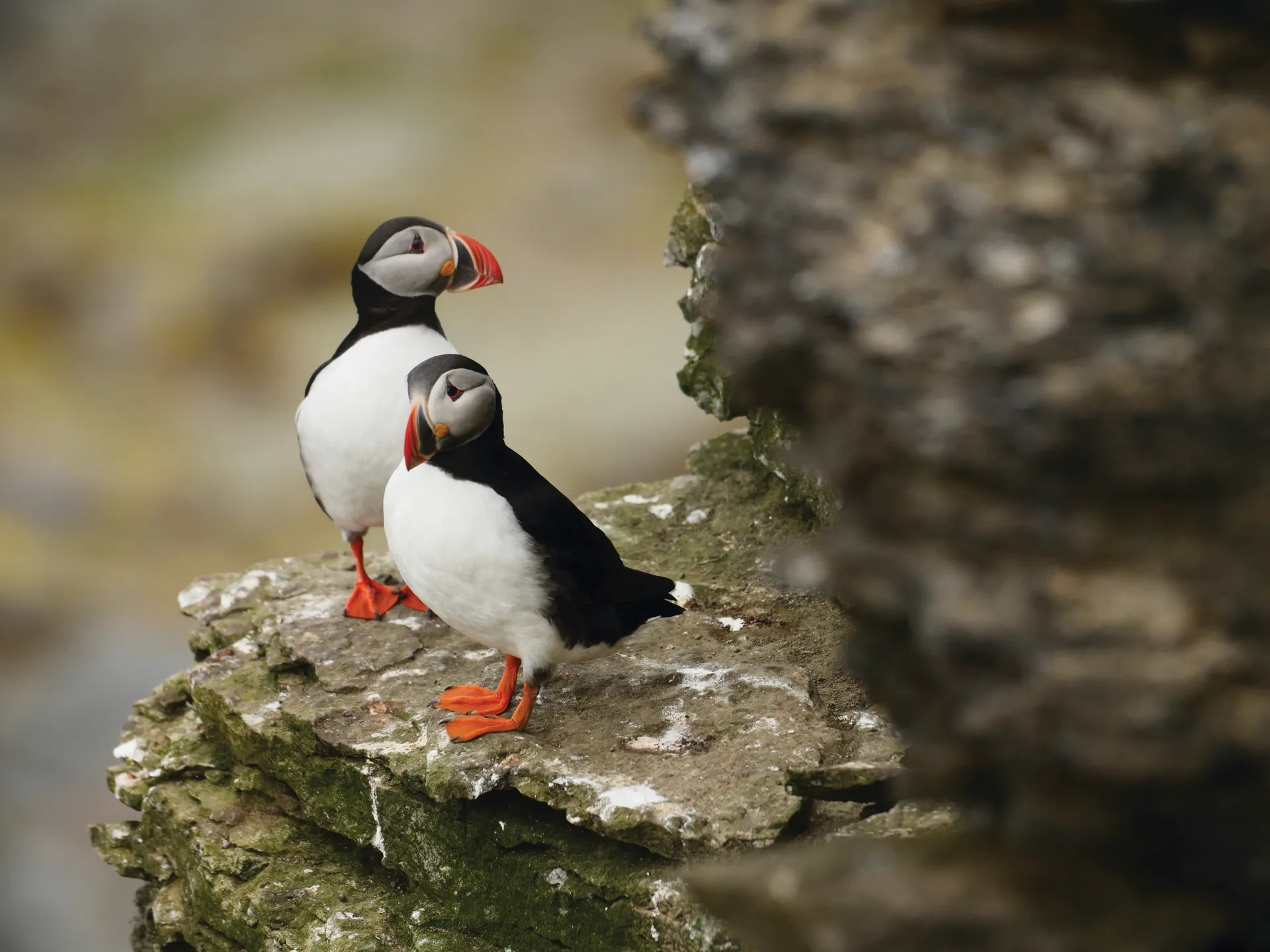
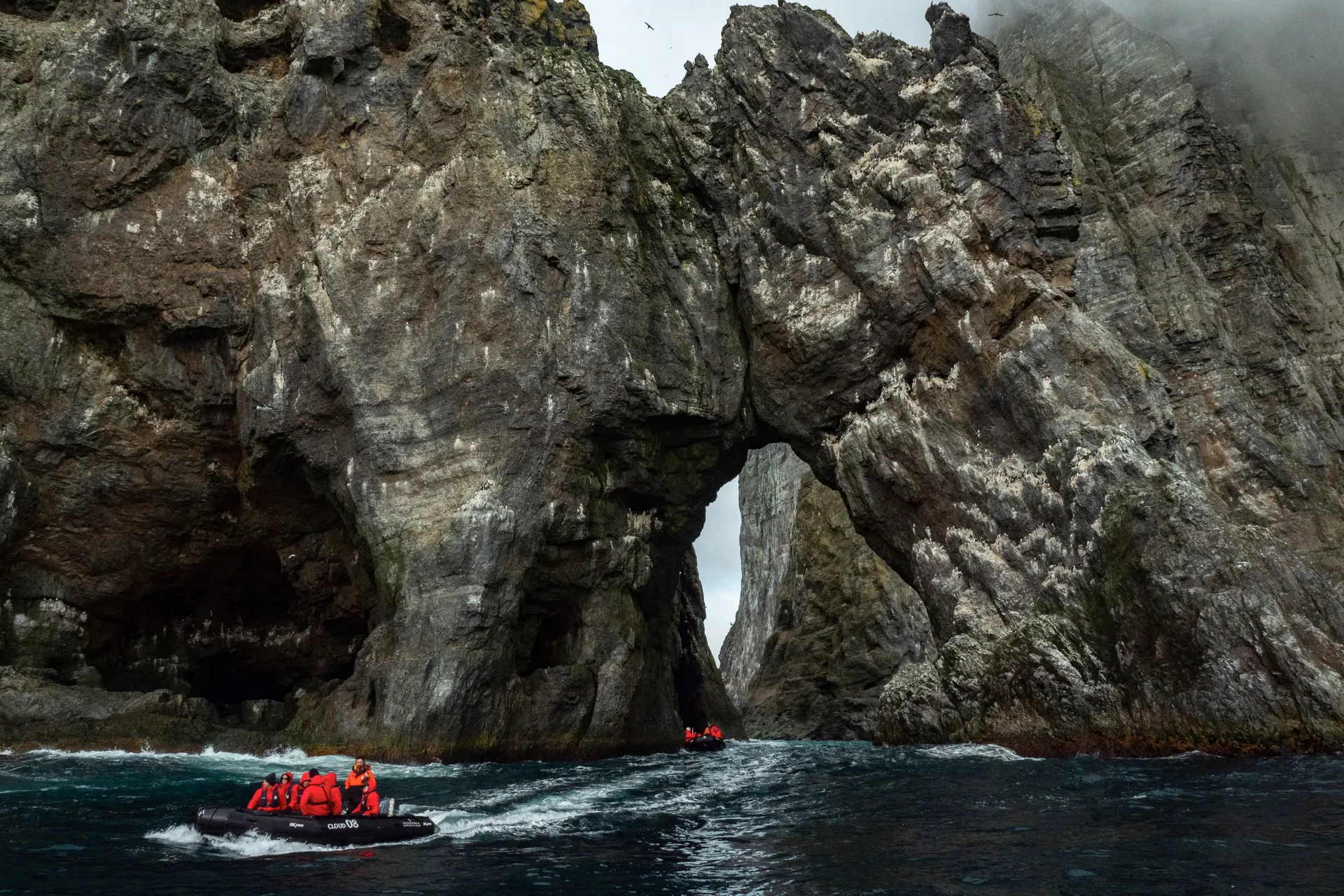
The bird cliffs of Bear Island's southern coast present one of the most spectacular ornithological spectacles in the Northern Hemisphere. The Stappen cliffs rise over four hundred meters from the sea in sheer walls of basalt that support nesting colonies numbering in the hundreds of thousands — guillemots, kittiwakes, fulmars, and puffins pack every available ledge in a cacophony of calls and a blizzard of wings that overwhelms the senses. The density of avian life here rivals anything in the Svalbard archipelago, and the accessibility of the colonies from the sea — vessels can approach the cliff base for unobstructed viewing — makes Bear Island one of the premier bird-watching destinations in the Arctic.
The island's geology tells a story of extraordinary depth. Bear Island sits on the boundary between the Barents Sea Shelf and the Norwegian Sea, its rocks spanning hundreds of millions of years of earth history. Coal deposits, remnants of ancient tropical forests, and fossil beds containing organisms from the Carboniferous period create a geological museum that stretches across the island's wind-scoured surface. The sea stacks and natural arches along the southern coast — sculpted by the Barents Sea's ceaseless erosion — present some of the most dramatic coastal rock formations in the Arctic, their shapes rendered even more surreal by the fog that frequently envelops the island.
The marine environment surrounding Bear Island is among the richest in the Arctic. The convergence of warm Atlantic currents from the south and cold Arctic waters from the north creates a mixing zone of extraordinary productivity, supporting the food chain from plankton through fish to the seabirds and marine mammals that depend on these waters. Humpback whales, fin whales, and minke whales feed in the surrounding seas during summer, while walrus and several species of seal haul out on the island's rocky shores. Polar bears visit occasionally, swimming from the Svalbard ice edge or riding ice floes south, their presence a reminder that Bear Island exists at the frontier between the habitable and the frozen.
Silversea includes Bear Island in its Arctic expedition itineraries, typically as a waypoint on voyages between mainland Norway and Svalbard. Zodiac cruises along the cliff faces provide the most intimate encounters with the bird colonies, while conditions permitting, landings on the island's northern coast allow walks across the tundra to the meteorological station and the surrounding archaeological sites — remnants of seventeenth-century whaling camps and World War II German weather stations. The visiting season is compressed into June through August, when the midnight sun illuminates the cliffs in continuous golden light and the bird colonies are at peak activity. Bear Island demands flexibility and a tolerance for weather-dependent itineraries, but it rewards these qualities with an Arctic experience of extraordinary purity.