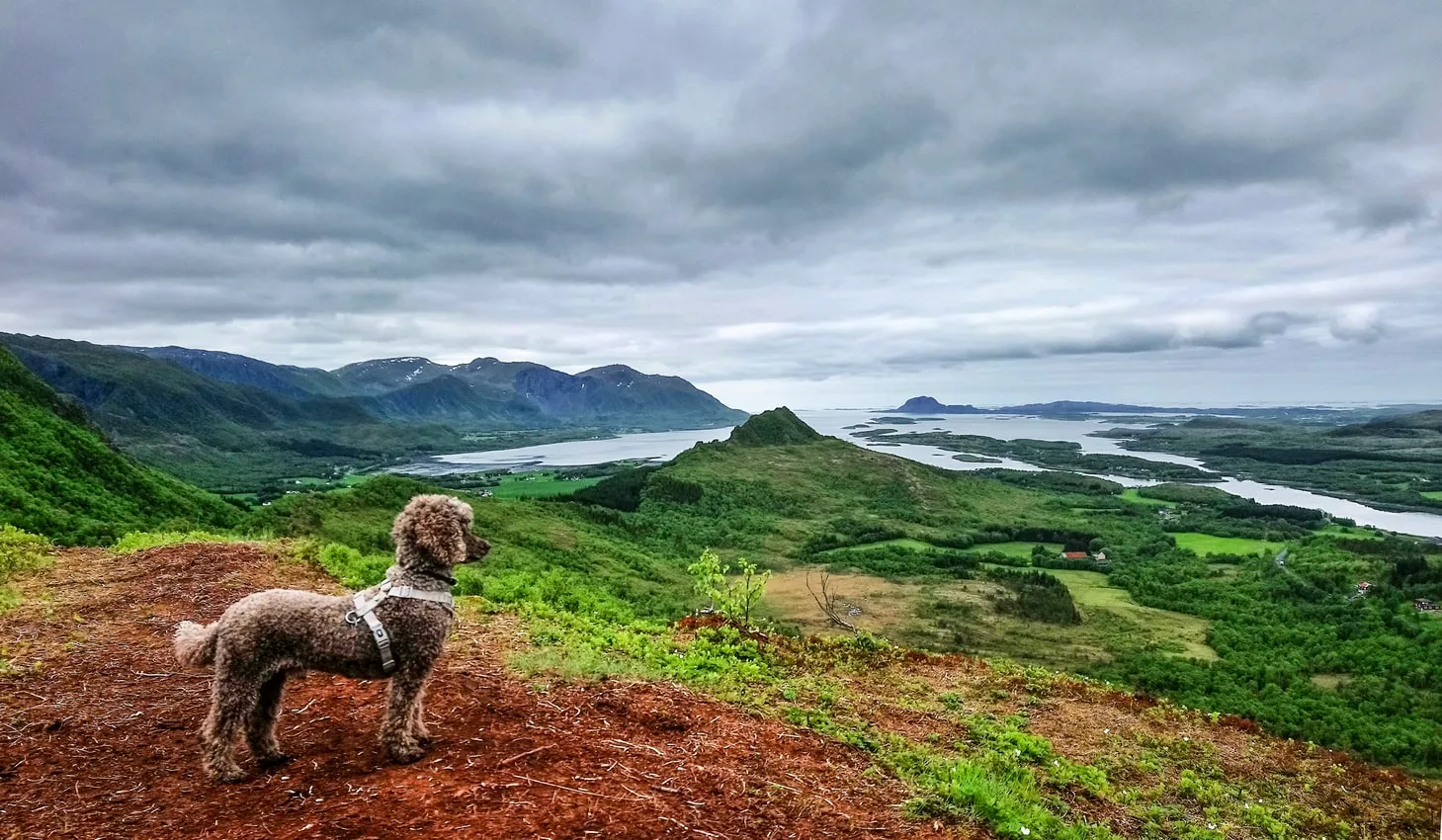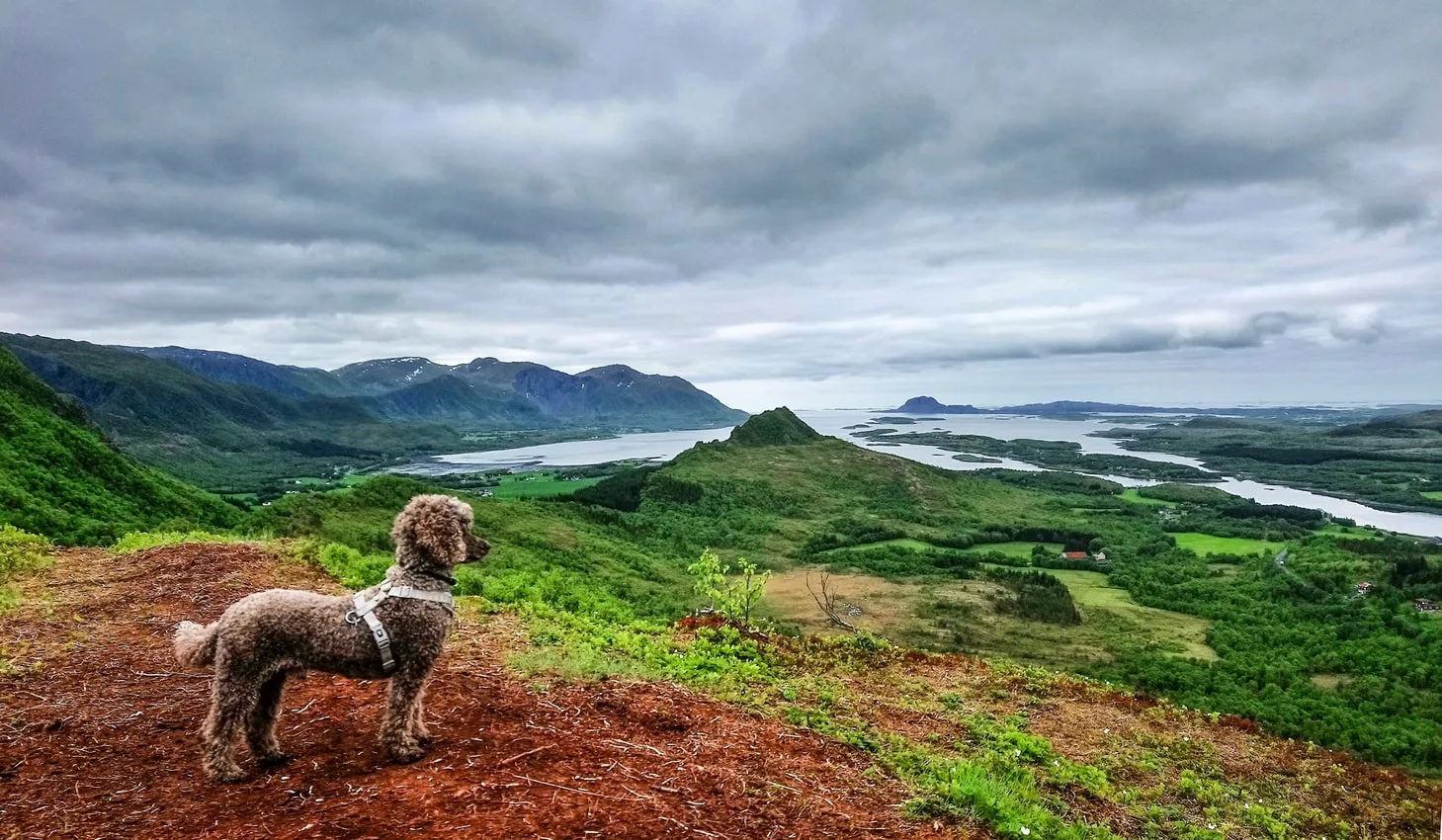
Brønnøysund, a small fishing town nestled on the Helgeland coast of northern Norway, sits at the geographical threshold where the Nordic world begins to reveal its most dramatic secrets. The town lies just south of the Arctic Circle, straddling the boundary between the sheltered fjords of central Norway and the wild, island-strewn seascape of the north. Established as a trading post in the eighteenth century, Brønnøysund has long served as a service center for the scattered fishing communities of the Helgeland archipelago — a constellation of over twelve thousand islands, islets, and skerries that create one of the most extraordinary coastal landscapes in all of Scandinavia.
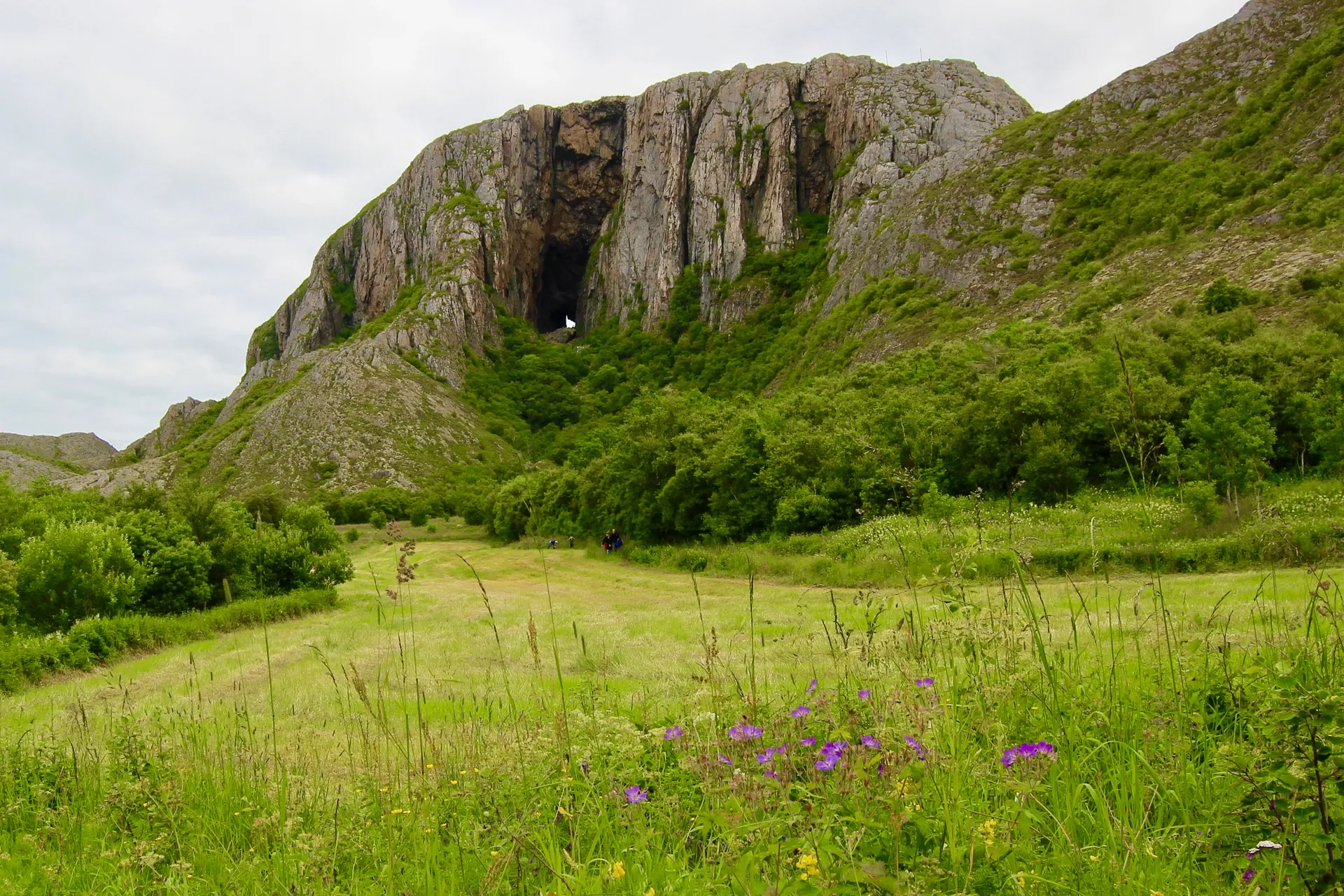
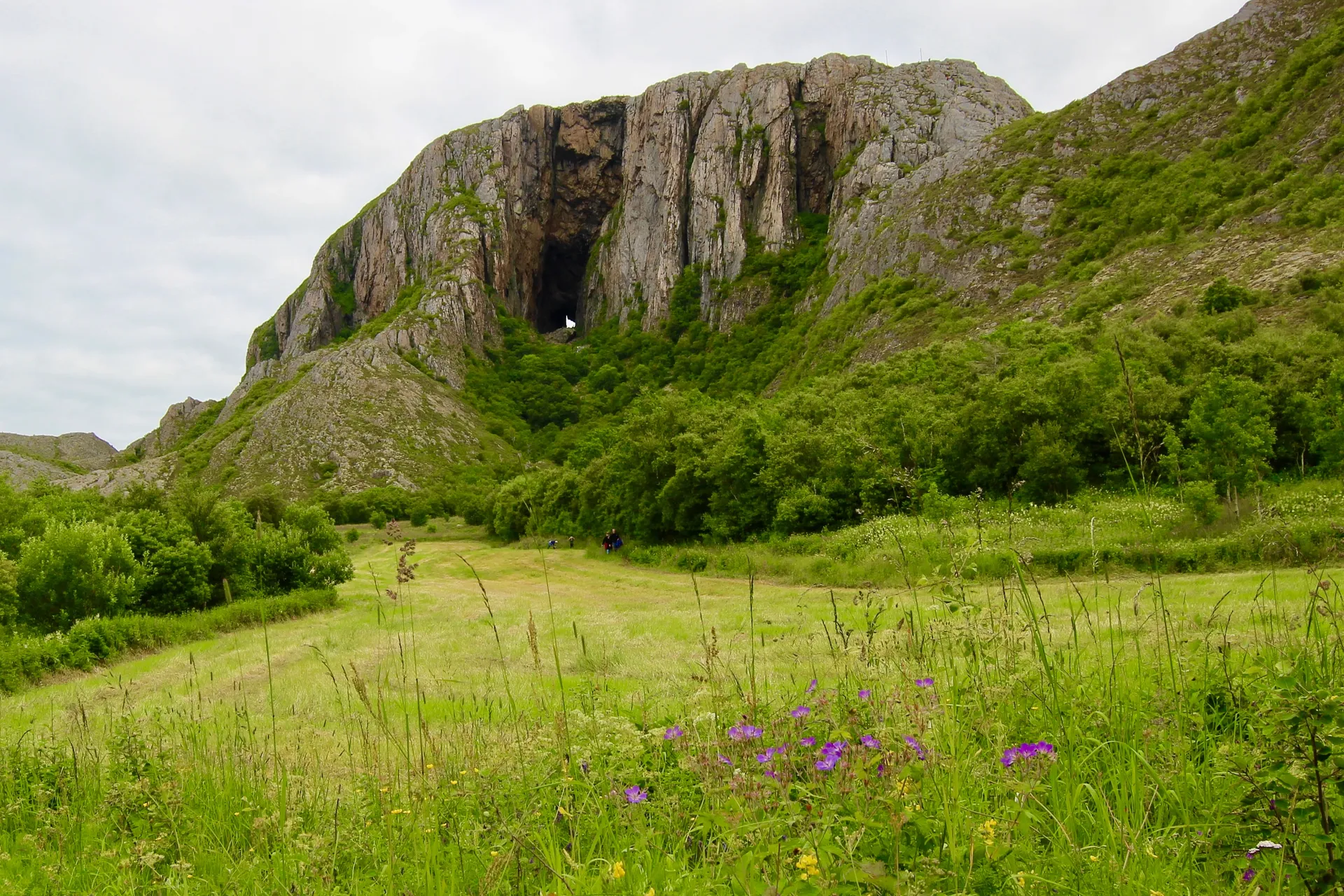
The defining natural landmark of the region is Torghatten, a mountain on the island of Torget whose silhouette reveals a remarkable feature: a hole that passes completely through the mountain, 160 meters long, 35 meters high, and 20 meters wide. Norse legend attributes this tunnel to an arrow shot by the troll Hestmannen at the maiden Lekamøya as she fled along the coast — when the sun rose, all three were turned to stone. Geologists explain it as the work of glacial erosion during the last ice age, when sea levels were higher, but the mythological version captures the imagination more thoroughly. A hiking trail leads up to the tunnel, rewarding visitors with otherworldly views through the mountain to the sea beyond.
Helgeland cuisine is shaped by the sea and the seasons. Fresh cod, particularly the prized skrei (Arctic cod migrating south to spawn), is prepared simply — poached with butter, boiled potatoes, and carrots — to let the pure, flaky flesh speak for itself. Dried and salted klippfisk (clipfish) has been Norway's most important export for centuries and remains a staple. King crab legs, steamed and served with melted butter and lemon, arrive from the fjords during winter months. Cloudberries (multebær), the golden Arctic berries that ripen in August on mountain plateaus, are served with cream or as a topping for waffles — the most quintessentially Norwegian of desserts.
Beyond Torghatten, the Helgeland coast offers natural wonders at every turn. The Seven Sisters (De Syv Søstre), a mountain range of seven distinct peaks rising along the coast of Alstahaug, evoke another troll legend and provide world-class hiking. The Svartisen Glacier, mainland Norway's second-largest glacier, can be reached by boat and a short hike from Holandsfjorden. The Vega Archipelago, a UNESCO World Heritage Site about an hour south, preserves a centuries-old tradition of eider duck down harvesting and offers pristine birdwatching. During summer, the midnight sun bathes this coast in twenty-four hours of golden light.
Brønnøysund is a prized port of call on Norwegian coastal voyages. Hurtigruten, the legendary Norwegian coastal express service operating since 1893, calls here on its daily Bergen-to-Kirkenes route. Explora Journeys and Seabourn bring ultra-luxury expedition experiences, while Ponant provides boutique French-style voyaging in these spectacular waters. AIDA rounds out the offerings with mainstream accessibility. The peak season is June through August, when the midnight sun illuminates the Helgeland coast, though the northern lights season (October through March) draws adventurous travelers to witness the aurora borealis dancing above these same mountains and fjords.