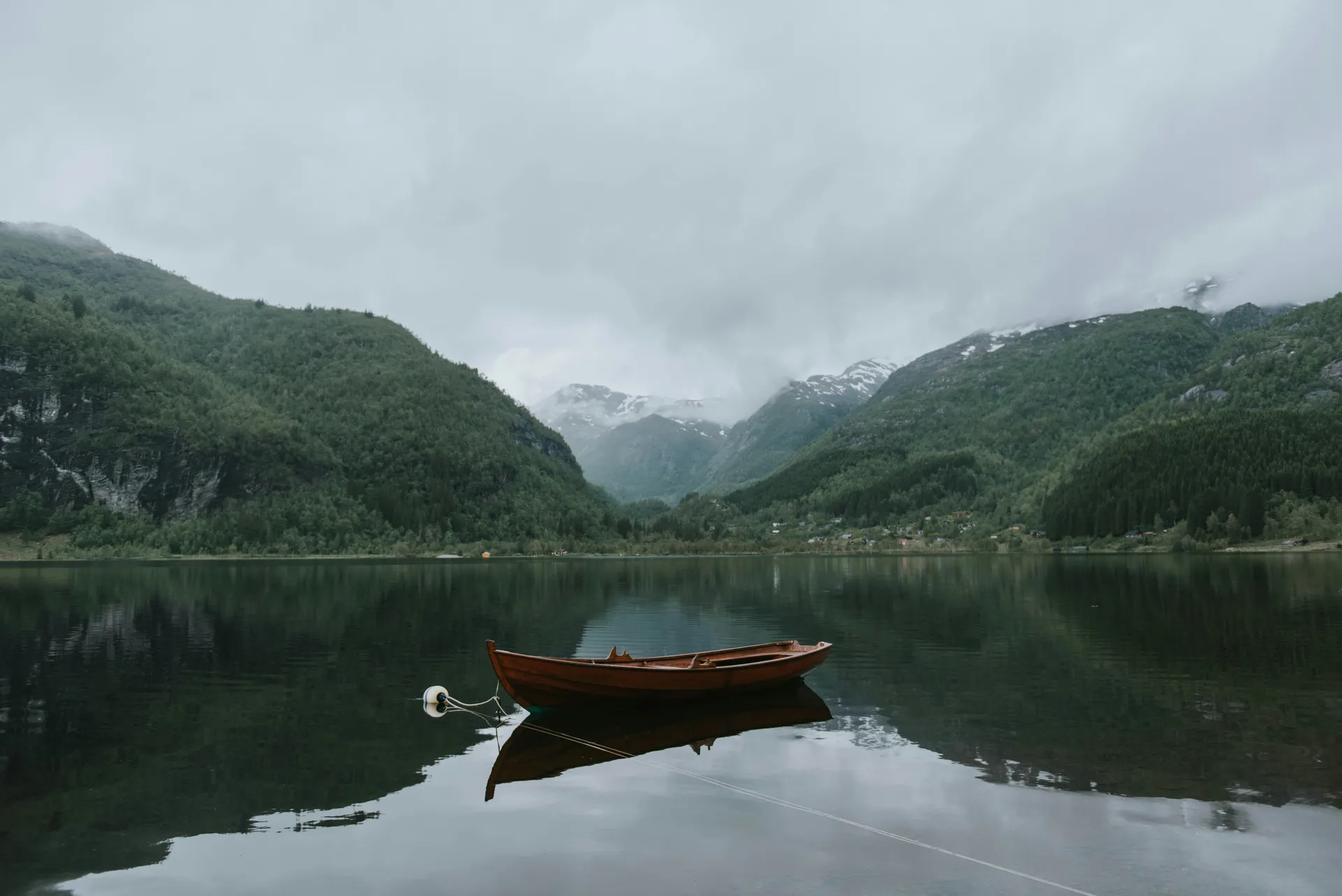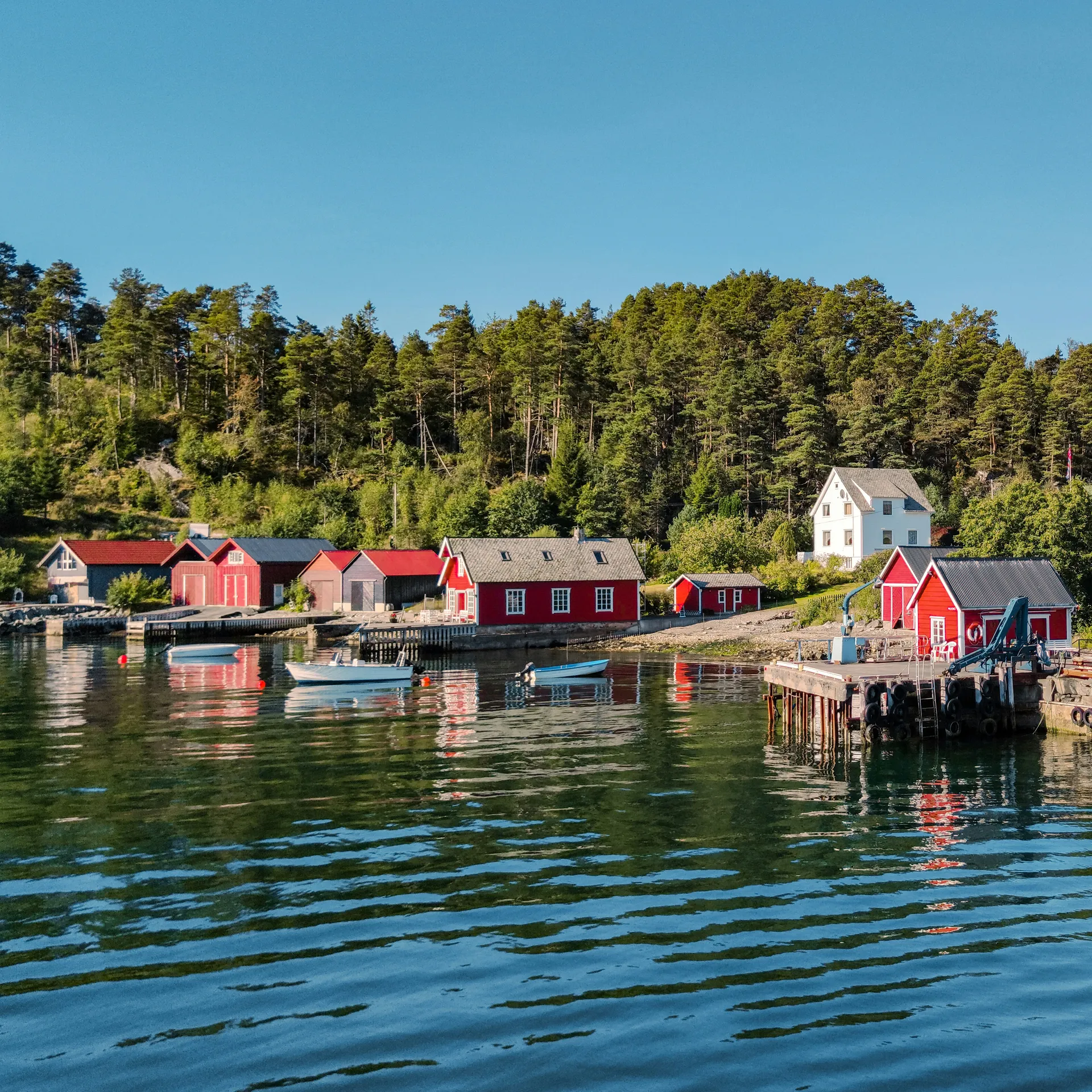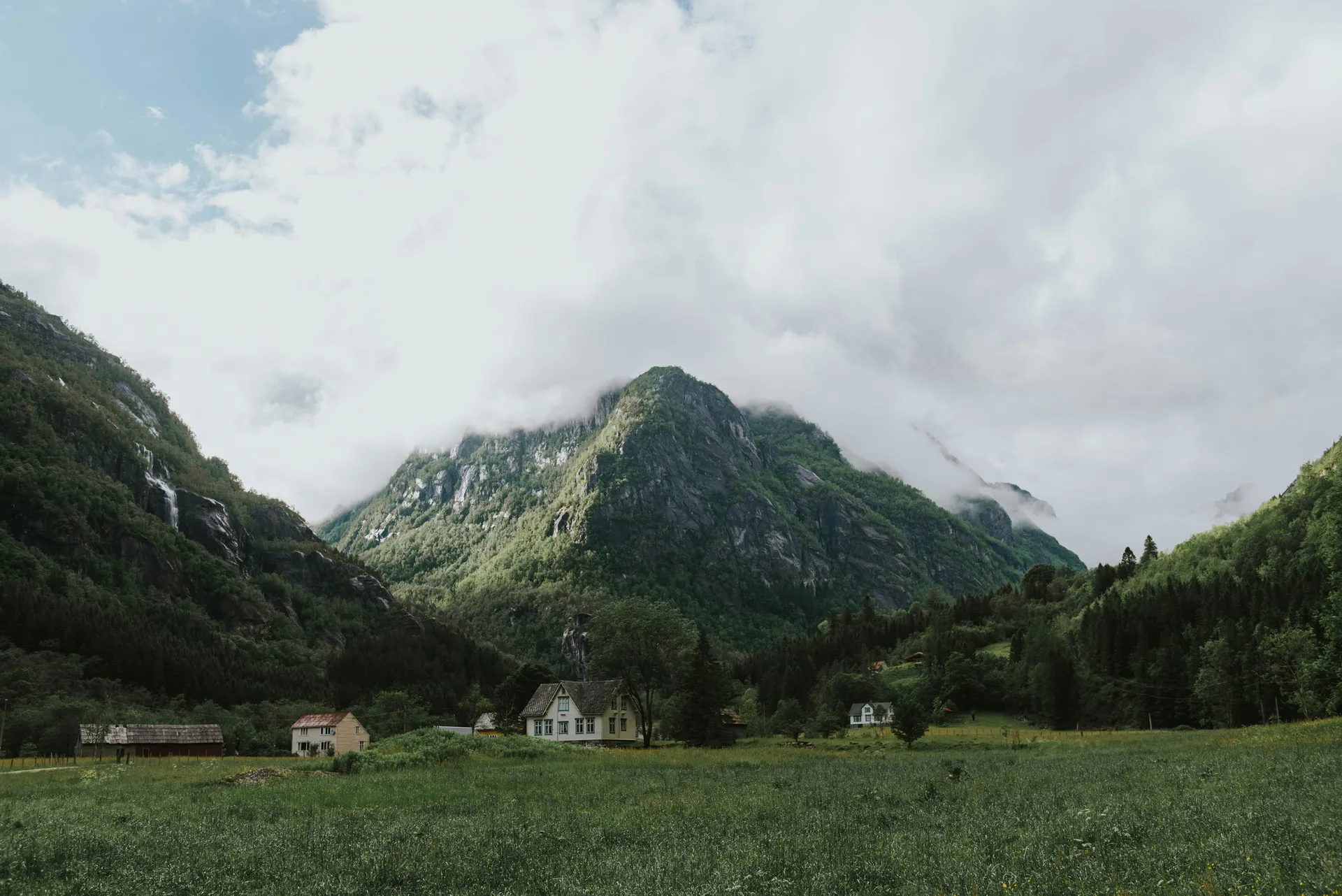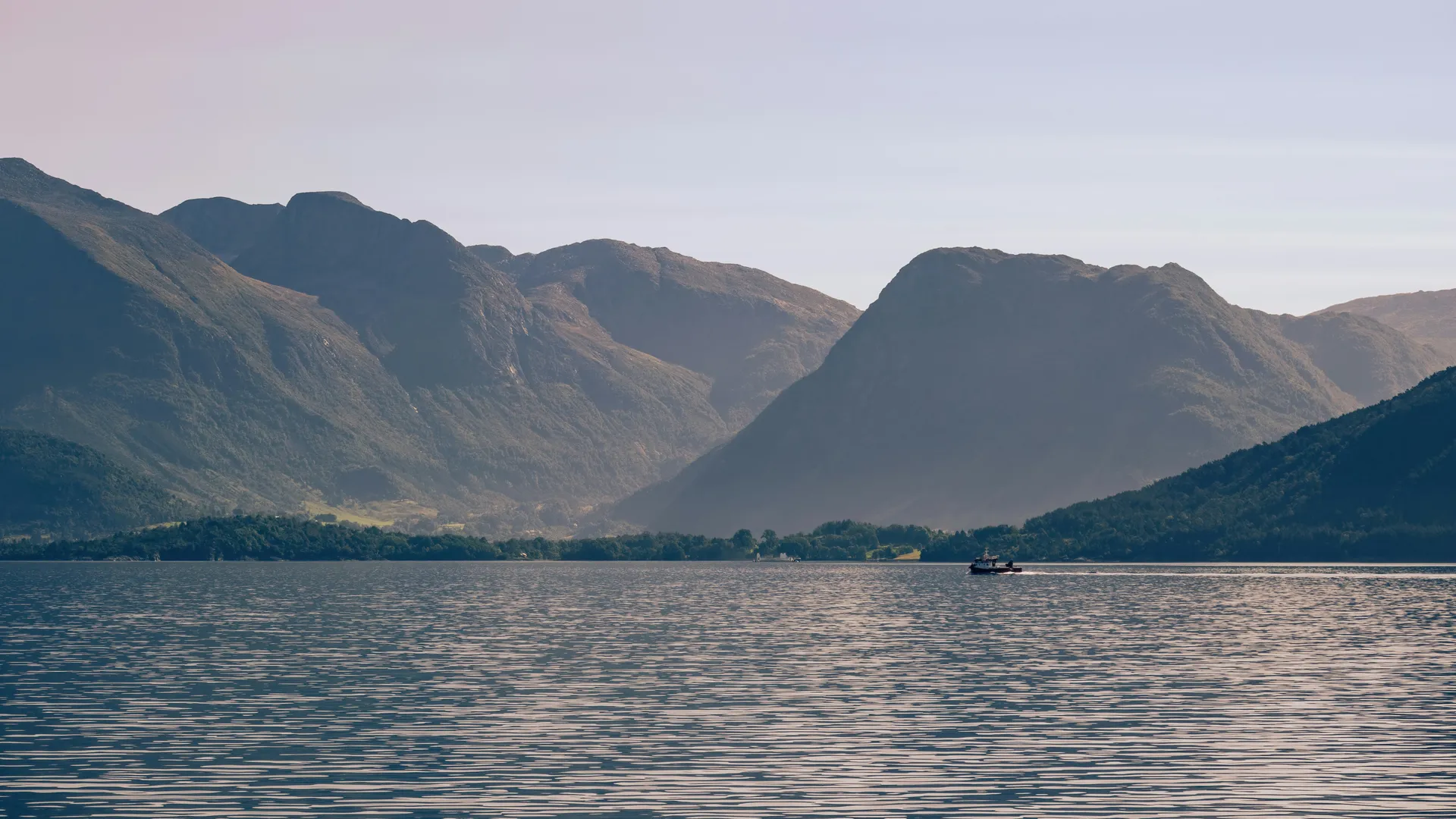
Hardangerfjord stretches 179 kilometers into the heart of western Norway, making it the country's second-longest fjord and, by many reckonings, its most beautiful. While Geirangerfjord and Sognefjord claim the dramatic superlatives — steepest walls, greatest depth — Hardangerfjord seduces with a gentler, more lyrical beauty: its slopes are terraced with fruit orchards that bloom in clouds of white and pink each May, its waters reflect villages that seem unchanged since the nineteenth century, and the Folgefonna glacier gleams on the horizon like a crown of ice above the pastoral green. Edvard Grieg composed here, and you can hear the fjord's moods in every phrase of his music.
The villages along Hardangerfjord read like a rosary of Norwegian charm. Lofthus, perched on a sunny ledge above the water, is the fjord's orchard capital — apple, plum, and cherry trees cascade down to the waterline, and the Hotel Ullensvang, where Grieg wrote much of his piano oeuvre, still welcomes guests who wish to compose their own memories. Eidfjord, at the fjord's inner end, serves as the gateway to the Hardangervidda National Park — Europe's largest highland plateau, where wild reindeer herds roam across treeless tundra. Utne, one of Norway's smallest villages, houses the Hardanger Folk Museum, which preserves the region's tradition of rosemaling (decorative painting), bunad (traditional costume), and Hardanger fiddle music.
The culinary traditions of the Hardangerfjord region are rooted in the land and the sea. Fresh-caught salmon and trout from the fjord are smoked, cured as gravlaks, or simply pan-fried with brown butter and served with new potatoes. Fruit from the fjord's orchards is transformed into ciders, juices, and aquavit-based liqueurs that capture the essence of the Norwegian summer. Local dairy farms produce brunost (brown cheese), the caramel-sweet whey cheese that Norwegians spread on everything from bread to waffles. A traditional fjord lunch might be an open-faced sandwich of smoked salmon, dill, and cucumber on dense rye bread, accompanied by a glass of local apple cider — simple, fresh, and perfectly attuned to its setting.
The natural attractions surrounding Hardangerfjord are among Norway's most spectacular. The Trolltunga rock formation — a tongue of stone jutting horizontally from a cliff 700 meters above Lake Ringedalsvatnet — has become one of the world's most photographed hiking destinations. The Vøringsfossen waterfall, plunging 182 meters into the Måbjødal valley, is best viewed from the new glass-platform stairway at the cliff's edge. The Folgefonna National Park offers summer skiing on the glacier, kayaking along the fjord, and hiking trails that wind through landscapes of alpine wildflowers and cascading streams.
Cunard, Fred Olsen Cruise Lines, and P&O Cruises navigate Hardangerfjord on their Norwegian fjord itineraries, with ships typically cruising the length of the fjord and anchoring at Eidfjord for excursions. The fjord's relatively gentle shores and wide channel make it accessible to larger vessels. The best time to visit is May through September: May brings the famous fruit blossom season, June and July offer the longest days and midnight sun, and September delivers autumn colors that turn the orchards into a tapestry of amber and gold.