Lyngdal lies at the head of the Lyngdalsfjorden in Vest-Agder, the southernmost region of Norway, where the country sheds its dramatic Arctic persona and assumes a gentler, more Mediterranean-inflected character — at least by Scandinavian standards. The town of approximately 10,000 inhabitants sits where the Lyngdalselva river meets the fjord, surrounded by a landscape of oak forests, sheltered beaches, and smooth granite coastline that draws Norwegian families for summer holidays but remains virtually unknown to international visitors. This anonymity is Lyngdal's charm: it offers an authentic window into Norwegian coastal life undisturbed by the tour buses and cruise-ship passengers that crowd the western fjords.
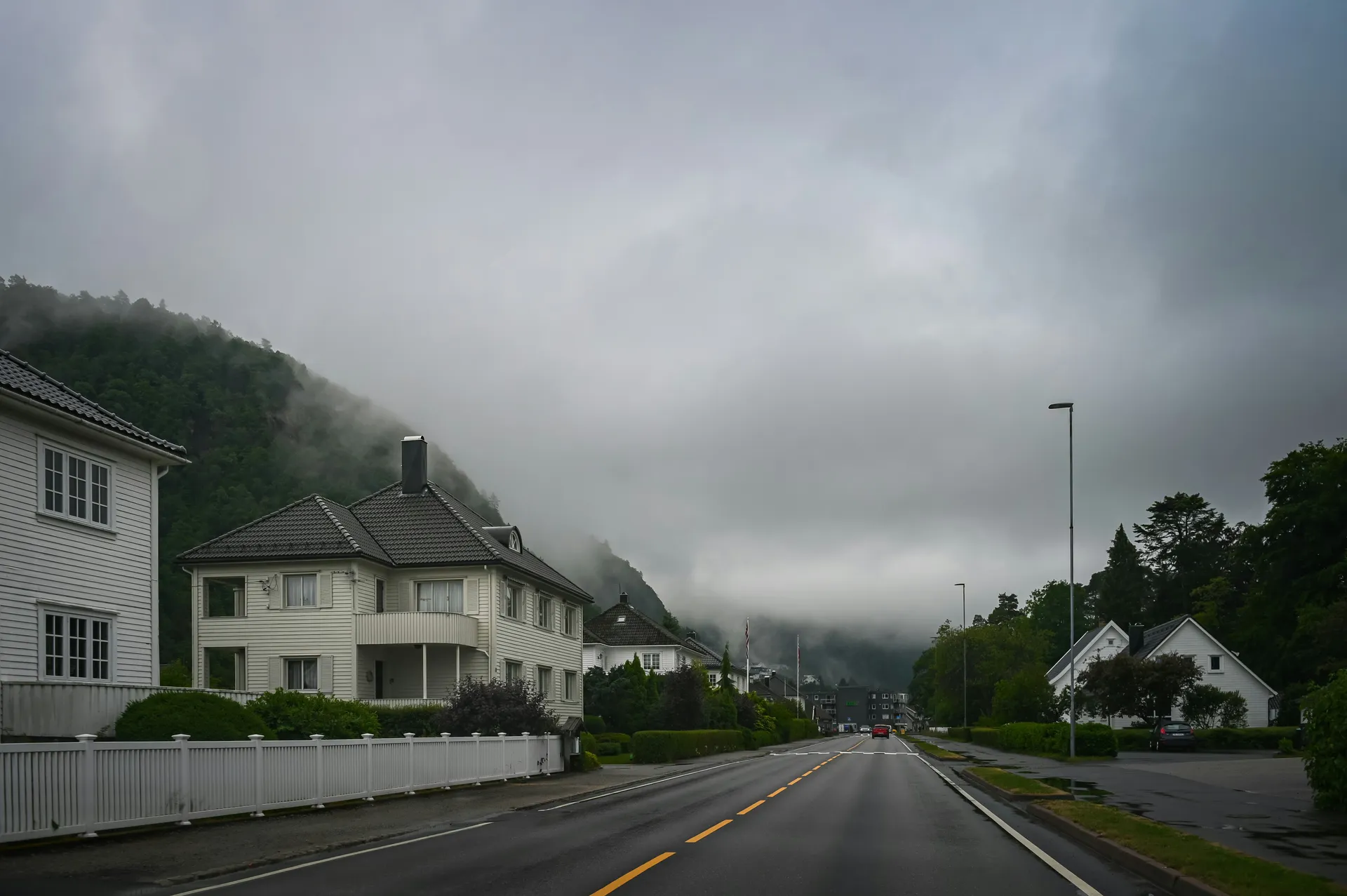
The character of Lyngdal and the broader Sørlandet (southern coast) reflects Norway's sunniest, warmest region. The skerries and islands of the outer coast — collectively known as the "Riviera of the North" — shelter bays of surprisingly warm water where Norwegians swim, sail, and sunbathe through the long summer days. The town center, small and practical, serves the surrounding agricultural hinterland with the understated efficiency typical of Norwegian rural towns. The wooden church at Lyngdal, dating to the seventeenth century, and the historic farmsteads of the valley, with their distinctive red-painted barns and white-painted houses, represent the architectural vernacular of a region that prospered through farming, forestry, and coastal trade.
The culinary traditions of southern Norway blend coastal seafood with the hearty farm cooking of the interior. Fresh shrimp, boiled in seawater and eaten on white bread with mayonnaise and lemon, is the quintessential Sørlandet summer food — purchased from fishing boats at the dock and consumed on the harbor wall with cold beer. Lam (lamb) from the surrounding hill farms, flavored by the wild herbs and berries of the coastal heathland, is roasted simply with root vegetables. The region's berry season — wild strawberries in June, blueberries and cloudberries in August — provides the raw materials for jams, desserts, and the berry liqueurs that punctuate Norwegian festive meals. The local bakeries produce excellent skillingsboller (cinnamon rolls) and lefse (soft flatbread), often served with brown cheese and butter.
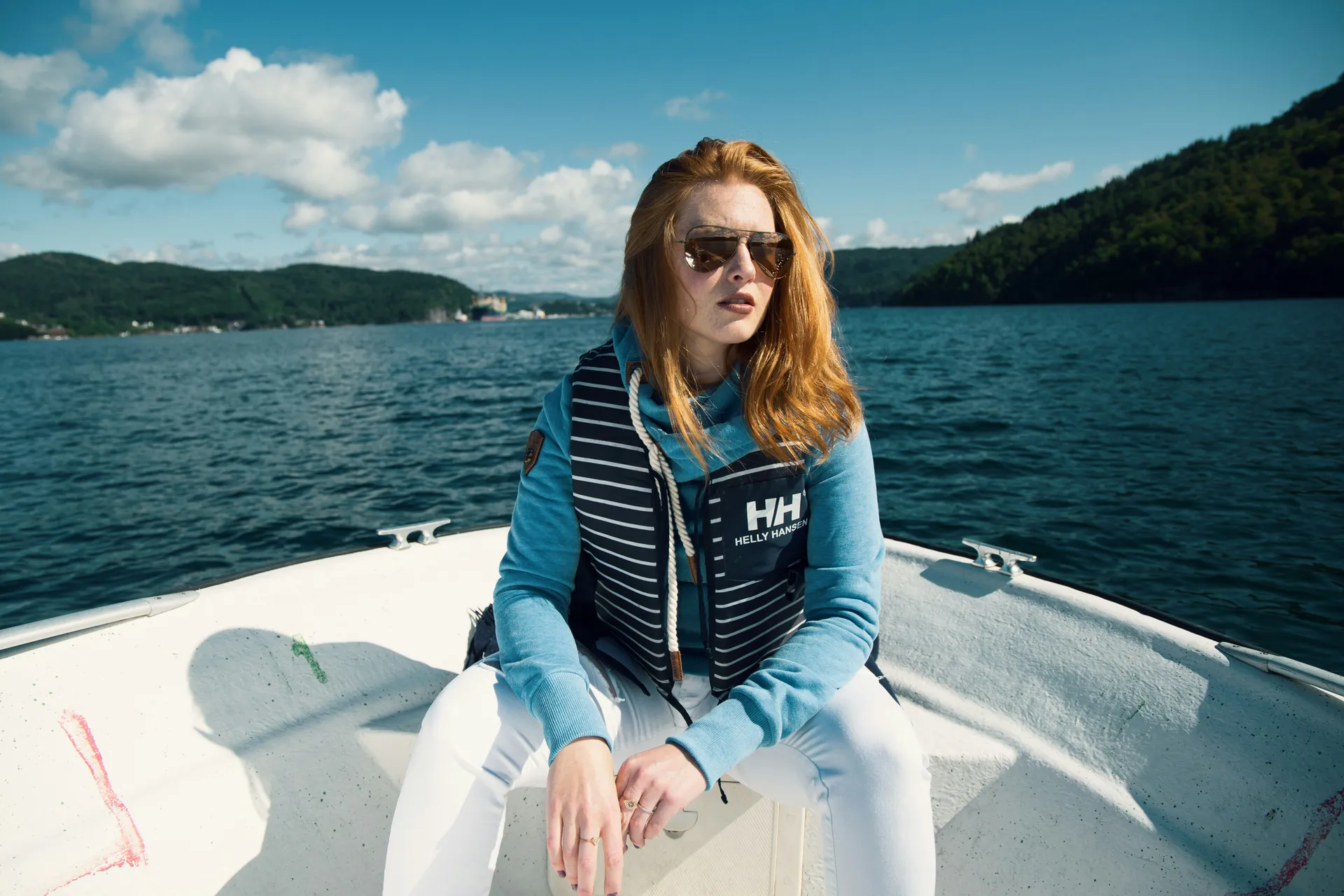
The surrounding landscape offers gentle outdoor experiences suited to families and those seeking nature without extreme exertion. The Lyngdalsfjorden, extending southward to the open Skagerrak sea, is a superb kayaking and sailing destination, its calm waters and sheltered coves accessible to paddlers of all abilities. The Lyngdalselva is one of southern Norway's finest salmon rivers, its clear pools and rapids drawing fly-fishers from across Scandinavia. Coastal hiking along the Sørlandet's granite headlands provides panoramic views across the Skagerrak to Denmark, while inland, the Setesdal valley — one of Norway's most traditional farming valleys — preserves medieval stave churches, folk music traditions, and the distinctive rose-painted wooden furnishings (rosemaling) that represent one of Norway's most recognized folk art forms.
Lyngdal is approximately four hours' drive from Oslo or one hour from Kristiansand, the regional capital. The town is occasionally visited by smaller expedition cruise vessels exploring the southern Norwegian coast. The prime season is June through August, when temperatures can reach a genuinely warm 25–30°C and the long summer evenings extend past 11 PM. The shoulder months of May and September offer quieter conditions with still-pleasant weather, while winter transforms the landscape into a quiet, frost-covered idyll best appreciated with a warm sweater and a cup of strong Norwegian coffee.