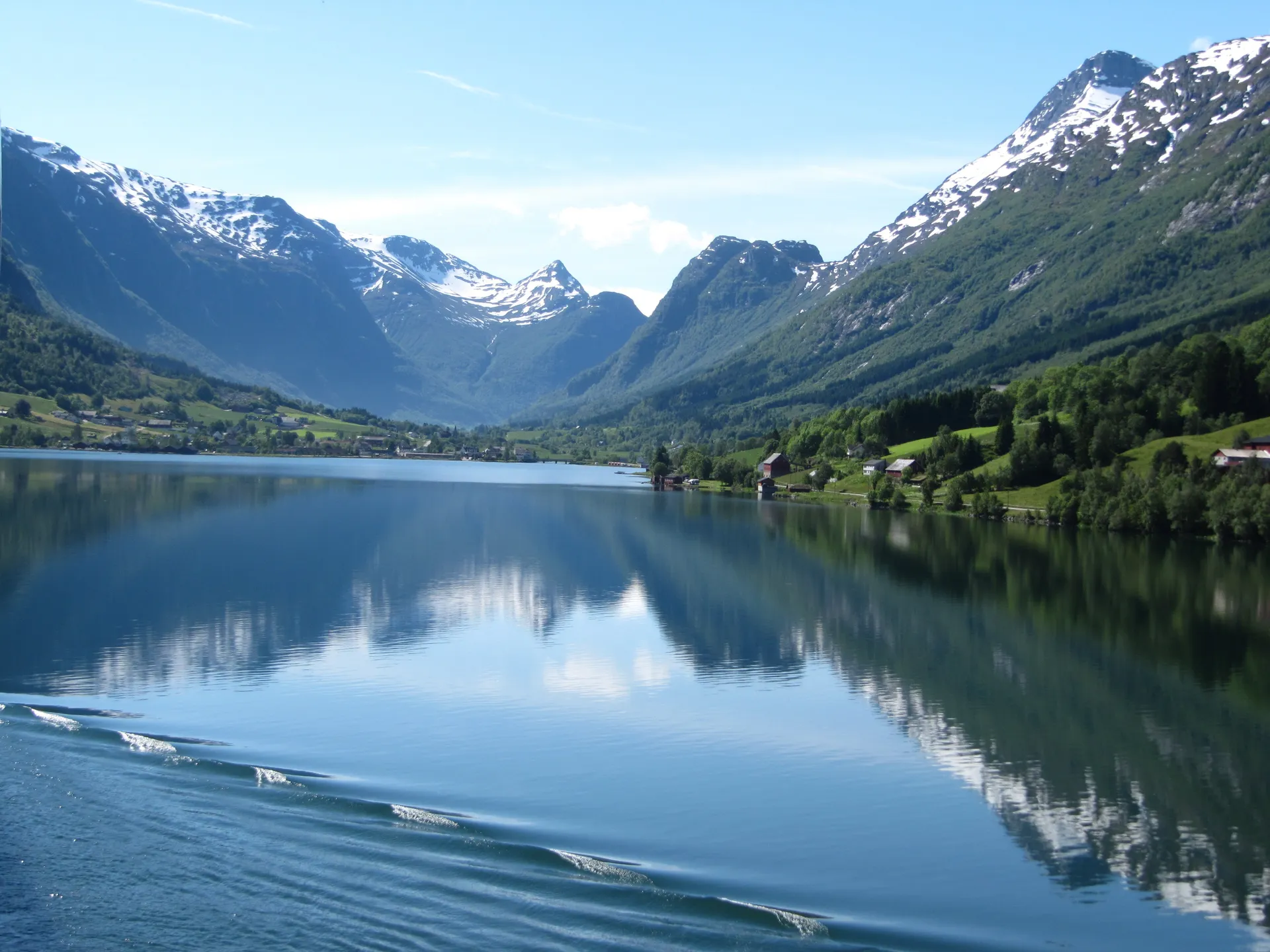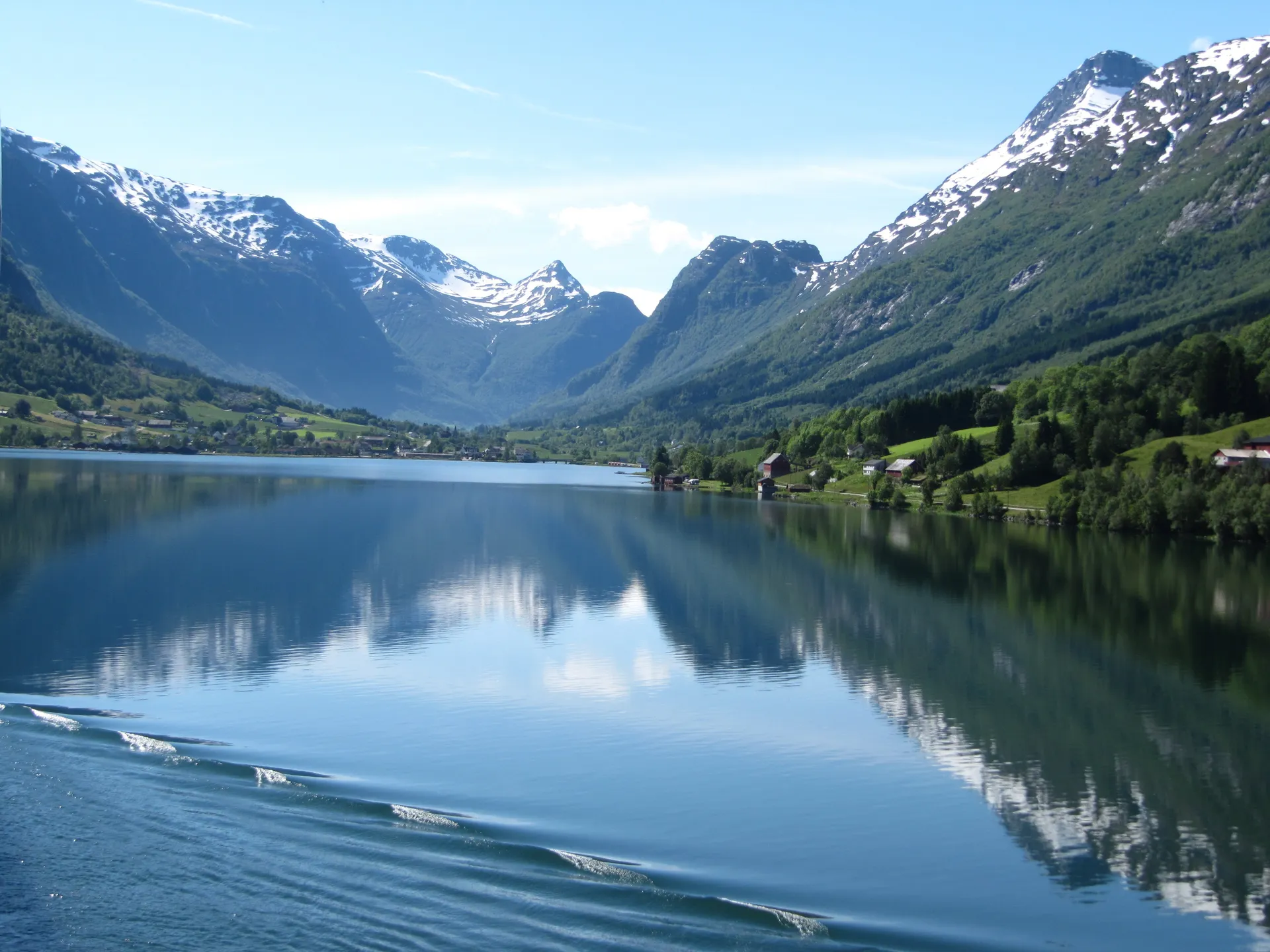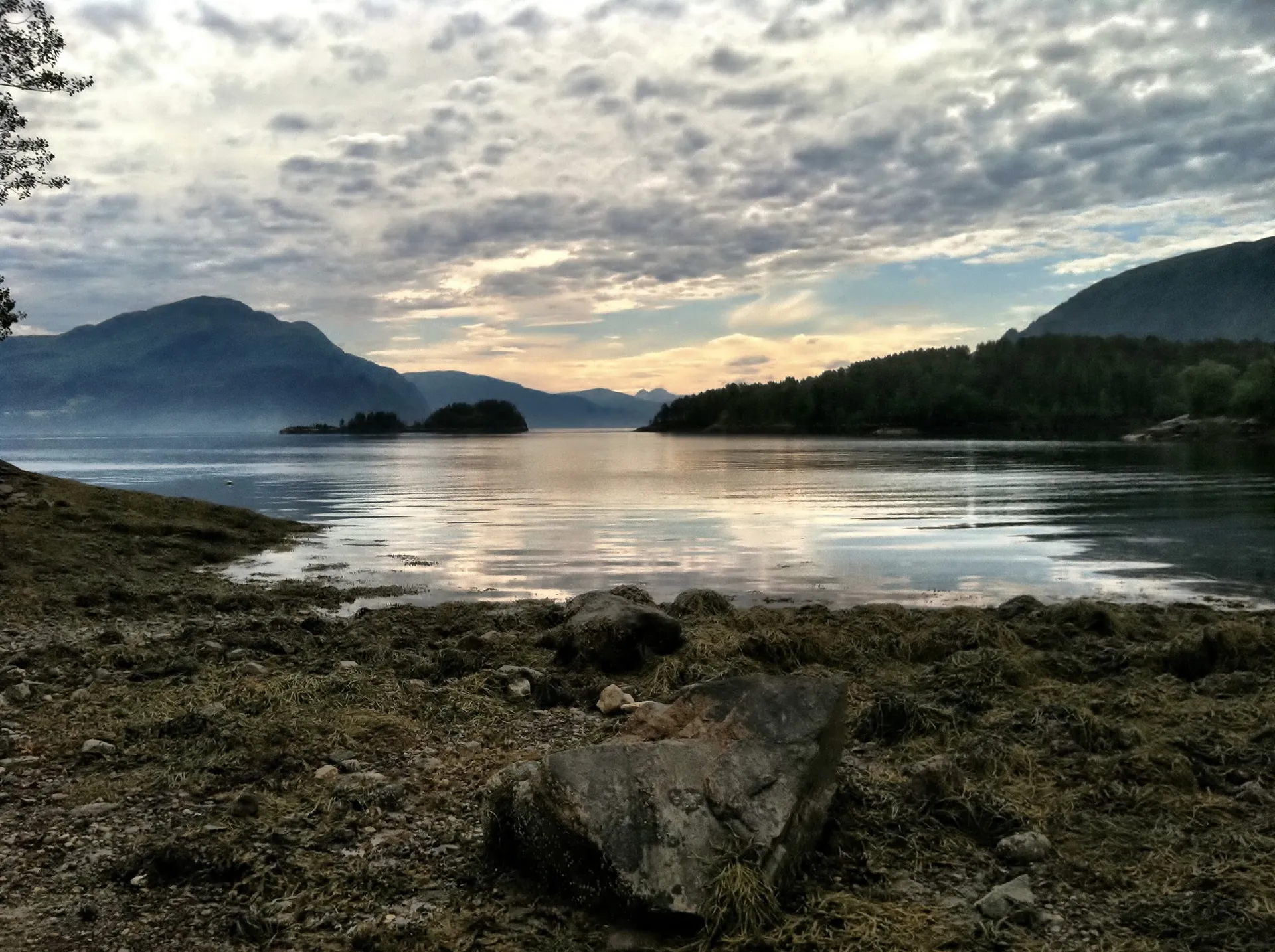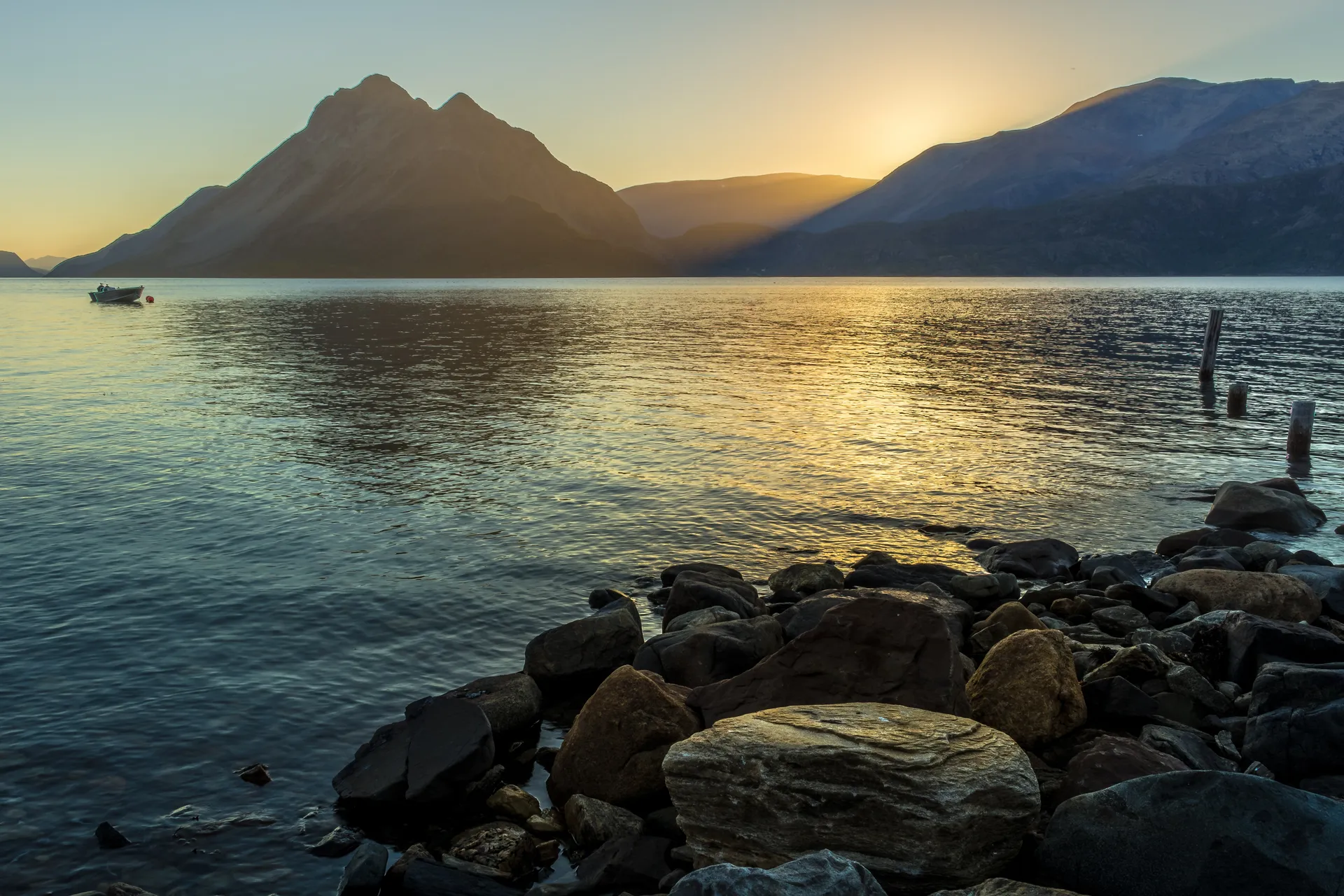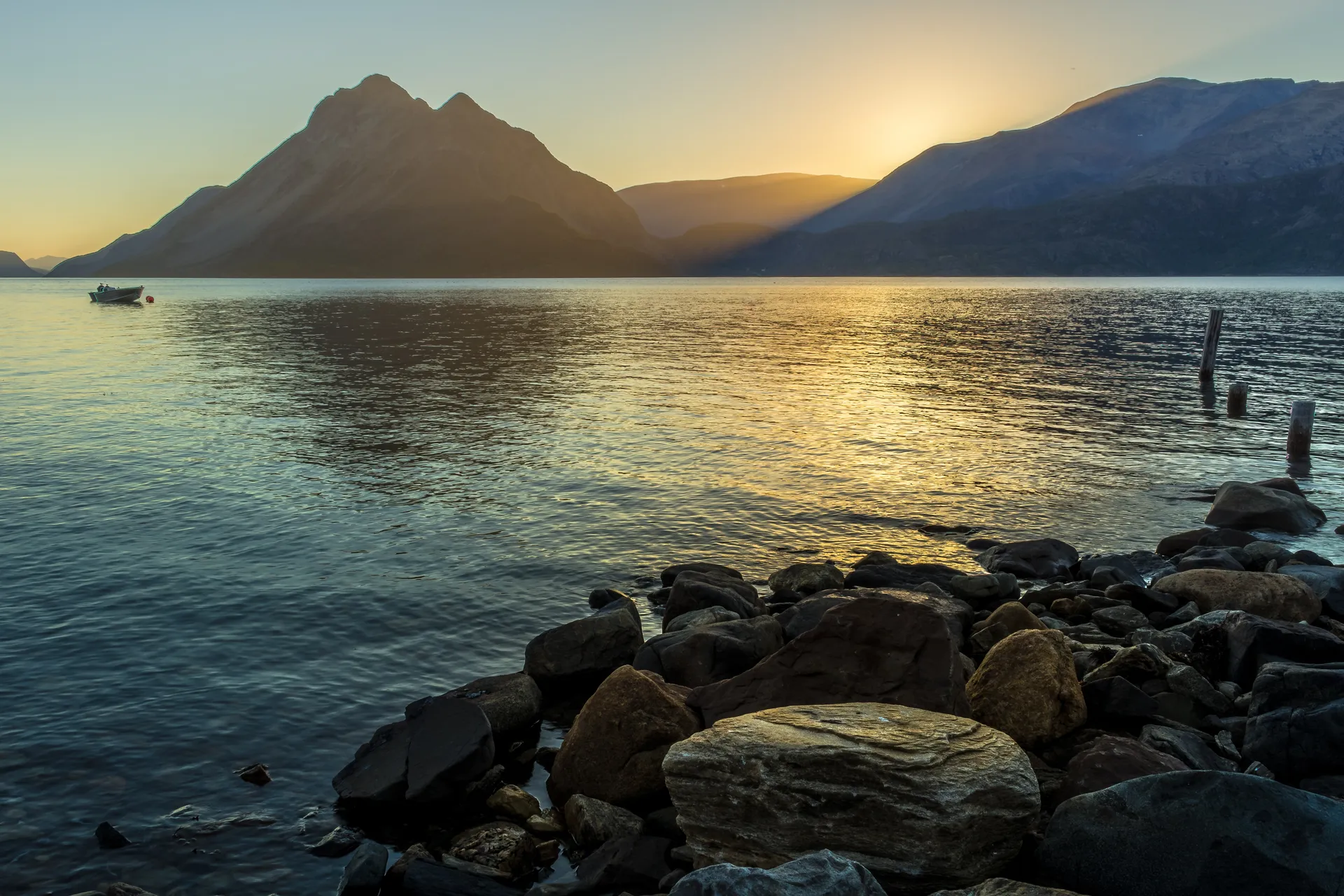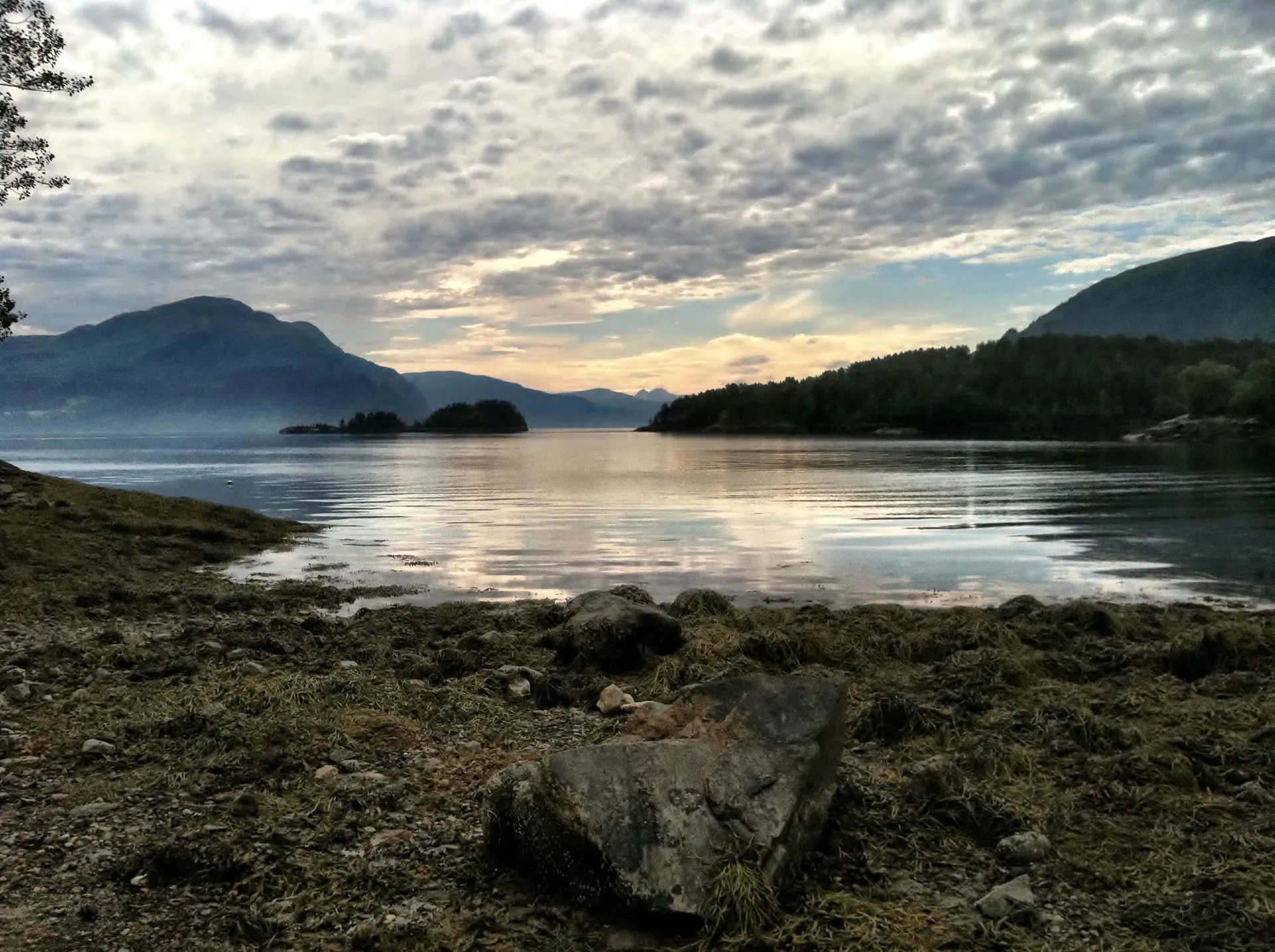
The Norwegian fjords are not merely scenic — they are geological autobiography, the story of ice written in stone. Carved over millions of years by glaciers that reached thicknesses of three kilometers, these drowned valleys plunge to extraordinary depths (Sognefjorden reaches 1,308 meters, deeper than much of the North Sea) while the mountains on either side soar to over 1,700 meters, creating vertical landscapes of a scale that defies easy comprehension. The word "fjord" itself has entered every European language precisely because no other term adequately describes these formations — narrow, steep-sided inlets where waterfalls cascade hundreds of meters into waters so still and dark they mirror the mountains with photographic precision.
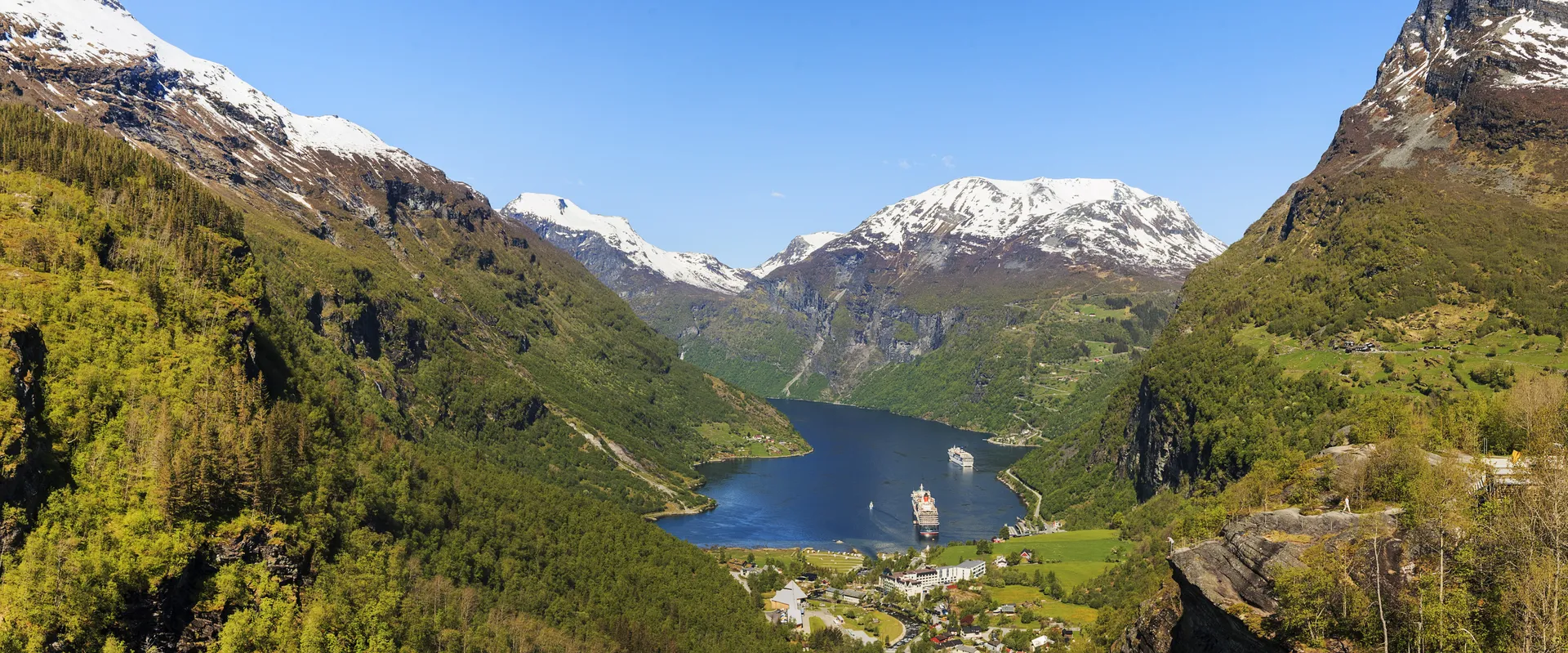
The great fjords of western Norway — Sognefjorden (the longest at 204 kilometers), Hardangerfjorden, Geirangerfjorden, and Nærøyfjorden — each possess distinct personalities. Sognefjorden is majestic and vast, its inner branches reaching deep into the Jotunheimen mountain range. Geirangerfjorden, a UNESCO World Heritage site, is the most dramatically narrow, its near-vertical walls hung with the Seven Sisters and Suitor waterfalls that trace silver lines down the dark rock. Nærøyfjorden, only 250 meters wide at its narrowest point, creates a sense of intimacy that borders on the claustrophobic — mountains pressing so close that cruise ships navigate with careful precision. Hardangerfjorden, the "Queen of the Fjords," softens the drama with apple orchards and cherry blossoms that cascade down its gentler slopes each May, a pink-and-white confection that seems improbable against the snow-capped peaks.
The culinary traditions of fjord Norway are rooted in preservation — the necessity of storing food through long, dark winters that once made fresh ingredients a luxury of summer. Rakfisk (fermented trout), lutefisk (lye-treated stockfish), and pinnekjøtt (salted and dried lamb ribs) are the heritage dishes that still anchor festive tables. But modern Norwegian cuisine has undergone a revolution, and fjord-side restaurants now serve king crab from the Barents Sea, wild salmon from the rivers that feed the fjords, and brown cheese (brunost) with cloudberry jam that captures the essence of the Nordic landscape in a single bite. The farm-to-table movement has found its natural habitat in fjord communities where goat cheese, cured meats, and apple cider are produced within sight of the water.
Beyond the waterways themselves, the fjord region offers some of Europe's most spectacular hiking. Trolltunga, the rock formation that extends horizontally over Lake Ringedalsvatnet like a massive tongue, has become Norway's most famous viewpoint — a demanding ten-hour hike rewarded with a photo opportunity that defines the Instagram age. Preikestolen (Pulpit Rock), a flat-topped cliff 604 meters above Lysefjorden, delivers similar vertigo with a shorter approach. The Jostedalsbreen glacier, mainland Europe's largest ice cap, feeds glacial tongues into the inner reaches of Sognefjorden, offering guided glacier walks that bring visitors face to face with ancient ice. The Bergen Railway, connecting Bergen to Oslo via the Hardangervidda plateau, is one of the world's great train journeys, with a branch line (the Flåm Railway) descending from the mountains to Sognefjorden in a succession of tunnels and hairpin turns that ranks among the steepest railway descents on Earth.
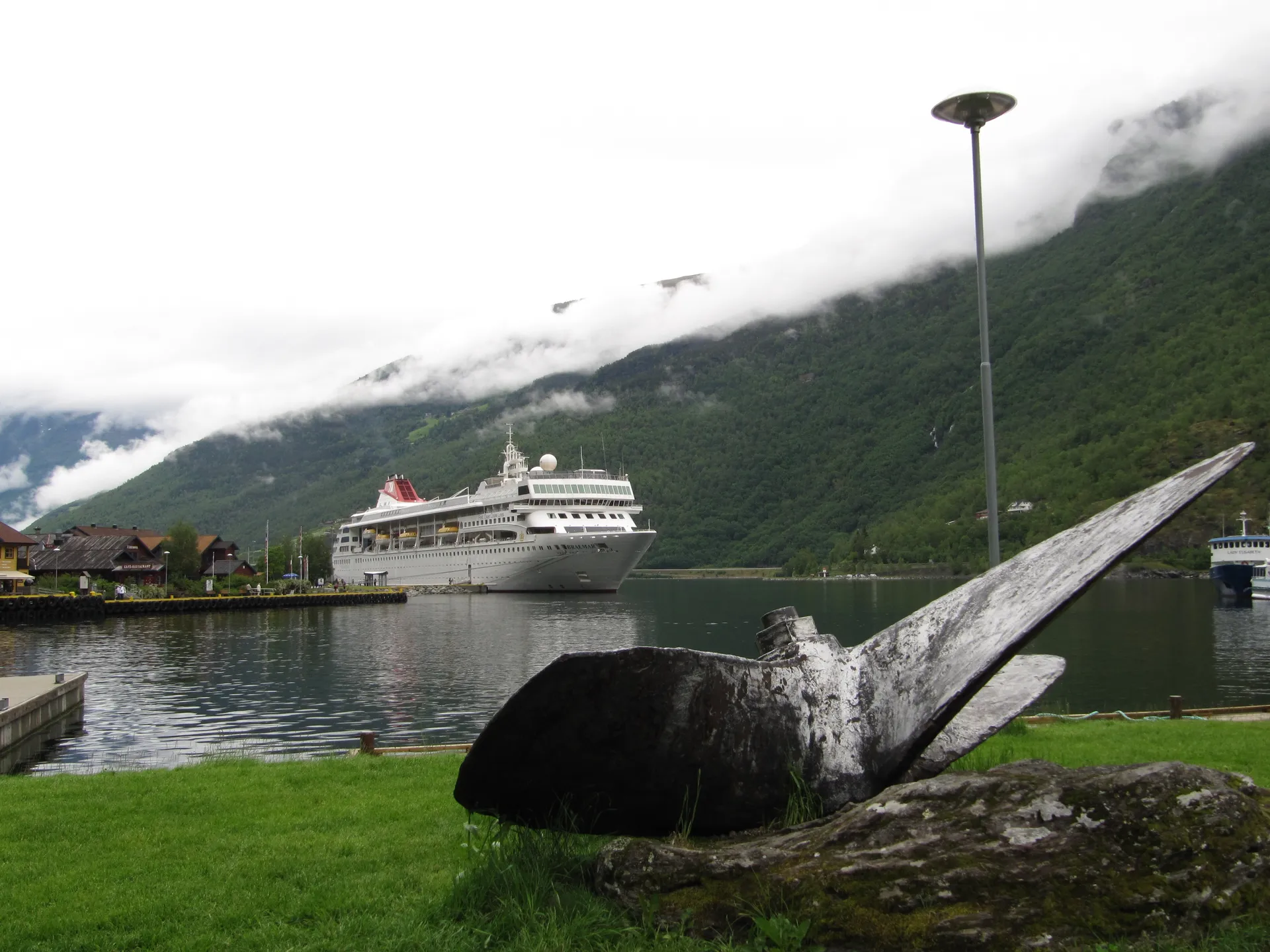
The Norwegian fjords are navigated by cruise ships ranging from expedition vessels of 200 passengers to large ocean liners, as well as by the iconic Hurtigruten coastal express that has served Norway's west coast since 1893. Bergen, the historic Hanseatic port on the southwestern coast, is the principal gateway. The cruising season runs from May to September, with June and July offering the longest days (the midnight sun reaches the northern fjords) and the best chance of clear weather. May and September provide autumnal or spring colors and fewer ships in port. The fjords are navigable in winter as well — the Gulf Stream keeps them ice-free — but daylight is limited and weather unpredictable, which is precisely the appeal for those seeking the northern lights reflected in fjord waters.