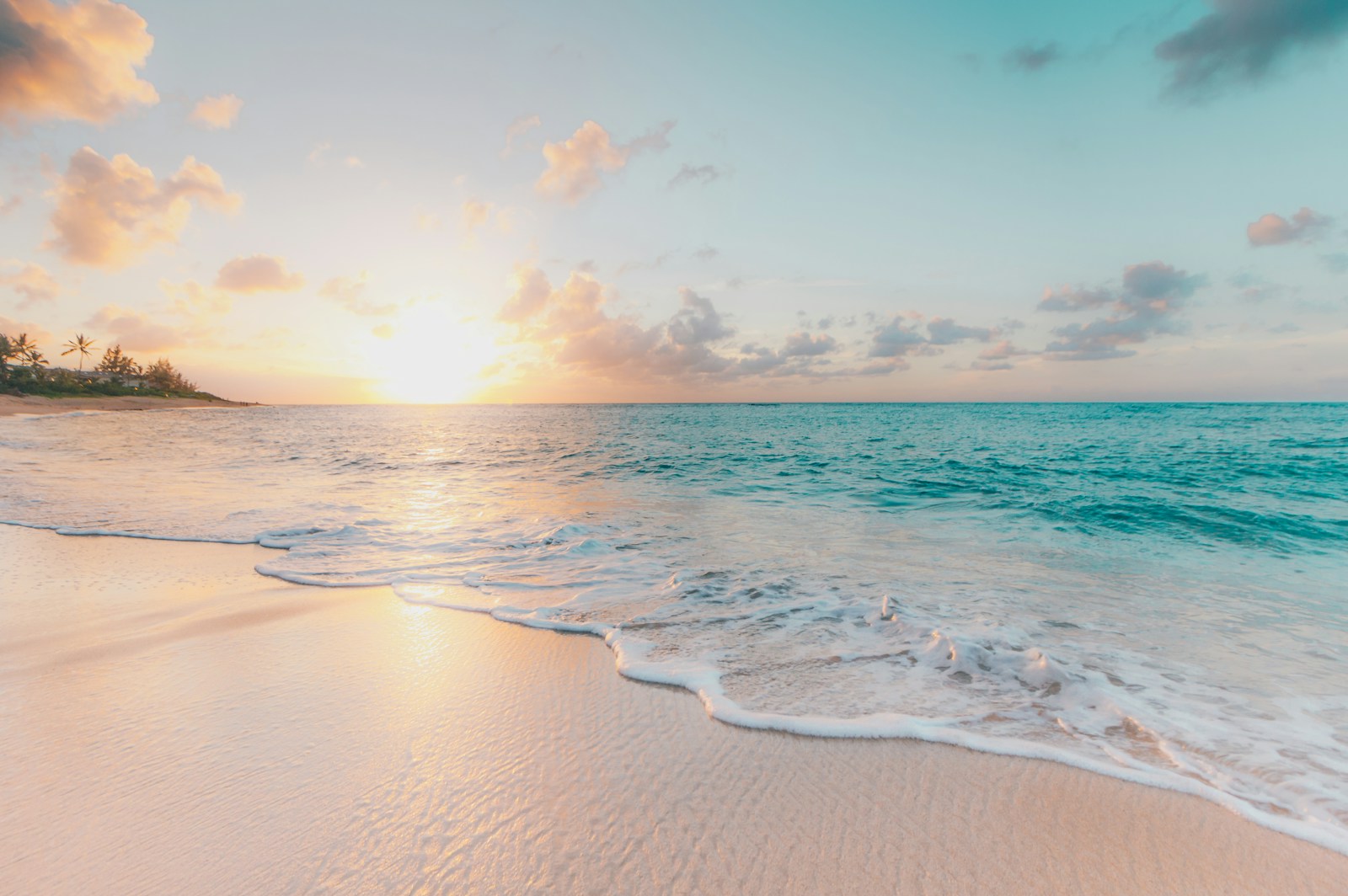
In the western Pacific, where the Philippine Sea meets the vast emptiness of Micronesia, the Republic of Palau comprises over 500 islands of such concentrated marine beauty that Jacques Cousteau declared its waters "the underwater Serengeti." This young nation — independent only since 1994 — has leveraged its natural assets with remarkable strategic intelligence, establishing one of the world's largest marine sanctuaries and pioneering conservation-linked tourism that generates economic value from living reefs rather than dead ones.
Palau's defining feature is the Rock Islands Southern Lagoon, a UNESCO World Heritage Site encompassing over 400 uninhabited limestone islands that rise from turquoise waters like mushrooms — their bases undercut by millennia of tidal erosion, their crowns crowned with dense tropical vegetation. The islands create a labyrinth of channels, coves, and sheltered lagoons that support coral reef systems of staggering biodiversity. Jellyfish Lake, on Eil Malk island, offers one of the world's most extraordinary snorkeling experiences: swimming among millions of golden jellyfish that have evolved in isolation for thousands of years, losing their sting in the absence of predators.
The culinary traditions of Palau blend Pacific Island staples with Japanese, Filipino, and American influences reflecting the nation's complex colonial history. Fresh sashimi — yellowfin tuna, wahoo, and reef fish — arrives at restaurants with an immediacy that mainland diners can only envy. Taro, sweet potato, and cassava provide starchy foundations, while coconut milk enriches everything from curries to desserts. Fruit bats — a traditional Palauan delicacy — appear in soups at cultural events and adventurous restaurants, their preparation connecting modern Palauans to pre-contact food traditions.
Palau's underwater world is the primary draw for most visitors. The Blue Corner, consistently ranked among the world's top dive sites, positions divers on a current-swept reef wall where grey reef sharks, barracuda, and massive schools of jacks create an aquatic spectacle of breathtaking intensity. German Channel's manta ray cleaning station provides reliable encounters with these magnificent creatures. The wrecks of Japanese naval vessels sunk during World War II create artificial reefs of haunting beauty and historical significance. Above the waterline, Peleliu Island — site of one of the Pacific War's bloodiest battles — preserves rusting tanks, artillery pieces, and cave fortifications as sobering monuments to the conflict.
Palau is served by flights from Guam, Manila, Taipei, and Seoul, with the international airport located on Babeldaob, the nation's largest island. Expedition cruise ships and liveaboard dive vessels provide additional access. The climate is tropical and warm year-round (27-30°C), with the drier months from November to April generally preferred for diving, when visibility often exceeds thirty meters. Palau's pioneering Palau Pledge — stamped into visitors' passports — asks travelers to act responsibly toward the island's environment, a commitment that reflects the nation's determination to preserve the natural assets that are both its heritage and its economic future.

