Fuerte Amador: Panama City's Glittering Gateway to the Canal
Fuerte Amador — the Amador Causeway — is a spectacular man-made peninsula extending from Panama City's waterfront into the Pacific entrance of the Panama Canal, constructed from the rock and earth excavated during the canal's ten-year construction. The causeway connects three small islands — Naos, Perico, and Flamenco — to the mainland, creating a four-kilometre promenade that has become Panama City's most dramatic waterfront destination. From this vantage point, the full scope of the canal enterprise is visible: massive container ships and cruise vessels queue in the Bay of Panama awaiting their transit through the locks, while the glass towers of Panama City's banking district rise behind them in a skyline that has earned comparisons to Dubai, Miami, and Singapore.
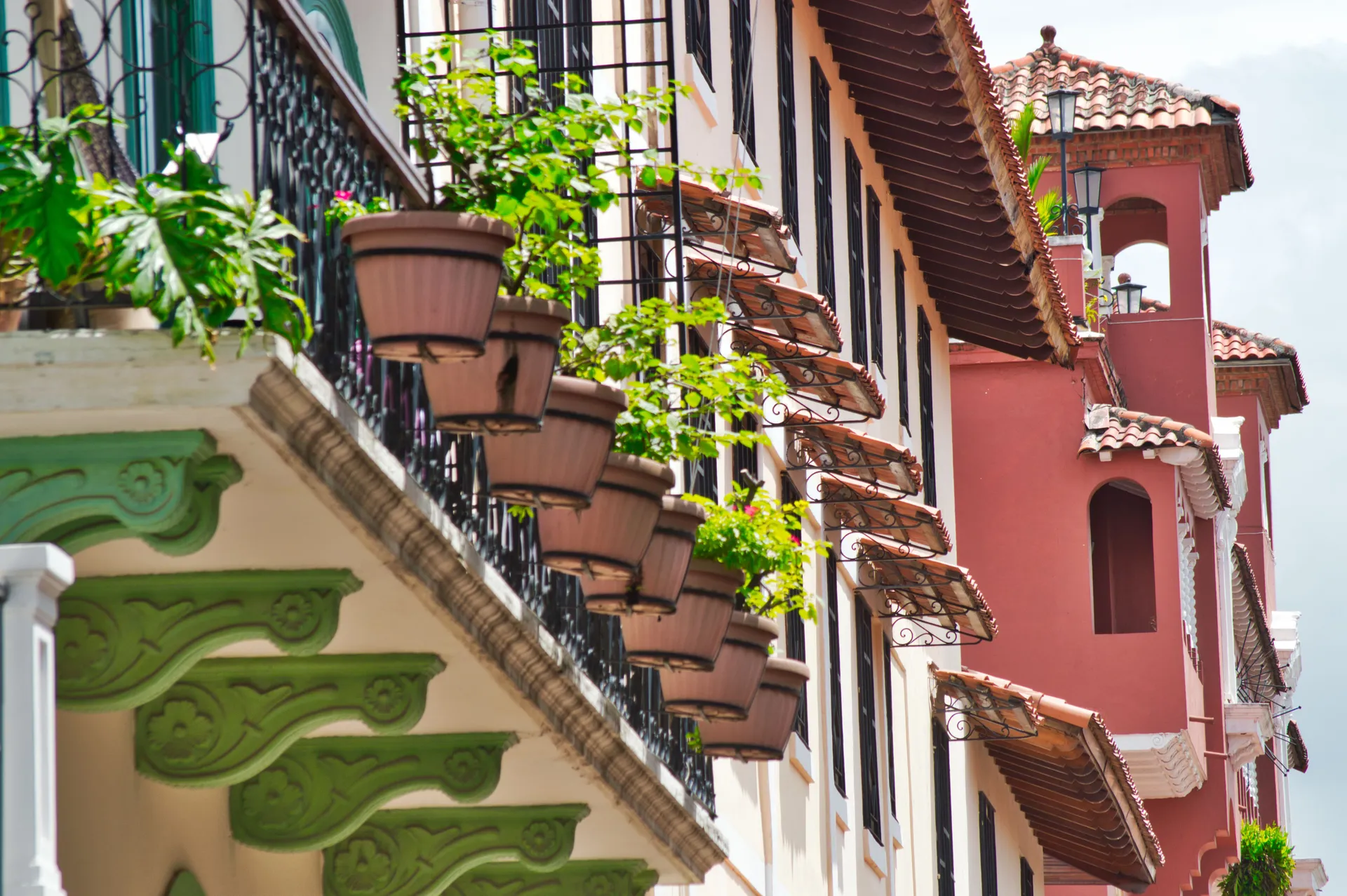
The character of Panama City, visible from Fuerte Amador, is that of a Latin American metropolis in perpetual reinvention. The Casco Viejo (Old Quarter), a UNESCO World Heritage Site, is a captivating maze of colonial Spanish churches, French-influenced townhouses, and crumbling plazas that have been progressively restored into boutique hotels, rooftop bars, and galleries over the past two decades. The neighbourhood's central plaza — Plaza de la Independencia — is where Panama declared independence from Colombia in 1903, an event heavily facilitated by the United States, which promptly secured the rights to build the canal. This complex history — of colonial exploitation, American intervention, and Panamanian self-determination — gives the city a layered identity that rewards exploration beyond the surface glamour.
Panama City's food scene is one of Latin America's most exciting. The city's position as a global crossroads — every ship transiting the canal once stopped here for provisioning — has created a culinary culture that blends Central American, Caribbean, Asian, and international influences. Ceviche de corvina, made with white sea bass in tiger's milk (leche de tigre), is ubiquitous and excellent. Sancocho, a hearty chicken soup with root vegetables and cilantro, is the national comfort food. The seafood market at Casco Viejo — Mercado de Mariscos — serves the freshest ceviche in the city from window stalls overlooking the harbour, while the upstairs restaurant offers grilled lobster and whole fried red snapper with views across to the modern skyline. Maito, led by chef Mario Castrellón, has earned its place on Latin America's 50 Best Restaurants list with a menu that elevates Panamanian ingredients — plantain, coconut, indigenous tubers — into refined, identity-driven cuisine.
The Panama Canal itself remains the city's most awe-inspiring attraction. The Miraflores Locks Visitor Centre, twenty minutes from the causeway, offers a terrace directly overlooking the lock chambers where ships are raised or lowered twenty-seven metres in a process that takes approximately eight minutes — watching a vessel the length of three football fields threading through with centimetres to spare on either side is a engineering spectacle that never loses its power. The expanded Canal, completed in 2016 with the new Agua Clara Locks, now accommodates ships carrying up to fourteen thousand containers — the New Panamax class — and has cemented Panama's position as the linchpin of global maritime trade.
Azamara, Cunard, Holland America Line, and Princess Cruises all call at Fuerte Amador, with the cruise terminal offering direct access to the causeway and easy connections to the city. Many cruise itineraries include a full transit of the Panama Canal, an eight-to-ten-hour journey from the Pacific to the Atlantic that is one of the most memorable experiences in world cruising. For travellers arriving at Fuerte Amador as a port of call, the combination of canal engineering, colonial history, and modern Latin American dynamism makes Panama City one of the most rewarding stops in the Americas. December through April is the dry season and prime visiting time, though Panama's equatorial location ensures warm temperatures year-round.

