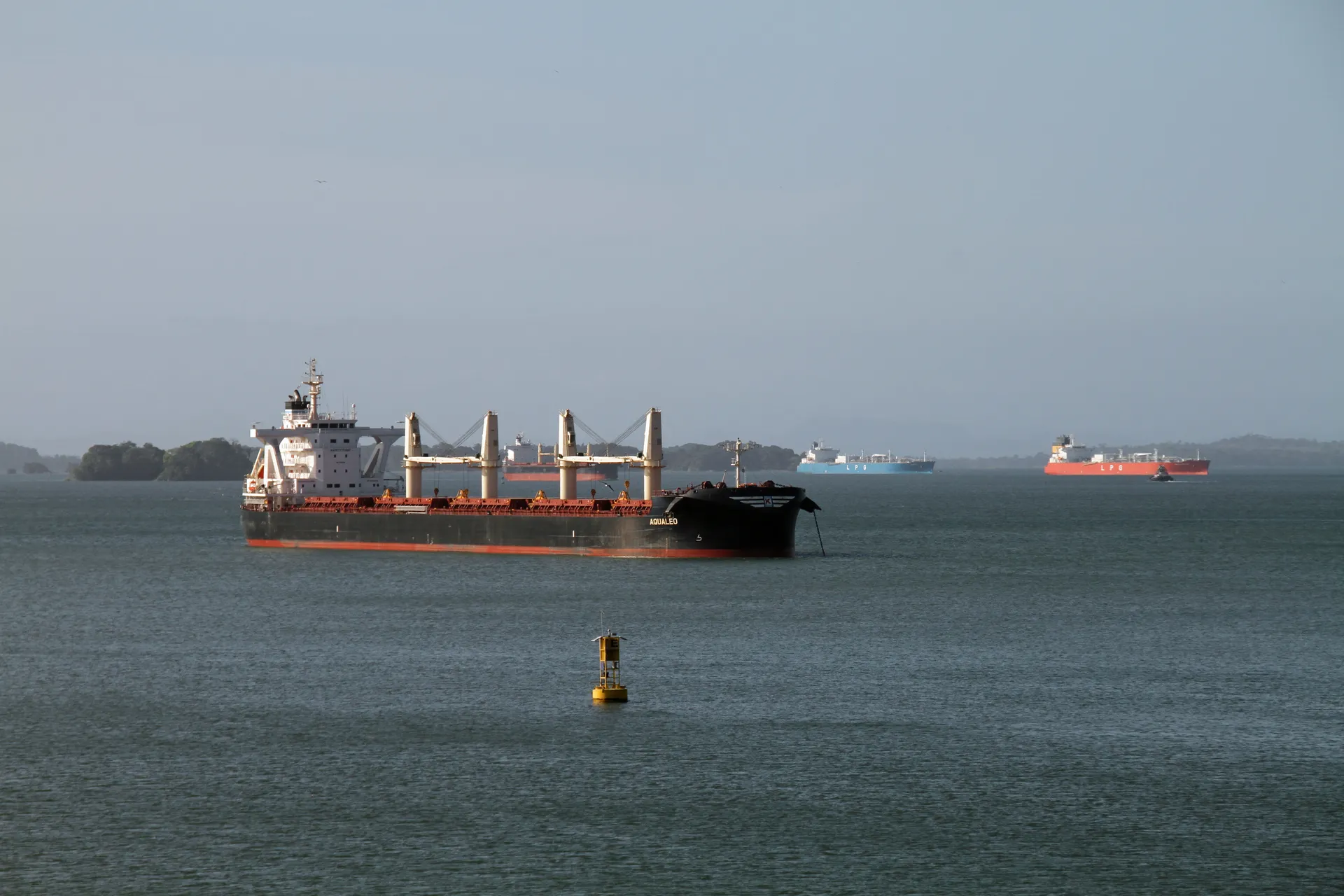
Gatun Lake is the vast artificial body of water that forms the heart of the Panama Canal—a 425-square-kilometer inland sea created in 1913 by damming the Chagres River, which at the time of its creation was the largest artificial lake in the world. For ships transiting the canal, Gatun Lake provides the elevated waterway that carries vessels across the Continental Divide, but the lake is far more than an engineering component: the islands that dot its surface (the hilltops of the pre-flooding landscape) support one of the most accessible tropical rainforests in Central America, and the waters themselves teem with freshwater fish, crocodiles, and the wildlife that has colonized this human-made ecosystem over the past century.
Barro Colorado Island, the largest island in Gatun Lake, is one of the most intensively studied tropical forests on Earth. Managed by the Smithsonian Tropical Research Institute since 1923, this 1,500-hectare island has been the site of groundbreaking research in tropical ecology, producing more scientific papers per hectare than any other tropical forest worldwide. The island supports over 1,300 plant species, 120 mammal species, and 350 bird species in a forest that has been protected from hunting and logging for over a century. Howler monkeys, capuchins, and tamarins move through the canopy above trails that researchers have walked for generations, while toucans, parrots, and motmots provide a constant soundtrack of tropical bird calls.
Navigating Gatun Lake by small boat or kayak reveals the intersection of engineering and ecology that makes the Panama Canal zone unique. The lake's channels are marked by buoys that guide the massive container ships and cruise vessels through the waterway, and watching a Panamax ship glide silently between forested islands creates a surreal juxtaposition of industrial scale and natural beauty. The flooded forest along the lake margins creates standing-dead timber zones that provide habitat for herons, cormorants, and kingfishers, while caimans and American crocodiles bask on exposed logs. The peacock bass (tucunaré), introduced from South America, has become a prized sport fish in the lake, and fishing excursions offer the chance to cast lines within sight of transiting ocean vessels.
The communities surrounding Gatun Lake include indigenous Emberá villages accessible by dugout canoe. The Emberá people, who have maintained their cultural traditions along the Chagres River system for generations, welcome visitors with traditional music, dance demonstrations, and the intricate body painting and basketwork for which they are renowned. These village visits provide a cultural dimension to the Gatun Lake experience that transcends the engineering narrative, connecting visitors to the human communities that inhabited the Chagres watershed long before the canal was imagined. The colonial fortress of San Lorenzo, a UNESCO World Heritage Site at the mouth of the Chagres River where it enters the Caribbean, adds a further historical layer—Spanish treasure fleets loaded Inca gold at this site for transport to Spain.
Holland America Line, Lindblad Expeditions, and Norwegian Cruise Line feature Gatun Lake on their Panama Canal itineraries, either as a transit segment or as an excursion destination for ships making partial canal transits. Lindblad Expeditions, in particular, offers Zodiac and kayak excursions on the lake that provide intimate encounters with the tropical forest and wildlife. The lake is accessible year-round, with the dry season (mid-December through April) offering the clearest skies and most comfortable conditions for wildlife observation. The wet season (May–November) brings afternoon thunderstorms but also lush vegetation, active birdlife, and fuller waterways that improve navigation to more remote areas. Gatun Lake demonstrates that some of humanity's most transformative engineering projects can, given time and protection, become ecosystems in their own right—places where the built and the natural achieve an equilibrium that neither could have predicted.

