In the warm waters of the Gulf of Chiriquí off Panama's Pacific coast, Isla Parida is the largest island in a small archipelago that remains almost entirely unknown to international tourism. This lush, hilly island, covered in tropical dry forest and fringed with beaches of golden sand, sits within the Gulf of Chiriquí National Marine Park — a protected area of exceptional marine biodiversity where humpback whales calve, sea turtles nest, and coral reefs thrive in waters that have largely escaped the pressures of development.
The marine park surrounding Isla Parida protects over 14,000 hectares of ocean, islands, and mangrove habitat. The waters are unusually productive for the tropical Pacific, benefiting from nutrient upwelling that supports healthy coral reefs and abundant fish populations. Between July and October, humpback whales from the Southern Hemisphere migrate to these warm, sheltered waters to give birth and nurse their calves — one of the closest points to the equator where humpback whale breeding has been documented. Snorkeling the reefs reveals a colorful community of angelfish, parrotfish, and surgeonfish, while lucky visitors may encounter whale sharks and sea turtles.
Isla Parida itself is home to a small community of subsistence fishermen and farmers whose modest settlement on the island's sheltered eastern shore provides a glimpse into a way of life that has changed little over generations. The islanders' hospitality is genuine, and visits to their community — learning about traditional fishing methods, sharing fresh-caught seafood prepared over open fires, and hearing stories of the island's history — create authentic human connections that distinguish expedition travel from conventional tourism.
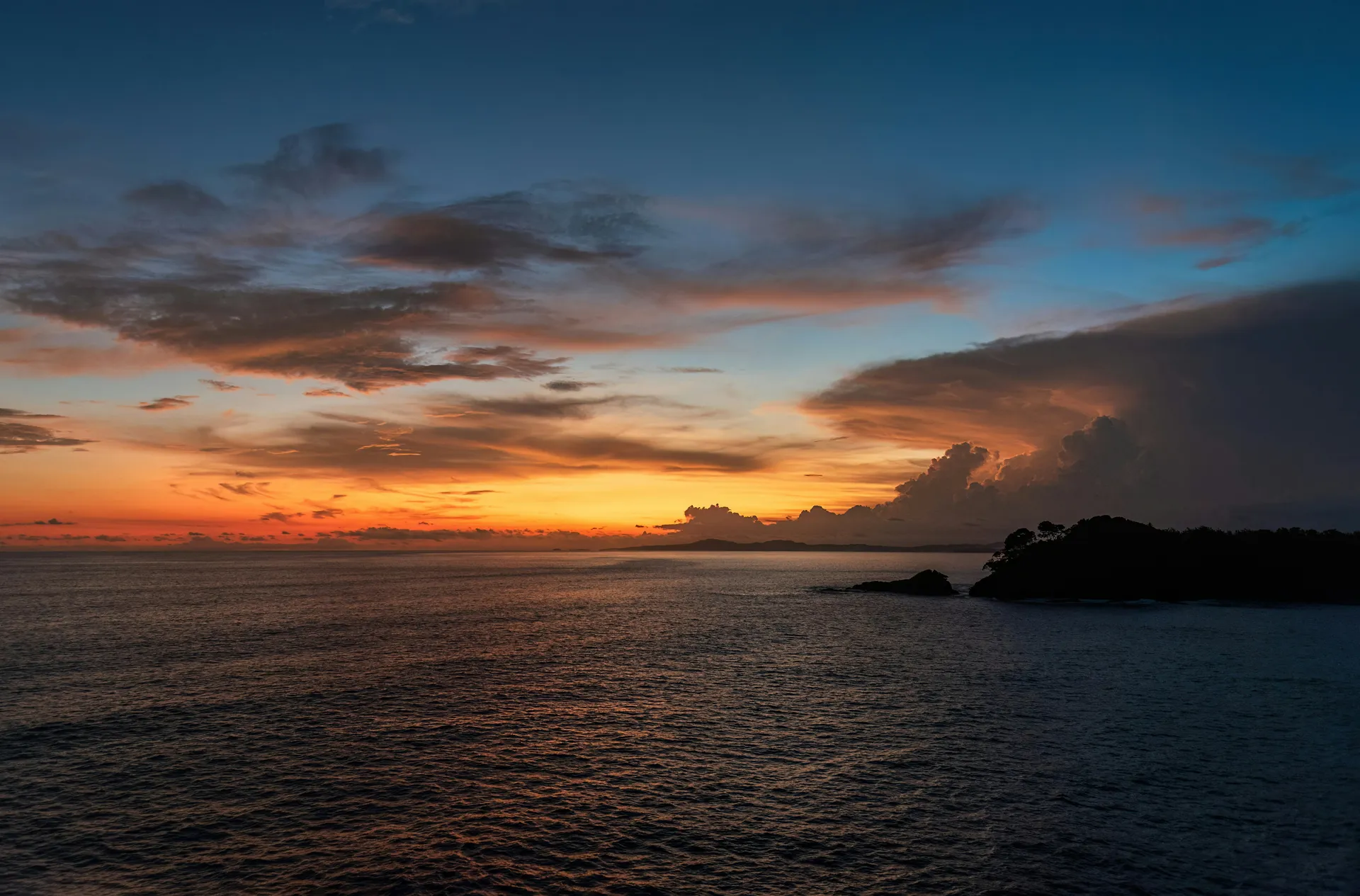
The island's interior, though compact, offers pleasant hiking through tropical forest where howler monkeys crash through the canopy and scarlet macaws flash between the treetops. The beaches, particularly on the western side where the sunset views are spectacular, are pristine and typically deserted. The intertidal zones reveal a fascinating world of tide pools, hermit crabs, and the elaborate sand patterns created by ghost crabs — small wonders that reward patience and close observation.
Expedition cruise ships anchor off Isla Parida and use tenders or Zodiacs for beach landings and snorkeling excursions. The island has no port facilities, and its lack of development is precisely what makes it appealing. The dry season from December through April offers the most comfortable conditions — clear skies, calm seas, and pleasant temperatures — though the whale season (July-October) provides a compelling reason to visit during the wetter months. Water temperatures are warm year-round (26-29°C), making snorkeling comfortable in any season.

