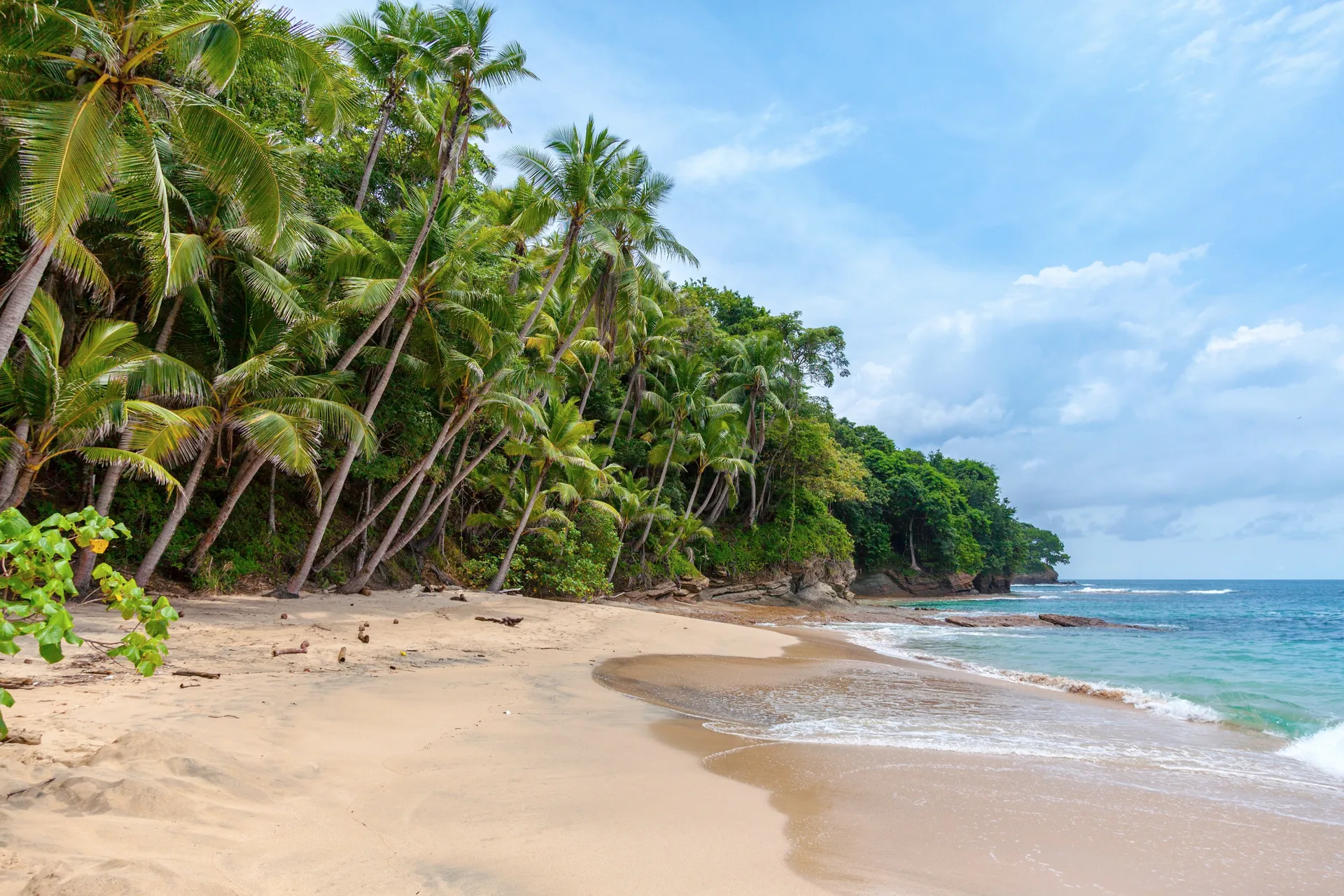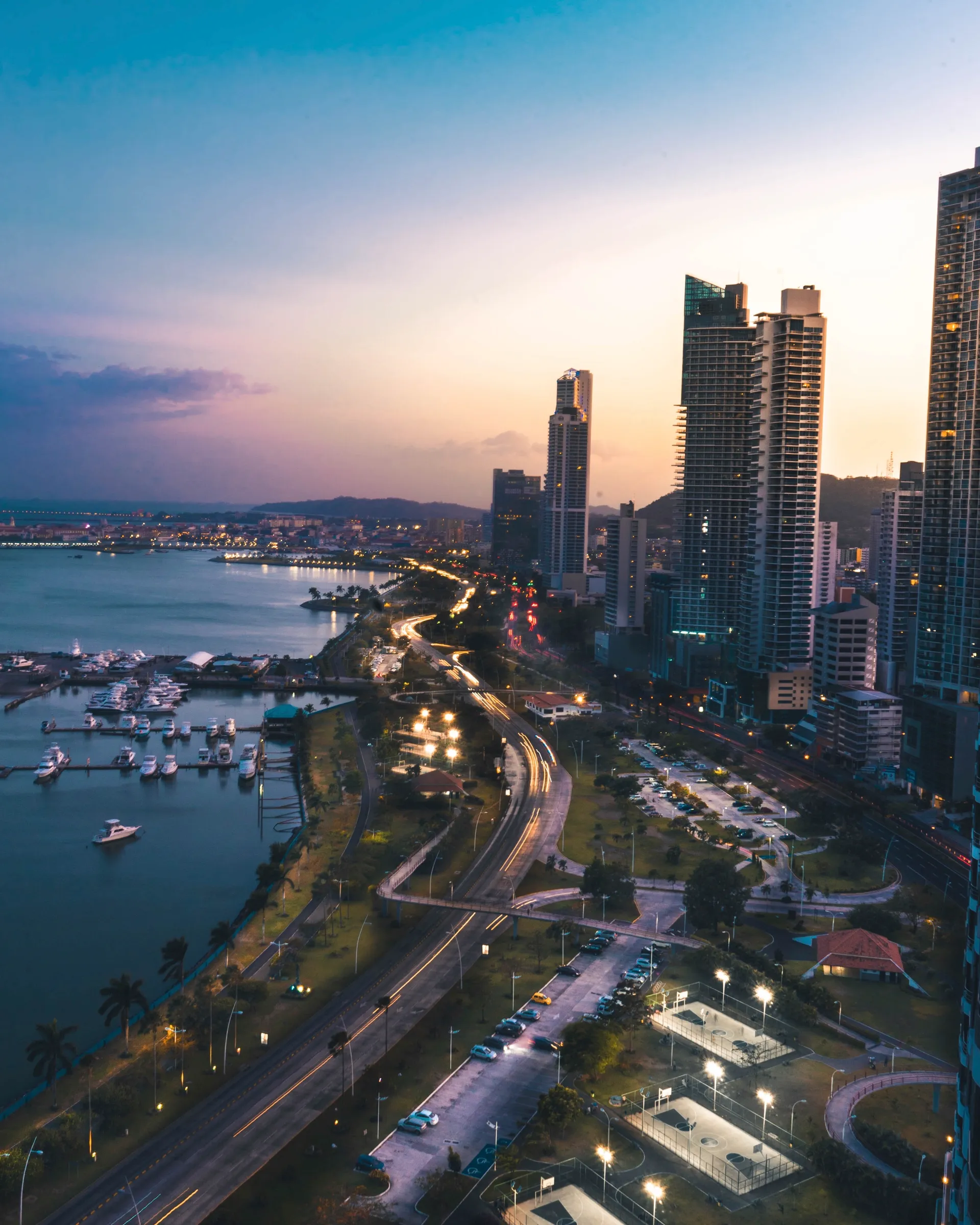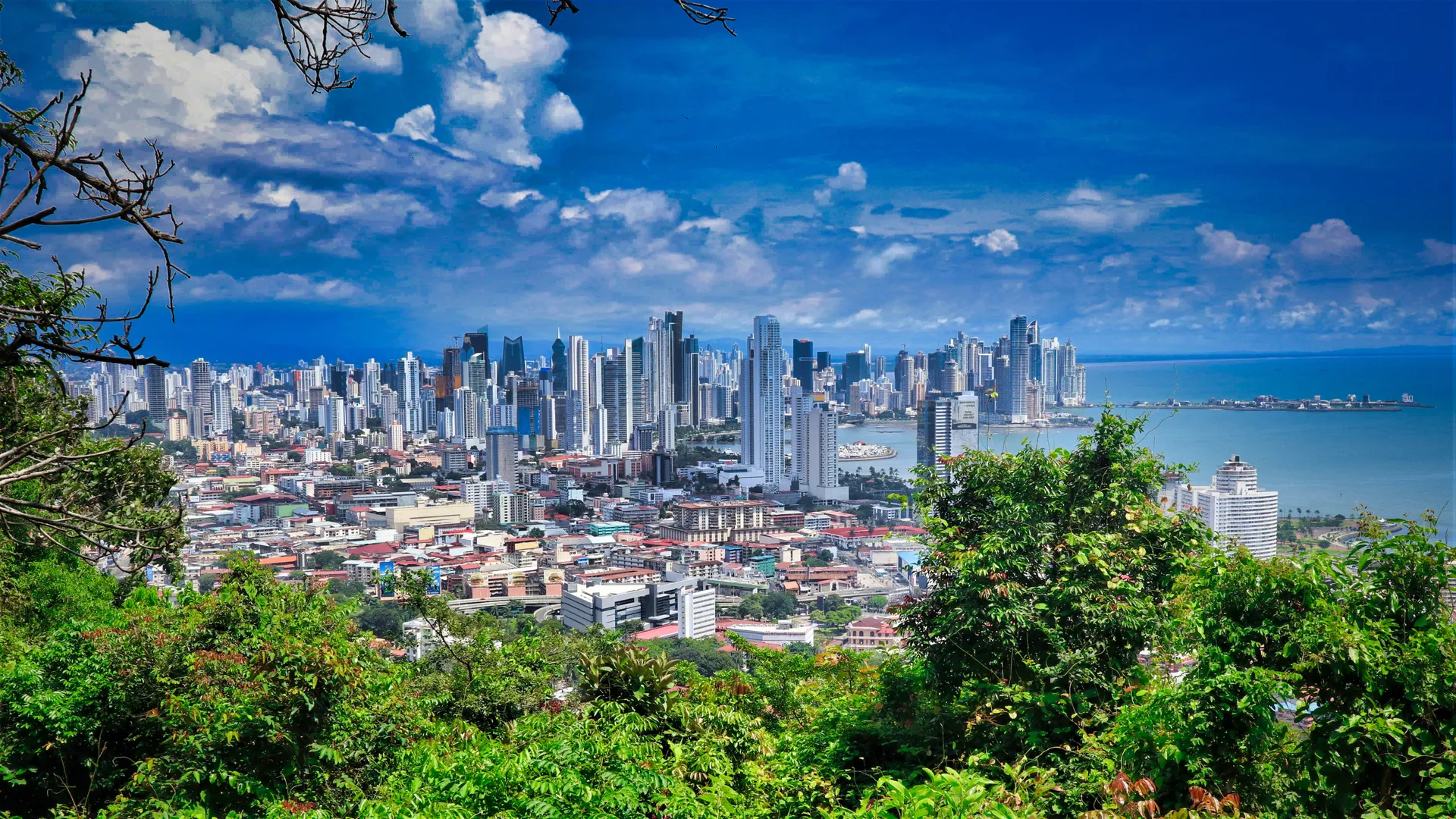
Panama City is a city of improbable juxtapositions — gleaming skyscrapers rising from the Pacific waterfront like a tropical Manhattan, while five kilometres away, the ruins of Panama Viejo, the first European settlement on the Pacific coast of the Americas (founded 1519, sacked by the pirate Henry Morgan in 1671), stand as mossy testimony to the colonial origins of a city whose destiny has always been shaped by its position at the narrowest point of the Western Hemisphere. The Panama Canal, the eight-decade-long dream that finally connected the Atlantic and Pacific in 1914 at the cost of over 25,000 lives, remains the defining feature of the city and the nation — a feat of engineering that altered global trade routes and made Panama City one of the most strategically important cities on Earth.
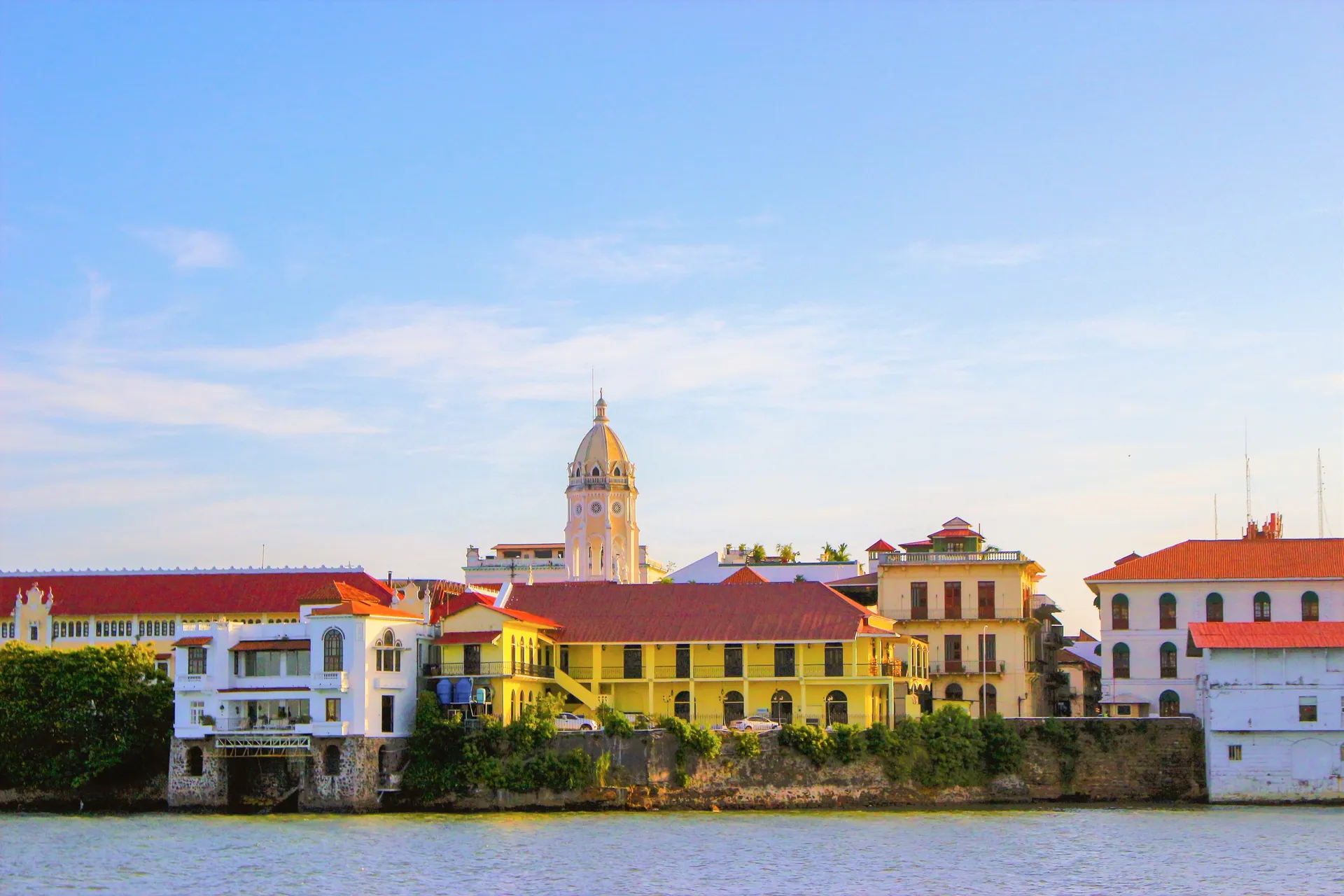
Casco Viejo, the historic quarter established after Morgan's destruction of the original city, occupies a peninsula jutting into the Bay of Panama — a UNESCO World Heritage Site of colonial-era churches, plazas, and crumbling palaces that has undergone a remarkable renaissance in recent decades. Restored buildings now house boutique hotels, rooftop bars, and restaurants serving the Panamanian fusion cuisine that reflects the country's position at the crossroads of North and South America, the Caribbean and the Pacific. The Church of San Jose, with its famous golden altar — reportedly saved from Morgan's pirates by being painted black to disguise its value — anchors a streetscape where the decay of unrestored buildings coexists with the gleaming renovations in a chiaroscuro of urban transformation.
The Miraflores Locks visitor centre provides the most accessible view of the Panama Canal in operation. From the observation deck, the enormous Panamax and Neo-Panamax container ships — some carrying over 14,000 containers — are raised or lowered through the lock chambers in a process that takes approximately 30 minutes per lock, using 197 million litres of freshwater per transit. The canal's expanded third set of locks, completed in 2016, accommodates ships nearly three times the size of the original design — a testament to the canal's ongoing relevance in an era of global mega-shipping. The on-site museum traces the canal's history from the disastrous French attempt in the 1880s through the American construction, the 1977 Torrijos-Carter Treaties that returned sovereignty to Panama, and the ongoing challenge of managing a waterway that handles roughly five percent of global maritime trade.
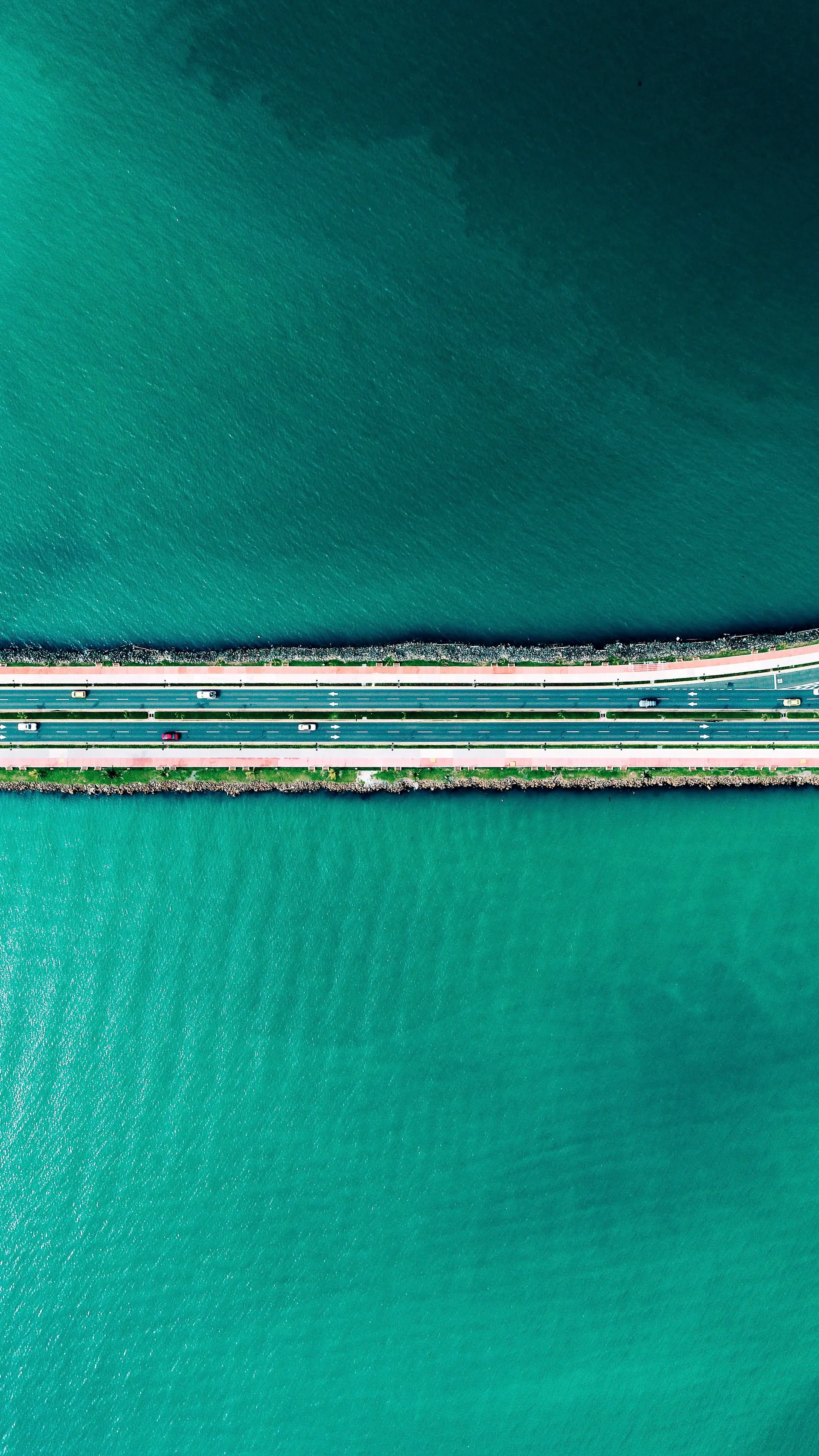
The biodiversity surrounding Panama City is remarkable for a major capital. The Metropolitan Natural Park, within the city limits, preserves 232 hectares of tropical forest where white-faced capuchins, two-toed sloths, and toucans are regularly spotted on the park's trails. The Amador Causeway, connecting three small islands in the canal entrance, provides a waterfront promenade with views across the skyline and the canal, popular with cyclists, joggers, and visitors watching ships queue for their canal transit.
Panama City is served by Lindblad Expeditions and Oceania Cruises on Panama Canal and Pacific coast itineraries, with ships docking at Fuerte Amador cruise terminal. The dry season from mid-December through April offers the most pleasant weather, with clear skies and temperatures in the low 30s. The green season brings afternoon thunderstorms but lower prices and fewer crowds.