The San Blas Islands — Guna Yala in the language of the Guna people who govern them — are one of the last places in the Caribbean where an indigenous community controls its own tourism, its own economy, and its own destiny. This archipelago of approximately 365 islands scattered along Panama's Caribbean coast, of which roughly 50 are inhabited, is an autonomous territory (comarca) administered by the Guna General Congress according to traditional law. Visitors require permission to enter, photography may be restricted, and the revenue from tourism is managed by the communities themselves — a model of indigenous sovereignty that is rare in the Caribbean and instructive everywhere.
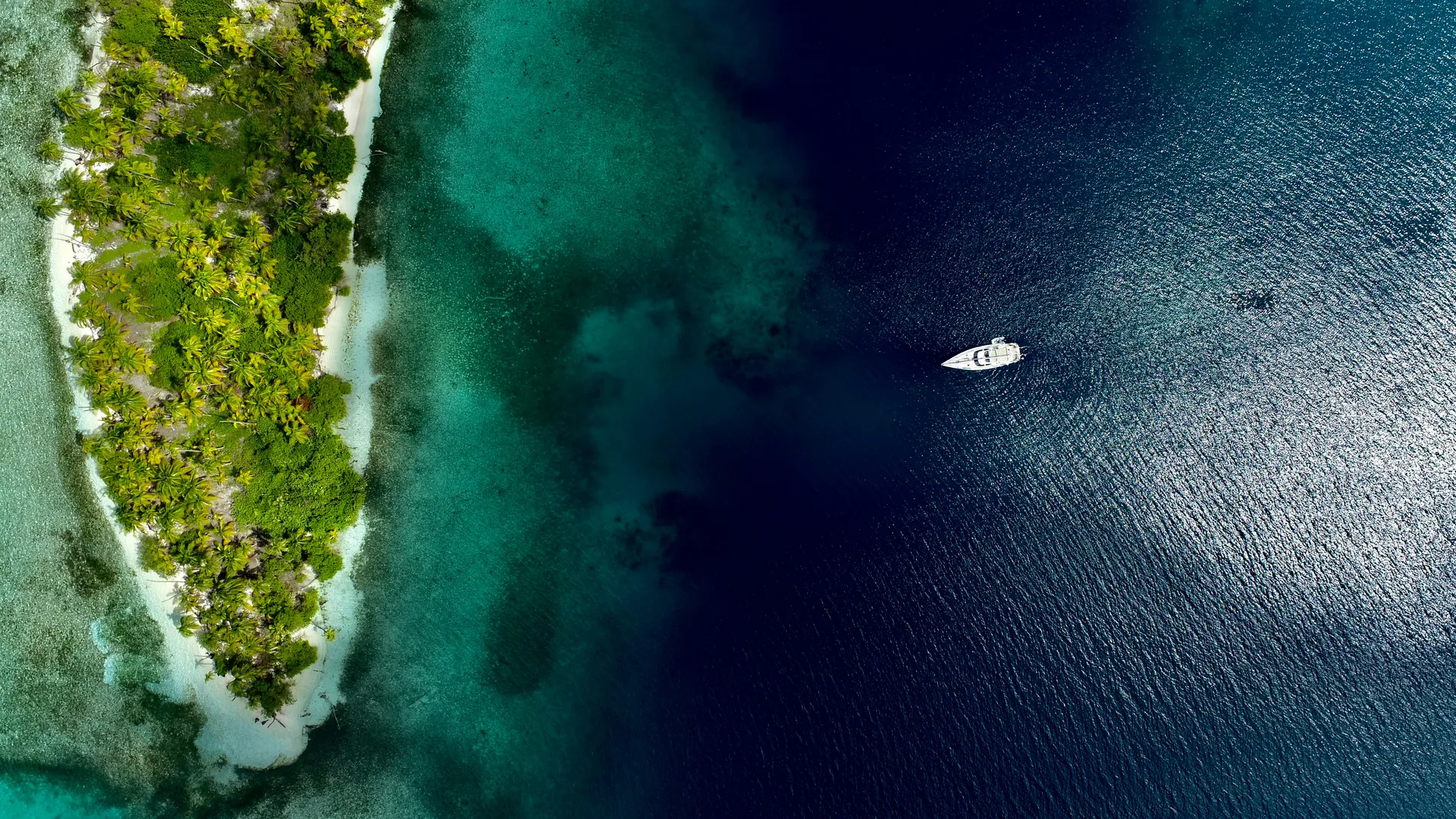
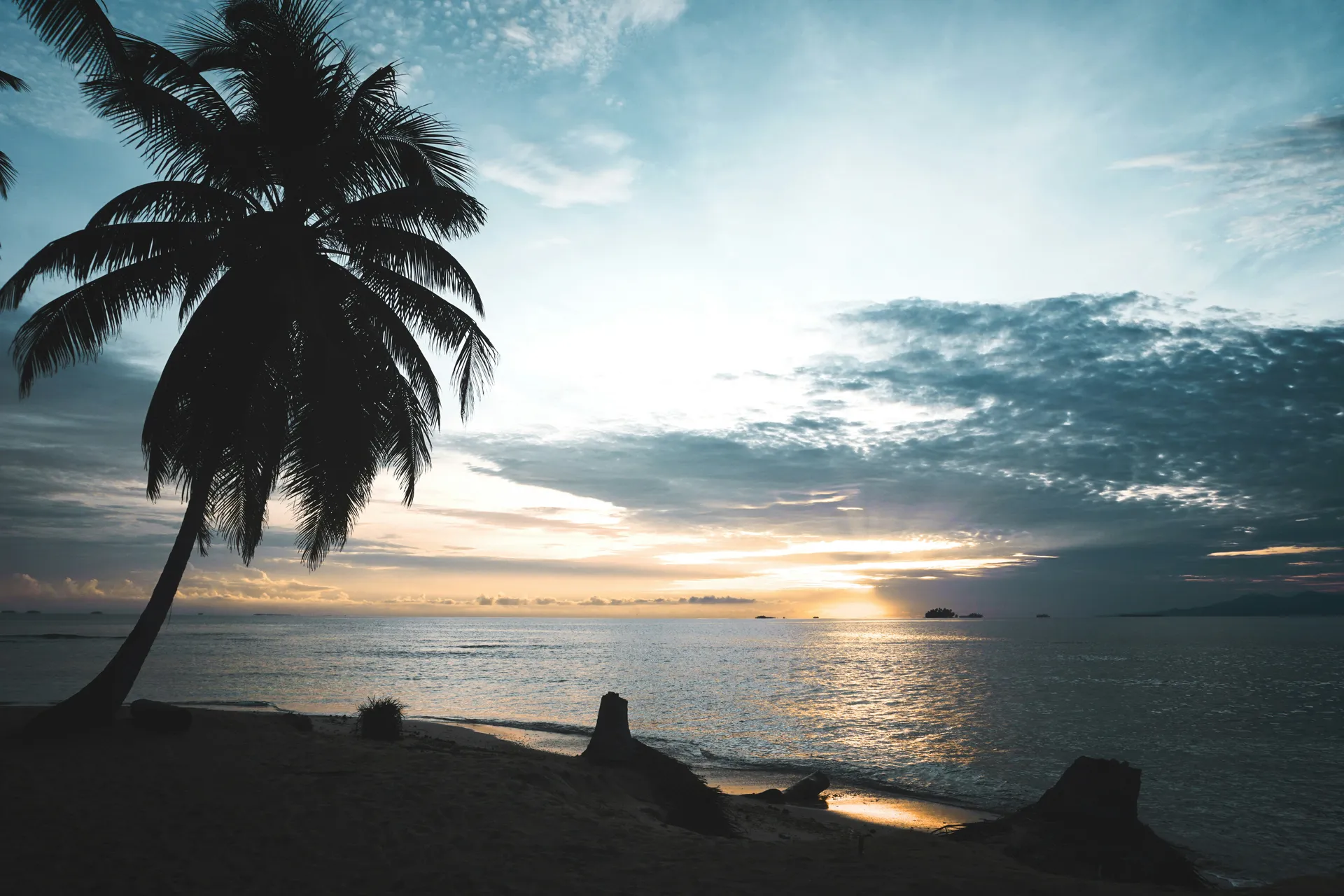
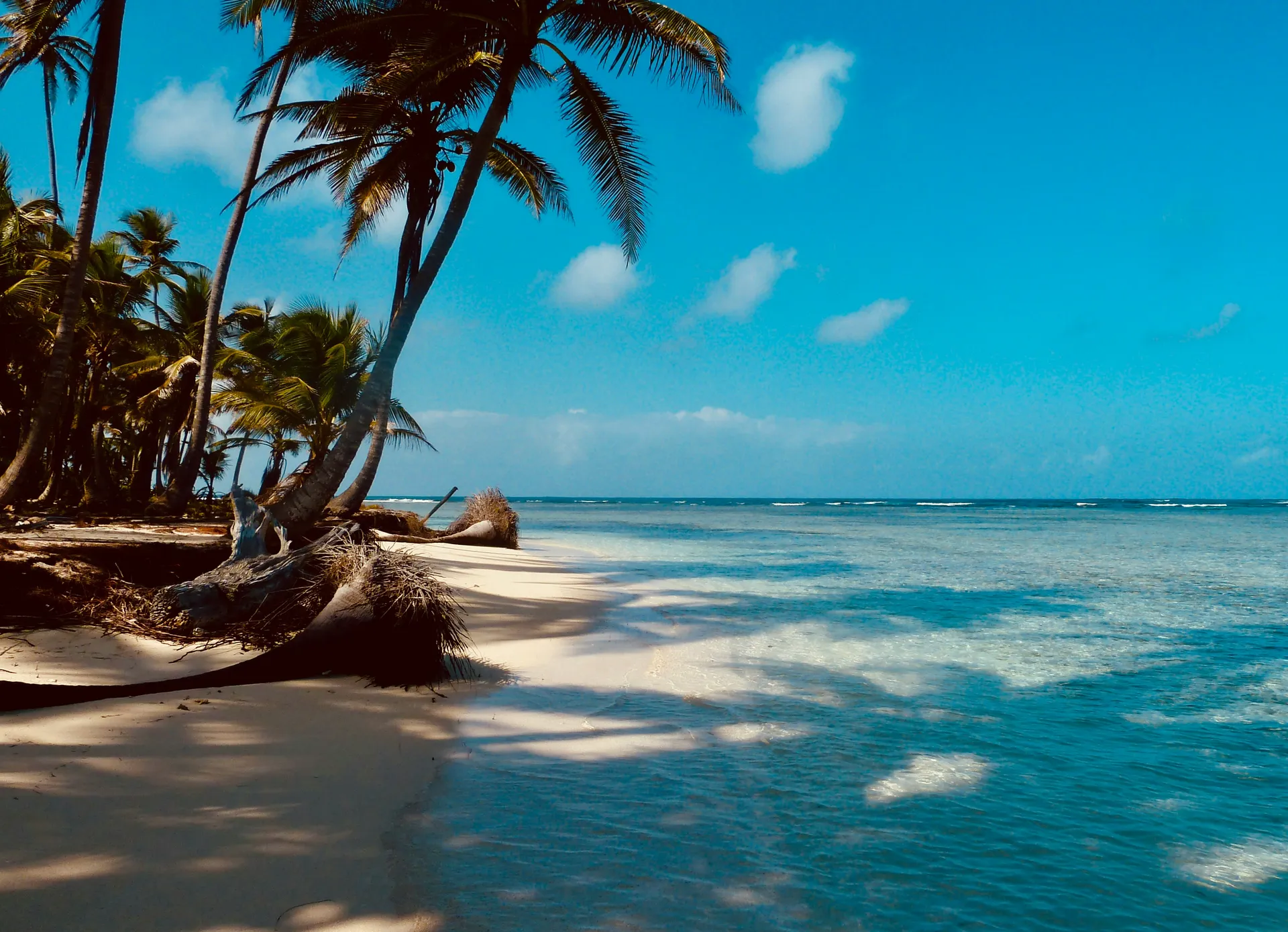
The islands themselves are the Caribbean of travellers' fantasies made tangible. Most are tiny — some barely larger than a suburban house — and consist of white coral sand, a handful of coconut palms, and water of such crystalline clarity that the boats anchored offshore appear to float on air. The Guna have occupied these islands for centuries, having migrated from the Darien jungle to the coast in the 19th century to escape disease and internal conflict, and their relationship with the sea is intimate and practical — fishing, lobster diving, and coconut harvesting remain central to the island economy. The traditional sailing canoe (ulu), hollowed from a single log and propelled by a square sail of flour-sack fabric, is still the primary mode of inter-island transport.
The Guna culture is one of the most distinctive in the Americas. The women's molas — intricately layered, reverse-applique textile panels sewn into blouses — are among the most technically accomplished textile arts in the world, their geometric and figurative designs drawing from natural forms, mythological narratives, and contemporary imagery in a constantly evolving artistic tradition. Molas are available for purchase directly from their makers on the inhabited islands, and the quality of workmanship — some panels containing five or more layers of fabric, cut and stitched with extraordinary precision — repays close examination. The Guna language, songs, and oral traditions are actively maintained, and the traditional gathering houses (onmaked nega) where community decisions are made remain the centre of Guna political life.
The marine environment of Guna Yala is in notably good condition, protected by the comarca's restrictions on commercial fishing and development. The coral reefs, while affected by the warming and bleaching events that threaten Caribbean reefs generally, remain vibrant — snorkelling from the island beaches reveals hard coral gardens, brain coral formations, and the tropical fish populations — parrotfish, angelfish, sergeant majors — that signal a functioning reef ecosystem. Starfish are so numerous on some sandy shallows that the Guna have named these areas accordingly. Sea turtles, particularly hawksbills, nest on the uninhabited islands, and the absence of artificial lighting and development on most islands creates nesting conditions that have become rare elsewhere in the Caribbean.
The San Blas Islands are visited by Holland America Line on Caribbean and Panama Canal itineraries, with ships anchoring offshore and tendering to the islands. The dry season from December through April offers the most comfortable conditions, though the islands' Caribbean position ensures warm temperatures year-round. Visitors should approach with respect for Guna autonomy — photography permissions, island access rules, and cultural protocols are not suggestions but conditions of entry that reflect the community's right to manage its own territory.