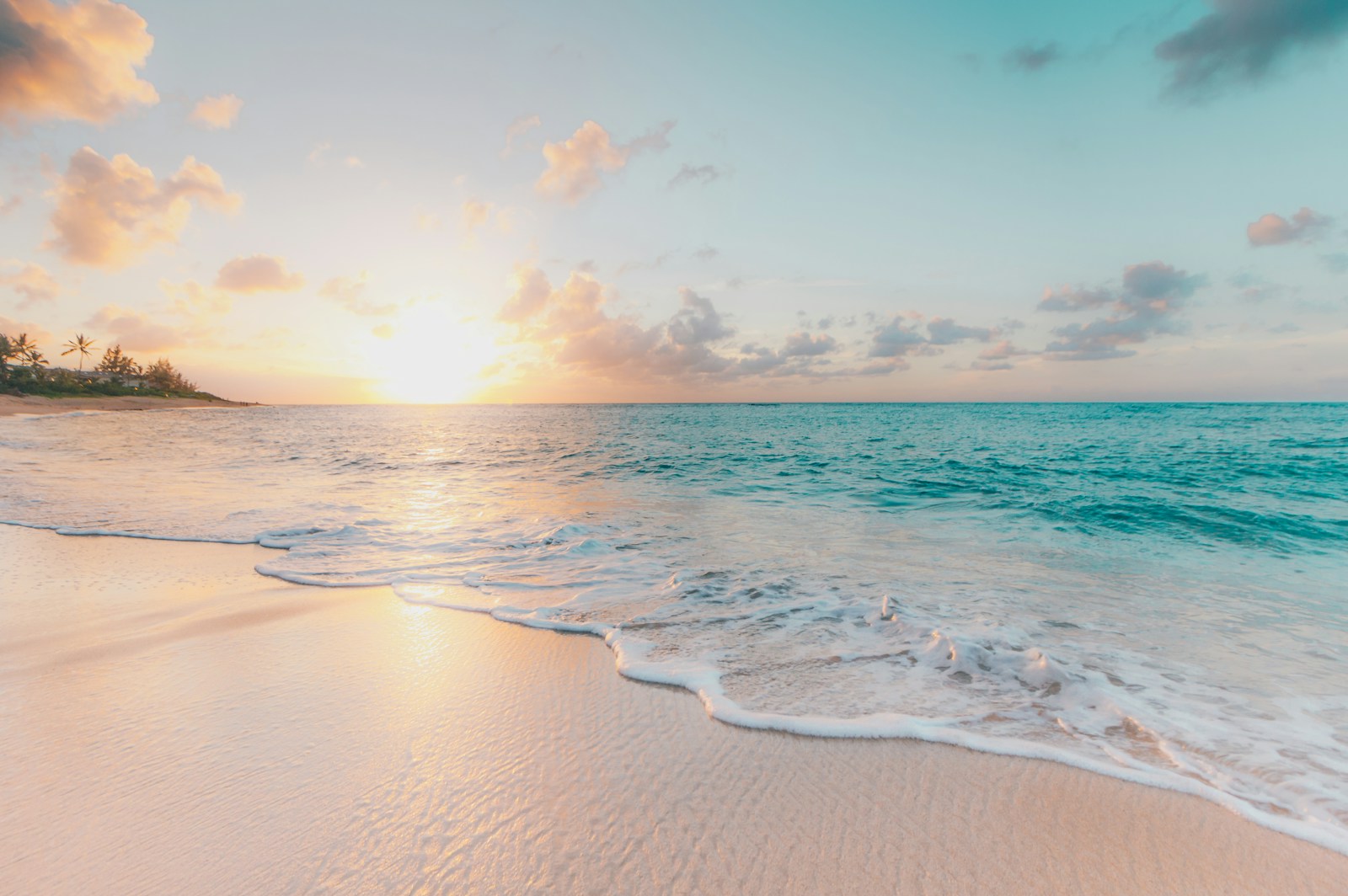
Three kilometres off the north coast of Papua New Guinea's Sepik region, Ali Island rises from the Bismarck Sea as a small, densely forested volcanic island whose cultural significance vastly exceeds its modest physical dimensions. Home to approximately 3,000 people, this island community has maintained a vibrant artistic and ceremonial tradition that connects to the great Sepik River cultures of the mainland — one of the world's most prolific sources of indigenous art and one of the few places where traditional carving, mask-making, and ritual performance remain integral to daily life rather than tourist spectacle.
The village of Ali occupies a narrow coastal strip where stilt houses extend over the water and canoes are pulled up on the beach like a fleet in miniature. The haus tambaran — the men's ceremonial spirit house — dominates the village with a presence both architectural and spiritual. These tall, gabled structures, their facades adorned with carved totems and painted designs, serve as the repository of sacred objects, the venue for initiation ceremonies, and the artistic workshop where master carvers produce the wooden figures, masks, and storyboards for which the Sepik region is internationally celebrated.
The food culture of Ali Island draws from both sea and garden. Fresh reef fish, caught daily from outrigger canoes, is grilled over coconut-husk fires or wrapped in banana leaves and steamed in earth ovens. Sago, the starchy palm pith that serves as the staple food of lowland Papua New Guinea, is processed by women in communal groups and appears in various forms — gelatinous pancakes, puddings, and the thick, glutinous paste called saksak. Coconut in all its forms — milk, cream, flesh, oil — pervades the cuisine. Betel nut, chewed with lime and mustard, is the social lubricant of choice.
The artistic tradition of Ali Island and the broader Sepik region represents one of humanity's great creative achievements. The carving tradition, transmitted from master to apprentice over centuries, produces works of extraordinary power and sophistication. Spirit figures, ancestor masks, and ceremonial objects are not museum pieces but functional components of an active belief system. Visitors privileged to witness a sing-sing — a ceremonial gathering featuring elaborately costumed dancers, drum orchestras, and chanted narratives — encounter a form of artistic expression that predates written history.
Ali Island is accessible by boat from Wewak, the capital of East Sepik Province, which is served by domestic flights from Port Moresby. Expedition cruise ships on Papua New Guinea itineraries occasionally anchor offshore and tender passengers to the beach. Visits should be arranged respectfully, ideally through local guides who can facilitate cultural exchanges that benefit both visitors and community. The tropical climate is warm and humid year-round, with the drier season from May through October generally preferred for travel. Visitors should bring gifts (practical items like fishing line, school supplies, or fabric) as reciprocal exchange remains central to Melanesian social interaction.

