Bougainville Island — named by French navigator Louis-Antoine de Bougainville in 1768 but known to its people as the Autonomous Region of Bougainville within Papua New Guinea — is the largest island in the Solomon Islands chain geographically, though politically part of Papua New Guinea since the colonial carve-up of the Pacific. This distinction is not academic: from 1988 to 1998, Bougainville fought a devastating civil war for independence, a conflict largely invisible to the outside world that killed an estimated 15,000 to 20,000 people. A 2019 independence referendum, in which 98 percent voted for sovereignty, has set the island on a path toward potential nationhood — a process being negotiated with the PNG government as the island rebuilds and reimagines itself.
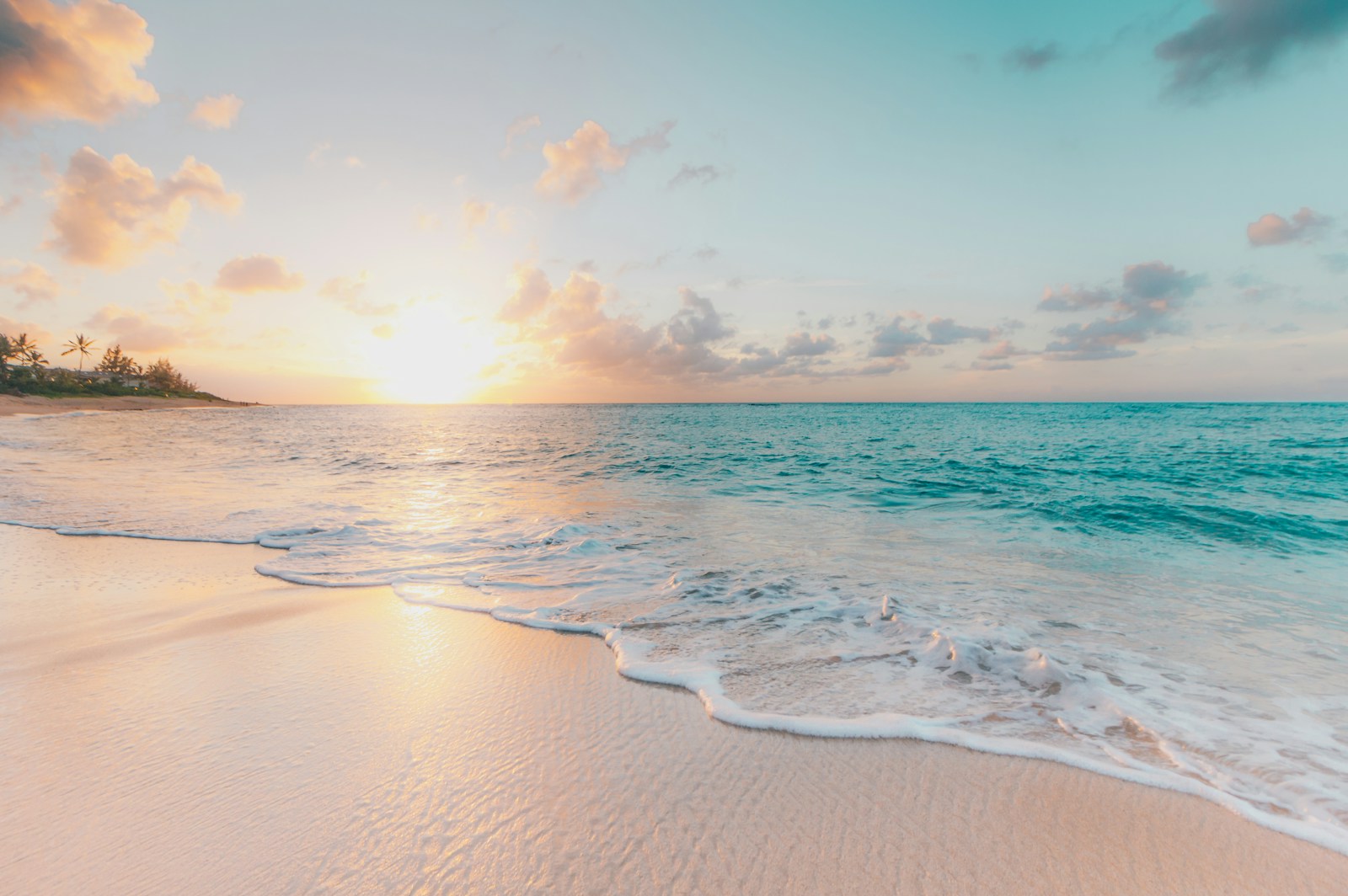
The island's landscape is defined by the Emperor Range, a volcanic spine running north-south through the center, its peaks reaching over 2,500 meters and its slopes cloaked in dense tropical rainforest of exceptional biodiversity. Mount Bagana, one of Papua New Guinea's most active volcanoes, smokes constantly at the island's center, its regular eruptions a reminder that Bougainville sits on the Pacific Ring of Fire. The coastline alternates between mangrove-fringed lagoons, black volcanic sand beaches, and coral reefs that rival anything in the Coral Triangle for diversity and health. The Arawa-Kieta area on the east coast, the island's main population center, faces across the Solomon Sea toward the shortland Islands and the independent nation of Solomon Islands — geographically and culturally closer to Bougainville than the PNG capital of Port Moresby, 1,000 kilometers to the west.
Culinary traditions on Bougainville reflect the island's Melanesian culture and tropical abundance. The mumu — an earth oven feast of root vegetables, leafy greens, coconut cream, and pork or chicken cooked over hot stones in a pit lined with banana leaves — is the centerpiece of communal gatherings. Taro, sweet potato, and sago provide the starchy foundation of daily meals, supplemented by fresh fish, shellfish, and the coconut that is omnipresent in Melanesian cooking — grated, pressed for cream, fermented, or simply drunk fresh from the shell. Betel nut chewing, as across much of the Pacific, is the universal social ritual, the red-stained lips of habitual chewers a ubiquitous sight.
The cultural richness of Bougainville is expressed through its diverse clan-based societies and their artistic traditions. The island is home to multiple language groups, each with distinct traditions of dance, music, body decoration, and wood carving. The Upe hat ceremony, a dramatic coming-of-age ritual involving enormous woven headdresses, is unique to Bougainville and represents one of Melanesia's most visually spectacular cultural events. The Panguna copper mine — once one of the world's largest and the catalyst for the civil war — sits abandoned in the island's interior, its massive terraced pit a monument to the complex relationship between resource extraction, colonial legacy, and indigenous rights that defines much of the Pacific's modern history.
Bougainville is reached by air from Port Moresby to Buka (the small island at Bougainville's northern tip connected by a short ferry crossing) or via expedition cruise ships that include the island on Papua New Guinea itineraries. Tourism infrastructure is minimal — a handful of guesthouses and lodges cater to a small but growing number of visitors drawn by the island's unspoiled reefs, rainforests, and cultural authenticity. The dry season from May to October offers the most comfortable conditions. Visitors should approach with cultural sensitivity and awareness of the island's recent history — the scars of the conflict are still visible, and the community's path toward healing and self-determination is ongoing.

