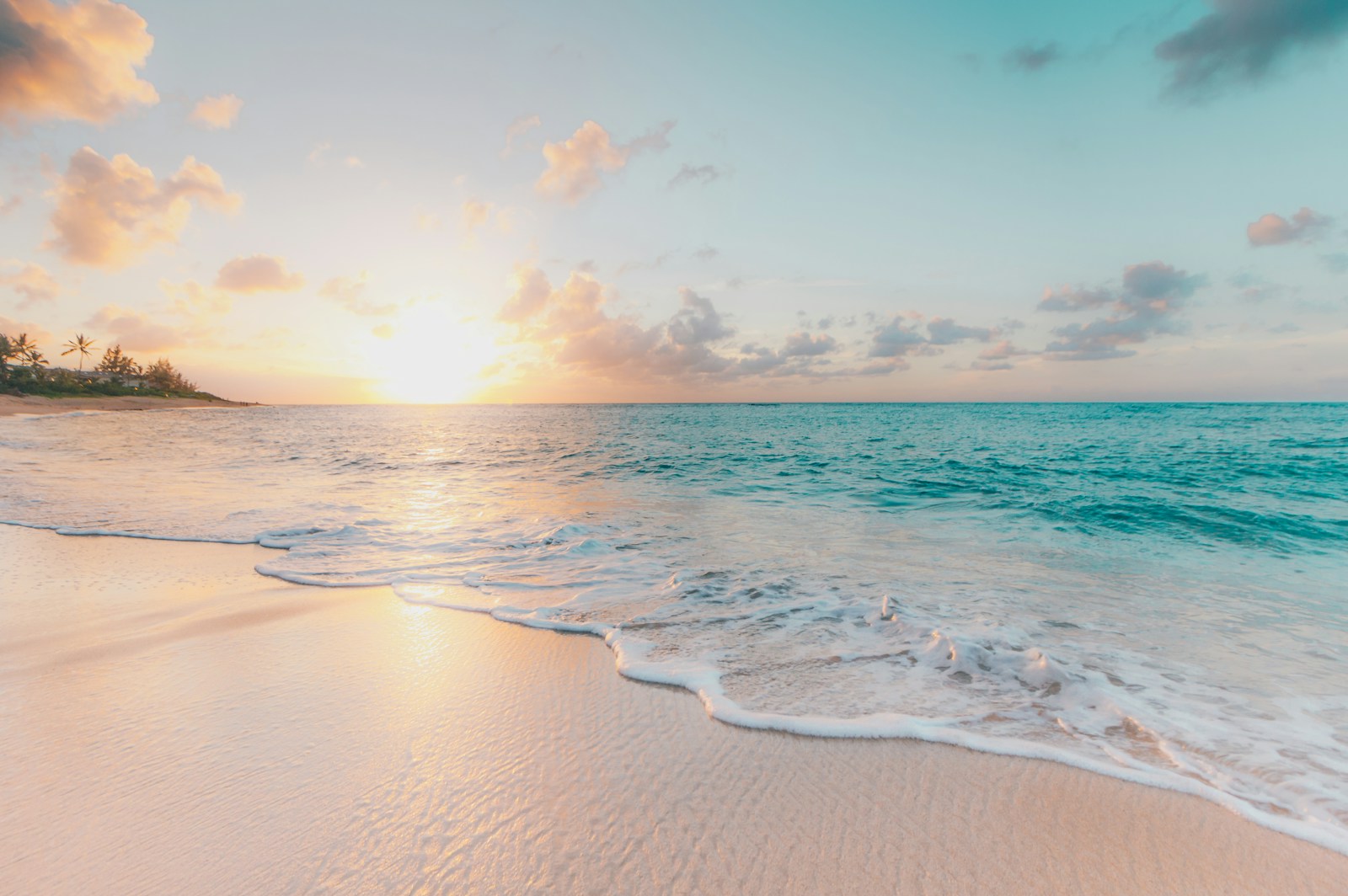
Scattered across the Coral Sea at Papua New Guinea's southeastern extremity, the Louisiade Archipelago is one of the most remote and pristine island groups accessible by expedition cruise. Over two hundred islands — some volcanic and mountainous, others low coral atolls barely rising above the turquoise waterline — extend across more than two hundred kilometres of ocean that Captain Louis Antoine de Bougainville charted in 1768, naming the chain after King Louis XV. The islands remain largely unmarked by modernity, their Melanesian communities living in close harmony with the sea, as they have for thousands of years.
The archipelago's character is one of almost overwhelming natural beauty. The main islands — Misima, Tagula (Sudest), and Rossel — are cloaked in dense tropical rainforest that cascades down volcanic slopes to white sand beaches and fringing coral reefs. The waters between the islands are extraordinarily clear, revealing coral gardens of staggering diversity: brain corals, staghorn formations, sea fans, and anemones hosting countless species of reef fish, sea turtles, and reef sharks. For snorkellers and divers, the Louisiades offer an underwater experience rivalling the Great Barrier Reef, without a single other tourist in sight.
Life in the Louisiade villages follows rhythms unchanged for generations. Outrigger canoes — some large enough to carry entire families across open ocean — are the primary means of transport. Communities practice subsistence fishing and gardening, cultivating taro, yams, sweet potatoes, and coconuts in forest clearings. The Kula Ring, the elaborate system of ceremonial exchange between island communities made famous by anthropologist Bronisław Malinowski, still functions in modified form, maintaining social bonds across vast stretches of open water. Visitors arriving by ship are typically greeted with singing, traditional dance, and the genuine warmth that characterizes Melanesian hospitality.
The marine environment is the archipelago's greatest treasure. Coral atolls like Bramble Haven and the Conflict Group host enormous colonies of nesting seabirds and serve as crucial turtle nesting grounds. The deeper waters between islands are frequented by dolphins, manta rays, and seasonal humpback whales. On land, the larger islands harbour rare bird species — including several found nowhere else on earth — and the forests conceal orchids, butterflies, and the kind of biodiversity that recalls the age of natural history exploration.
Expedition cruise ships are the only practical way to visit the Louisiades, anchoring in protected lagoons and using Zodiac boats for landings on remote beaches and village visits. The dry season from May to October offers the calmest seas and clearest skies. There are no hotels, restaurants, or tourist infrastructure — this is genuine frontier travel, where the reward is an encounter with one of the last places on earth that tourism has not yet transformed.

