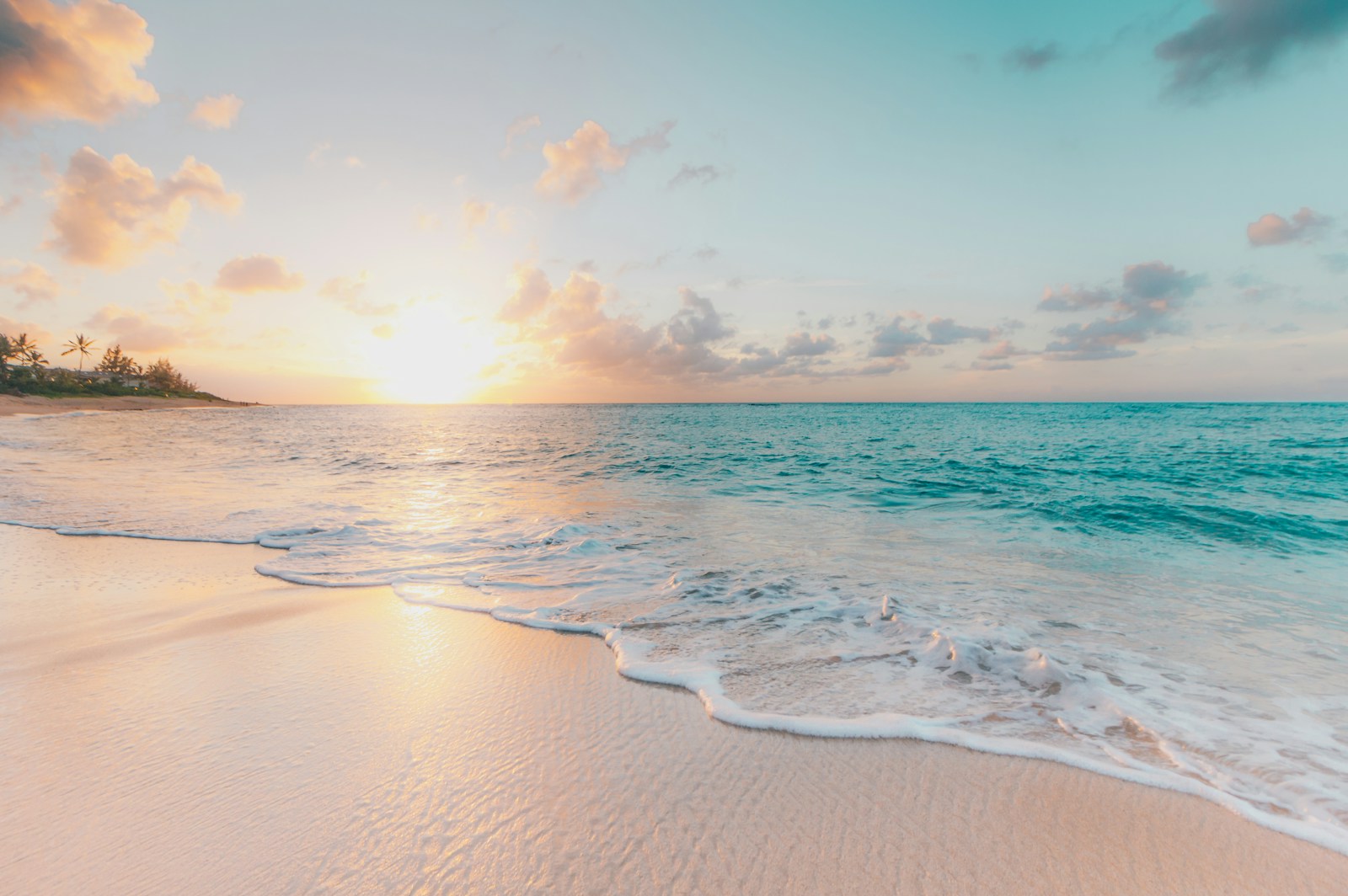
In the waters off the southeastern coast of Papua New Guinea, where the Solomon Sea meets the channels of the Louisiade Archipelago, Samarai Island occupies a position of historical and emotional significance that vastly exceeds its diminutive physical dimensions. This tiny coral island — barely 500 metres across — was once the colonial capital of the Eastern Division of British New Guinea, a bustling administrative centre and trading port whose grand Victorian-era buildings, manicured gardens, and social clubs made it the "Pearl of the Pacific." Today, the jungle has reclaimed most of the town, and Samarai exists in a state of beautiful, melancholic ruin.
The island's decline mirrors the larger story of European colonialism in the Pacific. At its peak in the early 20th century, Samarai was a prosperous port connecting the copra plantations, gold fields, and pearling grounds of eastern Papua New Guinea to the wider world. Steamships called regularly, merchants built elegant tropical houses, and a social hierarchy of colonial administrators, missionaries, and traders maintained European customs in a landscape of equatorial heat and monsoon rain. The transfer of the capital to Alotau on the mainland after World War II began Samarai's slow decline, and the removal of government services in 1968 sealed its fate as a backwater.
There are no formal restaurants on Samarai, but the island's small remaining community offers visitors a warm welcome and, with advance arrangement, meals prepared from local ingredients — fresh reef fish, coconut-based curries, taro, and sweet potato. The surrounding waters are extraordinarily productive, and fishing provides both sustenance and income for the community. Betel nut, that ubiquitous Melanesian social currency, is offered freely, and accepting is the polite — if mouth-reddening — response.
The ruined colonial buildings, being slowly consumed by tropical vegetation, create one of the most atmospherically powerful sites in the Pacific. Banyan tree roots split stone walls, vines cover former verandas, and the old wharf, where trading schooners once loaded copra, crumbles into the clear water. The Japanese memorial, commemorating the fierce fighting that swept through the region during World War II, adds another historical layer. Despite its decay, the island retains a haunting beauty — the combination of tropical greenery, colonial ruins, and crystal-clear water creates scenes that seem to belong to a Gabriel García Márquez novel.
Samarai is accessible by banana boat (small motorboat) from Alotau, the capital of Milne Bay Province, which is served by domestic flights from Port Moresby. Expedition cruise ships on Papua New Guinea itineraries occasionally anchor off the island. The best season runs from May through October, when the southeast trade winds bring drier conditions and calmer seas. Visitors should be self-sufficient in terms of provisions and prepared for basic conditions — Samarai's charm lies precisely in what it has lost as much as what remains.

