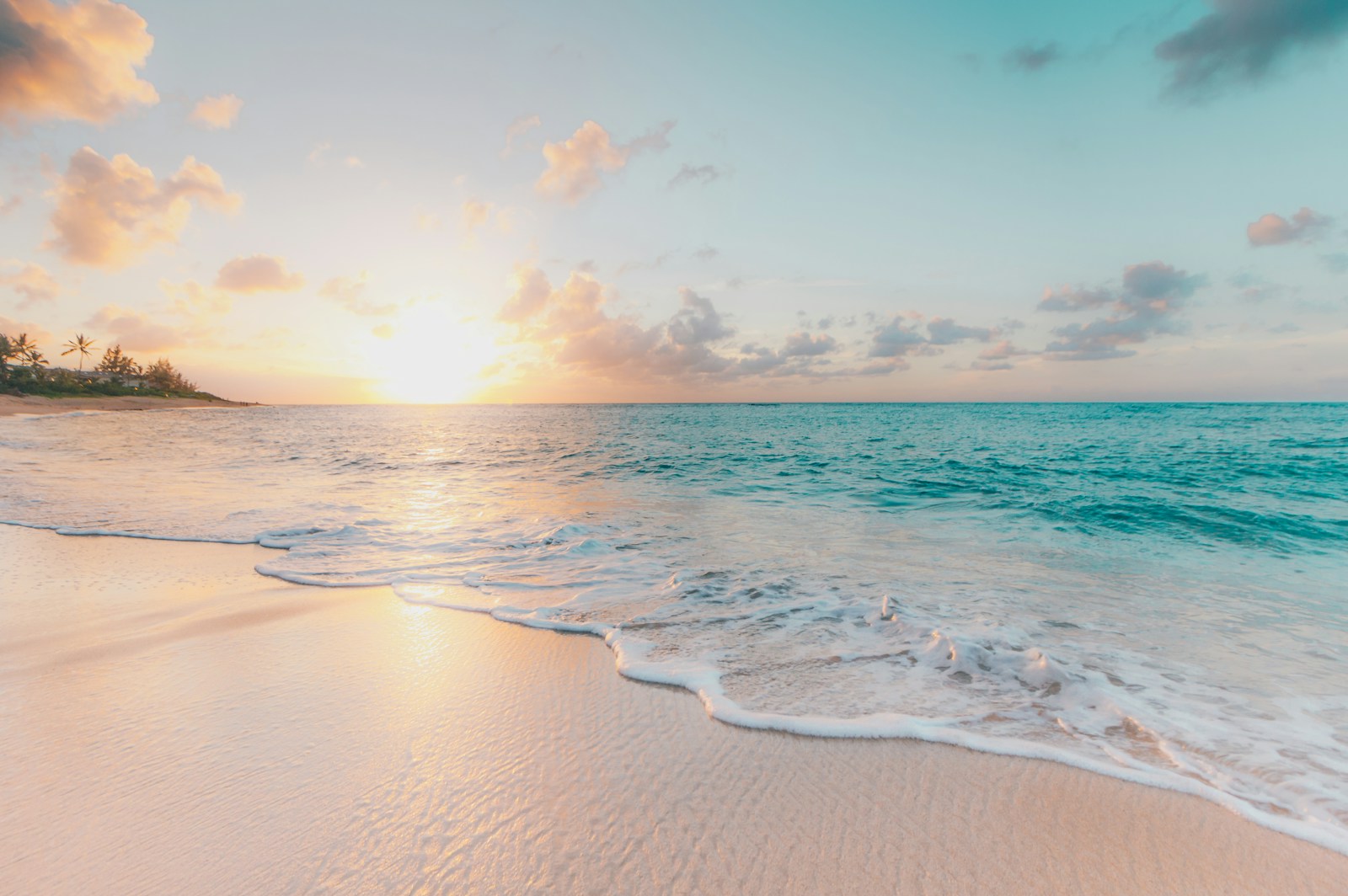
Tami Island rises from the Huon Gulf like a sculptured jewel — a small, coral-fringed landmass off the northeastern coast of Papua New Guinea, approximately fifteen kilometers from the mainland town of Finschhafen. For centuries, the Tami Islanders have been among the most accomplished seafarers and artisans of Melanesia, their outrigger canoes carrying elaborately carved wooden bowls, headrests, and ceremonial objects to trading partners across the Vitiaz and Dampier Straits. These carved bowls, known internationally as Tami bowls, are prized in ethnographic collections from Berlin to New York for their graceful forms and intricate geometric patterns — each design encoding clan identity, spiritual authority, and the maritime knowledge that sustained island life.
The island itself is a masterclass in tropical beauty at an intimate scale. Coconut palms lean over white-sand beaches that dissolve into waters of startling clarity, where coral gardens shelter an abundance of reef fish, sea turtles, and the occasional dugong. The village, home to a few hundred residents, is organized around the traditional men's house — a social and ceremonial center where carving traditions are passed from master to apprentice in an unbroken chain. Daily life revolves around fishing, gardening small plots of taro and sweet potato, and the rhythms of the sea. There is no resort infrastructure, no restaurant, no souvenir shop — and therein lies the island's extraordinary appeal to expedition cruise passengers seeking authentic encounters with living Melanesian culture.
The culinary traditions of Tami Island are rooted in the sea and the garden. Fish is prepared simply — grilled over coconut husks or wrapped in banana leaves and cooked in an earth oven (mumu) with root vegetables and leafy greens. Coconut is omnipresent, grated into sauces, pressed for cream, and fermented into a mildly intoxicating toddy. Betel nut, chewed with lime powder and mustard seed, is the social lubricant of choice — offered to visitors as a gesture of welcome and friendship. For expedition cruise guests, the experience of sharing a meal with island families — sitting on woven mats under a breadfruit tree as children dart between the legs of their elders — offers a window into a way of life that has endured for millennia.
The waters surrounding Tami Island hold treasures both natural and historical. The reefs are part of the Coral Triangle, the global epicenter of marine biodiversity, and snorkeling directly from the beach reveals hard and soft corals in riotous profusion. World War II wrecks — remnants of the fierce fighting around Finschhafen in 1943 — lie in diveable depths nearby, their encrusted hulls now artificial reefs teeming with marine life. On the mainland, the Finschhafen area offers access to the mountainous hinterland where villages of the Kate and Jabêm peoples maintain distinct linguistic and cultural traditions — a reminder that Papua New Guinea's 850-plus languages represent the densest concentration of linguistic diversity on Earth.
Tami Island is accessible only by boat, typically from Finschhafen or Lae on the Papua New Guinea mainland, or via expedition cruise ships that anchor offshore and tender passengers to the beach. There is no scheduled transport or commercial accommodation. Visits are arranged through expedition cruise itineraries or by prior arrangement with village leaders. The dry season from May to October offers the calmest seas and clearest skies, though the island's equatorial climate ensures warm temperatures year-round. Visitors should bring reef-safe sunscreen, modest clothing for village visits, and small gifts (school supplies are especially appreciated) as gestures of reciprocity.

