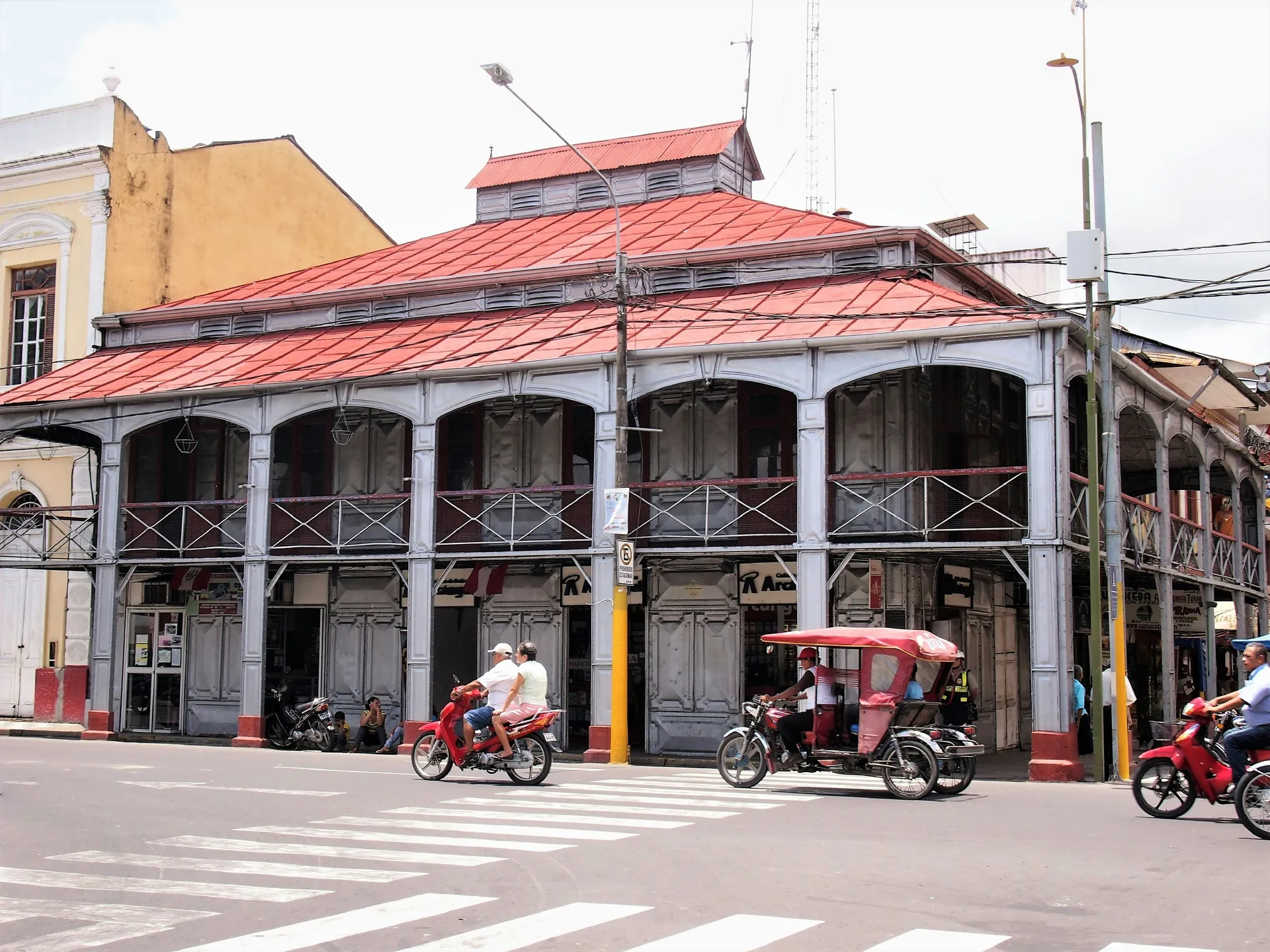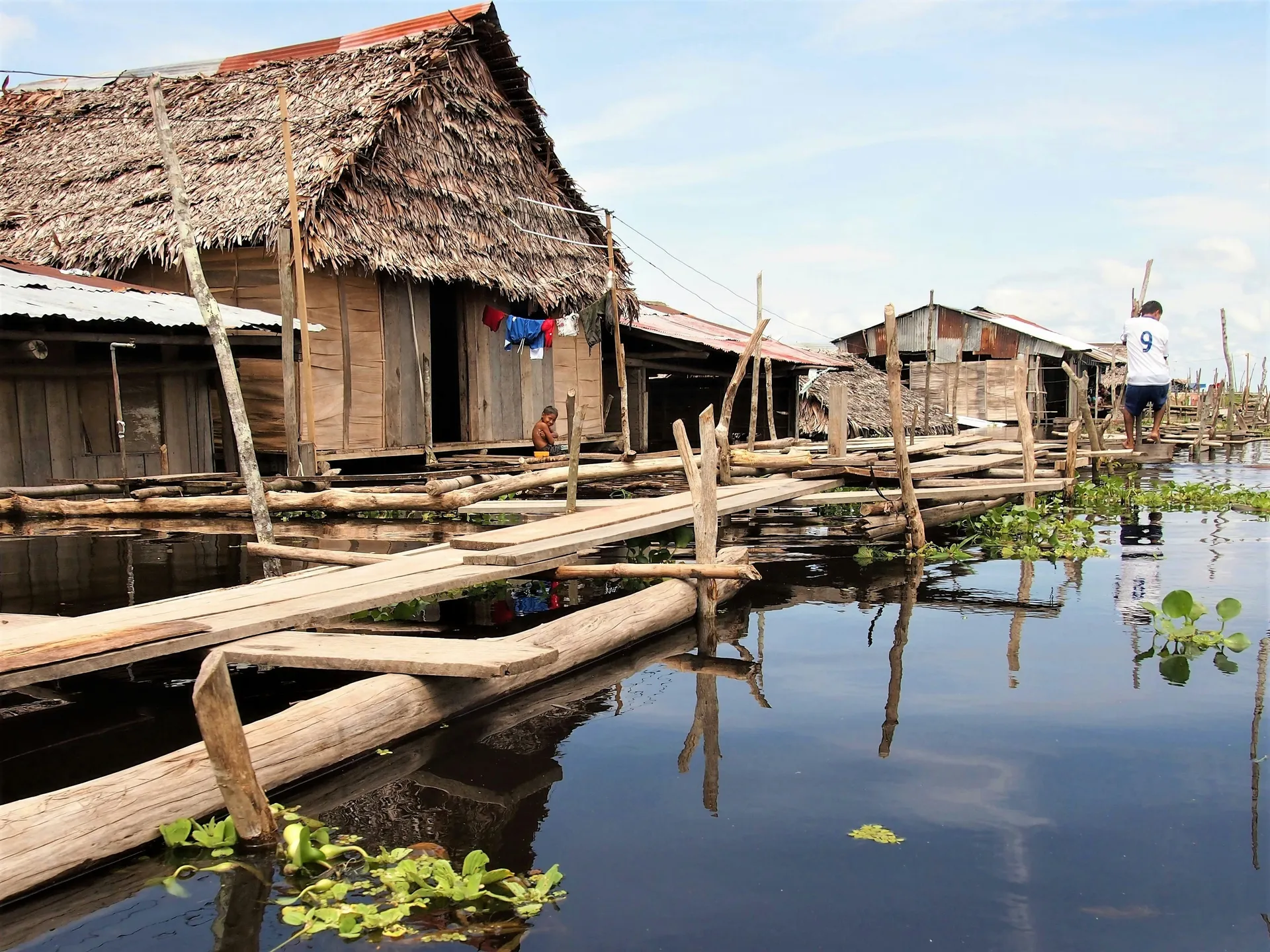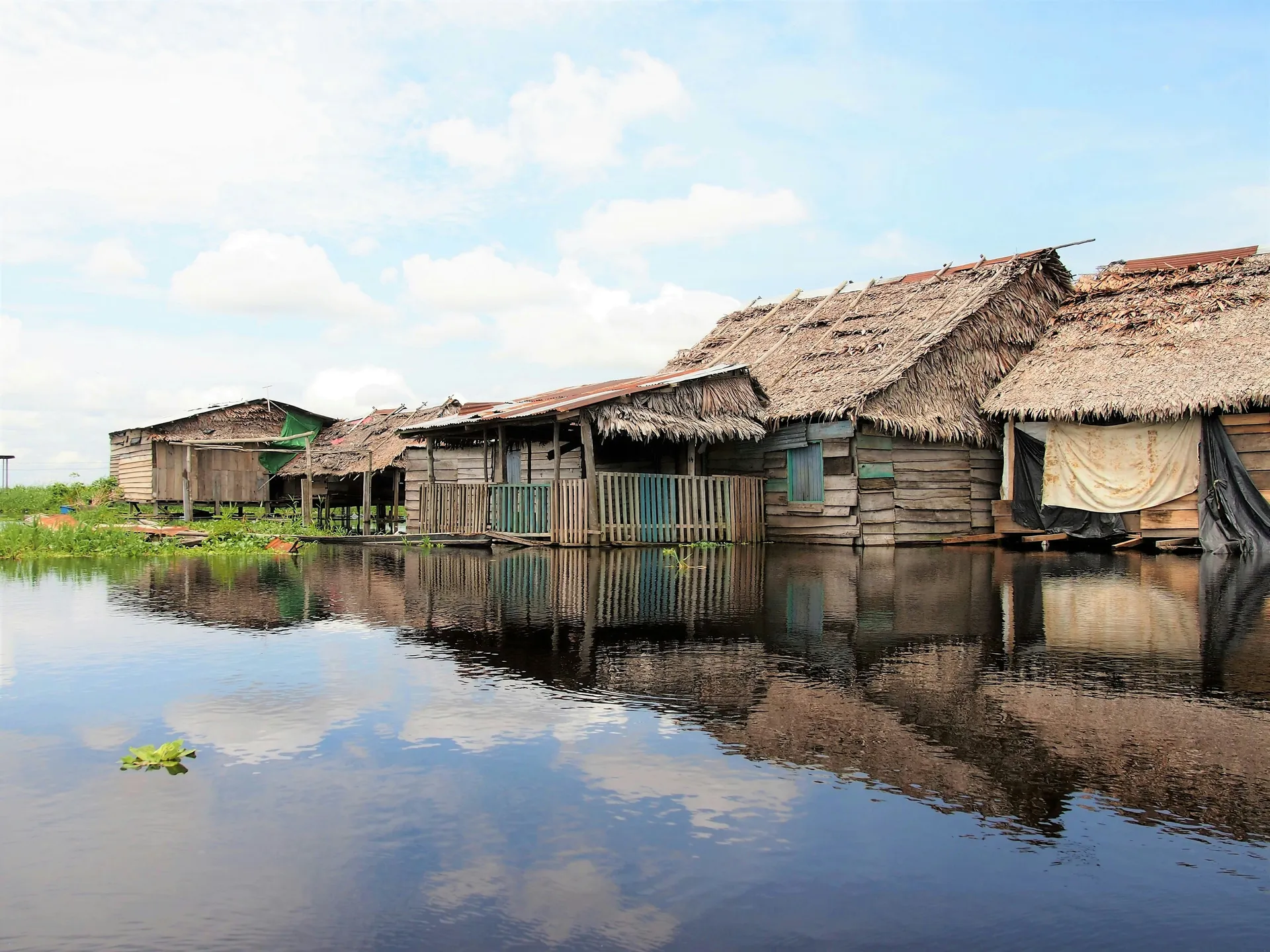
In the heart of the Peruvian Amazon, accessible only by river or air—no road connects it to the outside world—Iquitos holds the distinction of being the largest city on Earth that cannot be reached by land. This metropolis of 470,000, perched on the banks of the Amazon River 3,600 kilometers from the river’s Atlantic mouth, was built on the fortunes of the rubber boom that swept the Amazon basin in the late 19th century, leaving behind a legacy of azulejo-tiled mansions, a cathedral, and the Iron House—a prefabricated metal structure reputedly designed by Gustave Eiffel—that still defines the city’s historic center.
The rubber boom era (1880–1912) transformed Iquitos from a missionary outpost into one of South America’s wealthiest cities. The rubber barons, enriched beyond imagination by the global demand for waterproof rubber, imported European luxury to the jungle: Carrara marble, Portuguese tiles, crystal chandeliers, and a lifestyle that sent their laundry to Lisbon and their children to Paris. The Plaza de Armas preserves this opulence in the Casa de Fierro (Iron House) and the surrounding mansions, while the Malecón—a riverside promenade overlooking the Amazon—offers views of the world’s largest river flowing brown and powerful beneath the equatorial sky.
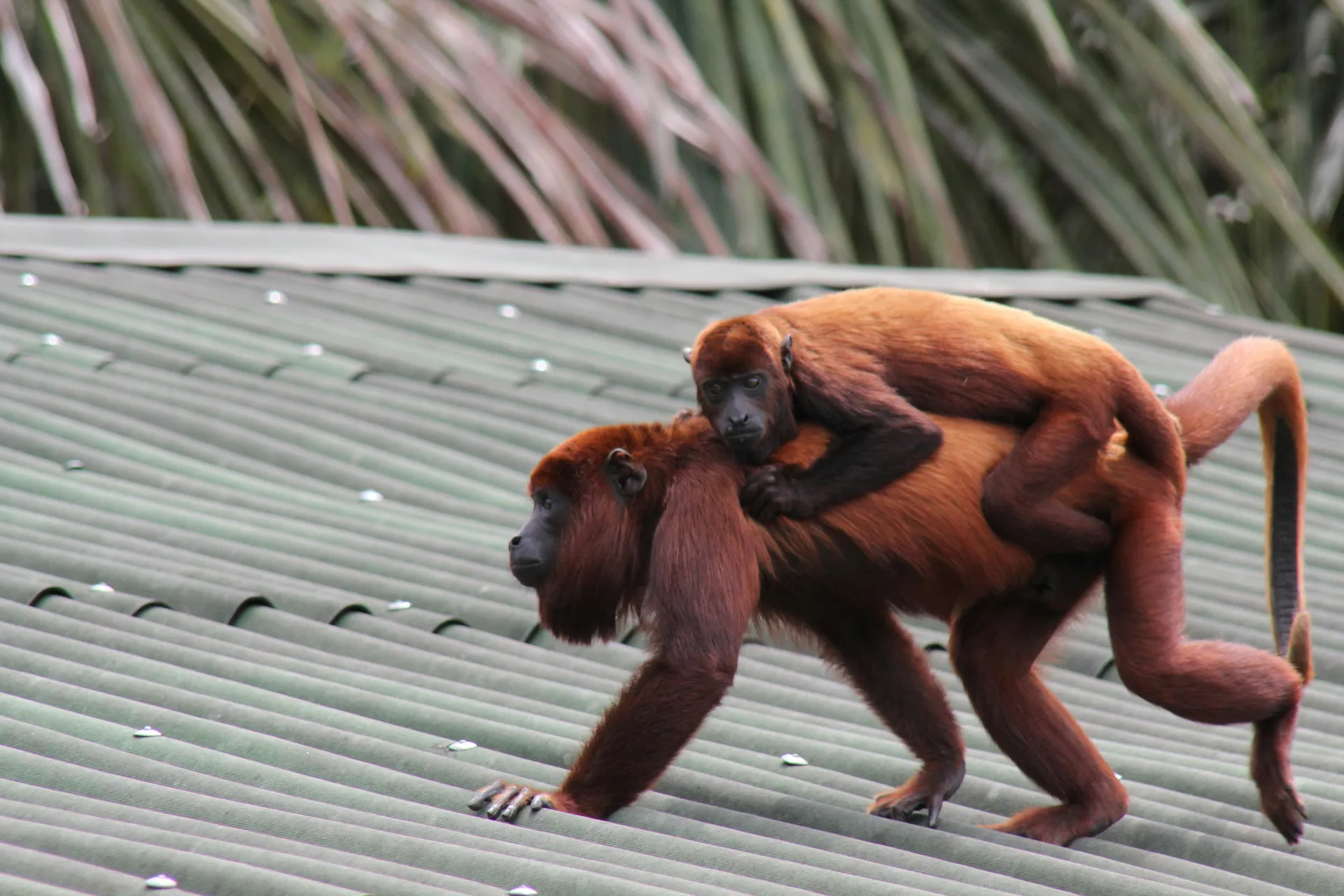
Iquitos is the premier gateway to the Peruvian Amazon, and the surrounding rainforest offers some of the planet’s most biodiverse ecosystems. The Pacaya-Samiria National Reserve, South America’s largest protected flooded forest, is accessible by multi-day boat expeditions from Iquitos. Pink river dolphins surface in the dark waters, three-toed sloths hang from cecropia trees, and the cacophony of macaws, howler monkeys, and frogs creates a soundscape of overwhelming vitality. The Allpahuayo-Mishana National Reserve, closer to the city, protects rare white-sand forests that harbor endemic bird species found nowhere else on Earth.
Iquitos’ cuisine is the Amazon’s most sophisticated. Paiche (arapaima), the world’s largest scaled freshwater fish, is grilled, smoked, or served as ceviche. Juane—rice, chicken, and olives wrapped in bijao leaves and steamed—is the city’s festival dish. Tacacho con cecina (mashed plantain balls with smoked pork) and inchicapi (chicken soup thickened with ground peanuts and cilantro) represent the fusion of indigenous and colonial traditions. The Belén market, a sprawling labyrinth of stalls along the river, sells Amazonian fruits (camu camu, aguaje, cocona), medicinal plants, and ingredients—including grilled palm grubs—that challenge every culinary assumption.
Lindblad Expeditions and Uniworld River Cruises use Iquitos as the embarkation point for their Amazon voyages, and the city’s roadless isolation adds an element of adventure that begins before the jungle does. The flight from Lima crosses the Andes at 6,000 meters before descending into the green infinity of the Amazon basin—a geographic transition so dramatic it compresses continental scale into two hours. The best time to visit is during the low-water season (June–October), when receding rivers expose beaches and concentrate wildlife, though the high-water season (December–May) allows canoe exploration of the flooded forest’s extraordinary igapó ecosystem.