Paracas is a desert peninsula on the southern coast of Peru where the Andes yield to the Pacific in a landscape of extraordinary aridity and equally extraordinary marine abundance. The town — a small resort community approximately 250 kilometers south of Lima — serves as the gateway to both the Paracas National Reserve and the Ballestas Islands, positioning it at the intersection of desert geology and marine biology in a way that produces experiences of genuine wonder. The name derives from the Quechua "pará-ako" meaning "sand falling like rain," a reference to the fierce afternoon winds — the paracas — that blast sand across the peninsula with stinging intensity. The Paracas culture that flourished here from 800 to 100 BCE left behind one of pre-Columbian America's most remarkable textile traditions: intricately woven and embroidered mantles that wrapped their dead in burial bundles so well-preserved by the desert air that the colors remain vivid after two millennia.
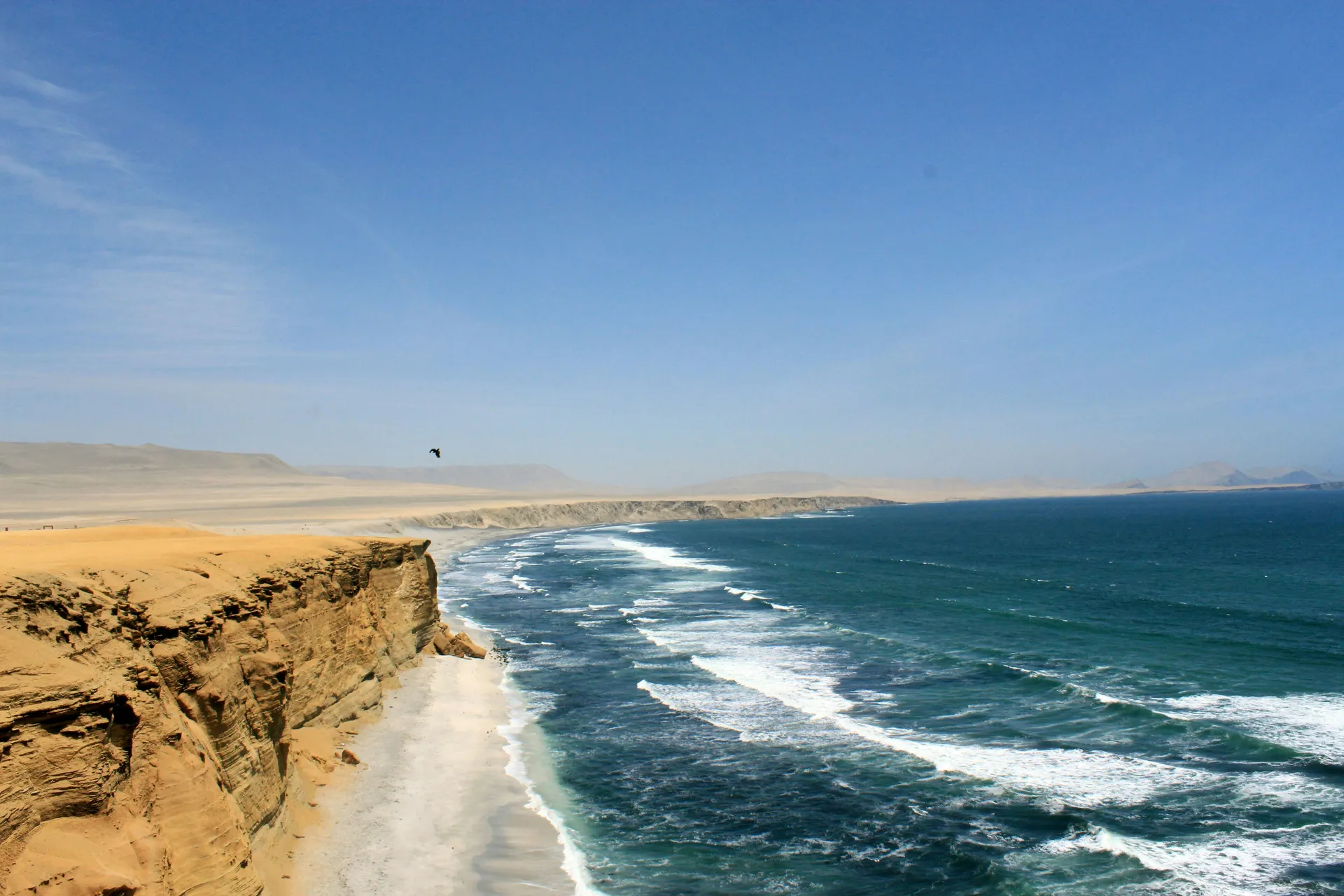
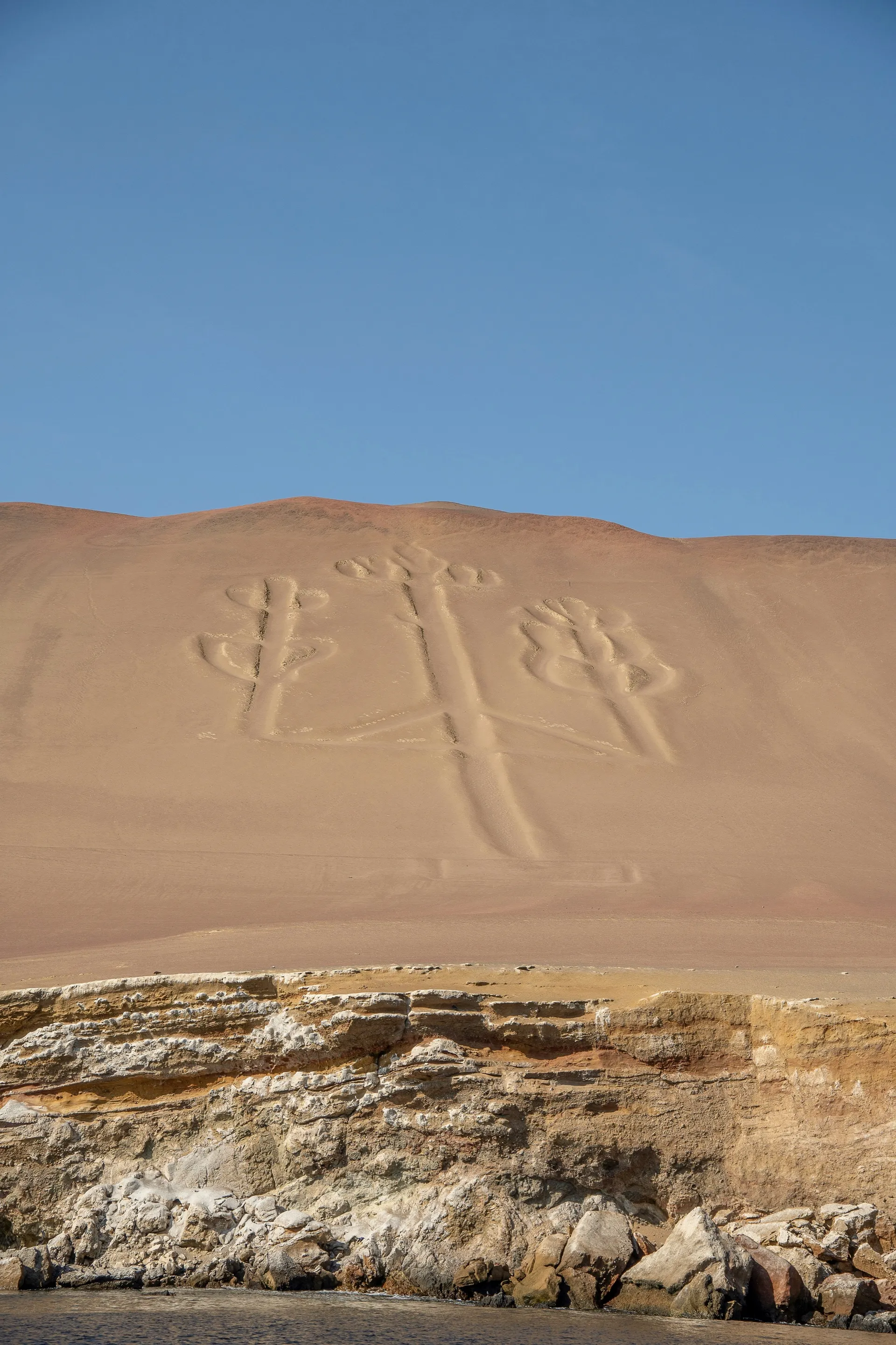
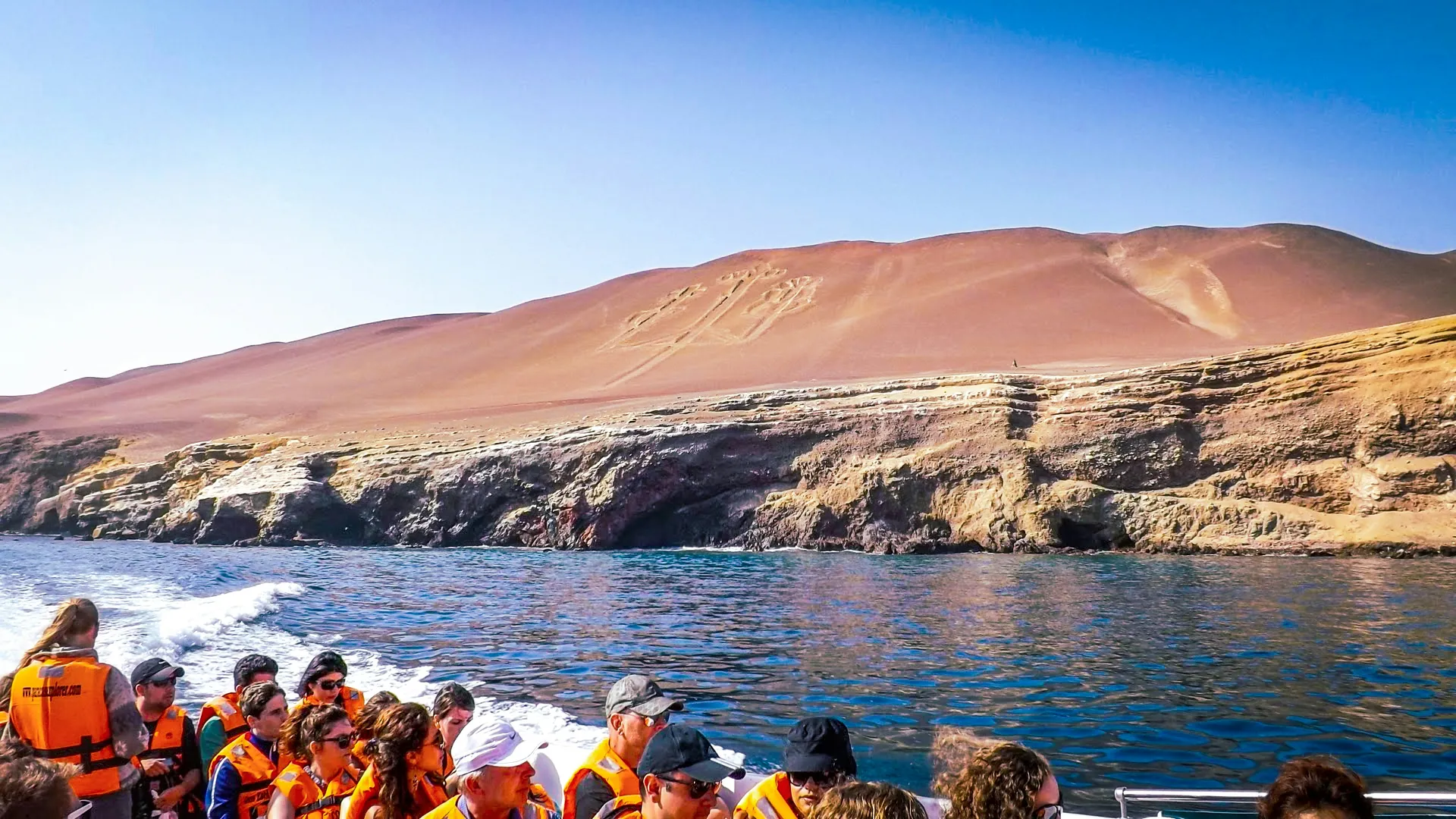
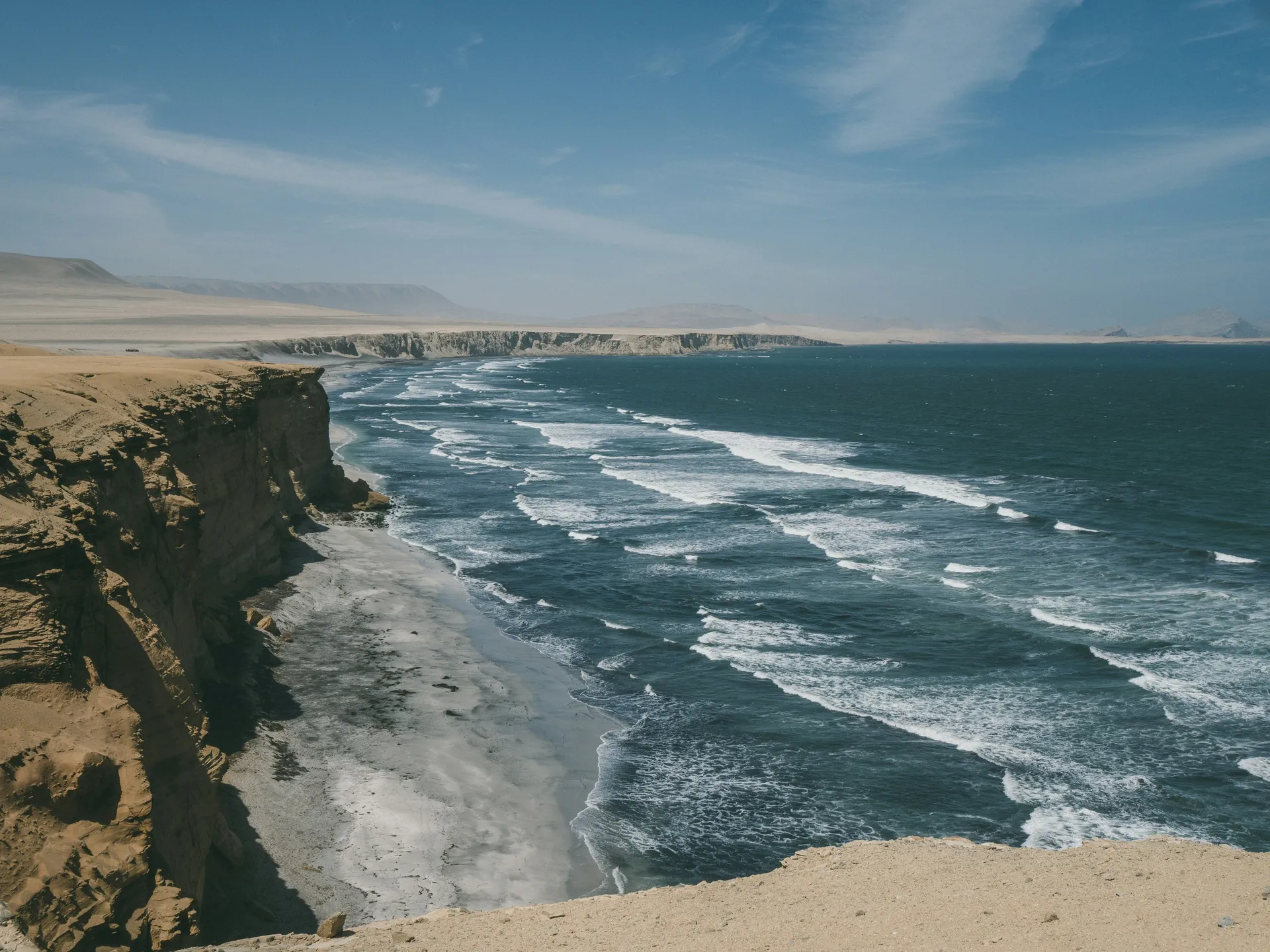
The Paracas National Reserve encompasses 335,000 hectares of desert peninsula and marine habitat, creating one of Peru's most visually dramatic landscapes. The coastline alternates between towering cliffs of compacted sand and volcanic rock, red-sand beaches (the famous Playa Roja, colored by iron-rich minerals), and sheltered bays where Chilean flamingos feed in the shallows. The desert interior — stark, windswept, and almost entirely devoid of vegetation — achieves a mineral beauty that shifts with the light from bleached bone-white at noon to deep ochre and crimson at sunset. The Candelabra geoglyph, a 180-meter trident etched into the sandy hillside, is visible from the sea and remains one of Peru's most enigmatic ancient monuments.
The culinary scene in Paracas has developed from a handful of fishing-village cevicherías into a destination dining experience centered on the Humboldt Current's extraordinary seafood. Ceviche — raw fish cured in lime juice, chili, and red onion — is prepared here with fish caught the same morning, the quality of the ingredients eliminating the need for complexity. Tiradito, the Japanese-Peruvian variation with thinly sliced fish in a citrus-chili sauce, reflects the Nikkei culinary tradition that is one of Peru's great cultural exports. Chupe de camarones (prawn chowder), arroz con mariscos (shellfish rice), and the simple pleasure of grilled corvina with a cold Cusqueña beer on a waterfront terrace constitute some of Peru's finest coastal dining.
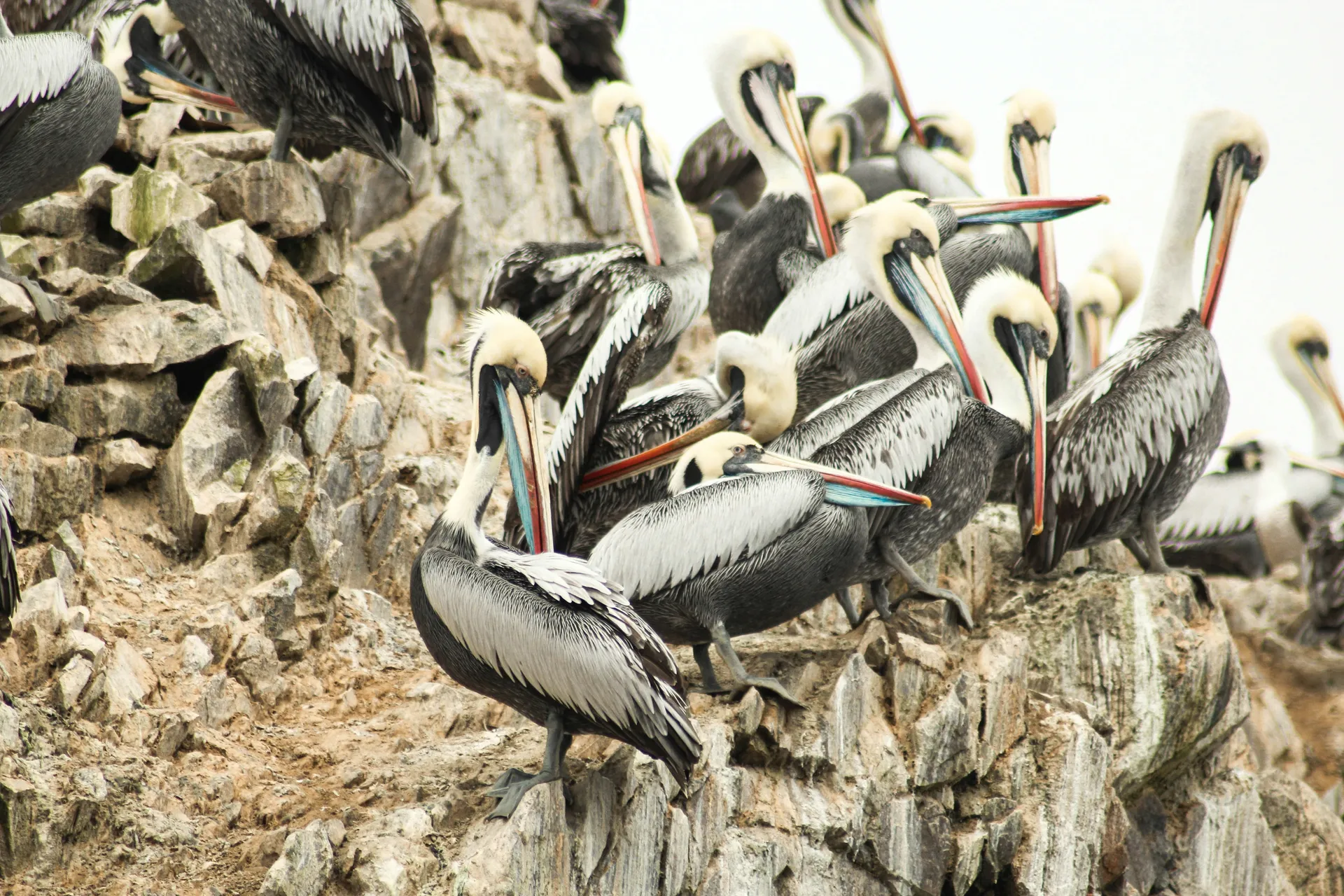
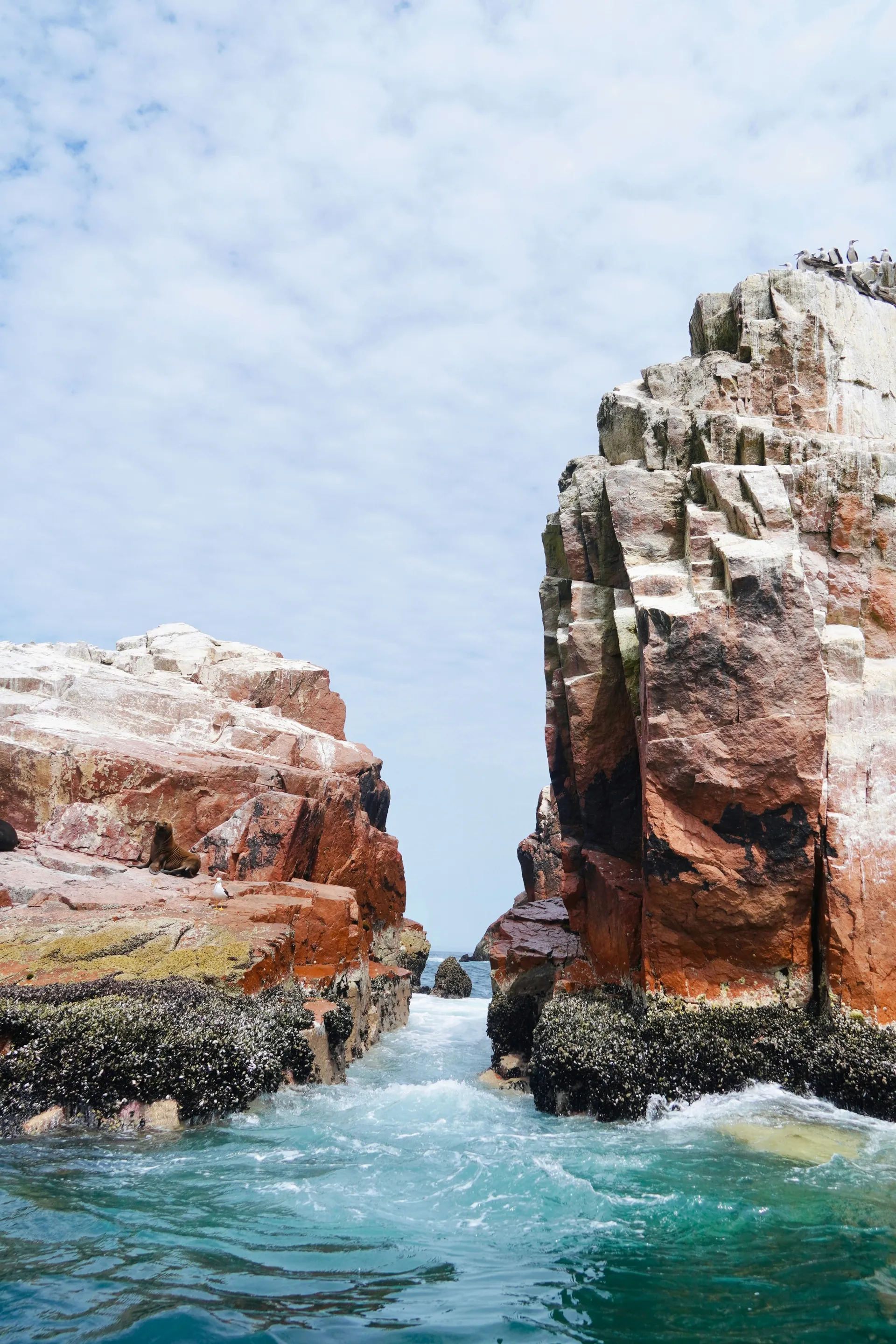
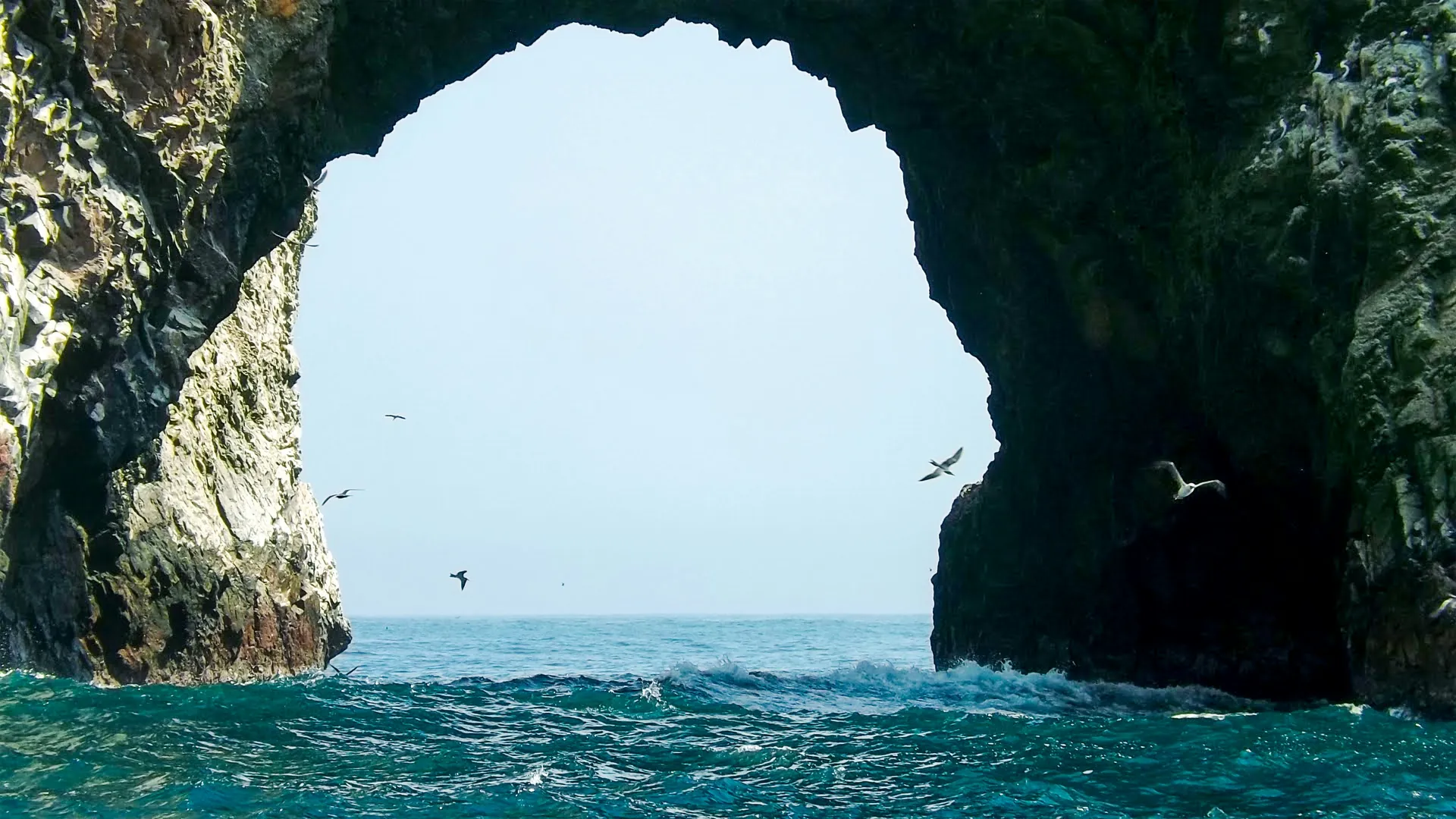
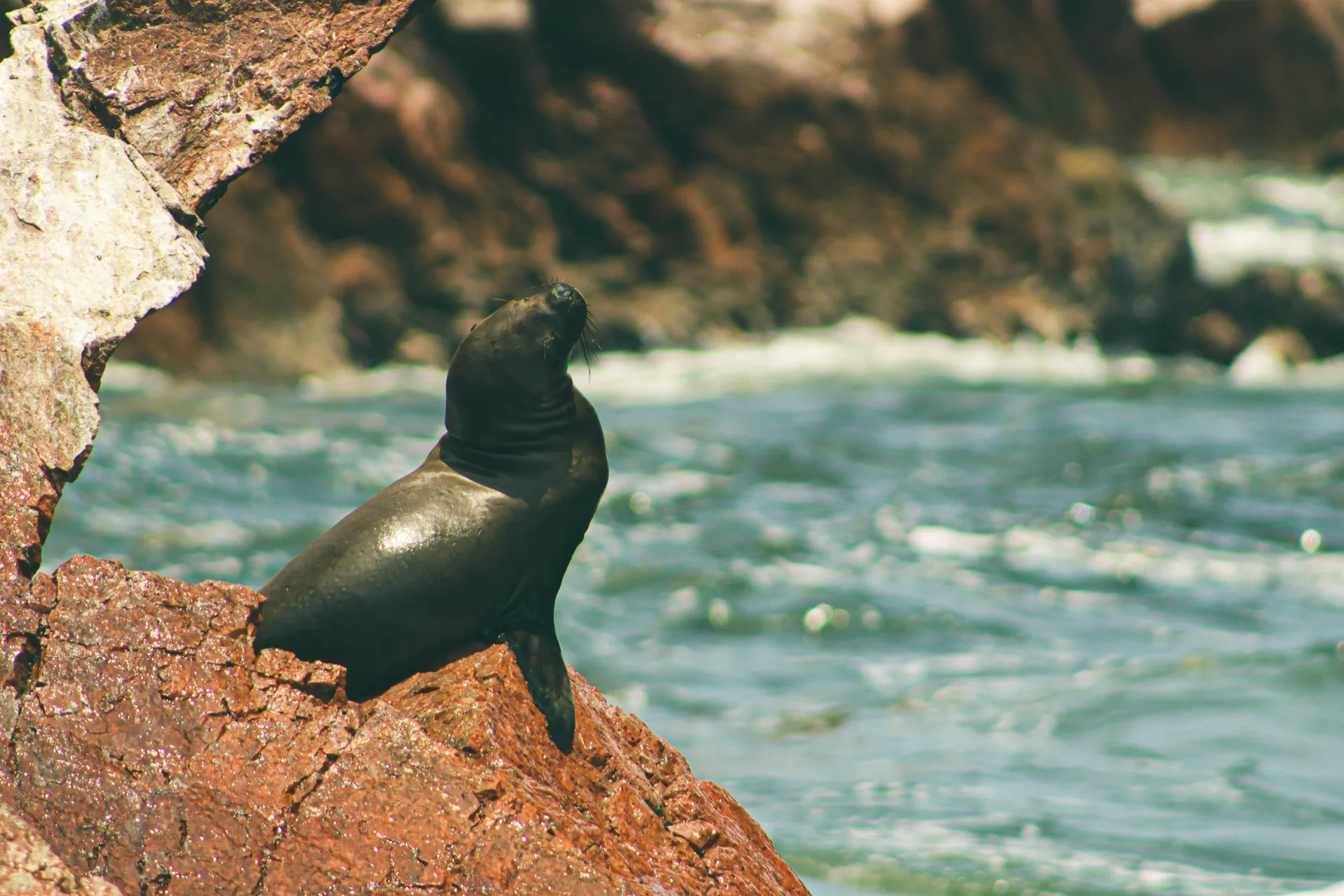
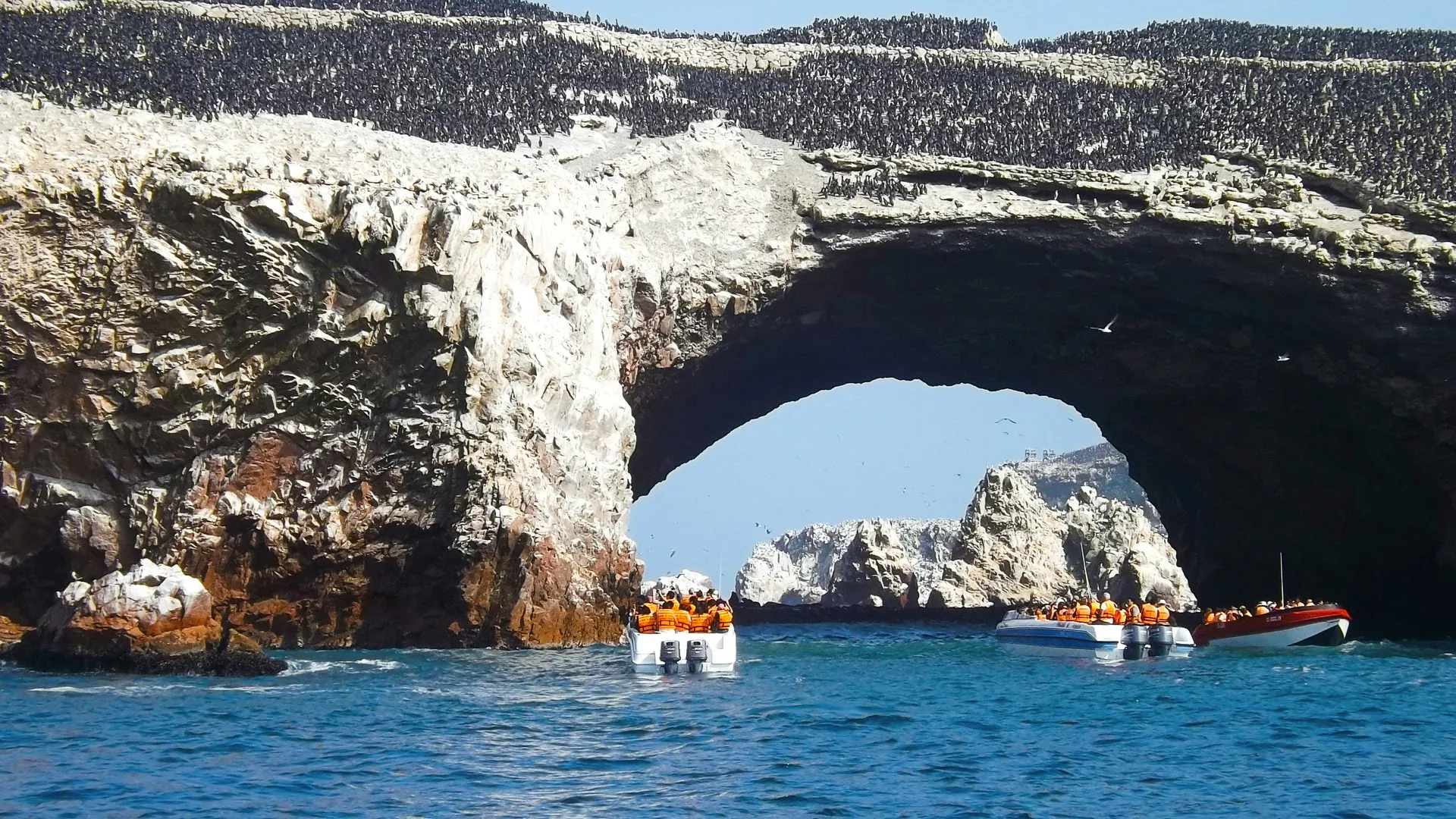
The marine ecosystem off Paracas is sustained by the Humboldt Current — one of the most productive ocean currents on Earth — which brings cold, nutrient-laden water from the Antarctic depths to the surface, fueling a food chain that supports everything from anchovy schools to blue whales. The Ballestas Islands, a short boat ride offshore, harbor colonies of Humboldt penguins, South American sea lions, and hundreds of thousands of seabirds — guanay cormorants, Peruvian boobies, pelicans — in densities that overwhelm the senses. Between June and October, humpback whales migrate through the offshore waters, and dolphins are present year-round. The combination of desert austerity on land and marine abundance at sea creates a landscape of contrasts that is unique on the Pacific coast of South America.
Paracas is reached from Lima by road (three to four hours via the Pan-American Highway) or as a cruise port on itineraries along the Peruvian and Chilean coast. The town has a well-developed tourism infrastructure: waterfront hotels, restaurants, and operators offering boat tours to the Ballestas Islands, desert excursions in the national reserve, and combination trips. The climate is desert — rain is virtually unknown — with the warmest months being December through March and the coolest June through August. The Paracas winds are strongest in the afternoon year-round, making morning the preferred time for both boat excursions and beach activities.