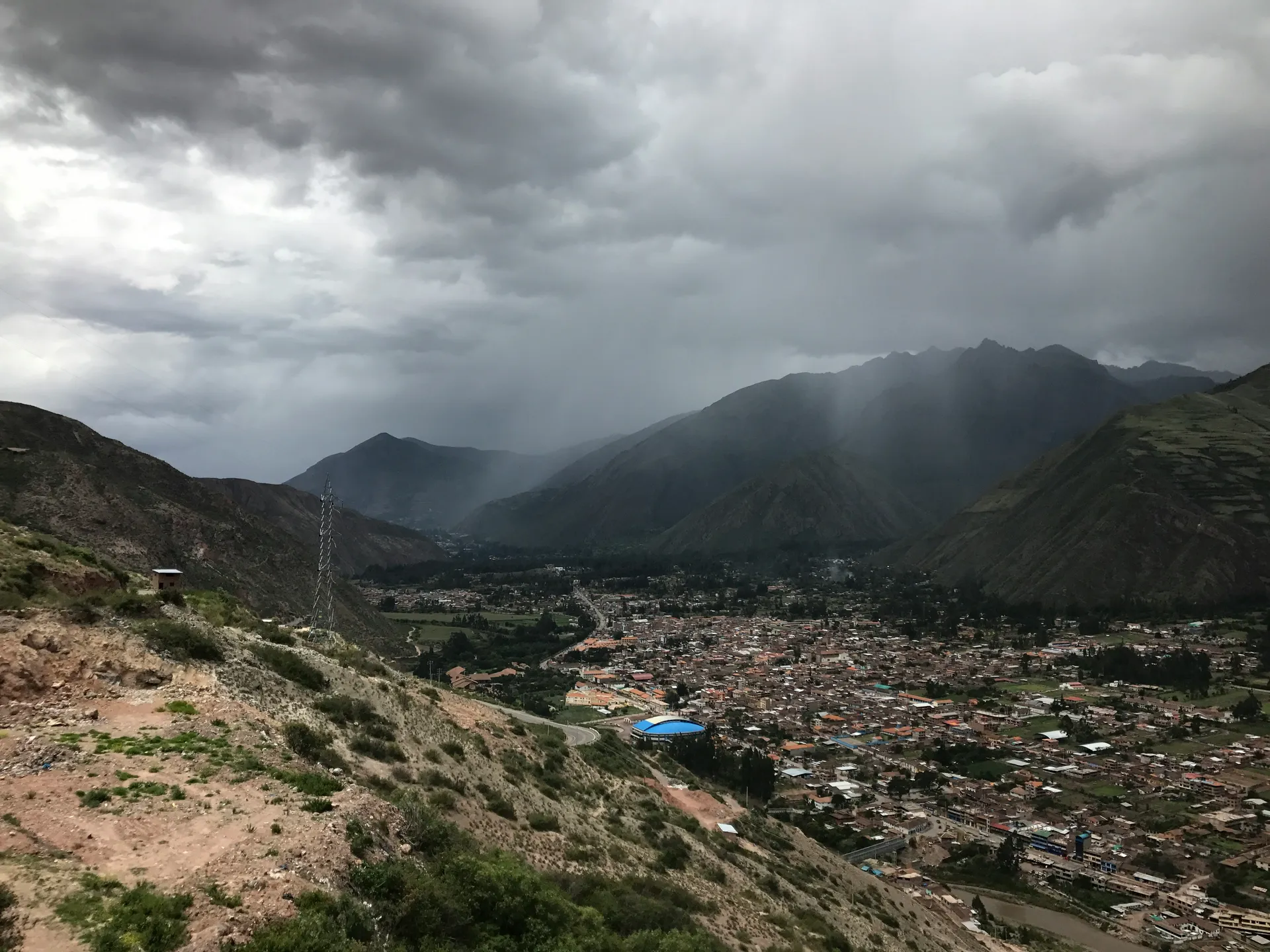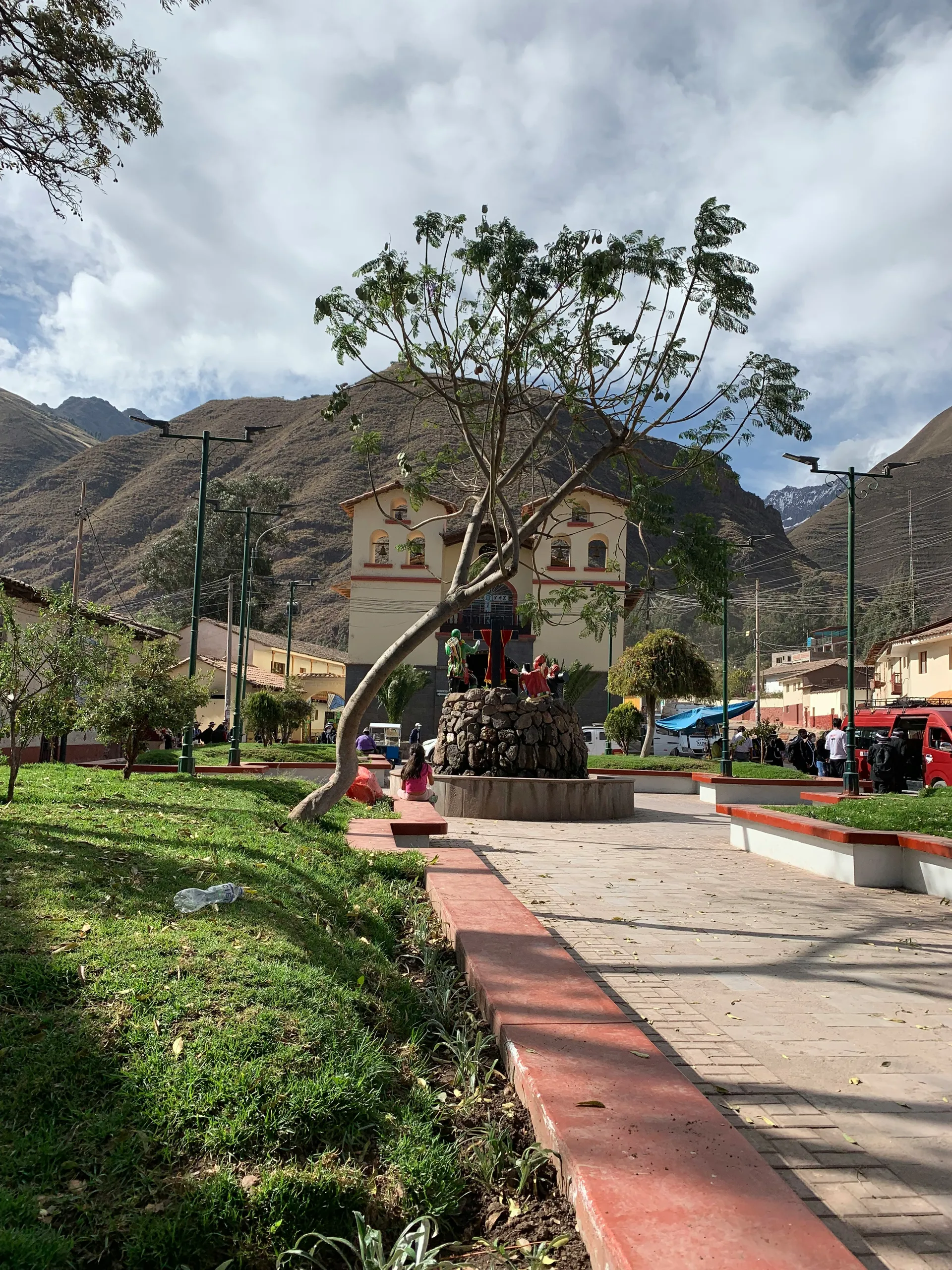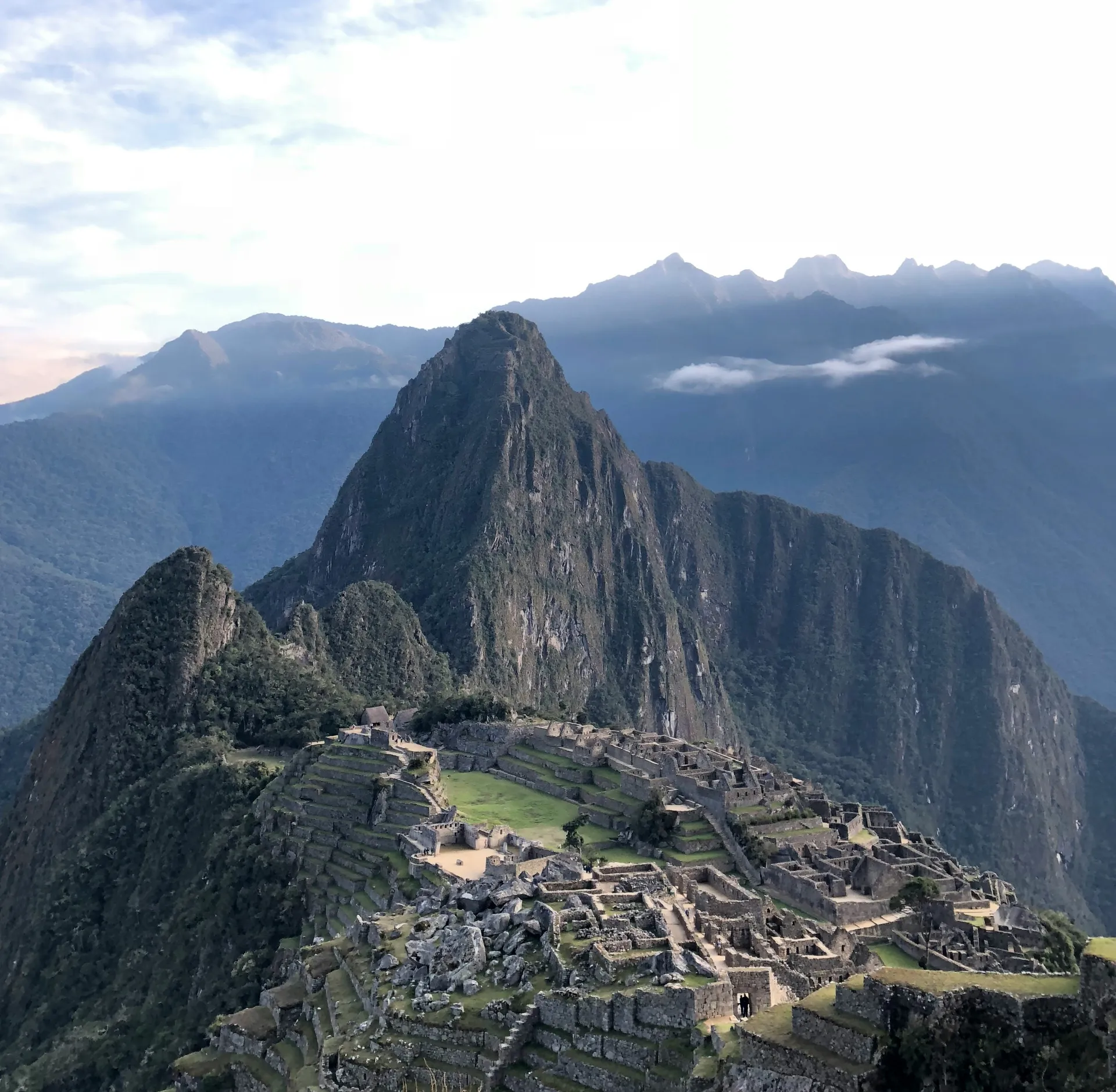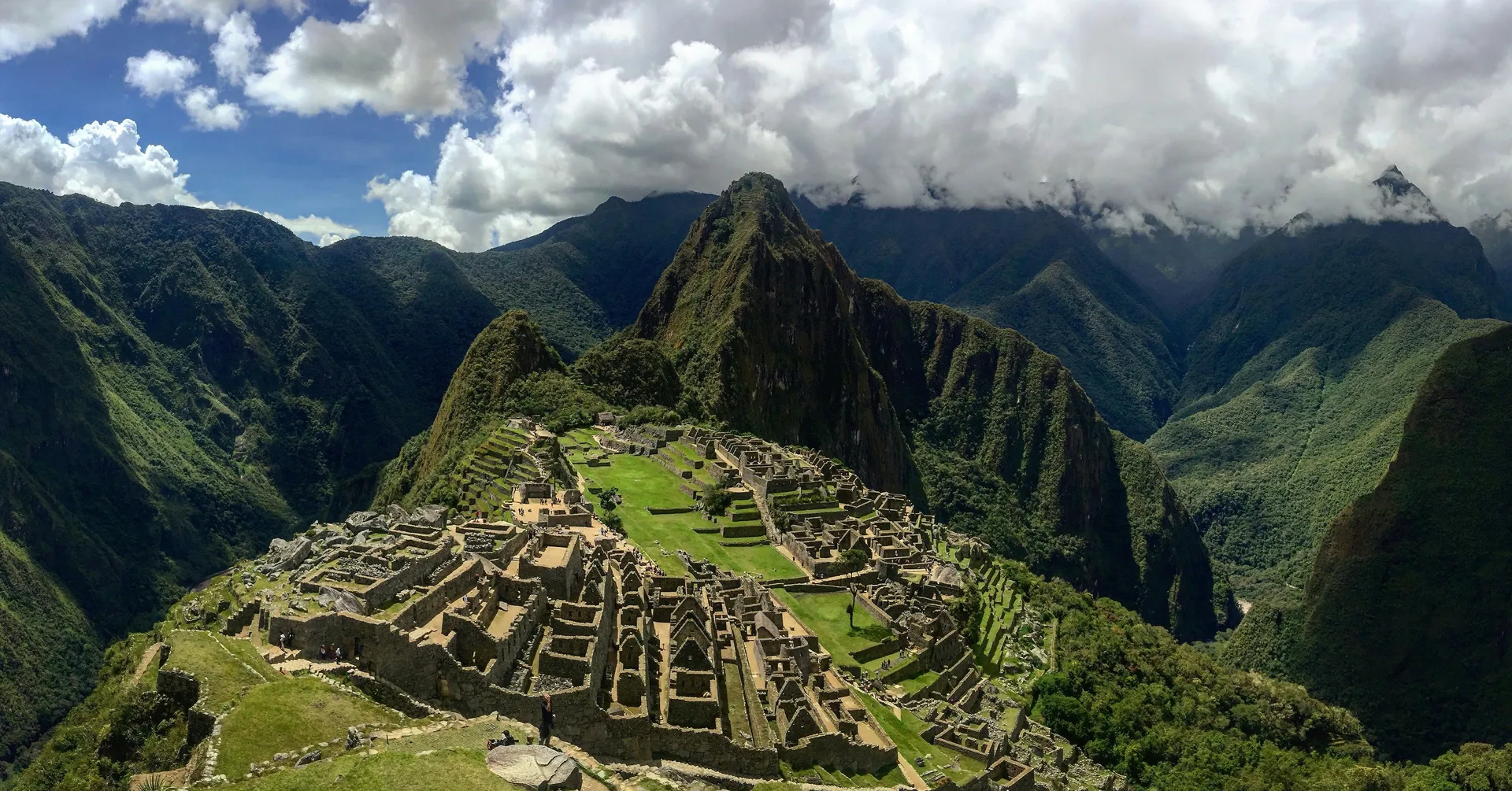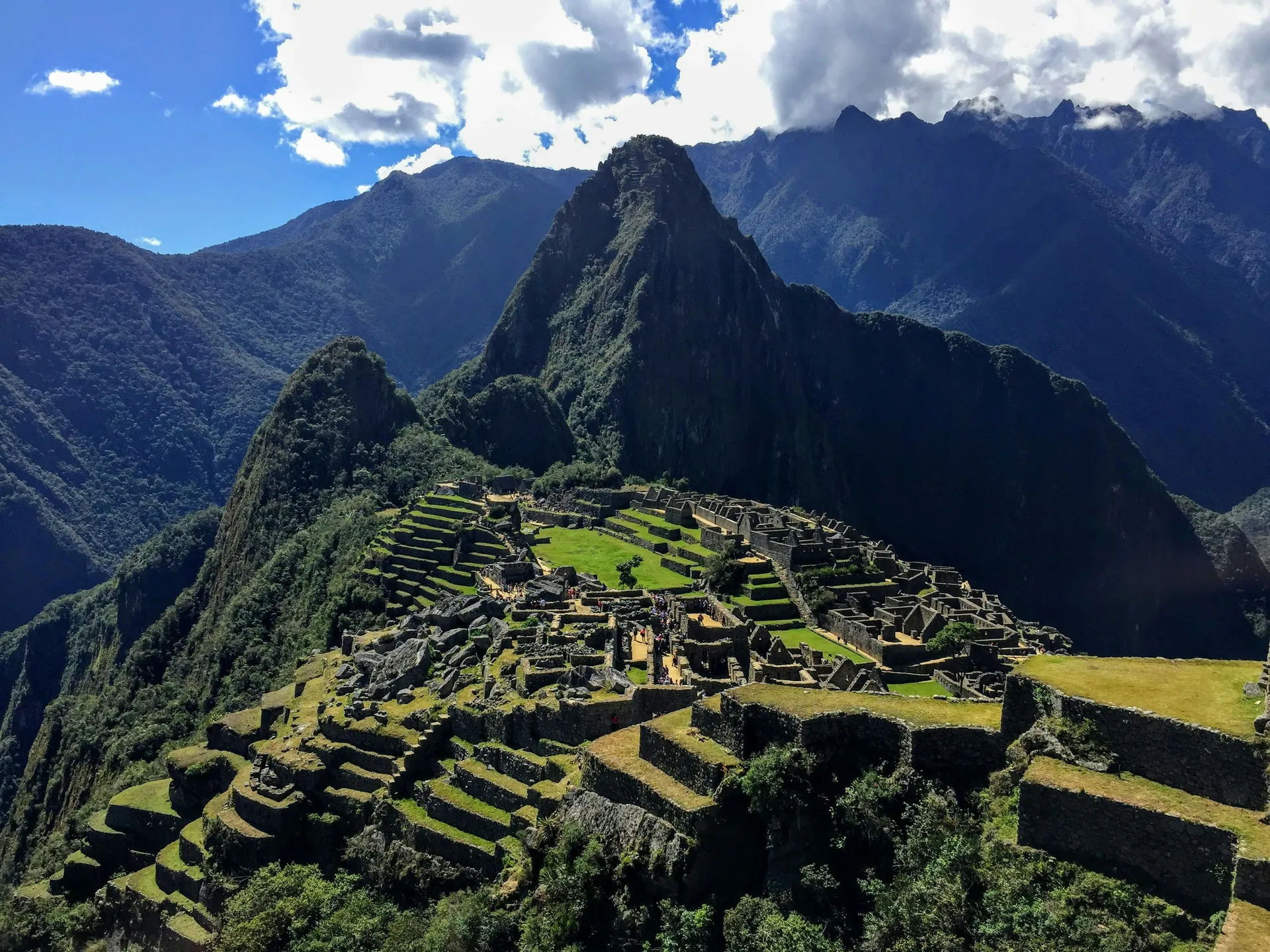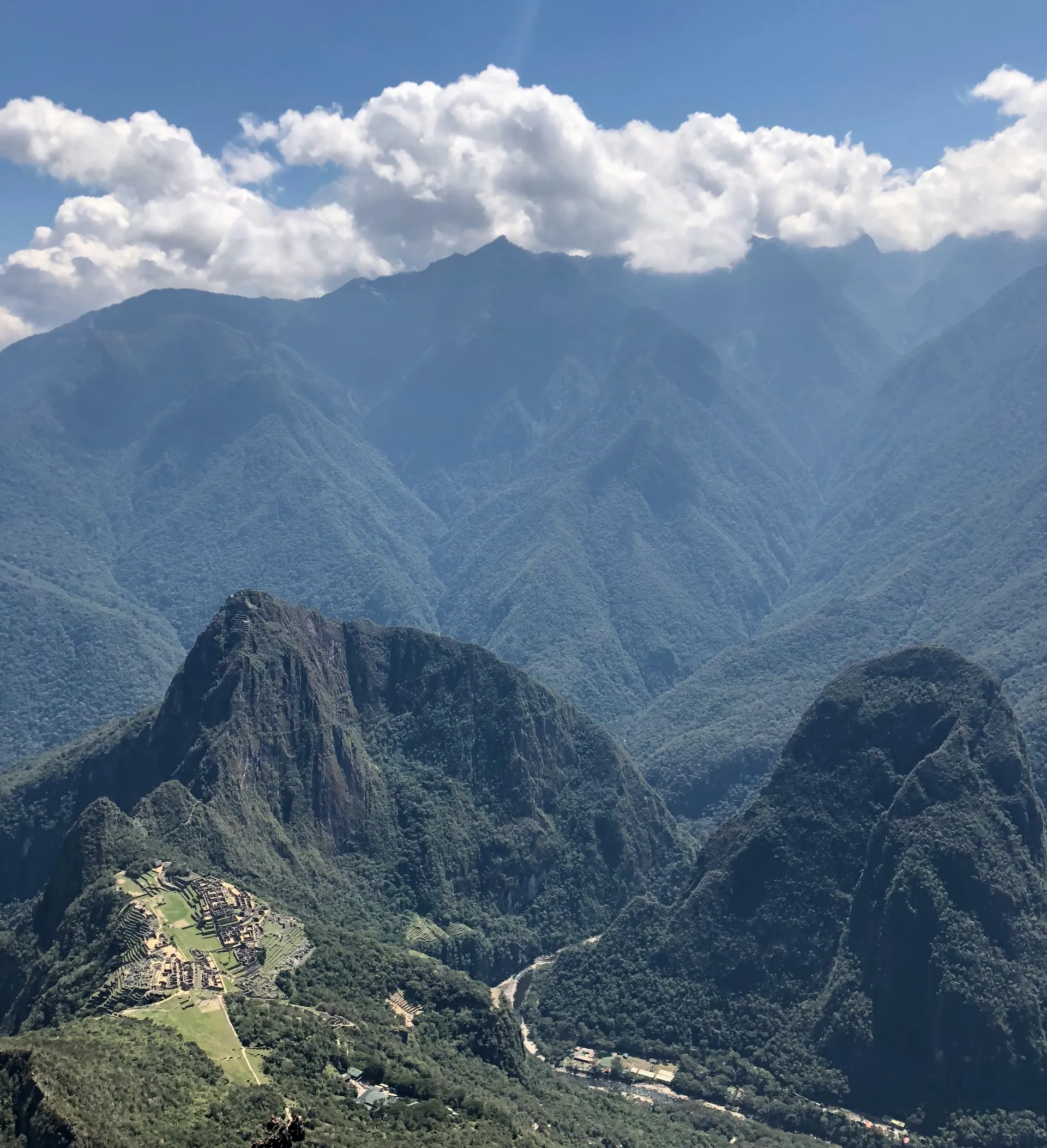
Urubamba sits in the Sacred Valley of the Incas — the fertile, sun-blessed corridor of the Urubamba River (Willkamayu in Quechua, the "Sacred River") that served as the agricultural heartland of the Inca Empire and now serves as the principal gateway to Machu Picchu. At 2,863 meters elevation — lower than Cusco and significantly more temperate — the town occupies a position in the valley that the Incas themselves recognized as ideal: warm enough for maize cultivation, high enough for quinoa and potatoes, and protected by the snow-capped peaks of the Urubamba Range that rise to over 5,000 meters on the valley's northern flank. The valley floor, irrigated by the Inca canal system that still functions today, produces the giant kernels of white corn (choclo) that are the Sacred Valley's most distinctive agricultural product.
The character of the Sacred Valley is defined by the remarkable Inca sites that line the Urubamba River like beads on a string. Ollantaytambo, twenty minutes northwest of Urubamba, is the best-preserved Inca town — its massive terraced fortress, unfinished Temple of the Sun, and perfectly intact street grid providing the most complete picture of Inca urban planning available anywhere. Pisac, at the valley's eastern entrance, combines a spectacular hilltop fortress with a traditional market that fills the central plaza three days a week with textiles, ceramics, and produce from the surrounding communities. Moray, on the plateau above the valley, presents a series of concentric circular terraces that functioned as an Inca agricultural laboratory — each level creating a distinct microclimate, allowing the systematic development of crop varieties adapted to different altitudes.
The cuisine of the Sacred Valley draws on the extraordinary biodiversity that the Incas cultivated over centuries. Cuy (guinea pig), roasted whole over a wood fire, is the ceremonial dish of the Andes — crispy-skinned, rich, and an essential cultural experience for visitors who can overcome initial hesitation. Trout from the valley's cold streams is prepared ceviche-style or simply grilled. Pachamanca — a communal earth-oven feast of meat, potatoes, beans, and corn cooked on hot stones buried underground — is the Andean equivalent of a Polynesian luau, and several restaurants and hotels in the valley organize pachamanca experiences for guests. The choclo (corn) of the Sacred Valley, with kernels the size of nickels, is boiled and served with fresh cheese in a preparation so simple and so perfect that it requires no elaboration.
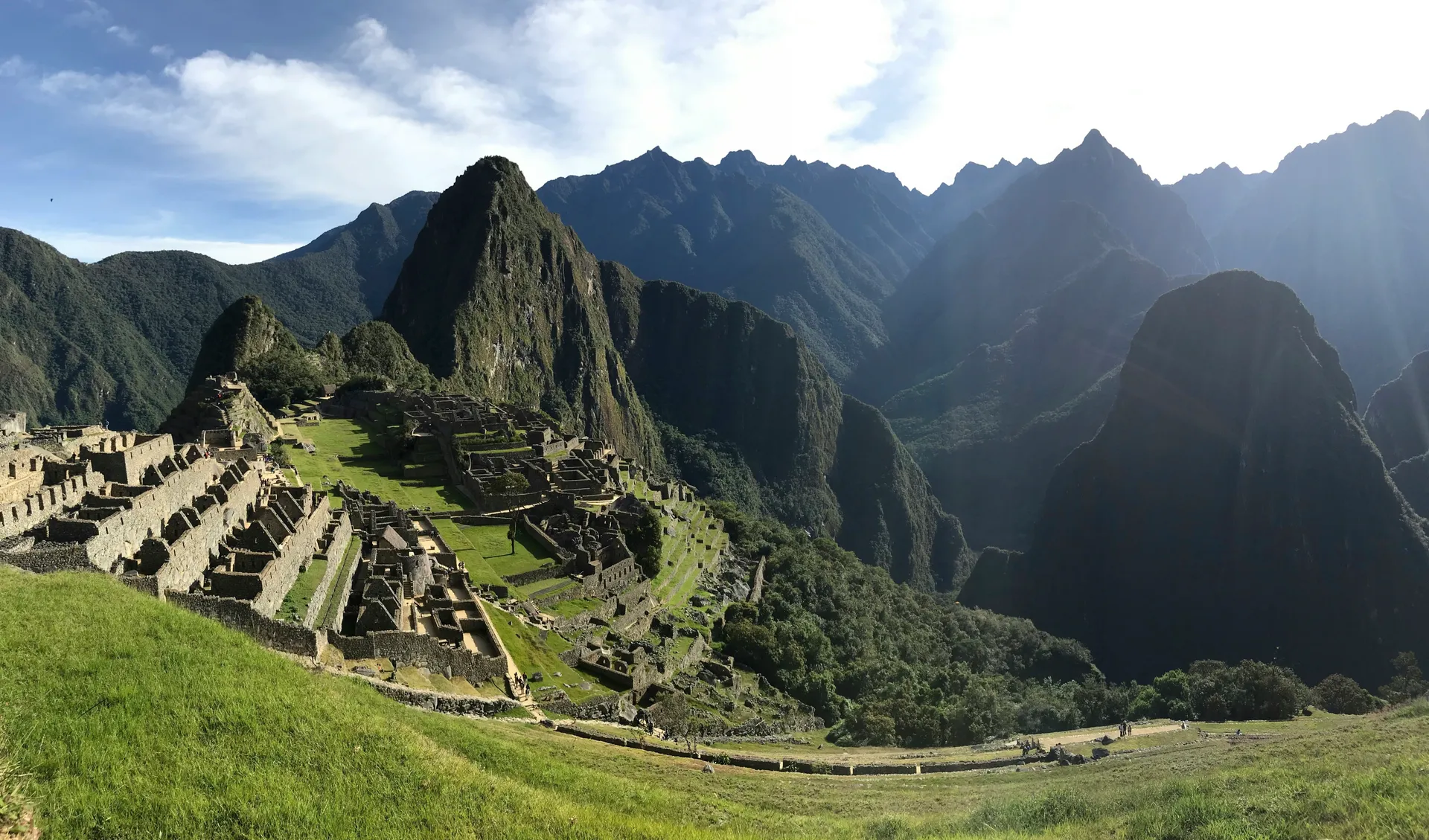
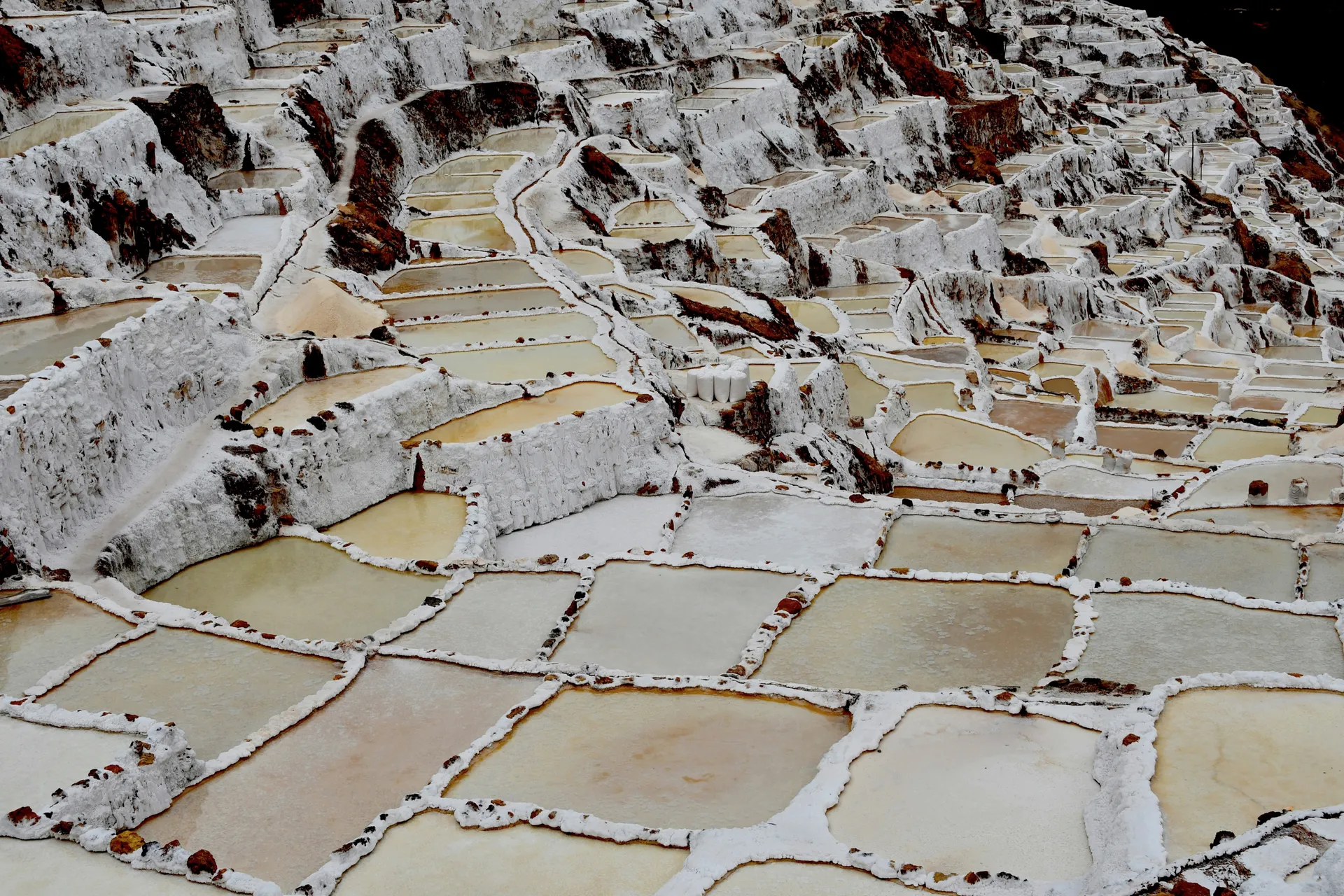
The landscape surrounding Urubamba offers experiences that range from gentle to genuinely challenging. The Inca salt mines of Maras — thousands of small evaporation pools cascading down a mountainside, fed by a natural salt spring and worked by local families since pre-Inca times — create a geometric landscape of glistening white that photographs beautifully and provides a tangible link to an economy that predates money. Hiking trails connect the valley to highland villages where Quechua-speaking communities maintain agricultural traditions largely unchanged since the Inca era. For the adventurous, the Inca Trail to Machu Picchu — a four-day trek through cloud forest and mountain passes, culminating at the Sun Gate above the Lost City — begins at Kilometer 82 on the railway line from Urubamba, though permits must be secured months in advance.
Urubamba is one hour from Cusco by road and serves as a popular overnight base for Sacred Valley exploration — its lower elevation reduces the altitude sickness that affects many visitors to Cusco. Luxury hotels, including several converted colonial haciendas, line the valley floor. The train to Machu Picchu departs from nearby Ollantaytambo (the most common embarkation point). The dry season from May to October offers the clearest skies and most comfortable trekking conditions, while the wet season (November–April) brings afternoon rains that keep the valley green and the terraces photogenically lush. The Sacred Valley can be visited year-round, and its intermediate altitude (lower than Cusco, higher than Machu Picchu) makes it an ideal acclimatization stop on any Peruvian Andean itinerary.