Floating in the mouth of Manila Bay like a teardrop-shaped sentinel, Corregidor Island holds a place in Philippine and American military history that few locations can match. This small, fortified island — just six square kilometres — was the last stronghold of the Allied forces during the Japanese invasion of the Philippines in 1942, and the site of General Douglas MacArthur's famous departure by PT boat under cover of darkness, vowing "I shall return." The ruins of its batteries, barracks, and tunnels remain among the most evocative war memorials in the Pacific.
The character of Corregidor is shaped by the collision of tropical beauty and martial devastation. The island's highest point, Topside, commands panoramic views of Manila Bay, the Bataan Peninsula, and the distant skyline of Metro Manila. Among the flame trees and bougainvillea that have reclaimed the hilltop stand the shells of enormous coastal gun batteries — their concrete shattered by Japanese bombing, their steel rusted to the colour of dried blood. The Battery Way and Battery Hearn emplacements, with their massive mortars still pointed at the sky, are monuments to a defence that was doomed but never surrendered willingly.
The Malinta Tunnel complex is Corregidor's most haunting interior space. Carved into the island's volcanic rock by the US Army Corps of Engineers in the 1930s, this vast underground system — with a main tunnel nearly 250 metres long and two dozen laterals — served as General MacArthur's headquarters, a hospital accommodating over a thousand wounded, and the seat of the Philippine Commonwealth government during the siege. A light-and-sound show within the tunnel recreates the atmosphere of those desperate months with an emotional impact that catches most visitors by surprise.
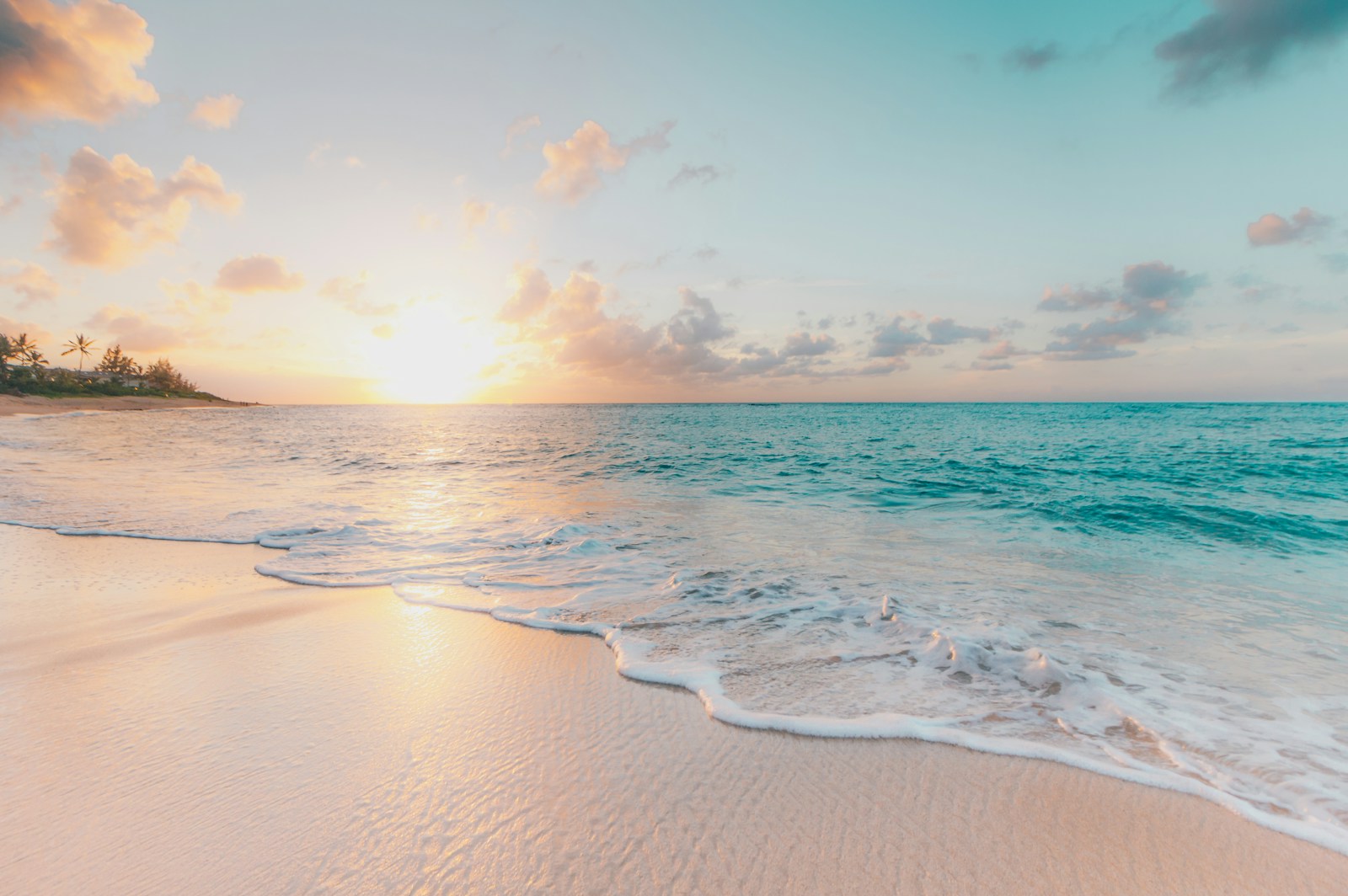
The island's natural setting provides a striking counterpoint to its military history. The waters surrounding Corregidor are rich with marine life, and the island's shoreline — a mix of rocky coves and sandy beaches — offers respite from the intensity of the historical sites. The forests that have grown back over the ruins support populations of long-tailed macaques, monitor lizards, and a remarkable variety of butterflies. In the late afternoon light, when the tourist groups have departed and the ruins glow golden against the bay, Corregidor achieves a beauty that seems to honour rather than diminish the memory of what occurred here.
Corregidor is accessible by ferry from Manila's CCP Complex terminal, with the journey taking approximately ninety minutes. Day tours and overnight packages are available through Sun Cruises. The best time to visit is November through May, during the dry season, when rain is unlikely to interrupt outdoor exploration. The island has limited accommodation — most visitors come as day-trippers — and a small café serves basic Filipino meals. Early morning and late afternoon light provide the most atmospheric conditions for photography.

